Balaji Corporate — Verified Manufacturer & Wholesale Supplier
About Balaji Corporate - Bentonite Supplier in India
India, in the city of Rajkot, Gujarat, is the base for Balaji Corporate, an imported‑tier supplier that currently lists five active products in its catalogue. The company operates its own mines in the Kutch region of Gujarat and runs a processing unit together with an on‑site laboratory for material testing. Balaji Corporate reports supplying markets in the Middle East, the Far East, Sri Lanka, Bangladesh, Poland and the Netherlands.
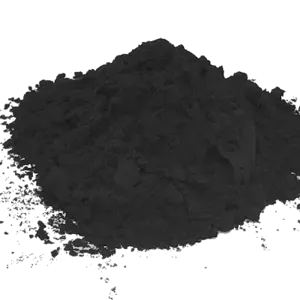
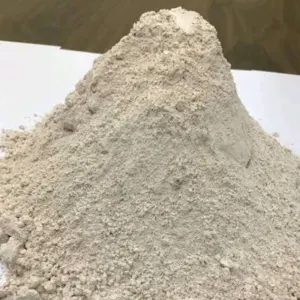
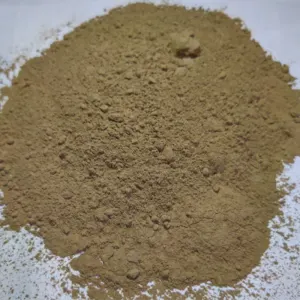
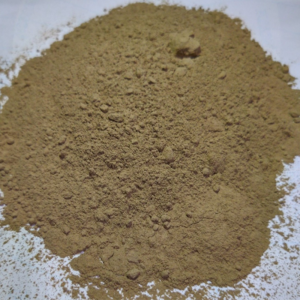
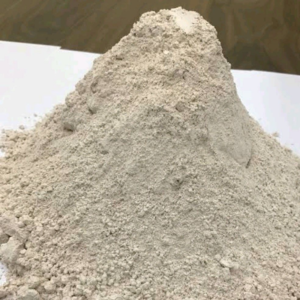
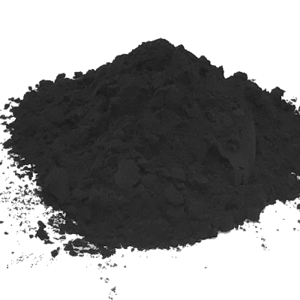
The catalogue comprises Bentonite (HS 2508.10, mineral Bentonite), Bleaching Earth (HS 2508.40, a Bentonite‑based absorbent), Activated Carbon (HS 3802.10, carbon material), Edible Oil (no HS code supplied) and Food Stuff (no HS code supplied). These items align with the supplier’s top‑categories that include Bentonite, Limestone, Stone Products, Dolomite, Graphite, Mineral Powder and White Cement.
Product Range and Specialties of Balaji Corporate
Balaji Corporate lists three mineral‑based products that are standard in the global absorbent and purification market. Bentonite is typically offered as sodium or calcium grades with purity levels of 90‑95 % and moisture below 10 %, while Bleaching Earth is usually acid‑activated and rated by oil‑absorption capacity of around 150 mL per 100 g. Activated Carbon is commonly supplied as granular material with an iodine number near 1000 mg g⁻¹ and a bulk density of 0.45‑0.55 t m⁻³. The Edible Oil and Food Stuff entries fall under processed food categories where buyers often look for specifications such as free‑fatty‑acid content below 0.1 % for refined oils and compliance with Codex Alimentarius standards for food items.
Trade and Export Information - Balaji Corporate
India is a major exporter of mineral powders and absorbents, with Bentonite and related products typically shipped under HS chapter 25 to the United States, European Union, Middle‑East and Southeast Asian markets. Activated Carbon falls under HS chapter 38 and is frequently demanded by water‑treatment and air‑purification industries in Europe and North America. Buyers usually require certifications such as ISO 9001, ISO 14001, and compliance with REACH or ASTM standards, although the supplier’s own certifications are not listed in the provided facts. Standard export logistics involve bulk 20‑ft or 40‑ft containers, sometimes supplemented by 25‑ton bulk bags, with Incoterms FOB or CIF being common practice for these commodities.
Sourcing from Balaji Corporate - Buyer Guidance
When sourcing Bentonite, Bleaching Earth or Activated Carbon from Balaji Corporate, request a recent Material Safety Data Sheet (MSDS), a certificate of analysis covering purity, moisture and particle‑size distribution, and any available ISO or REACH compliance documents. Verify the origin of the raw material by asking for a mine‑site audit report or a third‑party laboratory test, especially for grades that will be used in food‑grade or pharmaceutical applications. Typical minimum order quantities start around 20 metric tons for Bentonite and 10 metric tons for Activated Carbon, with lead times of 30‑45 days from order confirmation.
Frequently Asked Questions About Balaji Corporate
What mineral products does Balaji Corporate export?
The supplier lists Bentonite (HS 2508.10), Bleaching Earth (HS 2508.40) and Activated Carbon (HS 3802.10) among its exported mineral products.
Are HS codes available for all listed items?
HS codes are provided for Bentonite, Bleaching Earth and Activated Carbon. No HS codes are supplied for the Edible Oil and Food Stuff entries.
Which regions are typical importers of the supplier’s Bentonite?
Bentonite from India is commonly shipped to the United States, European Union, Middle‑East and Southeast Asian countries, using bulk containers or 25‑ton bags.
What quality documents should a buyer request for Bentonite?
Buyers should ask for a certificate of analysis showing purity (typically 90‑95 %), moisture content (<10 %), particle‑size distribution and an ISO 9001 or REACH compliance statement.
What are the usual packaging formats for the mineral powders?
The minerals are usually packed in 25‑ton bulk bags, 20‑ft or 40‑ft containers, and may be palletised for smaller volumes.
Which certifications are commonly required for Activated Carbon imports?
Importers often require ISO 9001, ISO 14001 and an iodine number test (≈1000 mg g⁻¹) as part of the product certification.
How can a buyer obtain a sample before placing a full order?
Balaji Corporate can provide a small sample (typically 5‑10 kg) upon request; the buyer should specify the required grade and request accompanying test reports.
What Incoterms are typically used for shipments from Rajkot?
FOB Rajkot and CIF to the destination port are the most frequently used Incoterms for the supplier’s mineral exports.




 Rajkot, India




.jpg.png)