Ruby International — Verified Supplier

About Ruby International - Leather Apparel Supplier in India

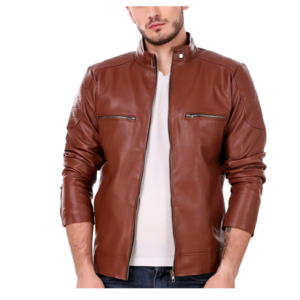
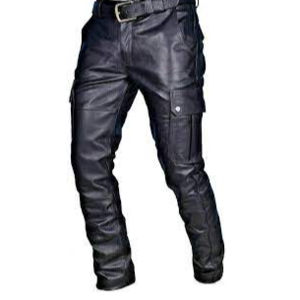
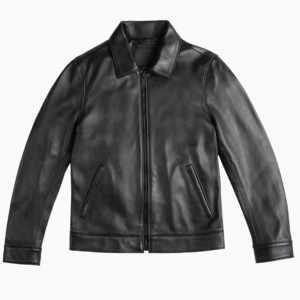
India hosts Ruby International’s catalogue of 25 distinct style codes covering leather jackets, leather wear, blazers and coats, jackets, vests & coats, tailoring buttons and ladies skirts. The listed styles are identified by internal codes such as 100100113, 100100116 and 100100131, each representing a specific design within those categories. The product set aligns with HS chapter 42 for leather garments and HS chapter 96 for buttons, which are the standard customs classifications used for these items. The supplier’s active portfolio includes both outerwear and garment accessories, reflecting the typical product mix of Indian leather exporters. Each style code corresponds to a finished garment or component rather than raw material, meaning buyers receive completed apparel ready for retail distribution. The catalogue does not disclose additional certifications, so buyers should verify compliance with industry standards during the sourcing process.

Product Range and Specialties of Ruby International

Ruby International’s catalogue lists style codes that map to full‑grain or top‑grain leather jackets, leather‑coated blazers, and structured coats. In the leather apparel sector, common grades are classified by leather thickness (typically 1.0 mm to 1.5 mm for jackets) and surface finish (smooth, brushed or embossed). Buttons listed under the “Buttons (Tailoring Material)” category are usually made from metal alloys, mother‑of‑pearl or high‑grade polymer, with standard dimensions ranging from 12 mm to 20 mm in diameter. Industry practice for ladies skirts includes fabric blends such as polyester‑viscose (150 - 200 gsm) or woven cotton (180 - 220 gsm). Buyers often request details on seam strength (minimum 5 N/tex), colorfastness (A‑grade), and any leather tanning method (chrome‑tanned or vegetable‑tanned) for the outerwear pieces.

Trade and Export Information - Ruby International

India is a major exporter of leather apparel, with the European Union, United States and Middle East being the largest destination markets. HS 4203 covers leather jackets and coats, while HS 4202 applies to leather garments such as blazers, and HS 9603 is used for metal or plastic buttons. Export shipments are typically packed in reinforced cartons or wooden crates, containerized in 20‑ft or 40‑ft units depending on order volume. Buyers usually require documented compliance with ISO 9001 quality management systems, Leather Working Group (LWG) grading, and, where applicable, REACH registration for chemical residues. Indian exporters often provide phytosanitary certificates for leather treated with tanning chemicals, and a Certificate of Origin to qualify for preferential duty rates under various trade agreements.

Sourcing from Ruby International - Buyer Guidance

When sourcing from Ruby International, request a product specification sheet that lists leather type, thickness, finish, and any tanning chemicals used. Sample requests should include a physical garment or button with accompanying test reports for tensile strength, colorfastness and any relevant chemical analysis (e.g., chromium content for chrome‑tanned leather). Confirm that the supplier can provide ISO 9001 or LWG documentation, and verify the HS code used for each item on the commercial invoice. Typical minimum order quantities for leather jackets range from 50 to 200 pieces per style, with lead times of 30‑45 days after sample approval. Packaging should be confirmed as bulk cartons with inner poly‑bags to protect against moisture during transit.

Frequently Asked Questions About Ruby International

What product categories does Ruby International list in its catalogue?

The catalogue includes leather jackets, leather wear, blazers and coats, jackets/vests & coats, tailoring buttons and ladies skirts, each identified by a specific style code.

How are the style codes organized?

Each style code such as 100100113 or 100100131 corresponds to a distinct design within the listed categories; the codes are internal identifiers used for order processing.

Which HS codes are normally used for these products?

Leather garments fall under HS 4202‑4203, while tailoring buttons are classified under HS 9603. These codes are standard for customs declarations of Indian leather exports.

What certifications should a buyer request?

Buyers should ask for ISO 9001 quality‑management certification, Leather Working Group (LWG) grading reports, and any REACH compliance documentation relevant to the tanning chemicals.

What sample specifications are typical for leather jackets?

Samples should include the full jacket with details on leather thickness (1.0‑1.5 mm), finish (smooth, brushed or embossed), and a test report showing tensile strength and any chemical residue analysis.

What are common packaging and shipping formats?

Products are usually packed in reinforced cartons, placed in 20‑ft or 40‑ft containers. Buttons may be boxed in corrugated trays, and all items are often wrapped in moisture‑resistant film.

What are typical minimum order quantities and lead times?

MOQ for outerwear such as jackets generally ranges from 50 to 200 pieces per style, with lead times of 30‑45 days after sample approval.

How can a buyer verify the HS code on the invoice?

The commercial invoice should list the exact HS code (e.g., 4203 for jackets) alongside the style code; buyers should cross‑check this against the product description before shipment.


Other Suppliers in Leather Jackets

Top Trusted Suppliers

Related Products in Leather Jackets

Trending in Parent Category

More Suppliers in Parent Category

Related Products

Other Suppliers

EximNext
58.4K+ live requirements
Register Free🎁 5 free buy-lead credits
Post Requirement
🌍 Trusted by 224.4K+ businesses in 200+ countries|
58.4K+ active requirements right now
✉️ [email protected]
|
Sell on EximNextPost Requirement
EximNext
AgricultureApparelConstructionElectronicFoodHomeIndustrialMineralsMiscellaneous
🔥 Deals|✨ AI Match|🏭 Suppliers|📋 Buy Leads|💰 Trade Finance|⭐ Upgrade
58.4K+ live RFQs·194.4K+ suppliers
🎁 5 free credits →
EximNext
EximNext
Register Free
🎁 5 free buy-lead credits
Sign In
📋Post Requirement💬Get QuotesAI Match📋RFQ Marketplace
All Categories
Services & Tools
🏭Supplier Directory🔥Today's Deals💰Trade FinanceMembership
Sell on EximNext
AboutContactBlogHelp
🏭

Ruby International

Harbor
Country flag , India
🛡️
78/100
Trust Score

Ruby International Product Catalog

Showing 12 of 25 products
View all products →
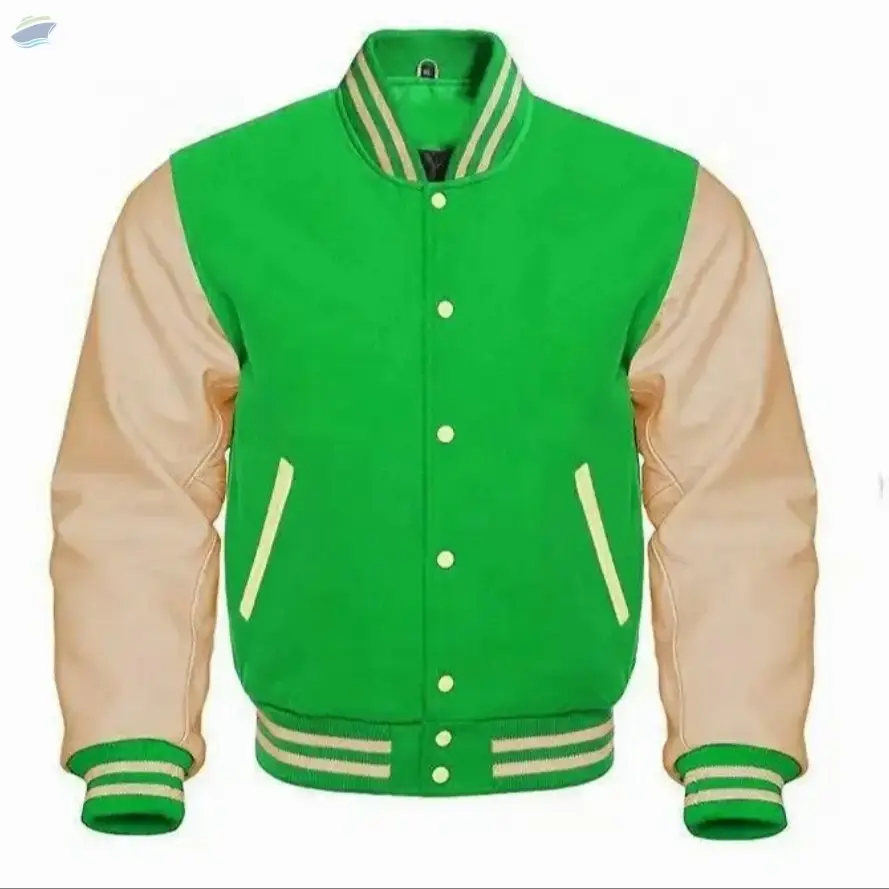
Style : 100100132
Harbor
Style : 100100132
Contact
MOQ: 1 Unit
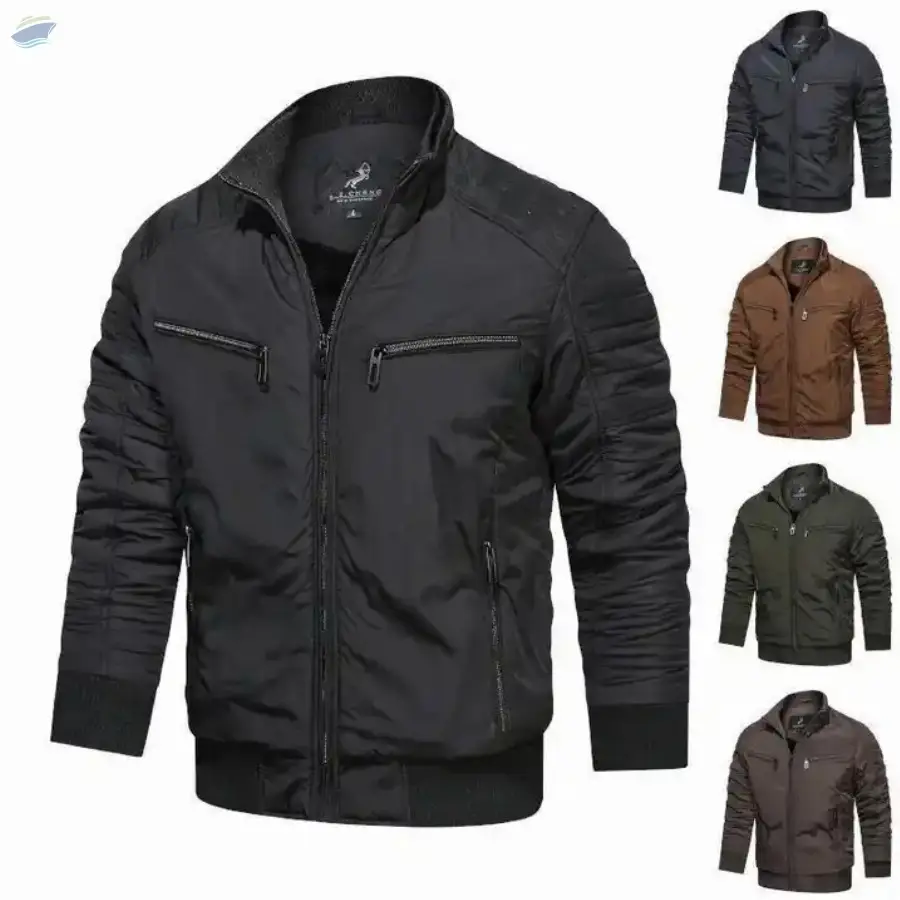
Style : 100100131
Harbor
Style : 100100131
Contact
MOQ: 1 Unit
Style : 100100115
Harbor
Style : 100100115
Contact
MOQ: 1 Unit
Style : 100100112
Harbor
Style : 100100112
Contact
MOQ: 1 Unit
Style : 100100110
Harbor
Style : 100100110
Contact
MOQ: 1 Unit
Style : 100100107
Harbor
Style : 100100107
Contact
MOQ: 1 Unit
Style : 100100106
Harbor
Style : 100100106
Contact
MOQ: 1 Unit
Style : 100100105
Harbor
Style : 100100105
Contact
MOQ: 1 Unit
Style : 100100104
Harbor
Style : 100100104
Contact
MOQ: 1 Unit
Style : 100100103
Harbor
Style : 100100103
Contact
MOQ: 1 Unit
Style : 100100122
Harbor
Style : 100100122
Contact
MOQ: 1 Unit
Style : 100100121
Harbor
Style : 100100121
Contact
MOQ: 1 Unit

About Ruby International - Leather Apparel Supplier in India

India hosts Ruby International’s catalogue of 25 distinct style codes covering leather jackets, leather wear, blazers and coats, jackets, vests & coats, tailoring buttons and ladies skirts. The listed styles are identified by internal codes such as 100100113, 100100116 and 100100131, each representing a specific design within those categories. The product set aligns with HS chapter 42 for leather garments and HS chapter 96 for buttons, which are the standard customs classifications used for these items. The supplier’s active portfolio includes both outerwear and garment accessories, reflecting the typical product mix of Indian leather exporters. Each style code corresponds to a finished garment or component rather than raw material, meaning buyers receive completed apparel ready for retail distribution. The catalogue does not disclose additional certifications, so buyers should verify compliance with industry standards during the sourcing process.

Product Range and Specialties of Ruby International

Ruby International’s catalogue lists style codes that map to full‑grain or top‑grain leather jackets, leather‑coated blazers, and structured coats. In the leather apparel sector, common grades are classified by leather thickness (typically 1.0 mm to 1.5 mm for jackets) and surface finish (smooth, brushed or embossed). Buttons listed under the “Buttons (Tailoring Material)” category are usually made from metal alloys, mother‑of‑pearl or high‑grade polymer, with standard dimensions ranging from 12 mm to 20 mm in diameter. Industry practice for ladies skirts includes fabric blends such as polyester‑viscose (150 - 200 gsm) or woven cotton (180 - 220 gsm). Buyers often request details on seam strength (minimum 5 N/tex), colorfastness (A‑grade), and any leather tanning method (chrome‑tanned or vegetable‑tanned) for the outerwear pieces.

Trade and Export Information - Ruby International

India is a major exporter of leather apparel, with the European Union, United States and Middle East being the largest destination markets. HS 4203 covers leather jackets and coats, while HS 4202 applies to leather garments such as blazers, and HS 9603 is used for metal or plastic buttons. Export shipments are typically packed in reinforced cartons or wooden crates, containerized in 20‑ft or 40‑ft units depending on order volume. Buyers usually require documented compliance with ISO 9001 quality management systems, Leather Working Group (LWG) grading, and, where applicable, REACH registration for chemical residues. Indian exporters often provide phytosanitary certificates for leather treated with tanning chemicals, and a Certificate of Origin to qualify for preferential duty rates under various trade agreements.

Sourcing from Ruby International - Buyer Guidance

When sourcing from Ruby International, request a product specification sheet that lists leather type, thickness, finish, and any tanning chemicals used. Sample requests should include a physical garment or button with accompanying test reports for tensile strength, colorfastness and any relevant chemical analysis (e.g., chromium content for chrome‑tanned leather). Confirm that the supplier can provide ISO 9001 or LWG documentation, and verify the HS code used for each item on the commercial invoice. Typical minimum order quantities for leather jackets range from 50 to 200 pieces per style, with lead times of 30‑45 days after sample approval. Packaging should be confirmed as bulk cartons with inner poly‑bags to protect against moisture during transit.

Frequently Asked Questions About Ruby International

What product categories does Ruby International list in its catalogue?

The catalogue includes leather jackets, leather wear, blazers and coats, jackets/vests & coats, tailoring buttons and ladies skirts, each identified by a specific style code.

How are the style codes organized?

Each style code such as 100100113 or 100100131 corresponds to a distinct design within the listed categories; the codes are internal identifiers used for order processing.

Which HS codes are normally used for these products?

Leather garments fall under HS 4202‑4203, while tailoring buttons are classified under HS 9603. These codes are standard for customs declarations of Indian leather exports.

What certifications should a buyer request?

Buyers should ask for ISO 9001 quality‑management certification, Leather Working Group (LWG) grading reports, and any REACH compliance documentation relevant to the tanning chemicals.

What sample specifications are typical for leather jackets?

Samples should include the full jacket with details on leather thickness (1.0‑1.5 mm), finish (smooth, brushed or embossed), and a test report showing tensile strength and any chemical residue analysis.

What are common packaging and shipping formats?

Products are usually packed in reinforced cartons, placed in 20‑ft or 40‑ft containers. Buttons may be boxed in corrugated trays, and all items are often wrapped in moisture‑resistant film.

What are typical minimum order quantities and lead times?

MOQ for outerwear such as jackets generally ranges from 50 to 200 pieces per style, with lead times of 30‑45 days after sample approval.

How can a buyer verify the HS code on the invoice?

The commercial invoice should list the exact HS code (e.g., 4203 for jackets) alongside the style code; buyers should cross‑check this against the product description before shipment.

About Ruby International - Leather Apparel Supplier in India

India hosts Ruby International’s catalogue of 25 distinct style codes covering leather jackets, leather wear, blazers and coats, jackets, vests & coats, tailoring buttons and ladies skirts. The listed styles are identified by internal codes such as 100100113, 100100116 and 100100131, each representing a specific design within those categories. The product set aligns with HS chapter 42 for leather garments and HS chapter 96 for buttons, which are the standard customs classifications used for these items. The supplier’s active portfolio includes both outerwear and garment accessories, reflecting the typical product mix of Indian leather exporters. Each style code corresponds to a finished garment or component rather than raw material, meaning buyers receive completed apparel ready for retail distribution. The catalogue does not disclose additional certifications, so buyers should verify compliance with industry standards during the sourcing process.

Product Range and Specialties of Ruby International

Ruby International’s catalogue lists style codes that map to full‑grain or top‑grain leather jackets, leather‑coated blazers, and structured coats. In the leather apparel sector, common grades are classified by leather thickness (typically 1.0 mm to 1.5 mm for jackets) and surface finish (smooth, brushed or embossed). Buttons listed under the “Buttons (Tailoring Material)” category are usually made from metal alloys, mother‑of‑pearl or high‑grade polymer, with standard dimensions ranging from 12 mm to 20 mm in diameter. Industry practice for ladies skirts includes fabric blends such as polyester‑viscose (150 - 200 gsm) or woven cotton (180 - 220 gsm). Buyers often request details on seam strength (minimum 5 N/tex), colorfastness (A‑grade), and any leather tanning method (chrome‑tanned or vegetable‑tanned) for the outerwear pieces.

Trade and Export Information - Ruby International

India is a major exporter of leather apparel, with the European Union, United States and Middle East being the largest destination markets. HS 4203 covers leather jackets and coats, while HS 4202 applies to leather garments such as blazers, and HS 9603 is used for metal or plastic buttons. Export shipments are typically packed in reinforced cartons or wooden crates, containerized in 20‑ft or 40‑ft units depending on order volume. Buyers usually require documented compliance with ISO 9001 quality management systems, Leather Working Group (LWG) grading, and, where applicable, REACH registration for chemical residues. Indian exporters often provide phytosanitary certificates for leather treated with tanning chemicals, and a Certificate of Origin to qualify for preferential duty rates under various trade agreements.

Sourcing from Ruby International - Buyer Guidance

When sourcing from Ruby International, request a product specification sheet that lists leather type, thickness, finish, and any tanning chemicals used. Sample requests should include a physical garment or button with accompanying test reports for tensile strength, colorfastness and any relevant chemical analysis (e.g., chromium content for chrome‑tanned leather). Confirm that the supplier can provide ISO 9001 or LWG documentation, and verify the HS code used for each item on the commercial invoice. Typical minimum order quantities for leather jackets range from 50 to 200 pieces per style, with lead times of 30‑45 days after sample approval. Packaging should be confirmed as bulk cartons with inner poly‑bags to protect against moisture during transit.

Frequently Asked Questions About Ruby International
What product categories does Ruby International list in its catalogue?
The catalogue includes leather jackets, leather wear, blazers and coats, jackets/vests & coats, tailoring buttons and ladies skirts, each identified by a specific style code.
How are the style codes organized?
Each style code such as 100100113 or 100100131 corresponds to a distinct design within the listed categories; the codes are internal identifiers used for order processing.
Which HS codes are normally used for these products?
Leather garments fall under HS 4202‑4203, while tailoring buttons are classified under HS 9603. These codes are standard for customs declarations of Indian leather exports.
What certifications should a buyer request?
Buyers should ask for ISO 9001 quality‑management certification, Leather Working Group (LWG) grading reports, and any REACH compliance documentation relevant to the tanning chemicals.
What sample specifications are typical for leather jackets?
Samples should include the full jacket with details on leather thickness (1.0‑1.5 mm), finish (smooth, brushed or embossed), and a test report showing tensile strength and any chemical residue analysis.
What are common packaging and shipping formats?
Products are usually packed in reinforced cartons, placed in 20‑ft or 40‑ft containers. Buttons may be boxed in corrugated trays, and all items are often wrapped in moisture‑resistant film.
What are typical minimum order quantities and lead times?
MOQ for outerwear such as jackets generally ranges from 50 to 200 pieces per style, with lead times of 30‑45 days after sample approval.
How can a buyer verify the HS code on the invoice?
The commercial invoice should list the exact HS code (e.g., 4203 for jackets) alongside the style code; buyers should cross‑check this against the product description before shipment.

🏭
Ruby International
Country flag , India
Harbor
78/100
Trust Score
📦
25
Products
Free to contact — no commission
Escrow payment available
Verified business identity
Compare more suppliers
Post a requirement — get 10 quotes free
Let verified suppliers compete for your business. Free, fast, no commitment.
EximNext Verified Supplier
Business identity verified
Physical address confirmed
Financial history checked
Certifications authenticated
Trade references validated
Due Diligence
Verify this supplier's real shipping history.
Every shipment, every buyer, every port. Trade data that can't be faked.
Run due diligence →
Discover More

Related Suppliers & Products

Explore similar suppliers, related products and trending categories

Other Suppliers in Leather Jackets

Top Trusted Suppliers

Related Products in Leather Jackets

Trending in Parent Category

More Suppliers in Parent Category

Stay ahead in global trade
Weekly market insights & new supplier alerts.
EximNext
Exim Next is a leading global B2B marketplace, connecting over 205,000 verified suppliers and buyers across 200+ countries. As a trusted import export marketplace, it serves as the essential B2B portal for businesses worldwide, empowering them to expand their international reach. With Exim Next, businesses can trade smarter and grow faster.
SECURE PAYMENTS
VISAMastercardPayPalSWIFTL/CEscrow
Follow us
© 2026 EximNext