Agriculture›
 Apparel and fashion accessories›
 Construction & real estate›💡Electronic & Electrical›🍎Food & Beverages›🛋️Home furnishing & supplies›⚗️Industrial goods & chemical›🪨Minerals & metals›📦Miscellaneous›Agriculture›Apparel and fashion accessories›Construction & real estate›💡Electronic & Electrical›🍎Food & Beverages›🛋️Home furnishing & supplies›⚗️Industrial goods & chemical›🪨Minerals & metals›📦Miscellaneous›
Vegion Biotech Co., Ltd.
⚓ Harbor , Viet NamNew supplier / no reviews yet
Vegion Biotech Co., Ltd. Product Catalog



About Vegion Biotech Co., Ltd. - Coconut Supplier in Viet Nam
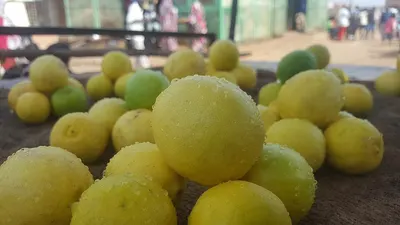
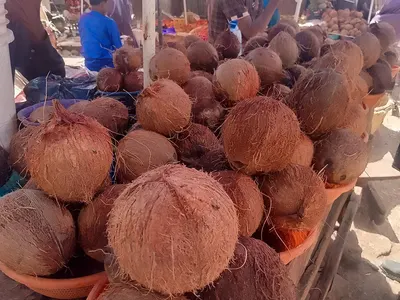
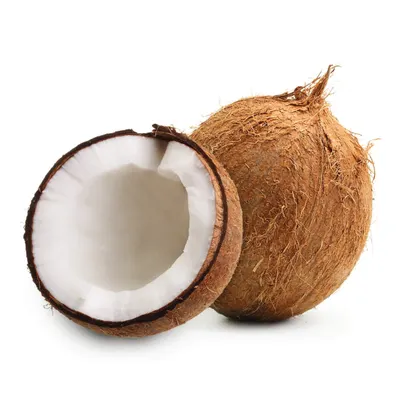
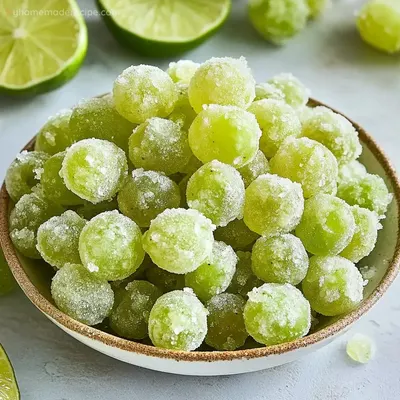
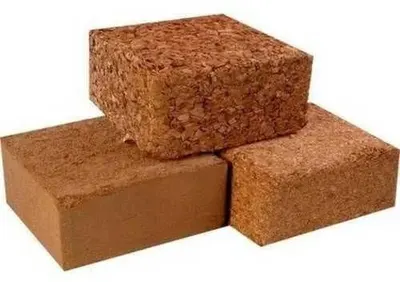
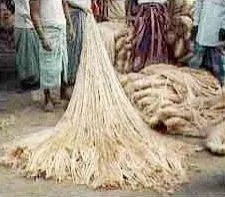
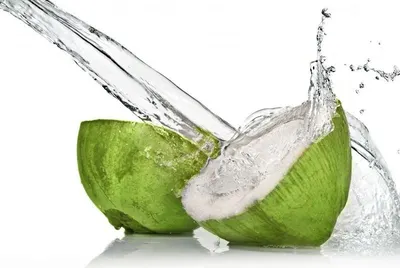
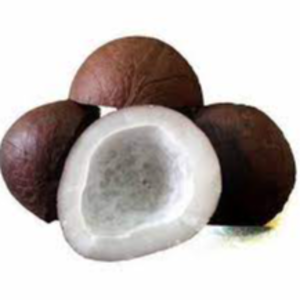
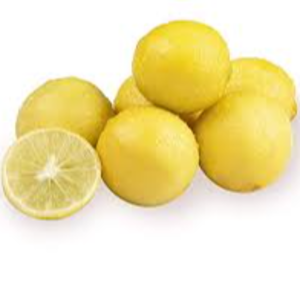
Vegion Biotech Co., Ltd. operates from Viet Nam and lists thirteen active products in its catalogue. The company’s focus is on coconut‑derived goods together with a limited selection of fruits and vegetables. Its catalogue includes fresh green coconut, dry coconut kernels, fresh young coconut, extra‑virgin coconut oil, coconut water, coconut fiber, coconut shell charcoal, coconut milk powder, coco peat, fresh lime, a generic coconut entry and coconut shell powder. Each item is categorized under the broader coconut or fruit groups without additional sub‑branding. The supplier is classified as an imported tier with a harbor trust rating.
The product list aligns with common HS Chapter 08 families for fresh coconuts, Chapter 15 for coconut oil, and Chapter 12 for processed coconut products such as powder and charcoal. Dry coconut and coconut shell powder fall under HS headings for dried fruit and nut products, while coconut fiber and coco peat are treated as horticultural substrates in HS Chapter 10. The inclusion of fresh lime places the supplier also in the fresh fruit segment of HS Chapter 08. All entries are presented without specific HS numeric codes, reflecting the information supplied.
Product Range and Specialties of Vegion Biotech Co., Ltd.
The catalogue covers a full spectrum of coconut forms: whole fresh coconuts, dehydrated kernels, young coconut meat, cold‑pressed extra‑virgin oil, packaged coconut water, fibrous coir, activated charcoal from shells, milk powder, and horticultural substrates such as coco peat and shell powder. In the broader market, fresh coconuts are graded by size (M, L, XL) and husk integrity, while dry coconut kernels are evaluated for moisture content (typically ≤ 6 %). Extra‑virgin coconut oil is commonly verified against free fatty acid levels below 0.5 % and peroxide values under 10 meq O₂/kg. Coconut water is measured for soluble solids (Brix 4‑6) and microbial limits, and coconut milk powder is standardized to a minimum fat content of 20 % and moisture under 5 %. Coir and coco peat are specified by fiber length (6‑12 mm) and bulk density (80‑120 kg/m³).
Frequently Asked Questions About Vegion Biotech Co., Ltd.
What coconut products does Vegion Biotech list in its catalogue?
The catalogue includes fresh green coconut, dry coconut kernels, fresh young coconut, extra‑virgin coconut oil, coconut water, coconut fiber, coconut shell charcoal, coconut milk powder, coco peat, fresh lime, generic coconut and coconut shell powder.
Are any certifications explicitly confirmed for Vegion Biotech?
The supplied facts do not list any specific certifications held by the supplier. Buyers should request copies of food‑safety certifications such as ISO 22000, HACCP or organic certificates if required.
What packaging formats are typical for the listed coconut products?
Whole fresh coconuts are usually packed in ventilated wooden crates, dry coconut kernels and powders in food‑grade polyethylene bags, coconut oil in stainless‑steel drums or PET bottles, and coco peat in bulk bags of 1 ton or 20‑ft containers.
Which markets commonly import Vietnamese coconut products?
Key import markets include the European Union, the United States, Japan and South Korea, where coconut oil, water and processed powders are in high demand for food, cosmetics and industrial uses.
What quality parameters should a buyer verify for coconut oil?
Buyers should check free fatty acid (≤ 0.5 %), peroxide value (≤ 10 meq O₂/kg), moisture content (≤ 0.1 %) and ensure a Certificate of Analysis is provided.
Viet NamRelated Suppliers & Products
Explore similar suppliers, related products and trending categories
.jpg.png)