Shripathi Organics And Food Pvt. Ltd. — Verified Supplier
About Shripathi Organics And Food Pvt. Ltd. - Herbs Supplier in India
Based in India, Shripathi Organics And Food Pvt. Ltd. lists 80 active products across herbs, medicinal herbs, and a variety of seeds. The catalogue includes items such as Agar, Hingot, Punarnava, Mustard Seeds, Black Mustard Seeds, Caraway Seed, Quinoa, Watermelon Seeds, Coriander Seeds, Saffron, Pumpkin Seeds, Cumin Seeds, Turmeric, Palmarosa Grass, Green Cardamom, Black Cumin Seeds, Indian Gooseberry, Lemon Scented Eucalyptus, Licorice Root, Roselle, Lavender, Green Mango, Chamomile, Moringa Seeds, and Curry Leaves. The list also specifies Asafoetida with HS code 0910.99 and material description as dried Ferula asafoetida gum resin. Velvet Bean appears with HS code 0713.39 and is described as dried Mucuna pruriens seeds.
Product Range and Specialties of Shripathi Organics And Food Pvt. Ltd.
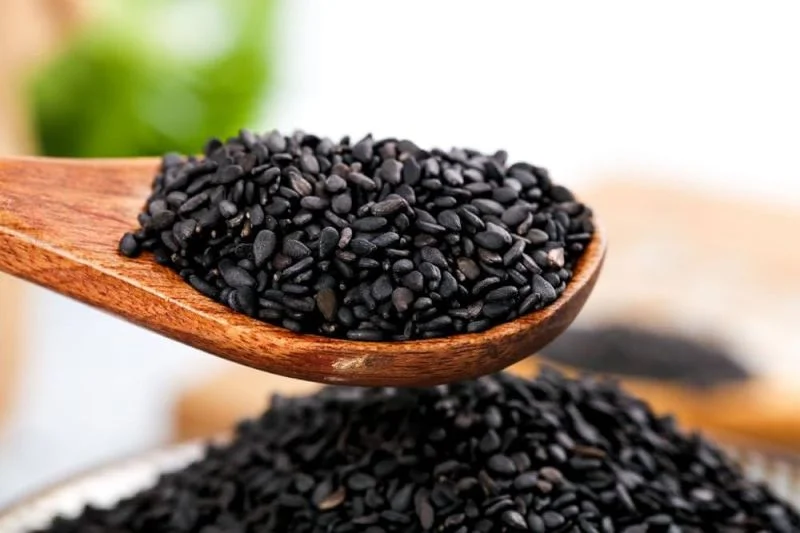
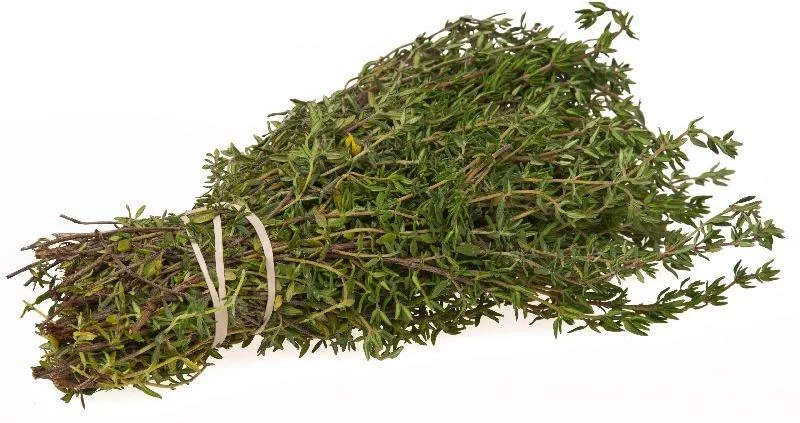
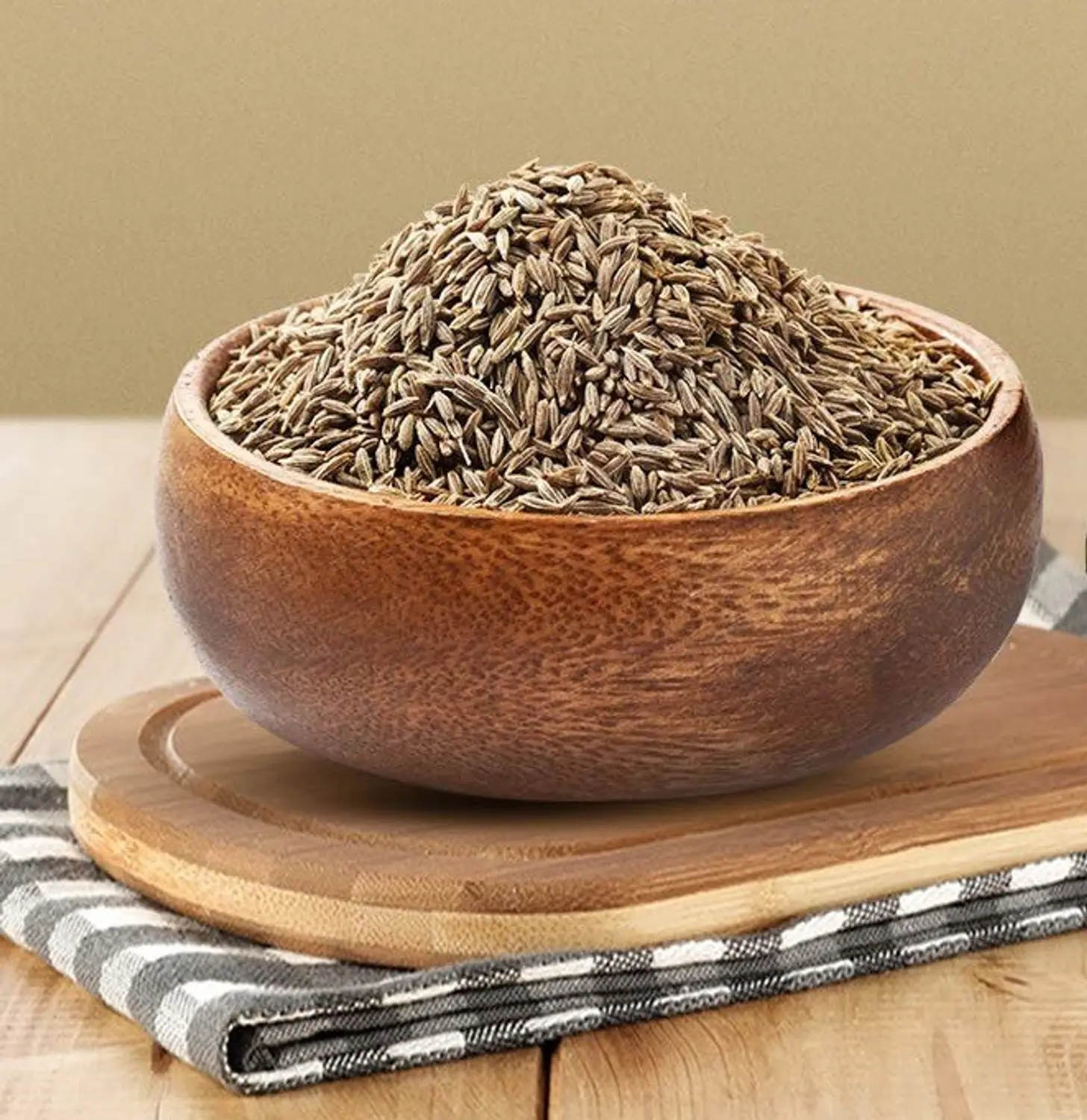
Shripathi Organics’ catalogue contains dried herbs such as Palmarosa, Lavender and Chamomile, spice seeds including yellow and black Mustard, Cumin, Coriander, Caraway and Green Cardamom, as well as oilseed crops like Flax, Quinoa and Watermelon seeds. The inclusion of Asafoetida (HS 0910.99) and Velvet Bean (HS 0713.39) adds specialty gum‑resin and legume categories that are common in Indian export portfolios. In international trade, mustard seeds are graded by size (large >5 mm) and oil content (45‑50 %), cumin seeds are evaluated for colour (light brown) and moisture below 12 %, while coriander seeds are assessed for low ash and essential‑oil yield of 0.5‑1 %. Herbs such as Palmarosa and Lavender are usually shipped as dried aerial parts with moisture not exceeding 10 % and essential‑oil content verified by gas chromatography. Buyers of medicinal herbs like Punarnava and Moringa seeds often request analytical reports for flavonoids, alkaloids or other active compounds, and a certificate of analysis confirming purity and microbial limits. Bulk seed shipments are typically packed in food‑grade polypropylene bags of 25 kg or 50 kg and loaded in 20‑ft containers (up to 20 tons) or 40‑ft containers (up to 40 tons) depending on packaging density.
Trade and Export Information - Shripathi Organics And Food Pvt. Ltd.
India ranks among the world’s top exporters of spices, dried herbs and oilseeds, with the Ministry of Commerce requiring exporters to obtain APEDA registration and phytosanitary certification for most plant products. HS chapter 09 (spices and aromatic plants) and chapter 07 (dried leguminous vegetables) cover the majority of Shripathi Organics’ items; for example, Asafoetida falls under HS 0910.99 and Velvet Bean under HS 0713.39. Typical import markets for these commodities include the European Union, the United States, the Middle East and Southeast Asia, where buyers frequently request ISO 9001 or FSSC 22000 compliance, GMP documentation for medicinal herbs, and where organic‑certified batches must meet EU organic regulation (Regulation 834/2007) or USDA NOP standards. Standard export logistics involve FOB or CIF terms, with products packed in moisture‑proof, food‑grade bags and secured on pallets for container loading. Customs inspections often focus on pesticide residue limits (e.g., EU maximum residue levels) and verification of the declared HS code and origin via a certificate of origin.
Buyers sourcing from Shripathi Organics should request a current certificate of analysis for each herb or seed, confirming moisture content, foreign matter percentage and any relevant phytochemical levels. A phytosanitary certificate issued by the Indian plant quarantine authority is typically required for seed shipments, and buyers may also ask for GMP or ISO audit reports if the product is intended for medicinal or nutraceutical use. Verify that the HS code on the commercial invoice matches the product description (e.g., 0910.99 for Asafoetida) and that packaging meets the buyer’s specifications for bag size, liner material and moisture barrier. Standard minimum order quantities for bulk seeds range from 500 kg to 1 ton, with lead times of 30‑45 days after order confirmation, subject to seasonal availability and export documentation processing.
Sourcing from Shripathi Organics And Food Pvt. Ltd. - Buyer Guidance
When placing an order, request sample portions that reflect the final packaging size (e.g., 5 kg sealed bag) to conduct your own laboratory testing for pesticide residues, heavy metals and microbiological limits. Confirm that the supplier can provide a phytosanitary certificate, a certificate of origin and, where applicable, organic certification documents before shipment. Check the moisture content specification (usually <12 % for seeds and <10 % for dried herbs) and ensure that any declared essential‑oil content is supported by a GC‑MS report. For specialty items such as Asafoetida, ask for a purity analysis that indicates the percentage of oleoresin and the absence of foreign fillers. Align the agreed Incoterm (FOB, CIF or DAP) with your logistics plan and verify container loading plans to avoid over‑packing that could lead to moisture ingress during transit.
Frequently Asked Questions About Shripathi Organics And Food Pvt. Ltd.
What product categories does Shripathi Organics list?
The supplier lists herbs, medicinal herbs, and a range of seeds including mustard, cumin, coriander, caraway, quinoa, watermelon, pumpkin, flax and specialty items such as Asafoetida and Velvet Bean.
Which HS codes are associated with the catalogue items?
Two products have explicit HS codes: Asafoetida is classified under 0910.99 (dried Ferula asafoetida gum resin) and Velvet Bean under 0713.39 (dried Mucuna pruriens seeds). Other items fall under standard HS chapters for spices (0901‑0905) and oilseeds (1207).
What certifications should a buyer request for these herbs and seeds?
Buyers typically request a certificate of analysis, a phytosanitary certificate, and, for medicinal or organic batches, GMP, ISO 9001/FSSC 22000 or an organic certification such as EU organic or USDA NOP.
What are common quality specifications for mustard and cumin seeds?
Standard specifications include moisture below 12 %, foreign matter under 2 %, seed size larger than 5 mm for mustard, colour grade A for cumin and oil content around 45‑50 % for mustard seeds.
What is the typical packaging for bulk seed shipments?
Bulk seeds are usually packed in food‑grade polypropylene bags of 25 kg or 50 kg, placed on wooden pallets, and sealed with inner liners to protect against moisture during container transport.
What are the usual minimum order quantities and lead times?
Minimum order quantities generally start at 500 kg per seed type, with lead times of 30‑45 days after order confirmation, depending on seasonal availability and export documentation.
How should a buyer arrange a sample request?
A buyer can ask the supplier to send a 5 kg sealed sample in the same packaging material as the bulk shipment, accompanied by a preliminary certificate of analysis for initial testing.
Which markets commonly import these Indian herbs and seeds?
The European Union, the United States, the Middle East and Southeast Asian countries are the primary import markets for Indian dried herbs, spice seeds and oilseed products.




 , India