shri laxmibadri agro foods private limited — Verified Supplier
About shri laxmibadri agro foods private limited - Rice Supplier in India
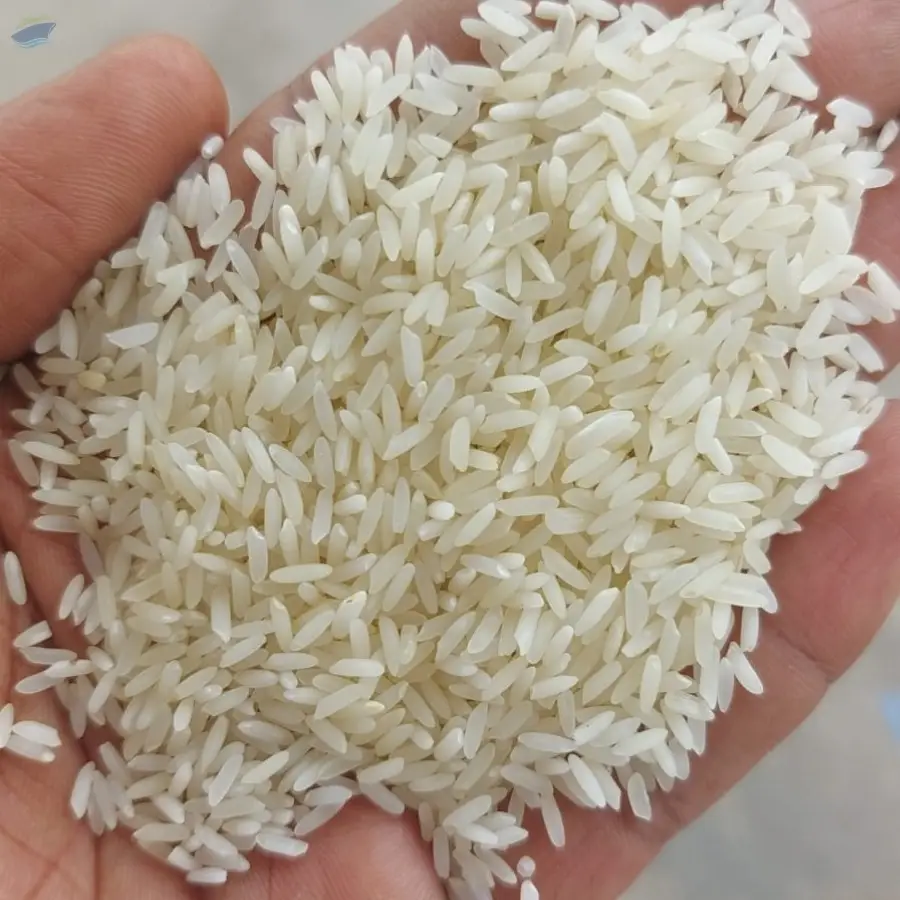
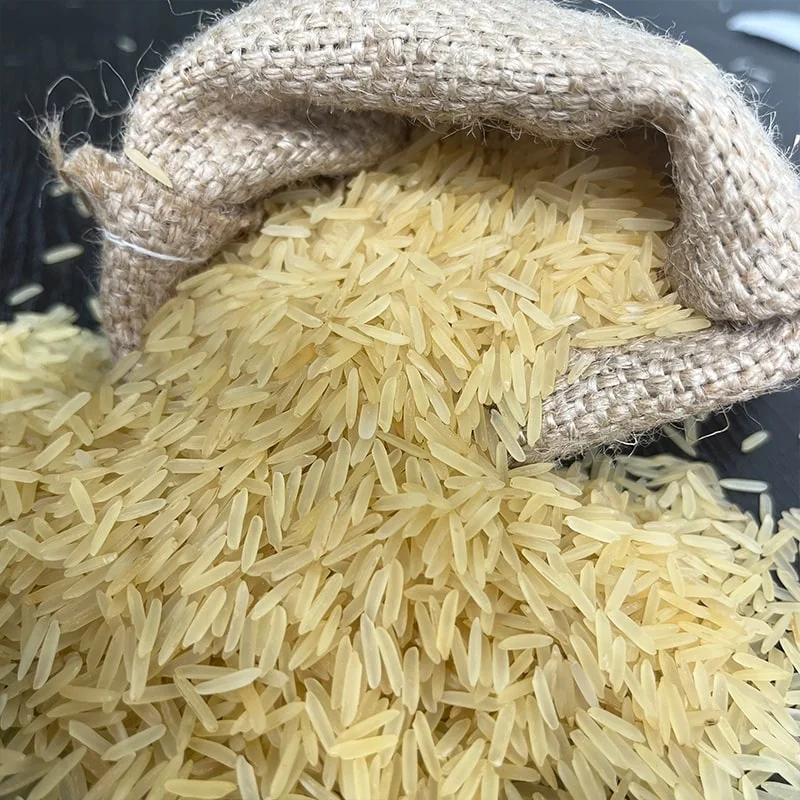
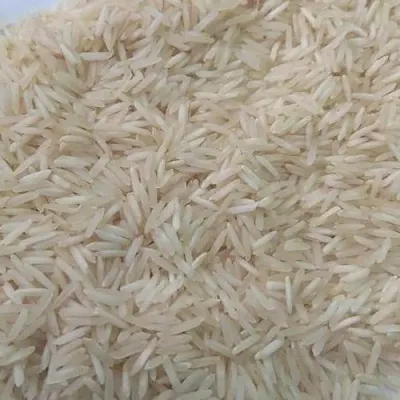
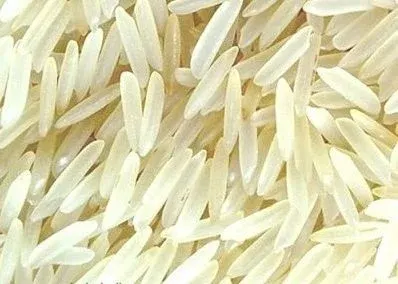
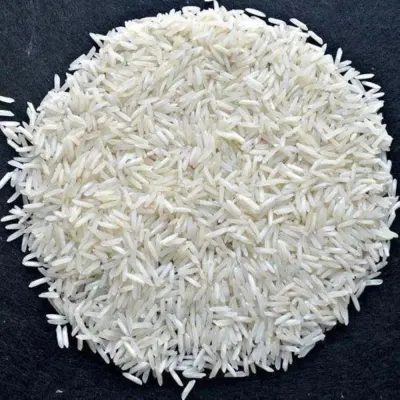
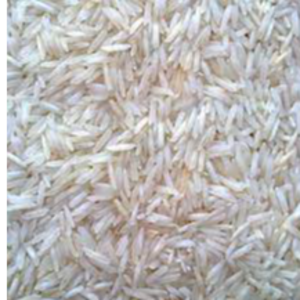
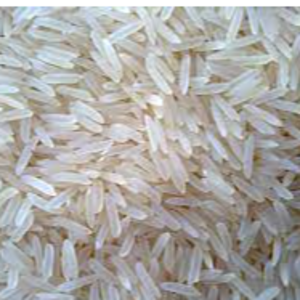
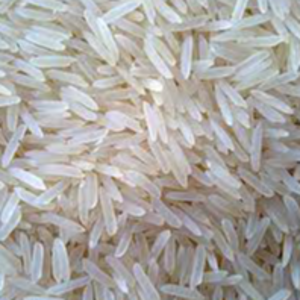
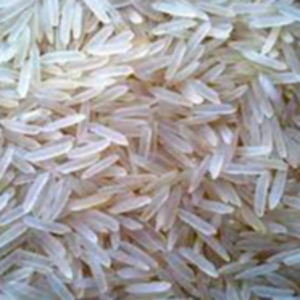
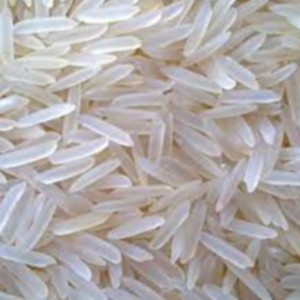
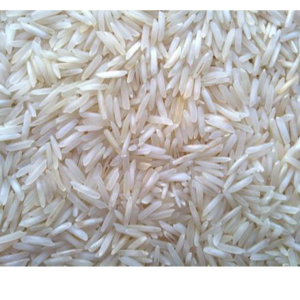
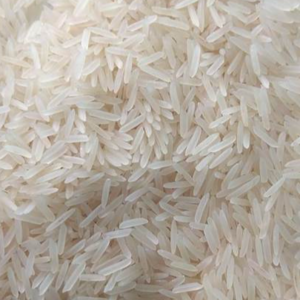
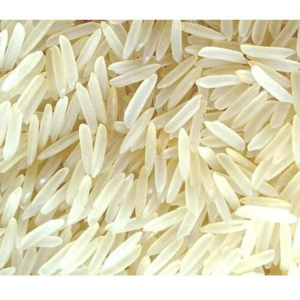
India, Pilibhit in Uttar Pradesh hosts shri laxmibadri agro foods private limited, which lists eleven active products in its catalogue. The catalogue is centred on premium long‑grain basmati rice varieties - including 1509 steam, dubar, tibar, biryani, golden sella, 1121 mogra, mogra dubar and sugandha - all classified under HS code 1006.30 and described as polished or milled Oryza sativa. In addition, the supplier offers a mixed dehydrated dry‑fruit line (apple, banana, orange, mango, grape) recorded under HS code 0813.40. Each rice entry specifies the grain type (e.g., extra long grain, aromatic) and the dry‑fruit entry specifies the material composition.
The product list does not extend beyond the eleven items, and no other commodity families are mentioned. All rice items share the same HS code family for milled basmati rice, while the dry‑fruit line falls under the HS chapter for nuts and dried fruit. The supplier’s catalogue therefore concentrates on two HS‑code groups: 1006.30 for basmati rice and 0813.40 for mixed dehydrated fruits.
Product Range and Specialties of shri laxmibadri agro foods private limited
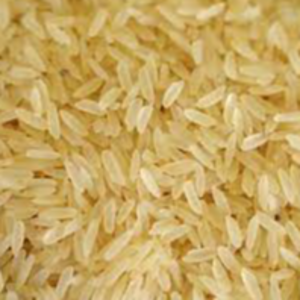
The rice portfolio covers several well‑known Indian basmati cultivars. In the global market, 1509 and 1121 basmati are graded by grain length (typically 6.5 - 7.0 mm for 1509 and 6.2 - 6.5 mm for 1121), aroma intensity measured by 2‑acetyl‑1‑pyrroline, moisture content below 14 % and broken grain under 5 %. Sella (parboiled) basmati such as the "Golden sella" variant is usually marketed with a moisture level of 12‑14 % and a higher husk‑to‑grain ratio to preserve texture. The dry‑fruit mix is commonly shipped in 25 kg jute or polypropylene bags, with moisture limits of 12 % or lower, and size grading according to fruit type. Standard HS‑code 1006.30 covers all milled basmati varieties, while HS‑code 0813.40 captures mixed dehydrated fruits, both of which are recognised by customs as distinct commodity groups.
Trade and Export Information - shri laxmibadri agro foods private limited
Indian basmati rice (HS 1006.30) is a staple export to the Gulf Cooperation Council, the United Kingdom, Germany, the United States and Southeast Asian markets. Export shipments typically use 20‑ft or 40‑ft containers loaded with 20‑25 MT of rice, packed in polypropylene bulk bags or jute sacks. Buyers usually request phytosanitary certificates, an Export Inspection Agency (EIA) clearance, and, where applicable, organic certification (e.g., NPOP) because the supplier is listed as an organic tier. For dry fruits (HS 0813.40) the main import destinations are the European Union, the United States and the Middle East; shipments are often containerised in 25 kg bags with a moisture content below 12 % and accompanied by a sanitary certificate, fumigation certificate and, when required, a HACCP or BRC audit report. Standard Incoterms such as FOB Pilibhit or CIF destination ports are used for both commodity groups.
Sourcing from shri laxmibadri agro foods private limited - Buyer Guidance
When sourcing basmati rice from this supplier, request a laboratory analysis covering grain length, moisture, broken grain percentage and pesticide residues (e.g., organophosphates, carbamates). Verify that the supplied rice matches the stated variety (1509, 1121, Sugandha, etc.) and that the HS code on the commercial invoice aligns with 1006.30. For the dry‑fruit mix, ask for a moisture test, microbial count (e.g., total plate count), aflatoxin screening and a product specification sheet that lists fruit composition percentages. Request copies of the phytosanitary certificate, export inspection clearance and any organic or HACCP certifications before confirming the order. Confirm packaging details (bag size, liner type) and container loading plan to avoid moisture ingress during transit.
Frequently Asked Questions About shri laxmibadri agro foods private limited
What rice varieties does shri laxmibadri agro foods private limited list in its catalogue?
The catalogue includes 1509 steam, dubar, tibar, biryani, golden sella, 1121 mogra, mogra dubar, and Sugandha basmati, all classified under HS code 1006.30.
Which HS code is used for the dry‑fruit product?
The mixed dehydrated fruit line is recorded under HS code 0813.40.
What are the typical quality specifications for Indian basmati rice?
Basmati rice is generally expected to have grain length of 6.2‑7.0 mm, moisture ≤14 %, broken grain ≤5 %, aroma measured by 2‑acetyl‑1‑pyrroline, and an ICUMSA colour grade between 45 and 70.
What certifications should a buyer request for these products?
Buyers should request a phytosanitary certificate, Export Inspection Agency clearance, and, if the supplier claims organic status, an NPOP organic certificate. HACCP or BRC audit reports are common for dry fruits.
What packaging formats are typical for the listed rice products?
Indian basmati rice is usually packed in 25 kg polypropylene bulk bags or jute sacks, loaded in 20‑ft or 40‑ft containers, while dry fruits are also shipped in 25 kg bags with moisture‑proof liners.
What is the usual minimum order quantity (MOQ) for basmati rice shipments?
Exporters often set an MOQ of one full container load, roughly 20‑25 metric tonnes, which corresponds to about 800‑1,000 bags of 25 kg each.
Which Incoterms are commonly used for shipments from Pilibhit?
FOB Pilibhit and CIF destination ports are the standard Incoterms applied to both rice and dry‑fruit exports from this region.




 Pilibhit, India







.jpg.png)