Shenzhen Sopower Technology Co., Ltd. — Verified Supplier
About Shenzhen Sopower Technology Co., Ltd. - DC, AC Inverters & Converters Supplier in China
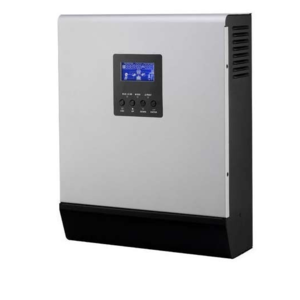
Shenzhen, China hosts Shenzhen Sopower Technology Co., Ltd., which currently lists eight active products in its catalogue. The company focuses on DC and AC inverters and converters, offering items such as a 1500 VA solar inverter with a 40 A MPPT charge controller, a 3000 W 48 V DC‑to‑120 V/230 V AC inverter charger, and a 2 kW home inverter with 40 A/60 A solar/AC charging capability. Two of the listed items - a 1 kW‑6 kW pure sine‑wave inverter charger and an off‑grid hybrid solar inverter - are classified under HS code 8504.40, which covers electronic components with aluminum heat‑sink and copper windings, or steel housing with PCB, IGBT and ferrite‑core transformer assemblies. The remaining models cover hybrid, off‑grid and high‑power configurations ranging from 1 kW to 6 kW output, all within the DC‑to‑AC conversion segment.
The catalogue includes a 6000 W 24 VDC‑230 V AC solar power inverter charger, a 4000 W 24 V DC‑to‑230 V hybrid inverter, an off‑grid 1000 W 12 VDC‑to‑110 VAC inverter charger, and several pure‑sine‑wave units. Product descriptions reference MPPT solar charge capability, dual‑voltage input ranges (12 V, 24 V, 48 V) and output standards (120 VAC, 230 VAC). The listed specifications align with typical industry practice for off‑grid and hybrid solar solutions, where efficiency above 90 % and total harmonic distortion (THD) below 3 % are common performance targets. All eight items fall under the broader HS chapter 85 for electrical machinery, specifically the 8504 sub‑heading for static converters.
Product Range and Specialties of Shenzhen Sopower Technology Co., Ltd.
The eight products span residential, commercial and off‑grid solar applications. Capacities range from 1 kW to 6 kW, with input voltages of 12 V, 24 V or 48 V DC and standard AC outputs of 120 V or 230 V. Typical industry grades for such inverters include pure sine‑wave output, MPPT charge‑controller efficiency of 95 % or higher, and protection features such as over‑voltage, over‑current and temperature shutdown. Materials cited in the catalogue - aluminum heat‑sinks with copper windings, and steel housings containing PCB, IGBT modules and ferrite‑core transformers - match the common construction of high‑current power converters used in solar installations.
Trade and Export Information - Shenzhen Sopower Technology Co., Ltd.
China is a leading exporter of solar power conversion equipment, and the HS code 8504.40 is routinely used for static converters that incorporate electronic components. Major importing regions for these products include the European Union, North America and Southeast Asia, where renewable‑energy projects and off‑grid settlements drive demand. Buyers typically require compliance with IEC 62109 (safety) and IEC 61683 (performance), as well as CE or UL certification depending on the destination market. Export shipments from Shenzhen are usually packed in wooden crates or corrugated boxes, consolidated into 20‑ft or 40‑ft containers, and traded on FOB Shenzhen or CIF destination terms.
Sourcing from Shenzhen Sopower Technology Co., Ltd. - Buyer Guidance
When sourcing from this supplier, buyers should request the inverter’s efficiency curve, THD measurement, and MPPT voltage‑current characteristics. Relevant test reports - IEC 62109 safety test, IEC 61683 performance test, and any CE or UL certification documents - should be obtained before finalising orders. Verify the material specifications (aluminum heat‑sink, copper winding gauge, steel housing thickness) against the listed product data, and confirm packaging dimensions to ensure container loading compatibility. Typical minimum order quantities for inverter units range from one to ten pieces, with lead times of four to six weeks after receipt of a signed purchase order and approved test documentation.
Frequently Asked Questions About Shenzhen Sopower Technology Co., Ltd.
What voltage inputs are supported by the listed inverters?
The catalogue includes models that accept 12 V, 24 V or 48 V DC input, matching the standard battery banks used in residential and off‑grid solar systems.
Which output waveforms are provided?
All listed inverter models are described as pure sine‑wave converters, delivering either 120 V or 230 V AC output according to the target market.
What HS code applies to the 1 kW‑6 kW inverter charger?
The 1 kW‑6 kW pure sine‑wave inverter charger is classified under HS code 8504.40, covering electronic components with aluminum heat‑sink and copper windings.
Are there any certifications that buyers should request?
Buyers should ask for IEC 62109 safety test reports, IEC 61683 performance test reports, and any CE or UL certification that the supplier can provide for each inverter model.
What are the typical packaging and shipping methods?
Inverters are usually packed in reinforced wooden crates or bulk‑filled corrugated boxes, consolidated into 20‑ft or 40‑ft containers, and shipped on FOB Shenzhen or CIF terms.
How can a buyer obtain a sample for testing?
A buyer can request a single unit as a performance sample; the supplier generally ships samples with the same packaging and documentation as bulk orders, allowing verification of efficiency, THD and voltage compatibility.
What is the usual lead time for a bulk order?
Lead times are commonly four to six weeks after the purchase order is confirmed and required test reports are approved, subject to production scheduling.
Is it possible to customize the inverter housing material?
The catalogue lists aluminum heat‑sink with copper windings or steel housing with PCB and IGBT modules; any material changes would need to be negotiated as a special engineering request.




 , China