Shenzhen SMART PON Technology Co., Ltd — Verified Manufacturer & Wholesale Supplier
About Shenzhen SMART PON Technology Co., Ltd - Networking & Internet Peripherals Supplier in China
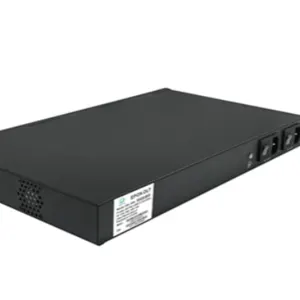
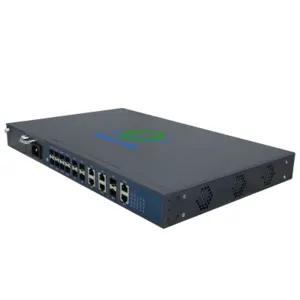
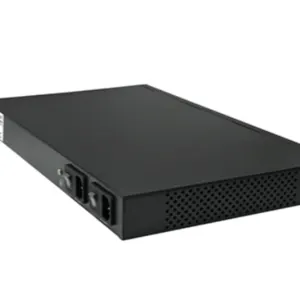
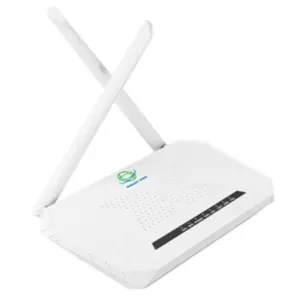
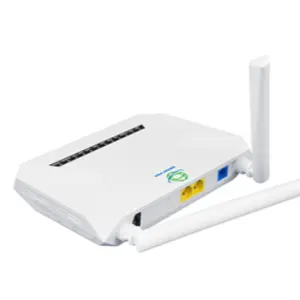
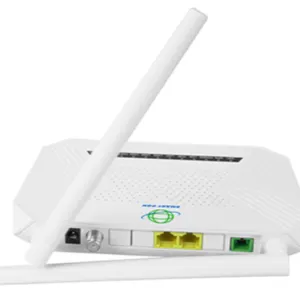
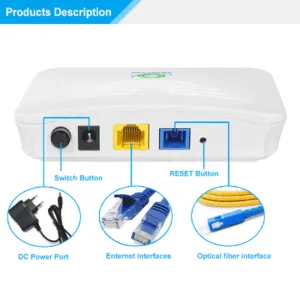
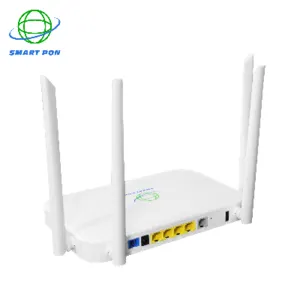
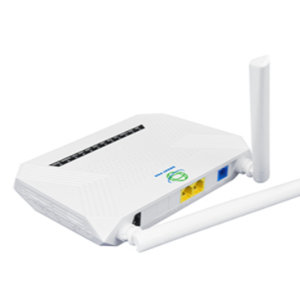
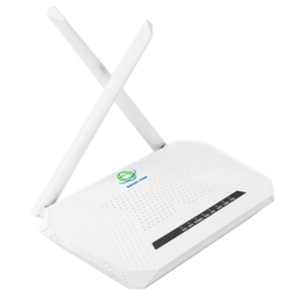
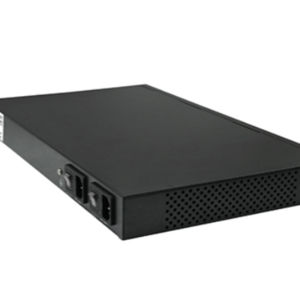
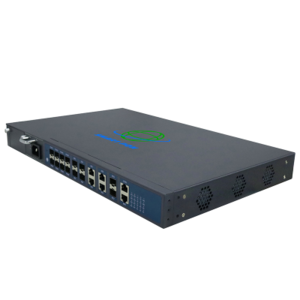
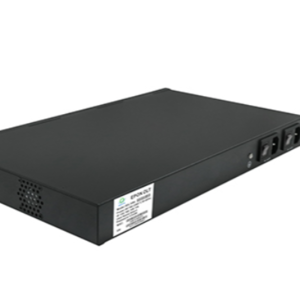
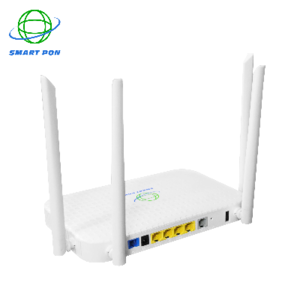
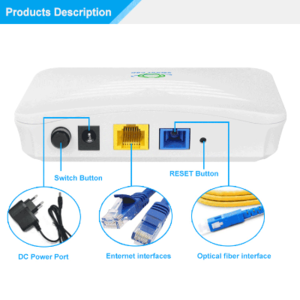
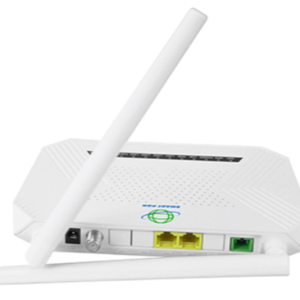
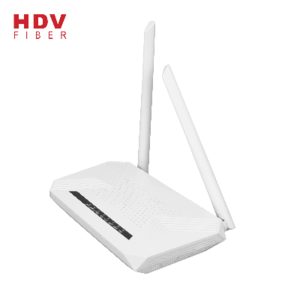
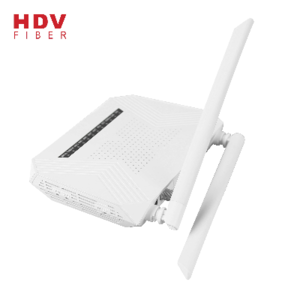
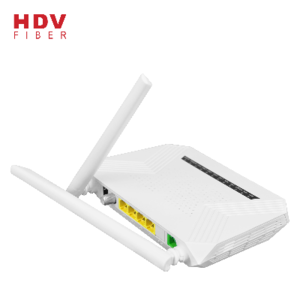
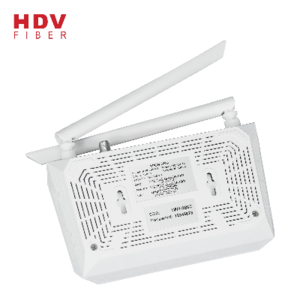
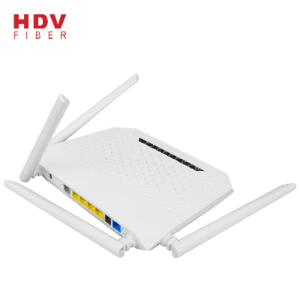
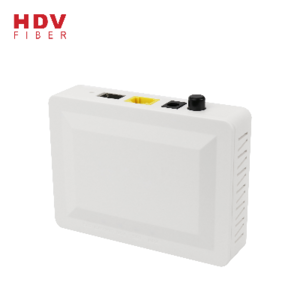
China, Guangdong province hosts Shenzhen SMART PON Technology Co., Ltd, which lists eight active products in its catalogue. The company focuses on networking and internet peripherals, offering optical network units (ONUs) and optical line terminals (OLTs) that integrate PON and IoT functions. The eight items include four variants of FTTH X‑PON ONUs with 1 GE, 1 FE, Wi‑Fi and CATV ports, a 4 GE+AC Wi‑Fi ONU, and three OLT models (4‑port EPON, 8‑port EPON, 8‑port GPON) with web‑based management interfaces. All eight products are classified under HS code 8517.62, covering apparatus for transmission or reception of voice, images or other data in wired or wireless networks. Materials cited range from ABS plastic housings and FR‑4 PCBs to steel chassis and aluminum heat sinks.
The listed top categories span Networking & Internet Peripherals, Wireless EPBX, Adaptors, Modems, Communication Devices, RF Systems, Mobile Phones & Accessories, and Power Saving Devices. Each product entry specifies the primary material composition and the HS code, allowing buyers to match technical requirements with customs documentation. The catalogue’s focus on ONU and OLT equipment reflects typical Chinese export portfolios for broadband access infrastructure.
Product Range and Specialties of Shenzhen SMART PON Technology Co., Ltd
The catalogue’s four ONU models combine Ethernet interfaces (1 GE, 1 FE) with Wi‑Fi (802.11b/g/n) and optional CATV output, a configuration common in fiber‑to‑the‑home deployments. Industry standards such as ITU‑T G.984 (GPON) and G.989 (XG‑PON) govern downstream rates up to 2.5 Gbps and upstream rates up to 1.25 Gbps, while thermal design often targets operating temperatures from - 40 °C to +70 °C. The OLT series feature metal or steel chassis, four or eight ports, and integrated network management servers (NMS) accessed via web GUI, aligning with typical carrier‑grade specifications that require redundancy, PoE support, and compliance with IEC 61850 for communication protocols. Buyers usually look for Ethernet MAC address tables, optical power budget (‑28 dBm to +2 dBm), and firmware upgrade capabilities; these parameters are standard expectations for the listed equipment.
Trade and Export Information - Shenzhen SMART PON Technology Co., Ltd
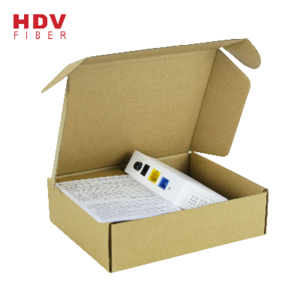
Exporters of PON equipment from China frequently ship to Eurasian, Middle‑Eastern and African telecom markets, where the demand for broadband expansion drives imports of ONUs and OLTs. HS code 8517.62 places the products under the broader “telephone sets and other apparatus for transmission or reception of voice, images or other data” chapter, which is subject to customs duties that vary by destination but often benefit from preferential trade agreements such as the China‑ASEAN Free Trade Area. Typical certifications requested by overseas buyers include CE marking for the European Economic Area, FCC Part 15 for the United States, RoHS compliance for hazardous substances, and IEC 60950‑1 safety approval. Packaging commonly involves anti‑static poly‑foam inserts within double‑wall cardboard boxes, sized to fit 20‑foot or 40‑foot containers with a loading density of approximately 150 kg per cubic meter. Incoterms such as FOB Shenzhen or CIF major ports are standard for bulk shipments of network gear.
Sourcing from Shenzhen SMART PON Technology Co., Ltd - Buyer Guidance
When sourcing these ONUs or OLTs, buyers should request a conformity test report covering IEC 60950‑1 safety, RoHS declaration, and performance metrics such as downstream/upstream throughput, optical loss budget, and power consumption (typically 5 W to 15 W per unit). A sample unit for field testing can verify firmware stability, web GUI responsiveness, and compatibility with existing GPON or EPON OLT infrastructure. Verify that the supplier can provide CE or FCC test certificates before order confirmation; lack of such documents often signals a higher risk of non‑compliance in regulated markets. Additionally, confirm the packaging dimensions, weight per unit, and whether the steel chassis models meet ISO 9001 quality management standards, which many importers request as part of supplier qualification.
Frequently Asked Questions About Shenzhen SMART PON Technology Co., Ltd
What types of PON equipment does Shenzhen SMART PON Technology list in its catalogue?
The catalogue includes four FTTH X‑PON ONU models with various Ethernet, Wi‑Fi and CATV configurations, a 4 GE+AC Wi‑Fi ONU, and three OLT models (4‑port EPON, 8‑port EPON, 8‑port GPON) that provide web‑based management interfaces.
Which HS code is applied to all listed products?
All eight products are classified under HS code 8517.62, which covers apparatus for the transmission or reception of voice, images or other data in wired or wireless networks.
What material constructions are disclosed for the ONUs?
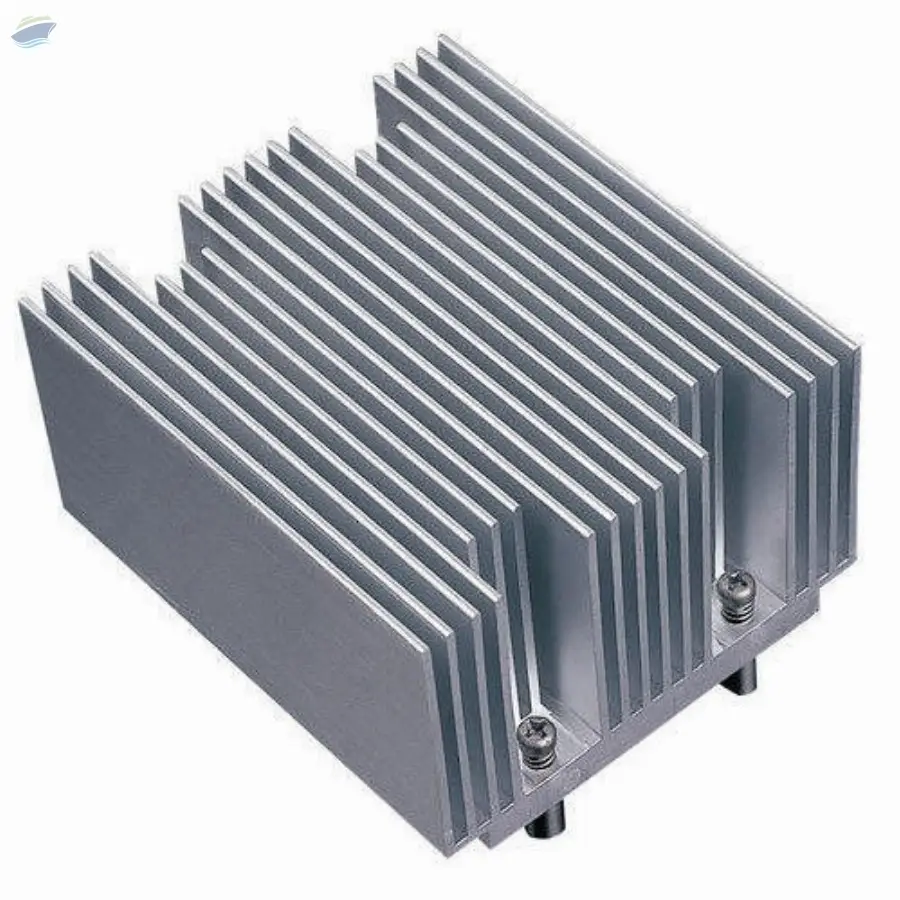
Materials mentioned include ABS plastic housings, FR‑4 PCBs, aluminum heat sinks, and PC/ABS blends combined with fiber‑optic transceiver modules.
What certifications should a buyer request for these networking devices?
Buyers typically request CE marking for European markets, FCC Part 15 for the United States, RoHS compliance for hazardous substances, and IEC 60950‑1 safety test reports.
What are common technical specifications buyers verify for ONUs?
Buyers verify Ethernet port speeds (1 GE, 1 FE), Wi‑Fi standards (802.11b/g/n), downstream/upstream optical power budgets (‑28 dBm to +2 dBm), and power consumption ranges of 5 W to 15 W.
What packaging and shipping formats are standard for these items?
Standard packaging uses anti‑static foam inserts inside double‑wall cardboard boxes, loaded into 20‑ft or 40‑ft containers with an average density of about 150 kg per cubic meter, often shipped under FOB Shenzhen or CIF destination ports.
What lead times are typical for bulk orders of the OLT models?
Manufacturers in Guangdong commonly quote a production lead time of 30‑45 days for 8‑port OLT units after receipt of a confirmed purchase order and required certification documents.
How can a buyer obtain a sample for field testing?
Buyers can request a single unit sample, specifying the desired ONU or OLT model, and the supplier usually ships the sample under a small‑parcel service with the buyer covering freight costs.




 , China