Sapthsathi Organic Agriculture Project — Verified Supplier

About Sapthsathi Organic Agriculture Project - Dehydrated Spices Supplier in India

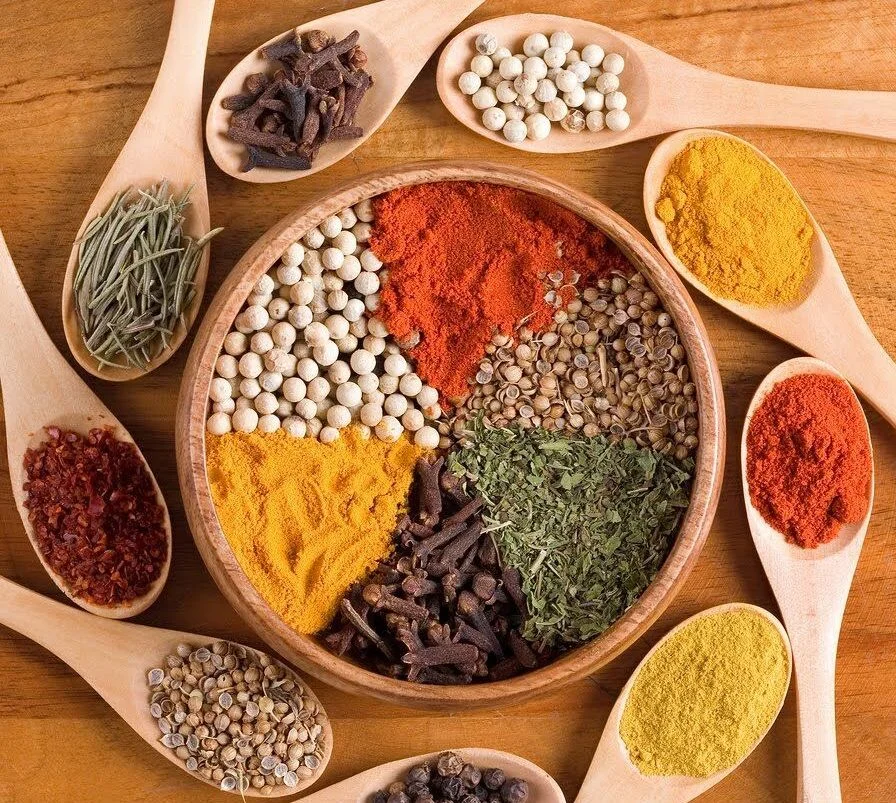
Sapthsathi Organic Agriculture Project is an India-based supplier operating with an active catalogue of 7 products, with dehydrated spices listed as its primary category. The company's listing spans organic agricultural produce rather than processed spice powders, covering oilseeds (organic soybean, organic soybean meal), cereals (organic wheat), a spice raw material (organic cloves), a fibre crop (organic cotton), and fresh fruits (organic tomatoes, organic apple). The mix reflects a farm-gate organic supplier rather than a spice-processing house, with cloves being the only direct spice raw material in the line-up. Buyers reviewing the catalogue should note that the spice-relevant HS chapter is 0904 (pepper, capsicum or pimenta, vanilla, cinnamon, cloves), while the other items fall under chapters 1201 (soybeans), 1103 (cereal groats, flakes; soybean meal is classified under 2304), 1001 (wheat), 5201 (cotton), and 0702/0808 (tomatoes, apples).

The supplier's origin is India, one of the world's largest producers and exporters of organic agricultural commodities, with the country holding 2.66 million hectares of certified organic farming area and ranking among the top five global organic producers. Indian organic exports are dominated by oilseeds, cereals, cotton, spices and fresh/processed fruits, the exact categories that overlap with this supplier's catalogue. The presence of soybean meal alongside whole soybeans suggests the supplier works with both food-grade and feed-grade organic output, which is a common dual-track arrangement for Indian organic processors serving both human consumption and livestock feed channels.

Product Range and Specialties of Sapthsathi Organic Agriculture Project

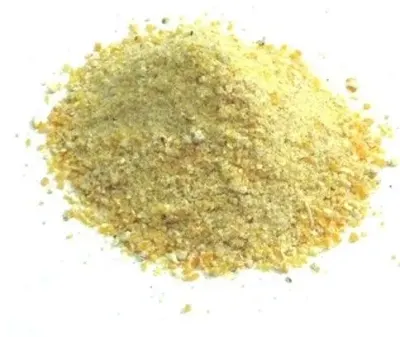
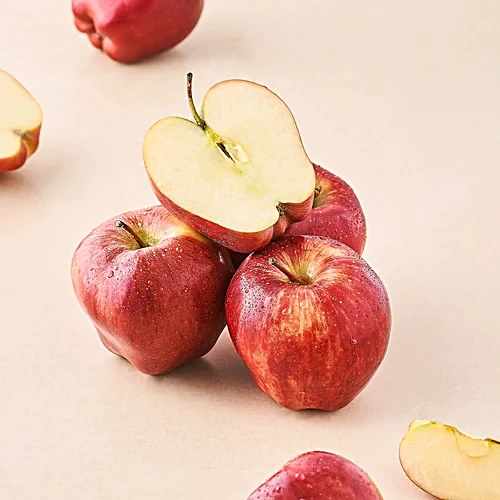
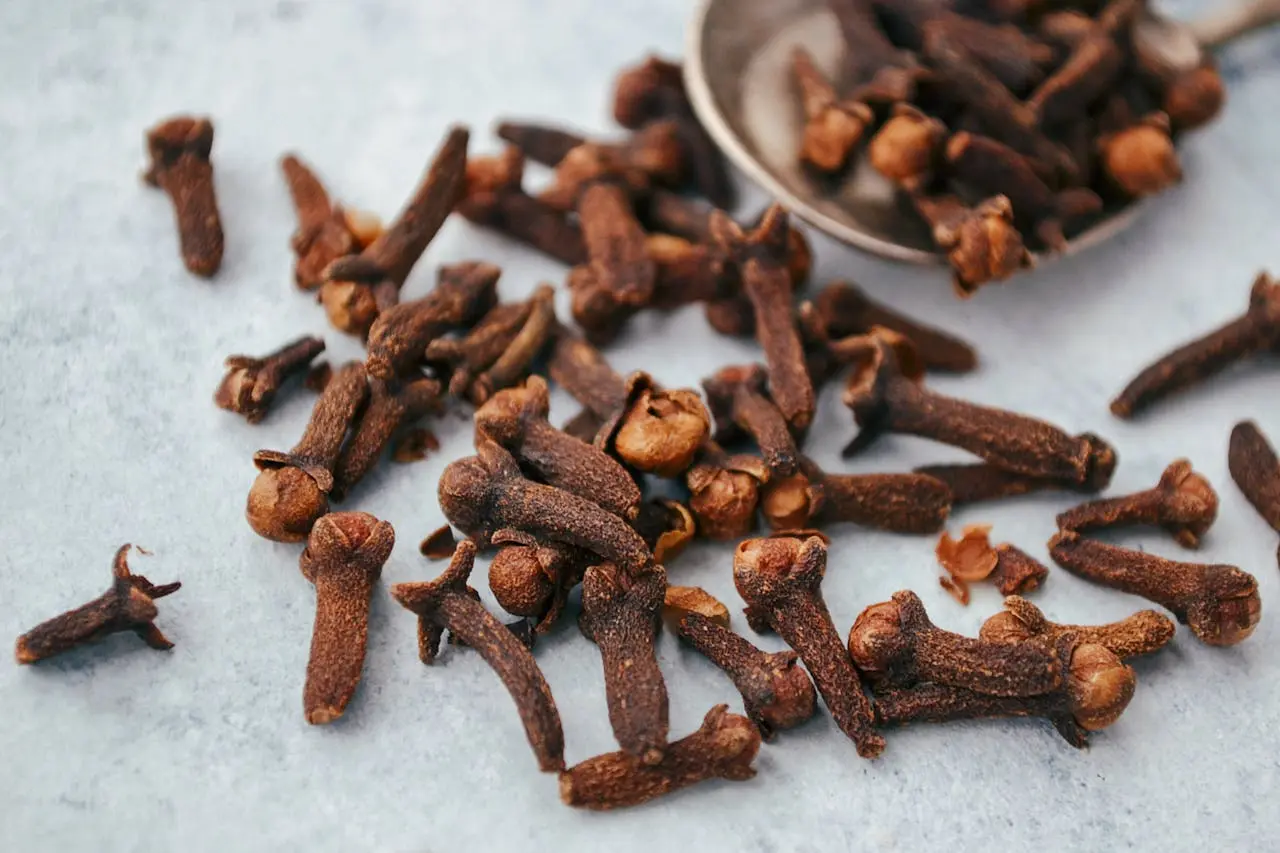
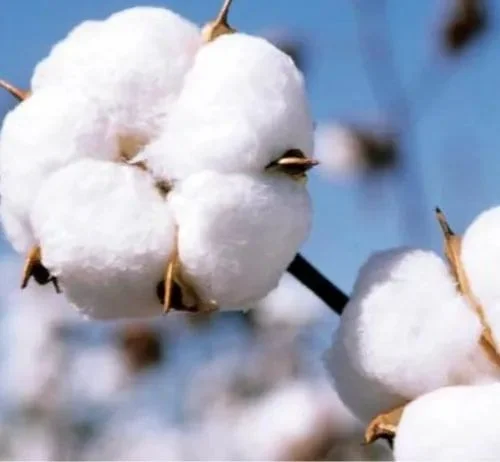
The catalogue of 7 products covers six distinct agricultural categories. Organic soybean (HS 1201) and organic soybean meal (HS 2304) form the oilseed cluster; organic wheat (HS 1001) is the cereal entry; organic cloves (HS 0904) is the single spice raw material; organic cotton (HS 5201) covers the fibre line; and organic tomatoes (HS 0702) and organic apple (HS 0808) round out the fresh produce segment. Across these categories, organic certification typically refers to compliance with NPOP (National Programme for Organic Production) in India, or with EU 2018/848, USDA NOP, or JAS for export markets, and buyers should confirm which standard each shipment is certified to. For organic soybean, common buyer specifications include non-GMO verification, moisture content below 12%, protein content of 36-40% for food grade, and broken-grain limits under 5%; organic soybean meal typically specifies 46-48% crude protein, 3-5% fibre, and moisture below 11%. Organic wheat grades in India typically follow AGMARK or Indian Food Codex standards, with protein levels of 11-13%, test weight of 78-82 kg/hl, and moisture under 12%; for export, US No. 2 or better, or EU intervention grade, is commonly requested. Organic cloves are graded by size (Kribibo, Madagascar, Zanzibar types), with eugenol content above 80%, headless and stem ratios, and moisture below 12% being standard buyer parameters. Organic cotton buyers typically ask for staple length (26-32 mm for medium staple, 32+ mm for long staple), micronaire 3.5-4.9, and strength above 25 g/tex. Organic tomatoes and apples are graded by size class, brix level (apples typically 11-14% brix), and residue-free verification.

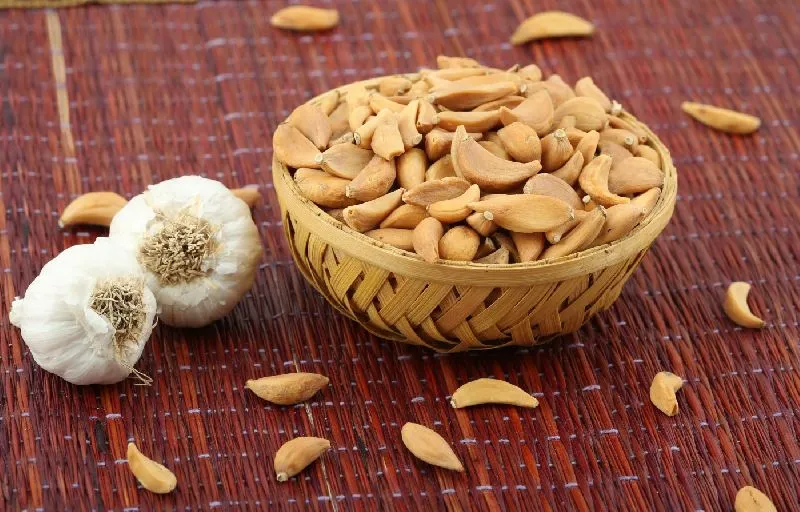
Across the range, the common thread is organic certification plus commodity-grade specifications, with buyers in food processing, oil crushing, animal feed, textile spinning, and fresh produce distribution being the typical end-markets. For dehydrated spices specifically, while this supplier lists only raw organic cloves rather than dehydrated clove powder or flakes, the broader Indian dehydrated spice industry typically processes items like dehydrated onion, garlic, ginger, and chilli under HS 0712 (dried vegetables) and 0904 (spices), with moisture levels under 8%, total ash limits, and aerobic plate counts below 10^5 cfu/g being standard buyer requirements. Buyers sourcing from an Indian organic supplier with this product mix should expect to see certifications such as NPOP, EU Organic, USDA NOP, and possibly Fair Trade or GlobalG.A.P. for the fresh produce lines, and should request the specific scope and validity of each certificate.

Trade and Export Information - Sapthsathi Organic Agriculture Project

India is the world's largest producer of spices, the largest producer of milk and pulses, and the second-largest producer of fruits and cotton, and it is among the top five exporters of organic products globally. Indian organic exports in the categories represented by this supplier typically flow to the European Union (Germany, Netherlands, UK, France), the United States, Canada, Australia, Japan, and the Gulf Cooperation Council countries, with the EU and US together accounting for the majority of organic shipments. The relevant HS code families for this catalogue are 0904 (cloves), 1201 (soybeans), 2304 (soybean meal), 1001 (wheat), 5201 (cotton), 0702 (tomatoes), and 0808 (apples), and goods in these chapters commonly require a phytosanitary certificate (issued by India's Plant Quarantine division), a certificate of origin (under various FTAs including the India-EU GSP, India-US, and India-Japan CEPA), and an organic transaction certificate (TC) issued by an APEDA-accredited certification body. For cotton, a textile committee certificate may be required by some importing countries; for fresh produce, cold-chain integrity and pre-shipment inspection under the destination country's plant health regulations (e.g., USDA APHIS for the US, EU TRACES for the EU) are standard requirements.

Shipping norms for these categories typically involve 20 ft and 40 ft dry containers for bagged grains, oilseeds and meals (with 25 kg, 50 kg, or 1 MT jumbo bags as standard pack sizes), 20 ft reefer containers for fresh tomatoes and apples (maintained at 0-4 degrees C for apples, 8-12 degrees C for tomatoes), and compressed bales of 170-220 kg for cotton in 40 ft containers. Incoterms commonly used by Indian organic exporters are FOB Mumbai/Mundra/Chennai/Kandla, CIF, and CFR, with Mundra and Nhava Sheva being the dominant container ports for organic agricultural exports. Indian exporters of organic soybeans and soybean meal typically ship to Southeast Asian feed processors and European food-grade crushers; organic wheat flows largely to the EU under GSP and to Gulf flour mills; organic cloves from India are exported to Indonesia, the UAE, and European spice processors; and organic cotton is shipped primarily to Bangladesh, Vietnam, Turkey, and European textile mills. Buyers should confirm fumigation status (India's methyl bromide fumigation requirements can conflict with organic certification in destination markets) and request pre-shipment analysis reports covering moisture, protein, foreign matter, and microbial load as standard.

Sourcing from Sapthsathi Organic Agriculture Project - Buyer Guidance

Buyers sourcing from Sapthsathi Organic Agriculture Project should begin by requesting the supplier's organic certification scope and the specific certification body (e.g., Control Union, ECOCERT, OneCert, Lacon, or APEDA-accredited Indian agencies), along with the certificate's validity period and the list of certified products and farms. For each of the seven products, a current Certificate of Analysis (CoA) should be requested covering the category-specific parameters: protein and oil content for soybeans, protein and crude fibre for soybean meal, protein and test weight for wheat, eugenol content and volatile oil for cloves, staple length and micronaire for cotton, and brix and size grade for the fresh produce. Buyers should also ask for a Transaction Certificate (TC) issued by the certification body for each export shipment, as this is the document accepted by EU and US customs to apply the organic import tariff treatment. Non-GMO verification is particularly important for soybeans, and buyers should request a PCR test report or non-GMO project verification. For cotton, buyers should ask for HVI (High Volume Instrument) test reports, and for fresh produce, residue analysis against EU MRLs or US EPA tolerances should be requested.

Before issuing a purchase order, buyers should confirm minimum order quantities (MOQs), which for organic Indian commodities typically range from 1 to 25 MT depending on the product and packaging, and lead times, which usually run 15-30 days for in-stock processed goods and 30-60 days for fresh produce subject to harvest cycles. Payment terms commonly seen with Indian organic exporters include 30% advance against proforma invoice with 70% against copy of B/L, or 100% LC at sight, and buyers should confirm which form of payment the supplier accepts. Third-party pre-shipment inspection by agencies such as SGS, Bureau Veritas, or Intertek is standard for first-time orders, and buyers should consider booking this independently. The supplier's harbour trust tier indicates it is a newly listed or partially verified entity on the platform, so buyers should treat the initial transaction with extra diligence: request references from past buyers where possible, verify the certification body's public register entry for the supplier, and consider starting with a smaller trial container order before scaling up to multi-container volumes.

Frequently Asked Questions About Sapthsathi Organic Agriculture Project

What product categories does Sapthsathi Organic Agriculture Project supply?

The supplier lists 7 active products spanning organic soybean, organic soybean meal, organic wheat, organic cloves, organic cotton, organic tomatoes, and organic apple. The primary category tag is dehydrated spices, though the catalogue is broader and includes oilseeds, cereals, fibre, and fresh produce alongside the single spice raw material (cloves).

Which organic certification should I request from this Indian supplier?

Ask for the specific certification standard (NPOP, EU 2018/848, USDA NOP, or JAS), the name of the accredited certification body, the certificate number, and its validity period. For shipments to the EU or US, also request a Transaction Certificate (TC) issued by the same certification body, as this is the document accepted by customs for organic import clearance.

What specifications are typical for organic soybean and soybean meal from India?

Organic food-grade soybean is commonly specified at 36-40% protein, moisture below 12%, foreign matter below 1%, and non-GMO verified. Organic soybean meal for feed is typically traded at 46-48% crude protein, 3-5% crude fibre, and moisture below 11%, with aflatoxin testing against destination market limits.

What documents should I request for an organic wheat or clove shipment?

For organic wheat, request protein content (typically 11-13%), test weight (78-82 kg/hl), moisture below 12%, and a phytosanitary certificate from India's Plant Quarantine authority. For organic cloves, request eugenol content above 80%, headless and stem ratios, moisture below 12%, and a volatile oil percentage test report, along with the organic Transaction Certificate.

What is the typical MOQ and lead time for Indian organic agricultural exports?

MOQs for organic Indian commodities usually range from 1 MT to 25 MT depending on the product, with smaller MOQs common for fresh produce and spices, and larger MOQs for grains, meals, and cotton. Lead times are typically 15-30 days for in-stock processed items and 30-60 days for fresh produce tied to harvest cycles, plus ocean transit of 20-40 days depending on the destination region.

Which packaging and shipping options are standard for these product categories?

Bagged grains, oilseeds, and meals typically ship in 25 kg, 50 kg, or 1 MT jumbo bags inside 20 ft or 40 ft dry containers. Fresh tomatoes and apples require 20 ft or 40 ft reefer containers with temperature logging (0-4 degrees C for apples, 8-12 degrees C for tomatoes). Organic cotton is compressed into 170-220 kg bales and loaded into 40 ft containers, with Indian exporters commonly quoting FOB Mundra or Nhava Sheva.

How should I verify the supplier's organic status before placing an order?

Cross-check the supplier's name and certification number on the public register of the stated certification body (Control Union, ECOCERT, OneCert, Lacon, or other APEDA-accredited agencies). Request a copy of the current scope certificate listing all certified products and farms, and confirm that the Transaction Certificate for each shipment is issued by the same body. Independent third-party pre-shipment inspection by SGS, Bureau Veritas, or Intertek is recommended for first orders.

What are the typical destination markets for Indian organic soybean, wheat, and cotton?

Indian organic soybean and soybean meal are commonly shipped to Southeast Asian feed processors and European food-grade crushers. Organic wheat flows largely to the EU under GSP preferences and to Gulf flour mills. Organic cotton from India is exported primarily to Bangladesh, Vietnam, Turkey, and European textile mills, while organic spices including cloves are typically shipped to Indonesia, the UAE, and European spice processors.


Featured Products from this Supplier

Other Suppliers in Primary Category

Top Trusted Suppliers

Related Products

Trending in Parent Category

More Suppliers in Category

Related Products

Other Suppliers

EximNext
58.7K+ live requirements
Register Free🎁 Reach verified global buyers
Post Requirement
🌍 Trusted by 224.9K+ businesses in 200+ countries|
58.7K+ active requirements right now
✉️ [email protected]
|
Sell on EximNextPost Requirement
EximNext
AgricultureApparelConstructionElectronicFoodHomeIndustrialMineralsMiscellaneous
🔥 Deals|✨ AI Match|🏭 Suppliers|📋 Buy Leads|💰 Trade Finance
58.7K+ live RFQs·194.8K+ suppliers
🎁 Reach global buyers →
EximNext
EximNext
Register Free
🎁 Reach verified global buyers
Sign In
📋Post Requirement💬Get Quotes✨AI Match📋RFQ Marketplace
All Categories
Services & Tools
🏭Supplier Directory🔥Today's Deals💰Trade Finance
Sell on EximNext →
AboutContactBlogHelp
Agriculture & Food  ·  India
7
products listed

Sapthsathi Organic Agriculture Project

⚓ Harbor
Country flag , India
🛡️
55/100
Trust Score

Sapthsathi Organic Agriculture Project Product Catalog

Showing 7 of 7 products
View all products →
Organic soybean meal
⚓ Harbor
Organic soybean meal
Contact
MOQ: 1 Unit
Organic Apple
⚓ Harbor
Organic Apple
Contact
MOQ: 1 Unit
Organic cotton
⚓ Harbor
Organic cotton
Contact
MOQ: 1 Unit
Organic Tomatoes
⚓ Harbor
Organic Tomatoes
Contact
MOQ: 1 Unit
Organic cloves
⚓ Harbor
Organic cloves
Contact
MOQ: 1 Unit
Organic wheat
⚓ Harbor
Organic wheat
Contact
MOQ: 1 Unit
Organic soybean
⚓ Harbor
Organic soybean
Contact
MOQ: 1 Unit

About Sapthsathi Organic Agriculture Project - Dehydrated Spices Supplier in India

Sapthsathi Organic Agriculture Project is an India-based supplier operating with an active catalogue of 7 products, with dehydrated spices listed as its primary category. The company's listing spans organic agricultural produce rather than processed spice powders, covering oilseeds (organic soybean, organic soybean meal), cereals (organic wheat), a spice raw material (organic cloves), a fibre crop (organic cotton), and fresh fruits (organic tomatoes, organic apple). The mix reflects a farm-gate organic supplier rather than a spice-processing house, with cloves being the only direct spice raw material in the line-up. Buyers reviewing the catalogue should note that the spice-relevant HS chapter is 0904 (pepper, capsicum or pimenta, vanilla, cinnamon, cloves), while the other items fall under chapters 1201 (soybeans), 1103 (cereal groats, flakes; soybean meal is classified under 2304), 1001 (wheat), 5201 (cotton), and 0702/0808 (tomatoes, apples).

The supplier's origin is India, one of the world's largest producers and exporters of organic agricultural commodities, with the country holding 2.66 million hectares of certified organic farming area and ranking among the top five global organic producers. Indian organic exports are dominated by oilseeds, cereals, cotton, spices and fresh/processed fruits, the exact categories that overlap with this supplier's catalogue. The presence of soybean meal alongside whole soybeans suggests the supplier works with both food-grade and feed-grade organic output, which is a common dual-track arrangement for Indian organic processors serving both human consumption and livestock feed channels.

Product Range and Specialties of Sapthsathi Organic Agriculture Project

The catalogue of 7 products covers six distinct agricultural categories. Organic soybean (HS 1201) and organic soybean meal (HS 2304) form the oilseed cluster; organic wheat (HS 1001) is the cereal entry; organic cloves (HS 0904) is the single spice raw material; organic cotton (HS 5201) covers the fibre line; and organic tomatoes (HS 0702) and organic apple (HS 0808) round out the fresh produce segment. Across these categories, organic certification typically refers to compliance with NPOP (National Programme for Organic Production) in India, or with EU 2018/848, USDA NOP, or JAS for export markets, and buyers should confirm which standard each shipment is certified to. For organic soybean, common buyer specifications include non-GMO verification, moisture content below 12%, protein content of 36-40% for food grade, and broken-grain limits under 5%; organic soybean meal typically specifies 46-48% crude protein, 3-5% fibre, and moisture below 11%. Organic wheat grades in India typically follow AGMARK or Indian Food Codex standards, with protein levels of 11-13%, test weight of 78-82 kg/hl, and moisture under 12%; for export, US No. 2 or better, or EU intervention grade, is commonly requested. Organic cloves are graded by size (Kribibo, Madagascar, Zanzibar types), with eugenol content above 80%, headless and stem ratios, and moisture below 12% being standard buyer parameters. Organic cotton buyers typically ask for staple length (26-32 mm for medium staple, 32+ mm for long staple), micronaire 3.5-4.9, and strength above 25 g/tex. Organic tomatoes and apples are graded by size class, brix level (apples typically 11-14% brix), and residue-free verification.

Across the range, the common thread is organic certification plus commodity-grade specifications, with buyers in food processing, oil crushing, animal feed, textile spinning, and fresh produce distribution being the typical end-markets. For dehydrated spices specifically, while this supplier lists only raw organic cloves rather than dehydrated clove powder or flakes, the broader Indian dehydrated spice industry typically processes items like dehydrated onion, garlic, ginger, and chilli under HS 0712 (dried vegetables) and 0904 (spices), with moisture levels under 8%, total ash limits, and aerobic plate counts below 10^5 cfu/g being standard buyer requirements. Buyers sourcing from an Indian organic supplier with this product mix should expect to see certifications such as NPOP, EU Organic, USDA NOP, and possibly Fair Trade or GlobalG.A.P. for the fresh produce lines, and should request the specific scope and validity of each certificate.

Trade and Export Information - Sapthsathi Organic Agriculture Project

India is the world's largest producer of spices, the largest producer of milk and pulses, and the second-largest producer of fruits and cotton, and it is among the top five exporters of organic products globally. Indian organic exports in the categories represented by this supplier typically flow to the European Union (Germany, Netherlands, UK, France), the United States, Canada, Australia, Japan, and the Gulf Cooperation Council countries, with the EU and US together accounting for the majority of organic shipments. The relevant HS code families for this catalogue are 0904 (cloves), 1201 (soybeans), 2304 (soybean meal), 1001 (wheat), 5201 (cotton), 0702 (tomatoes), and 0808 (apples), and goods in these chapters commonly require a phytosanitary certificate (issued by India's Plant Quarantine division), a certificate of origin (under various FTAs including the India-EU GSP, India-US, and India-Japan CEPA), and an organic transaction certificate (TC) issued by an APEDA-accredited certification body. For cotton, a textile committee certificate may be required by some importing countries; for fresh produce, cold-chain integrity and pre-shipment inspection under the destination country's plant health regulations (e.g., USDA APHIS for the US, EU TRACES for the EU) are standard requirements.

Shipping norms for these categories typically involve 20 ft and 40 ft dry containers for bagged grains, oilseeds and meals (with 25 kg, 50 kg, or 1 MT jumbo bags as standard pack sizes), 20 ft reefer containers for fresh tomatoes and apples (maintained at 0-4 degrees C for apples, 8-12 degrees C for tomatoes), and compressed bales of 170-220 kg for cotton in 40 ft containers. Incoterms commonly used by Indian organic exporters are FOB Mumbai/Mundra/Chennai/Kandla, CIF, and CFR, with Mundra and Nhava Sheva being the dominant container ports for organic agricultural exports. Indian exporters of organic soybeans and soybean meal typically ship to Southeast Asian feed processors and European food-grade crushers; organic wheat flows largely to the EU under GSP and to Gulf flour mills; organic cloves from India are exported to Indonesia, the UAE, and European spice processors; and organic cotton is shipped primarily to Bangladesh, Vietnam, Turkey, and European textile mills. Buyers should confirm fumigation status (India's methyl bromide fumigation requirements can conflict with organic certification in destination markets) and request pre-shipment analysis reports covering moisture, protein, foreign matter, and microbial load as standard.

Sourcing from Sapthsathi Organic Agriculture Project - Buyer Guidance

Buyers sourcing from Sapthsathi Organic Agriculture Project should begin by requesting the supplier's organic certification scope and the specific certification body (e.g., Control Union, ECOCERT, OneCert, Lacon, or APEDA-accredited Indian agencies), along with the certificate's validity period and the list of certified products and farms. For each of the seven products, a current Certificate of Analysis (CoA) should be requested covering the category-specific parameters: protein and oil content for soybeans, protein and crude fibre for soybean meal, protein and test weight for wheat, eugenol content and volatile oil for cloves, staple length and micronaire for cotton, and brix and size grade for the fresh produce. Buyers should also ask for a Transaction Certificate (TC) issued by the certification body for each export shipment, as this is the document accepted by EU and US customs to apply the organic import tariff treatment. Non-GMO verification is particularly important for soybeans, and buyers should request a PCR test report or non-GMO project verification. For cotton, buyers should ask for HVI (High Volume Instrument) test reports, and for fresh produce, residue analysis against EU MRLs or US EPA tolerances should be requested.

Before issuing a purchase order, buyers should confirm minimum order quantities (MOQs), which for organic Indian commodities typically range from 1 to 25 MT depending on the product and packaging, and lead times, which usually run 15-30 days for in-stock processed goods and 30-60 days for fresh produce subject to harvest cycles. Payment terms commonly seen with Indian organic exporters include 30% advance against proforma invoice with 70% against copy of B/L, or 100% LC at sight, and buyers should confirm which form of payment the supplier accepts. Third-party pre-shipment inspection by agencies such as SGS, Bureau Veritas, or Intertek is standard for first-time orders, and buyers should consider booking this independently. The supplier's harbour trust tier indicates it is a newly listed or partially verified entity on the platform, so buyers should treat the initial transaction with extra diligence: request references from past buyers where possible, verify the certification body's public register entry for the supplier, and consider starting with a smaller trial container order before scaling up to multi-container volumes.

Frequently Asked Questions About Sapthsathi Organic Agriculture Project

What product categories does Sapthsathi Organic Agriculture Project supply?

The supplier lists 7 active products spanning organic soybean, organic soybean meal, organic wheat, organic cloves, organic cotton, organic tomatoes, and organic apple. The primary category tag is dehydrated spices, though the catalogue is broader and includes oilseeds, cereals, fibre, and fresh produce alongside the single spice raw material (cloves).

Which organic certification should I request from this Indian supplier?

Ask for the specific certification standard (NPOP, EU 2018/848, USDA NOP, or JAS), the name of the accredited certification body, the certificate number, and its validity period. For shipments to the EU or US, also request a Transaction Certificate (TC) issued by the same certification body, as this is the document accepted by customs for organic import clearance.

What specifications are typical for organic soybean and soybean meal from India?

Organic food-grade soybean is commonly specified at 36-40% protein, moisture below 12%, foreign matter below 1%, and non-GMO verified. Organic soybean meal for feed is typically traded at 46-48% crude protein, 3-5% crude fibre, and moisture below 11%, with aflatoxin testing against destination market limits.

What documents should I request for an organic wheat or clove shipment?

For organic wheat, request protein content (typically 11-13%), test weight (78-82 kg/hl), moisture below 12%, and a phytosanitary certificate from India's Plant Quarantine authority. For organic cloves, request eugenol content above 80%, headless and stem ratios, moisture below 12%, and a volatile oil percentage test report, along with the organic Transaction Certificate.

What is the typical MOQ and lead time for Indian organic agricultural exports?

MOQs for organic Indian commodities usually range from 1 MT to 25 MT depending on the product, with smaller MOQs common for fresh produce and spices, and larger MOQs for grains, meals, and cotton. Lead times are typically 15-30 days for in-stock processed items and 30-60 days for fresh produce tied to harvest cycles, plus ocean transit of 20-40 days depending on the destination region.

Which packaging and shipping options are standard for these product categories?

Bagged grains, oilseeds, and meals typically ship in 25 kg, 50 kg, or 1 MT jumbo bags inside 20 ft or 40 ft dry containers. Fresh tomatoes and apples require 20 ft or 40 ft reefer containers with temperature logging (0-4 degrees C for apples, 8-12 degrees C for tomatoes). Organic cotton is compressed into 170-220 kg bales and loaded into 40 ft containers, with Indian exporters commonly quoting FOB Mundra or Nhava Sheva.

How should I verify the supplier's organic status before placing an order?

Cross-check the supplier's name and certification number on the public register of the stated certification body (Control Union, ECOCERT, OneCert, Lacon, or other APEDA-accredited agencies). Request a copy of the current scope certificate listing all certified products and farms, and confirm that the Transaction Certificate for each shipment is issued by the same body. Independent third-party pre-shipment inspection by SGS, Bureau Veritas, or Intertek is recommended for first orders.

What are the typical destination markets for Indian organic soybean, wheat, and cotton?

Indian organic soybean and soybean meal are commonly shipped to Southeast Asian feed processors and European food-grade crushers. Organic wheat flows largely to the EU under GSP preferences and to Gulf flour mills. Organic cotton from India is exported primarily to Bangladesh, Vietnam, Turkey, and European textile mills, while organic spices including cloves are typically shipped to Indonesia, the UAE, and European spice processors.

About Sapthsathi Organic Agriculture Project - Dehydrated Spices Supplier in India

Sapthsathi Organic Agriculture Project is an India-based supplier operating with an active catalogue of 7 products, with dehydrated spices listed as its primary category. The company's listing spans organic agricultural produce rather than processed spice powders, covering oilseeds (organic soybean, organic soybean meal), cereals (organic wheat), a spice raw material (organic cloves), a fibre crop (organic cotton), and fresh fruits (organic tomatoes, organic apple). The mix reflects a farm-gate organic supplier rather than a spice-processing house, with cloves being the only direct spice raw material in the line-up. Buyers reviewing the catalogue should note that the spice-relevant HS chapter is 0904 (pepper, capsicum or pimenta, vanilla, cinnamon, cloves), while the other items fall under chapters 1201 (soybeans), 1103 (cereal groats, flakes; soybean meal is classified under 2304), 1001 (wheat), 5201 (cotton), and 0702/0808 (tomatoes, apples).

The supplier's origin is India, one of the world's largest producers and exporters of organic agricultural commodities, with the country holding 2.66 million hectares of certified organic farming area and ranking among the top five global organic producers. Indian organic exports are dominated by oilseeds, cereals, cotton, spices and fresh/processed fruits, the exact categories that overlap with this supplier's catalogue. The presence of soybean meal alongside whole soybeans suggests the supplier works with both food-grade and feed-grade organic output, which is a common dual-track arrangement for Indian organic processors serving both human consumption and livestock feed channels.

Product Range and Specialties of Sapthsathi Organic Agriculture Project

The catalogue of 7 products covers six distinct agricultural categories. Organic soybean (HS 1201) and organic soybean meal (HS 2304) form the oilseed cluster; organic wheat (HS 1001) is the cereal entry; organic cloves (HS 0904) is the single spice raw material; organic cotton (HS 5201) covers the fibre line; and organic tomatoes (HS 0702) and organic apple (HS 0808) round out the fresh produce segment. Across these categories, organic certification typically refers to compliance with NPOP (National Programme for Organic Production) in India, or with EU 2018/848, USDA NOP, or JAS for export markets, and buyers should confirm which standard each shipment is certified to. For organic soybean, common buyer specifications include non-GMO verification, moisture content below 12%, protein content of 36-40% for food grade, and broken-grain limits under 5%; organic soybean meal typically specifies 46-48% crude protein, 3-5% fibre, and moisture below 11%. Organic wheat grades in India typically follow AGMARK or Indian Food Codex standards, with protein levels of 11-13%, test weight of 78-82 kg/hl, and moisture under 12%; for export, US No. 2 or better, or EU intervention grade, is commonly requested. Organic cloves are graded by size (Kribibo, Madagascar, Zanzibar types), with eugenol content above 80%, headless and stem ratios, and moisture below 12% being standard buyer parameters. Organic cotton buyers typically ask for staple length (26-32 mm for medium staple, 32+ mm for long staple), micronaire 3.5-4.9, and strength above 25 g/tex. Organic tomatoes and apples are graded by size class, brix level (apples typically 11-14% brix), and residue-free verification.

Across the range, the common thread is organic certification plus commodity-grade specifications, with buyers in food processing, oil crushing, animal feed, textile spinning, and fresh produce distribution being the typical end-markets. For dehydrated spices specifically, while this supplier lists only raw organic cloves rather than dehydrated clove powder or flakes, the broader Indian dehydrated spice industry typically processes items like dehydrated onion, garlic, ginger, and chilli under HS 0712 (dried vegetables) and 0904 (spices), with moisture levels under 8%, total ash limits, and aerobic plate counts below 10^5 cfu/g being standard buyer requirements. Buyers sourcing from an Indian organic supplier with this product mix should expect to see certifications such as NPOP, EU Organic, USDA NOP, and possibly Fair Trade or GlobalG.A.P. for the fresh produce lines, and should request the specific scope and validity of each certificate.

Trade and Export Information - Sapthsathi Organic Agriculture Project

India is the world's largest producer of spices, the largest producer of milk and pulses, and the second-largest producer of fruits and cotton, and it is among the top five exporters of organic products globally. Indian organic exports in the categories represented by this supplier typically flow to the European Union (Germany, Netherlands, UK, France), the United States, Canada, Australia, Japan, and the Gulf Cooperation Council countries, with the EU and US together accounting for the majority of organic shipments. The relevant HS code families for this catalogue are 0904 (cloves), 1201 (soybeans), 2304 (soybean meal), 1001 (wheat), 5201 (cotton), 0702 (tomatoes), and 0808 (apples), and goods in these chapters commonly require a phytosanitary certificate (issued by India's Plant Quarantine division), a certificate of origin (under various FTAs including the India-EU GSP, India-US, and India-Japan CEPA), and an organic transaction certificate (TC) issued by an APEDA-accredited certification body. For cotton, a textile committee certificate may be required by some importing countries; for fresh produce, cold-chain integrity and pre-shipment inspection under the destination country's plant health regulations (e.g., USDA APHIS for the US, EU TRACES for the EU) are standard requirements.

Shipping norms for these categories typically involve 20 ft and 40 ft dry containers for bagged grains, oilseeds and meals (with 25 kg, 50 kg, or 1 MT jumbo bags as standard pack sizes), 20 ft reefer containers for fresh tomatoes and apples (maintained at 0-4 degrees C for apples, 8-12 degrees C for tomatoes), and compressed bales of 170-220 kg for cotton in 40 ft containers. Incoterms commonly used by Indian organic exporters are FOB Mumbai/Mundra/Chennai/Kandla, CIF, and CFR, with Mundra and Nhava Sheva being the dominant container ports for organic agricultural exports. Indian exporters of organic soybeans and soybean meal typically ship to Southeast Asian feed processors and European food-grade crushers; organic wheat flows largely to the EU under GSP and to Gulf flour mills; organic cloves from India are exported to Indonesia, the UAE, and European spice processors; and organic cotton is shipped primarily to Bangladesh, Vietnam, Turkey, and European textile mills. Buyers should confirm fumigation status (India's methyl bromide fumigation requirements can conflict with organic certification in destination markets) and request pre-shipment analysis reports covering moisture, protein, foreign matter, and microbial load as standard.

Sourcing from Sapthsathi Organic Agriculture Project - Buyer Guidance

Buyers sourcing from Sapthsathi Organic Agriculture Project should begin by requesting the supplier's organic certification scope and the specific certification body (e.g., Control Union, ECOCERT, OneCert, Lacon, or APEDA-accredited Indian agencies), along with the certificate's validity period and the list of certified products and farms. For each of the seven products, a current Certificate of Analysis (CoA) should be requested covering the category-specific parameters: protein and oil content for soybeans, protein and crude fibre for soybean meal, protein and test weight for wheat, eugenol content and volatile oil for cloves, staple length and micronaire for cotton, and brix and size grade for the fresh produce. Buyers should also ask for a Transaction Certificate (TC) issued by the certification body for each export shipment, as this is the document accepted by EU and US customs to apply the organic import tariff treatment. Non-GMO verification is particularly important for soybeans, and buyers should request a PCR test report or non-GMO project verification. For cotton, buyers should ask for HVI (High Volume Instrument) test reports, and for fresh produce, residue analysis against EU MRLs or US EPA tolerances should be requested.

Before issuing a purchase order, buyers should confirm minimum order quantities (MOQs), which for organic Indian commodities typically range from 1 to 25 MT depending on the product and packaging, and lead times, which usually run 15-30 days for in-stock processed goods and 30-60 days for fresh produce subject to harvest cycles. Payment terms commonly seen with Indian organic exporters include 30% advance against proforma invoice with 70% against copy of B/L, or 100% LC at sight, and buyers should confirm which form of payment the supplier accepts. Third-party pre-shipment inspection by agencies such as SGS, Bureau Veritas, or Intertek is standard for first-time orders, and buyers should consider booking this independently. The supplier's harbour trust tier indicates it is a newly listed or partially verified entity on the platform, so buyers should treat the initial transaction with extra diligence: request references from past buyers where possible, verify the certification body's public register entry for the supplier, and consider starting with a smaller trial container order before scaling up to multi-container volumes.

Frequently Asked Questions About Sapthsathi Organic Agriculture Project
What product categories does Sapthsathi Organic Agriculture Project supply?
The supplier lists 7 active products spanning organic soybean, organic soybean meal, organic wheat, organic cloves, organic cotton, organic tomatoes, and organic apple. The primary category tag is dehydrated spices, though the catalogue is broader and includes oilseeds, cereals, fibre, and fresh produce alongside the single spice raw material (cloves).
Which organic certification should I request from this Indian supplier?
Ask for the specific certification standard (NPOP, EU 2018/848, USDA NOP, or JAS), the name of the accredited certification body, the certificate number, and its validity period. For shipments to the EU or US, also request a Transaction Certificate (TC) issued by the same certification body, as this is the document accepted by customs for organic import clearance.
What specifications are typical for organic soybean and soybean meal from India?
Organic food-grade soybean is commonly specified at 36-40% protein, moisture below 12%, foreign matter below 1%, and non-GMO verified. Organic soybean meal for feed is typically traded at 46-48% crude protein, 3-5% crude fibre, and moisture below 11%, with aflatoxin testing against destination market limits.
What documents should I request for an organic wheat or clove shipment?
For organic wheat, request protein content (typically 11-13%), test weight (78-82 kg/hl), moisture below 12%, and a phytosanitary certificate from India's Plant Quarantine authority. For organic cloves, request eugenol content above 80%, headless and stem ratios, moisture below 12%, and a volatile oil percentage test report, along with the organic Transaction Certificate.
What is the typical MOQ and lead time for Indian organic agricultural exports?
MOQs for organic Indian commodities usually range from 1 MT to 25 MT depending on the product, with smaller MOQs common for fresh produce and spices, and larger MOQs for grains, meals, and cotton. Lead times are typically 15-30 days for in-stock processed items and 30-60 days for fresh produce tied to harvest cycles, plus ocean transit of 20-40 days depending on the destination region.
Which packaging and shipping options are standard for these product categories?
Bagged grains, oilseeds, and meals typically ship in 25 kg, 50 kg, or 1 MT jumbo bags inside 20 ft or 40 ft dry containers. Fresh tomatoes and apples require 20 ft or 40 ft reefer containers with temperature logging (0-4 degrees C for apples, 8-12 degrees C for tomatoes). Organic cotton is compressed into 170-220 kg bales and loaded into 40 ft containers, with Indian exporters commonly quoting FOB Mundra or Nhava Sheva.
How should I verify the supplier's organic status before placing an order?
Cross-check the supplier's name and certification number on the public register of the stated certification body (Control Union, ECOCERT, OneCert, Lacon, or other APEDA-accredited agencies). Request a copy of the current scope certificate listing all certified products and farms, and confirm that the Transaction Certificate for each shipment is issued by the same body. Independent third-party pre-shipment inspection by SGS, Bureau Veritas, or Intertek is recommended for first orders.
What are the typical destination markets for Indian organic soybean, wheat, and cotton?
Indian organic soybean and soybean meal are commonly shipped to Southeast Asian feed processors and European food-grade crushers. Organic wheat flows largely to the EU under GSP preferences and to Gulf flour mills. Organic cotton from India is exported primarily to Bangladesh, Vietnam, Turkey, and European textile mills, while organic spices including cloves are typically shipped to Indonesia, the UAE, and European spice processors.

Sapthsathi Organic Agriculture Project
Country flag India
⚓ HarborAgriculture & Food
55/100
Trust Score
7
Products
✓ Free to contact — no commission
✓ Escrow payment available
✓ Verified business identity
Compare more suppliers
Post a requirement — get 10 quotes free
Let verified suppliers compete for your business. Free, fast, no commitment.
EximNext Verified Supplier
Business identity verified
Physical address confirmed
Financial history checked
Certifications authenticated
Trade references validated
Due Diligence
Verify this supplier's real shipping history.
Every shipment, every buyer, every port. Trade data that can't be faked.
Run due diligence →
Discover More

Related Suppliers & Products

Explore similar suppliers, related products and trending categories

Featured Products from this Supplier

Other Suppliers in Primary Category

Top Trusted Suppliers

Related Products

Trending in Parent Category

More Suppliers in Category

Stay ahead in global trade
Weekly market insights & new supplier alerts.
EximNext
Exim Next is a leading global B2B marketplace, connecting over 205,000 verified suppliers and buyers across 200+ countries. As a trusted import export marketplace, it serves as the essential B2B portal for businesses worldwide, empowering them to expand their international reach. With Exim Next, businesses can trade smarter and grow faster.
SECURE PAYMENTS
VISAMastercardPayPalSWIFTL/CEscrow
Follow us
© 2026 EximNext