Sapphire International — Verified Supplier
About Sapphire International - Agriculture Supplier in India
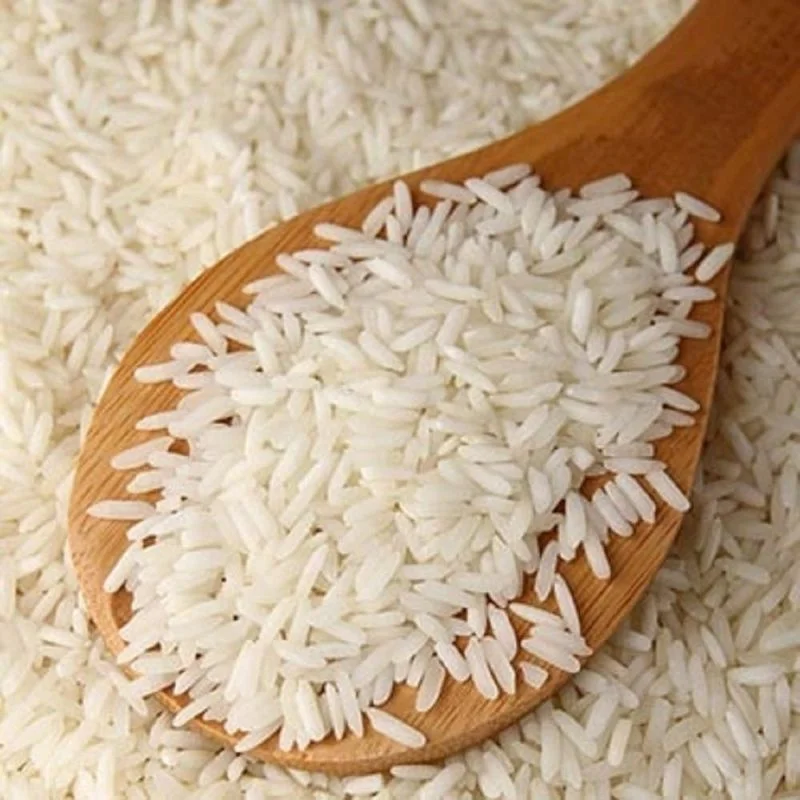
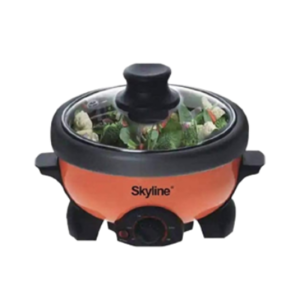
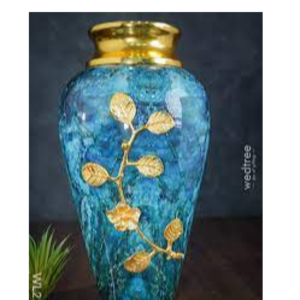
India hosts Sapphire International with an active catalogue of seven distinct products. The list spans wooden decorative items such as a wooden vase and wooden toys, food‑grade coconut derivatives including virgin coconut oil and coconut flakes, two rice varieties - Basmati rice (HS code 1006.30, long‑grain aromatic Oryza sativa) and Sona Masoori - as well as aroma burner sets used for home fragrance. Each product is grouped under broader categories like Flower Vases, Coconut Oil, Coconut, Basmati Rice, Sona Masoori Rice, and general Agriculture, reflecting the supplier’s diversified offering. The catalogue does not provide additional HS codes beyond the Basmati entry, but the product set aligns with common export families for Indian horticultural and agricultural goods.
The Basmati rice entry cites HS code 1006.30, which falls under the chapter for milled rice. No other HS codes are supplied, so the remaining items are described without specific tariff numbers. Materials include processed wood for the vase and toys, refined virgin coconut oil, dried coconut flakes, and milled rice grains. The aroma burner sets are likely composed of ceramic or metal bases combined with essential‑oil reservoirs, a typical configuration for such products.
Product Range and Specialties of Sapphire International
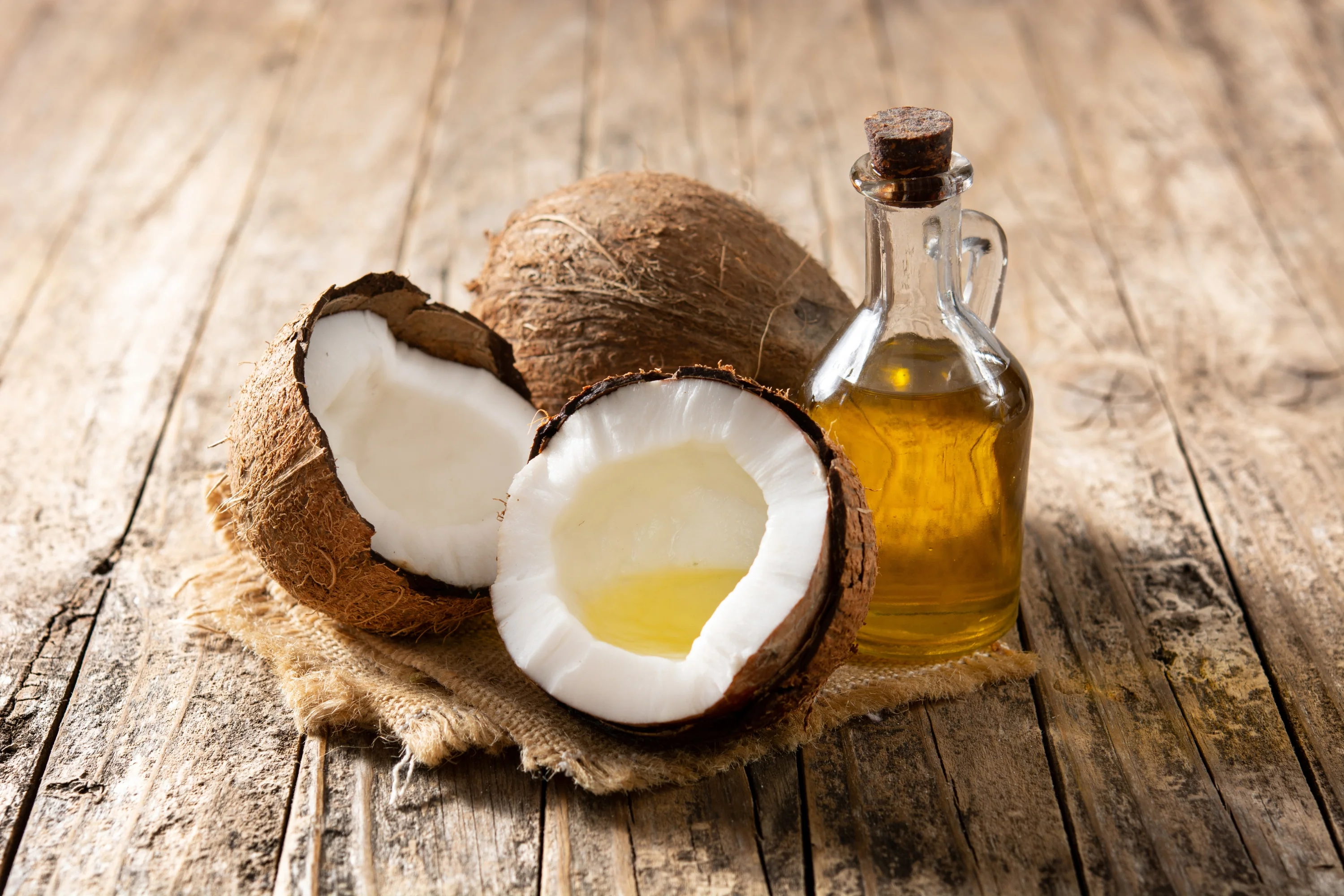
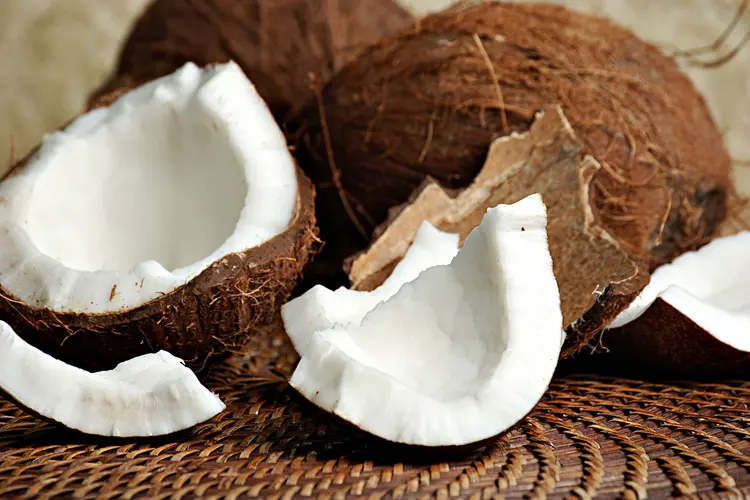
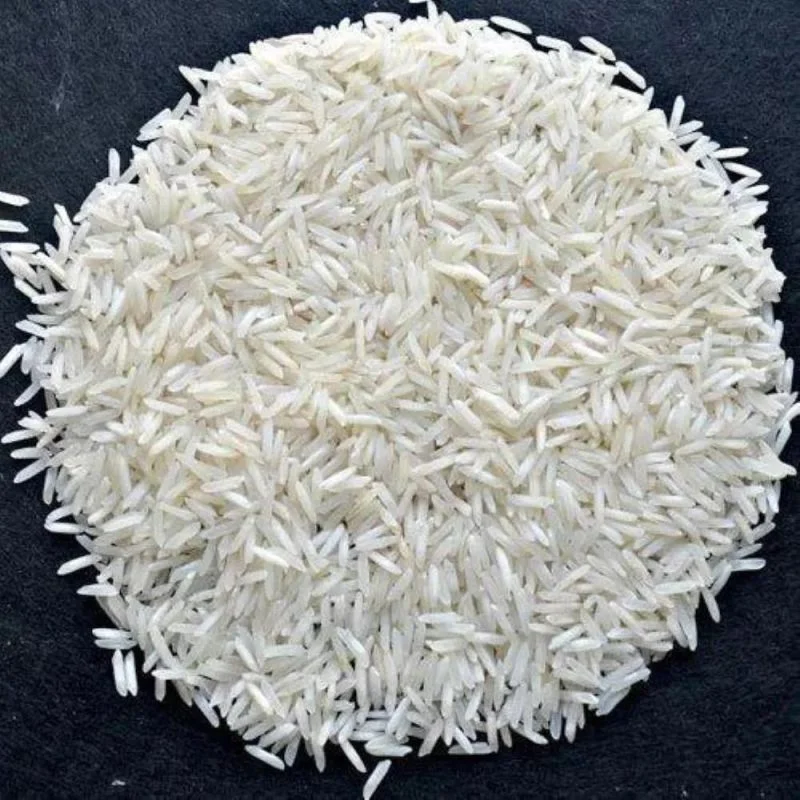
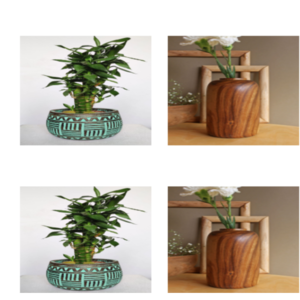
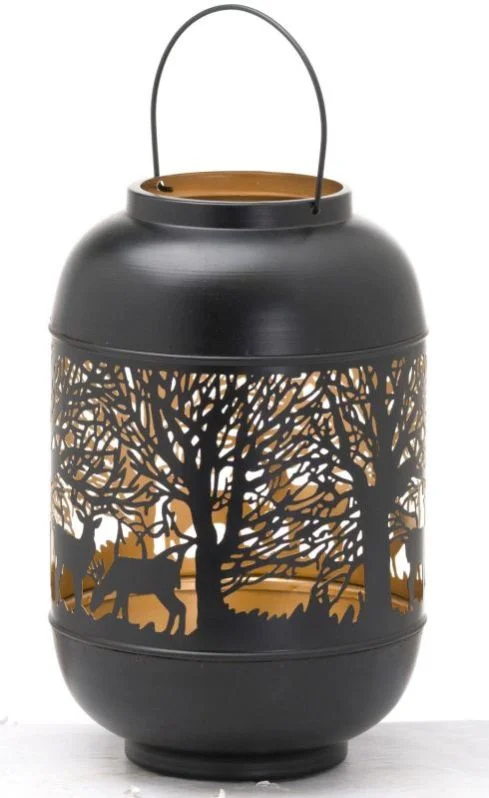
Sapphire International’s catalogue includes wooden vases and wooden toys, which are generally crafted from hardwoods such as mango or teak and finished with lacquer or oil to enhance durability. Virgin coconut oil is marketed as a food‑grade oil; industry standards often require an acid value below 0.5 % and a peroxide value under 10 meq O₂/kg. Coconut flakes are typically dried to a moisture content of 5‑7 % and may be sold in bulk or packaged for retail. Basmati rice (HS 1006.30) is exported in long‑grain form with typical export specifications of 12 % broken grains, moisture 12‑14 % and a kernel length of 6‑7 mm; IRRI‑type grading (e.g., export grade 1) is common. Sona Masoori, a medium‑grain rice, usually falls into the 5‑7 mm length range with similar moisture limits. Aroma burner sets often combine ceramic or metal housings with wooden or metal trays and are designed for use with essential oils or incense sticks, with dimensions that fit standard retail packaging.
Trade and Export Information - Sapphire International
India is a major exporter of coconut products to the European Union, the United States and Gulf Cooperation Council (GCC) markets, where buyers frequently request ISO 22000, HACCP or FSSAI certifications for virgin coconut oil and coconut flakes. Basmati and Sona Masoori rice are traditionally shipped to the Middle East, Africa and Southeast Asia; importers in these regions commonly require phytosanitary certificates, a certificate of origin and compliance with the Codex Alimentarius maximum residue limits. The HS code 1006.30 for milled Basmati rice places the product under Chapter 10, which is subject to routine customs inspection and may be audited for moisture and broken‑grain percentages. Typical packaging for rice includes 50 kg polypropylene bags stacked in 20‑foot containers, while coconut oil is often packed in 200 L steel drums or 1 L PET bottles. Wooden items are usually crated in reinforced cardboard with internal cushioning, and aroma burner sets are boxed in compact cartons. Common Incoterms used by Indian exporters are FOB Mumbai for bulk shipments and CIF Dubai for smaller retail consignments, reflecting the logistical routes to key demand centres.
Buyers should verify that any shipment of coconut derivatives complies with the destination country’s import health regulations, which may mandate testing for free fatty acid levels and pesticide residues. Rice consignments should be accompanied by a laboratory analysis report confirming moisture, broken grain and foreign matter percentages, as well as a phytosanitary clearance issued by the Indian Plant Quarantine authority. For wooden products, a treatment certificate confirming compliance with ISPM 15 (heat treatment or fumigation) is advisable when shipping to markets that enforce wood‑pest regulations.
Sourcing from Sapphire International - Buyer Guidance
When sourcing from Sapphire International, request a Certificate of Analysis (CoA) for virgin coconut oil that includes acid value, peroxide value and iodine value. For coconut flakes, ask for a moisture test report and a pesticide residue analysis that meets Codex limits. Rice buyers should obtain a pre‑shipment inspection report covering moisture (12‑14 %), broken grain (<12 %) and grain length, together with a phytosanitary certificate. Wooden vase and toy orders should be supported by an ISPM 15 treatment certificate and, if required by the importer, a formal declaration of wood species. It is prudent to confirm packaging details - e.g., 20‑ft containers with 50 kg jute bags for rice or 200 L drums for oil - and to establish the preferred Incoterm (FOB or CIF) before finalising the contract.
Typical minimum order quantities (MOQs) are 500 kg for Basmati rice, 300 kg for Sona Masoori rice, 200 L for virgin coconut oil and 100 kg for coconut flakes; wooden items are often quoted per set with a MOQ of 200 pieces. Lead times reported by similar Indian exporters range from 30 to 45 days after order confirmation, depending on product type and required certifications. Buyers should verify that the supplier can provide the necessary export documentation - commercial invoice, packing list, bill of lading, certificate of origin and any specific health or phytosanitary certificates - before shipment.
Frequently Asked Questions About Sapphire International
What HS code should I reference when ordering Basmati rice from Sapphire International?
The Basmati rice listed by Sapphire International uses HS code 1006.30, which falls under the chapter for milled rice.
Which certifications are commonly required for the virgin coconut oil they supply?
Importers usually request ISO 22000 or HACCP compliance, a Certificate of Analysis showing acid value below 0.5 % and peroxide value under 10 meq O₂/kg, and a phytosanitary certificate for the oil.
How is the coconut flakes product typically packaged for export?
Coconut flakes are generally dried to 5‑7 % moisture and packed in bulk airtight bags or 1 kg retail packs, often placed in sealed cartons for container loading.
What quality parameters should I verify for the rice varieties?
Buyers should check moisture content (12‑14 %), broken grain percentage (usually below 12 %), grain length (6‑7 mm for Basmati, 5‑7 mm for Sona Masoori) and ensure a phytosanitary clearance is issued.
Do the wooden vase and toys require any special treatment before shipping?
For international shipment, wooden items typically need an ISPM 15 treatment certificate confirming heat treatment or fumigation to prevent wood‑pest spread.
What are the typical minimum order quantities and lead times?
MOQs are around 500 kg for Basmati rice, 300 kg for Sona Masoori, 200 L for virgin coconut oil and 100 kg for coconut flakes; lead times range from 30 to 45 days after order confirmation.
Which Incoterms are most commonly used for these products?
Exporters from India often use FOB Mumbai for bulk shipments and CIF Dubai for smaller consignments, depending on the buyer’s preferred destination port.
What documentation should I expect to receive before shipment?
Standard export documents include a commercial invoice, packing list, bill of lading, certificate of origin, relevant health or phytosanitary certificates, and any requested test reports or treatment certificates.




 , India