Agriculture›
 Apparel and fashion accessories›
 Construction & real estate›💡Electronic & Electrical›🍎Food & Beverages›🛋️Home furnishing & supplies›⚗️Industrial goods & chemical›🪨Minerals & metals›📦Miscellaneous›Agriculture›Apparel and fashion accessories›Construction & real estate›💡Electronic & Electrical›🍎Food & Beverages›🛋️Home furnishing & supplies›⚗️Industrial goods & chemical›🪨Minerals & metals›📦Miscellaneous›
freelancer Product Catalog
About freelancer - Gifts & Decorative Supplier in Indonesia
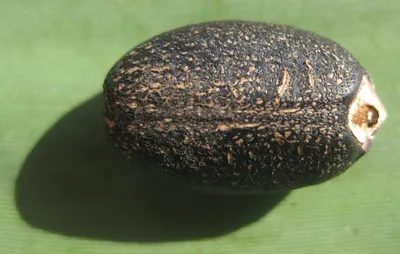
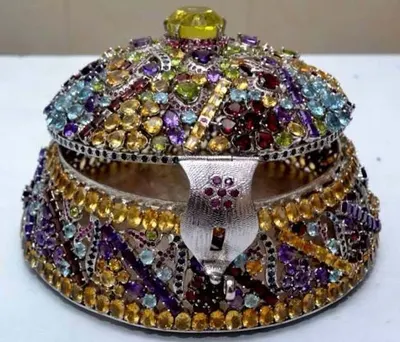
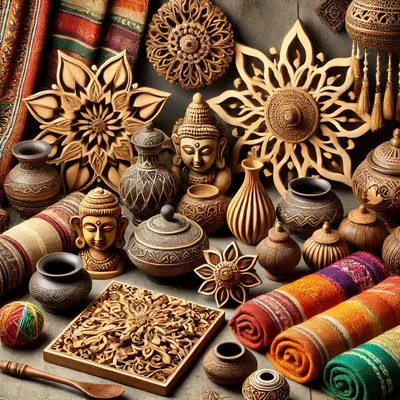
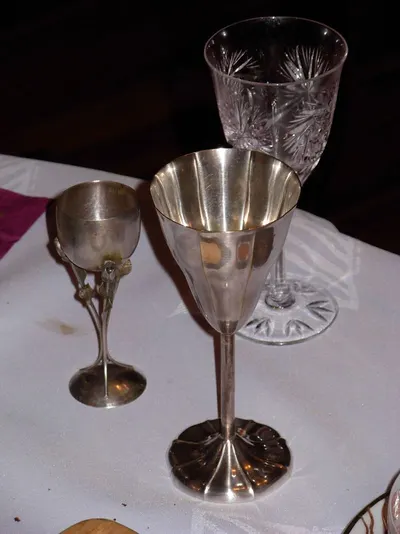
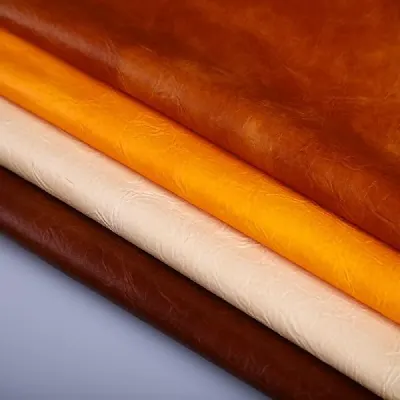
Indonesia‑based freelancer lists five distinct product types in its current catalogue. The active product count of five includes raw leather, silver wine and beer glasses, Eucheuma cottoni seaweed, assorted handicrafts and raw materials used for handicraft production. Each entry aligns with the supplier’s declared top categories of Gifts & Decorative, Raw Leather, Cocktail Glasses, and Seaweeds/Seashells, reflecting a diversified small‑scale portfolio.
The supplier is classified as an imported tier with a harbor trust tier, indicating that its goods are sourced for re‑export rather than domestic distribution. The catalogue does not provide further quantitative details such as unit sizes or packaging formats, but the product mix suggests a focus on material‑based items that are commonly sourced by buyers in the décor, fashion accessory, beverage service and food ingredient sectors.
Product Range and Specialties of freelancer
The raw leather offering typically falls into full‑grain or top‑grain grades, with thicknesses ranging from 1 mm to 3 mm and tensile strengths measured in the range of 20 - 30 MPa. Buyers often request ISO 9001 compliance or leather‑specific certifications such as the Leather Working Group (LWG) audit report. The silver wine and beer glasses are generally lead‑free crystal, with capacities of 200 ml to 300 ml, wall thicknesses of 1.2 mm to 1.8 mm, and compliance with ASTM C1036 for soda‑lime glass safety. Eucheuma cottoni, a cultivated seaweed, is exported as dried sheets or powder with moisture contents below 12 % and carrageenan extraction yields of 18‑22 %; standard specifications include ISO 22000 food‑safety certification. Handicrafts listed may comprise bamboo, rattan or reclaimed wood items, often finished with natural oils; typical dimensions vary widely but bulk shipments are packed in corrugated cartons. Raw materials for handicrafts include untreated wood slats, raw bamboo poles and natural fibers, which buyers evaluate for grade, moisture level and absence of chemical treatments.
Frequently Asked Questions About freelancer
What product categories does freelancer list in its catalogue?
Freelancer lists raw leather, silver wine and beer glasses, Eucheuma cottoni seaweed, finished handicrafts and raw materials used for handicraft production.
How many distinct products are currently active in freelancer’s catalogue?
The supplier’s catalogue contains five active product entries.
Which certifications should a buyer request for the raw leather product?
Buyers should ask for an ISO 9001 compliance certificate and, if sustainable sourcing is required, a Leather Working Group (LWG) audit report.
What quality tests are typical for the silver wine and beer glasses?
Typical tests include lead‑content analysis (below 0.01 % lead) and a break‑strength test that measures resistance to impact in accordance with ASTM C1036.
What documentation is standard for Eucheuma cottoni seaweed exports?
Standard documentation includes a certificate of origin, a moisture‑content certificate (usually under 12 %) and a food‑safety test report such as ISO 22000 compliance.
 Indonesia
Related Suppliers & Products
Explore similar suppliers, related products and trending categories