Kinyi Environmental & Technology Co., Ltd. — Verified Supplier
About Kinyi Environmental & Technology Co., Ltd. - Packaging Items & Containers Supplier in China
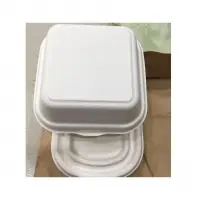
Kinyi Environmental & Technology Co., Ltd. is based in China and lists 31 active products across three main categories: Packaging Items & Containers, Flower Pots & Vases, and Paper Products. The catalogue includes various biodegradable and recycled paper pulp items designed for electronic accessories, cosmetics, and horticultural uses. Each product is described using generic terms such as “Biodegradable Electronic Packaging Box” or “Paper Pulp Molded Flower Pot”. The supplier classifies itself as an imported tier with a harbor trust tier. The product list reflects a focus on eco‑friendly, single‑use or reusable packaging solutions.
The product set comprises biodegradable boxes and trays for chargers, cosmetics, and electronic components, as well as paper pulp nursery and garden pots, animal‑shaped trays, and DIY craft items. Items such as “Biodegradable Paper Animal Trays” and “Eco‑Friendly Paper Pulp Nursery Pots” indicate use of recycled paper pulp as the primary material. Several entries repeat similar themes, for example multiple “Eco‑Friendly” and “Biodegradable” packaging descriptors. The catalogue does not provide HS codes or specific technical specifications. The range therefore emphasizes material sustainability and single‑use convenience.
Product Range and Specialties of Kinyi Environmental & Technology Co., Ltd.
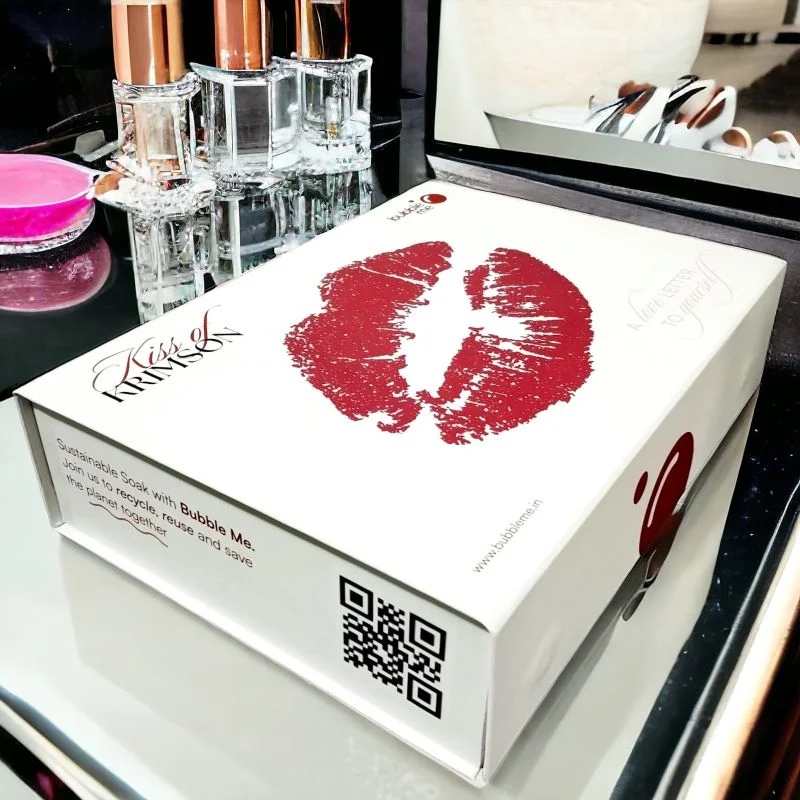
The catalogue’s biodegradable packaging boxes are typically produced from paper pulp blends that meet compostability standards such as ASTM D6400 or EN 13432. Common specifications include a wall thickness of 1.0‑2.5 mm, moisture content below 12 %, and a burst strength of 200‑400 kPa. For cosmetic packaging, manufacturers often target a surface smoothness that supports printing of branding graphics and a weight range of 30‑80 g per box.
Paper pulp flower pots and garden pots normally have a bulk density of 0.15‑0.25 g/cm³, a wall thickness of 2‑4 mm, and drainage holes of 5‑10 mm diameter. Standard dimensions for nursery pots range from 5 cm to 20 cm in diameter, compatible with seedling production. Animal‑shaped trays used for gifts or crafts are frequently molded in colors using non‑toxic dyes and shipped in stackable 1 m × 0.5 m cartons holding up to 2,000 units per 40‑ft container.
Trade and Export Information - Kinyi Environmental & Technology Co., Ltd.
China is a leading exporter of biodegradable paper pulp packaging, supplying e‑commerce platforms, cosmetics manufacturers, and horticulture businesses worldwide. Export shipments of paper‑based packaging usually fall under HS Chapter 48 (Paper and paperboard) or Chapter 39 (Plastics and articles thereof) when blended with biodegradable additives. Buyers in North America, Europe, and Southeast Asia frequently request certifications such as FSC, ISO 14001, and third‑party compostability test reports.
Typical Incoterms for these low‑weight, high‑volume goods are FOB Shanghai or CIF Los Angeles, with container loads ranging from 1,200 to 1,600 boxes per 40‑ft container depending on packaging dimensions. The products are generally packed in corrugated cartons with internal dividers to prevent crushing. Export compliance in China requires phytosanitary certificates for plant‑related items such as flower pots, and customs may request a material safety data sheet for any added dyes.
Sourcing from Kinyi Environmental & Technology Co., Ltd. - Buyer Guidance
When sourcing from Kinyi, buyers should request a sample batch that includes the full thickness, moisture content, and compostability test results for the biodegradable packaging. For flower pots, verification of bulk density, drainage hole size, and durability after a standard water‑absorption test (24 h soak) is common practice.
Standard documentation includes a commercial invoice, packing list, certificate of origin, and, where applicable, an FSC or ISO 14001 certificate. Buyers often set a minimum order quantity of 5,000 units per SKU, with lead times of 30‑45 days after design approval. Confirming that the supplier can provide third‑party test reports before production helps mitigate quality risk.
Frequently Asked Questions About Kinyi Environmental & Technology Co., Ltd.
What types of biodegradable packaging does Kinyi offer?
The catalogue lists electronic packaging boxes, charger trays, and cosmetic packaging made from recycled paper pulp that meets common compostability standards such as ASTM D6400. These items are supplied in wall thicknesses between 1 mm and 2.5 mm and are packaged for bulk shipment.
Are the flower pots suitable for commercial horticulture?
The paper pulp flower and nursery pots are molded with a bulk density of 0.15‑0.25 g/cm³ and include drainage holes sized 5‑10 mm, making them appropriate for seedling production and small‑scale garden use. Standard dimensions cover diameters from 5 cm to 20 cm.
Which certifications should a buyer request for these products?
Buyers typically request FSC certification for paper source sustainability, ISO 14001 for environmental management, and a third‑party compostability test report complying with ASTM D6400 or EN 13432. Phytosanitary certificates may be required for the flower pot items.
What is the typical packaging format for shipping?
Products are packed in corrugated cartons with internal partitions; a 40‑ft container can hold approximately 1,500‑1,800 boxes or 2,000 molded pots, depending on dimensions. Palletization follows standard 1,200 mm × 1,000 mm Euro‑pallet patterns.
What are common Incoterms used for these exports?
Exporters from China often use FOB Shanghai for bulk container shipments or CIF Los Angeles when the buyer prefers the seller to arrange main‑carriage and insurance. The choice depends on the buyer’s logistics preferences.
What sample procedures are recommended?
Request a pre‑production sample that includes the full product thickness, moisture content, and a certified compostability test report. For pots, ask for a water‑absorption durability test to verify structural integrity after soaking.
What lead time and MOQ can buyers expect?
Typical lead times are 30‑45 days after design confirmation, and the supplier usually sets a minimum order quantity of around 5,000 units per SKU, though larger container loads are common for cost efficiency.




 , China