Saisagar Exim — Verified Supplier
About Saisagar Exim - Jaggery Supplier in India
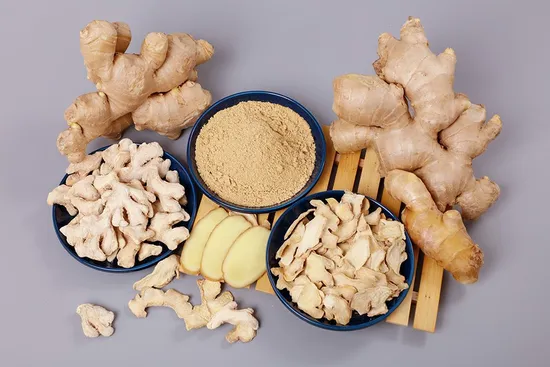
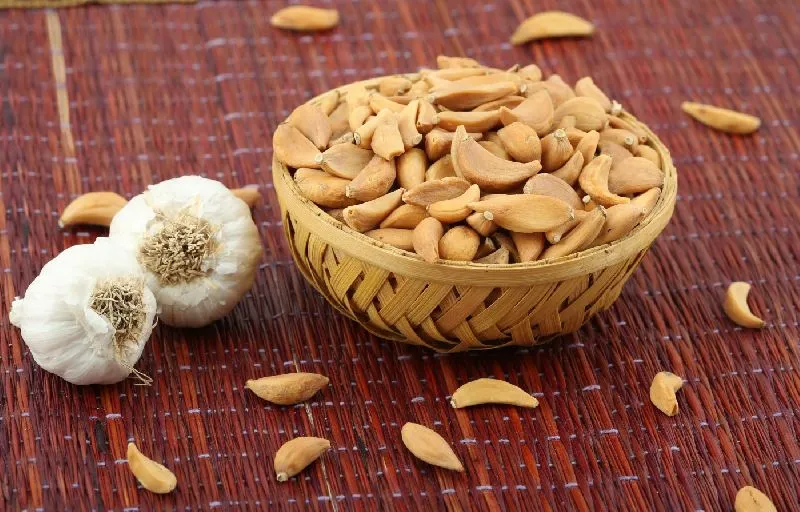
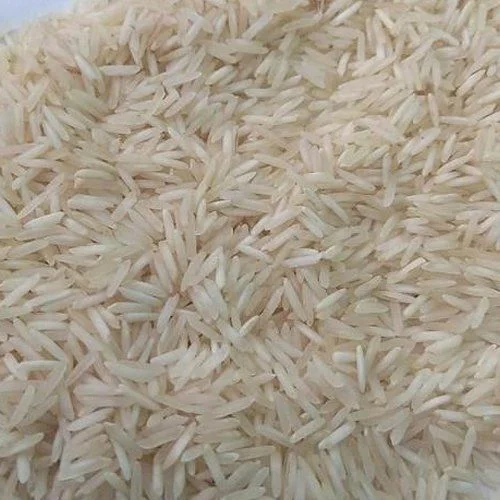
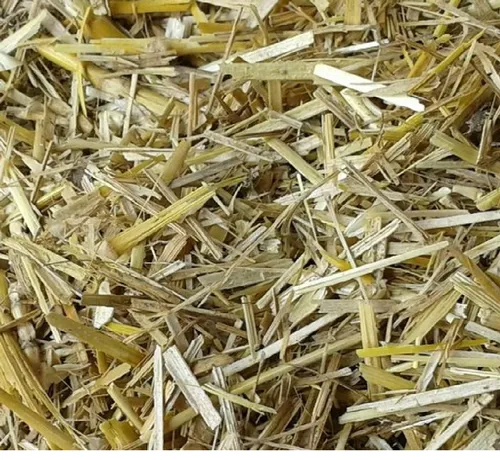
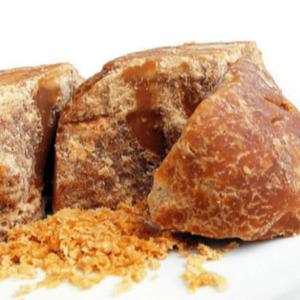
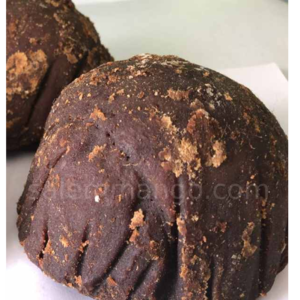
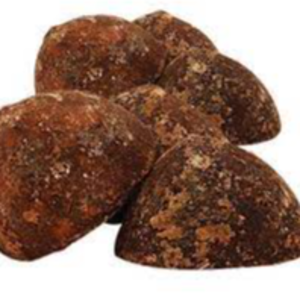
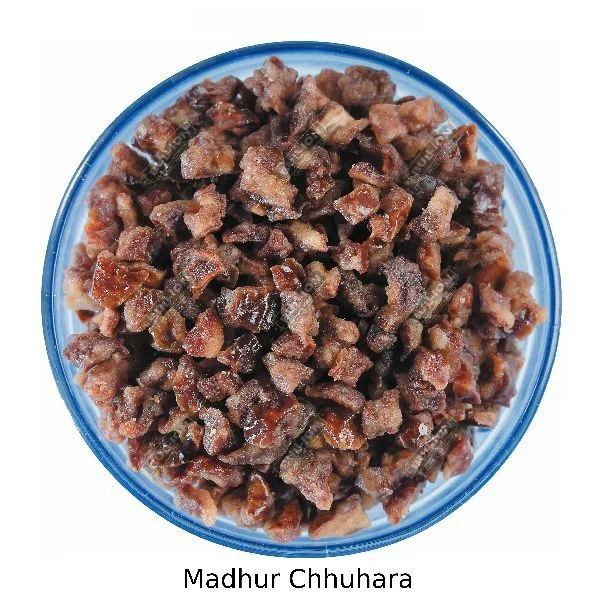
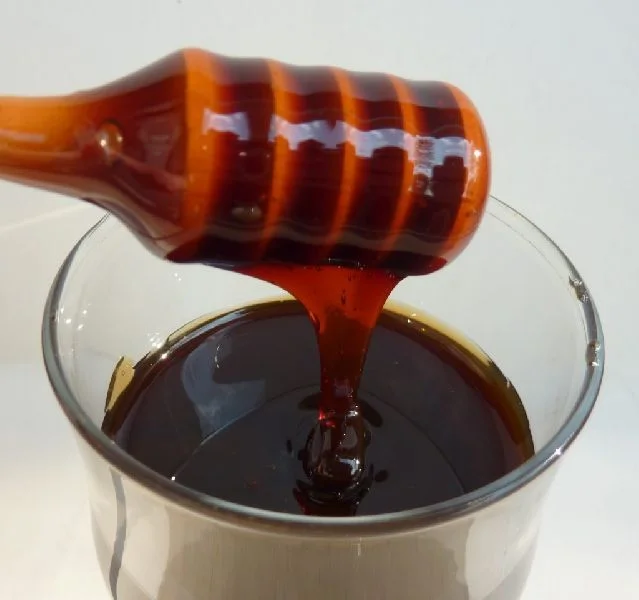
India is the origin of Saisagar Exim, which currently lists seven active products in its export catalogue. The product list includes jaggery, oranges, fresh ginger, fresh garlic, maize, basmati rice and wheat. The jaggery entry refers to traditional unrefined sugarcane confectionery, while the orange entry covers fresh citrus fruit. Ginger and garlic are presented as fresh root vegetables suitable for culinary and processing uses. Maize and wheat are listed as staple grains, and basmati rice is identified with the HS code 1006.30 and described as polished long‑grain rice of the Oryza sativa basmati variety.
These seven items span several HS chapters: Chapter 17 for jaggery (HS 1702), Chapter 8 for oranges (HS 0805), Chapter 7 for ginger and garlic (HS 0703 and 0704), Chapter 10 for maize (HS 1005) and wheat (HS 1001), and Chapter 10 for basmati rice (HS 1006.30). The catalogue does not provide additional HS codes for the other commodities. Each product is offered in bulk form typical for international food trade, with packaging options such as 20 ft containers for grains and refrigerated containers for fresh fruit. The supplier’s active product count of seven reflects a focused range within primary agricultural commodities. No further product specifications are supplied in the catalogue.
Product Range and Specialties of Saisagar Exim
Saisagar Exim’s catalogue features conventional grades for each commodity. In the Indian market, jaggery is commonly graded by colour and moisture content, with total soluble solids around 70 - 80 % and moisture below 12 %. Oranges are typically exported as US No. 1 or EU Class I, with average diameter 70 - 80 mm, juice content above 45 % and decay under 0.5 %. Fresh ginger is usually classified by length (40 - 80 mm) and a minimum dry matter of 12 %, while garlic bulbs are sorted by clove count (10 - 15 per bulb) and moisture under 14 %. Maize exported from India is generally yellow dent or semi‑dent grain with moisture 13 - 14 % and test weight around 720 kg / m³. Basmati rice under HS 1006.30 is graded by kernel length (6.5 - 7.5 mm), aroma intensity and moisture not exceeding 14 %.
Trade and Export Information - Saisagar Exim
India is a major exporter of the listed commodities, supplying basmati rice to the Middle East, Europe and the United States, while maize and wheat serve bulk grain markets in Africa and Asia. Fresh oranges are commonly shipped to Gulf Cooperation Council states and EU countries under refrigerated containers with phytosanitary certification. Ginger and garlic are in demand for food processing in Southeast Asia, Europe and North America, often requiring ISO 22000 or FSSAI compliance and a certificate of origin. Export logistics typically involve 20 ft or 40 ft containers for grains, and 40 ft refrigerated units for fresh produce, with HS code families guiding customs duties. Buyers usually request laboratory analysis reports for pesticide residues, aflatoxin limits for maize, and moisture content for grains, aligning with Codex Alimentarius standards.
Sourcing from Saisagar Exim - Buyer Guidance
Prospective buyers of Saisagar Exim should request product specification sheets that detail moisture levels, size grades and any pesticide residue test results for each commodity. For basmati rice, a mill test report confirming kernel length, aroma grade and moisture content is standard, while jaggery buyers often ask for total soluble solids and microbial limits. Phytosanitary certificates and a certificate of origin are typical documents for fresh oranges, ginger and garlic, and should be confirmed before shipment. Buyers are advised to verify that the supplier can provide ISO 22000, FSSAI or other relevant food‑safety certifications to meet import regulator requirements. Sample orders are usually dispatched in 10 kg bags for grains and 25 kg cartons for jaggery, allowing laboratory verification before larger contracts.
Frequently Asked Questions About Saisagar Exim
What HS code does Saisagar Exim use for basmati rice?
The catalogue lists basmati rice under HS code 1006.30, which falls within Chapter 10 for rice and corresponds to polished long‑grain rice.
Which grade specifications are typical for the oranges offered?
Indian exporters generally ship oranges as US No. 1 or EU Class I, with average fruit diameter 70 - 80 mm, juice content above 45 % and decay below 0.5 %.
What quality parameters should be checked for jaggery?
Buyers usually verify total soluble solids between 70 - 80 % and moisture not exceeding 12 %, along with microbial limits for yeast and mould as defined by Codex standards.
What documents are required for importing fresh ginger from India?
A phytosanitary certificate, a certificate of origin and a food‑safety compliance certificate such as ISO 22000 or FSSAI are commonly required by importing countries.
How is basmati rice typically packaged for export?
Export shipments are packed in 20 ft or 40 ft containers using food‑grade polyethylene bags of 20 kg or 25 kg, sealed to maintain moisture below 14 %.
What are the common moisture limits for maize and wheat?
Maize is usually limited to 13 - 14 % moisture and wheat to 12 - 13 % moisture to meet international grain standards and prevent spoilage.
What sample size is practical for testing the quality of garlic?
A typical sample size is 5 kg of bulk garlic, which allows laboratory testing for clove count, moisture content (≤14 %) and pesticide residues.




 , India