Safe Imports And Exports — Supplier
About Safe Imports And Exports - Semi-husked Coconut Supplier in India
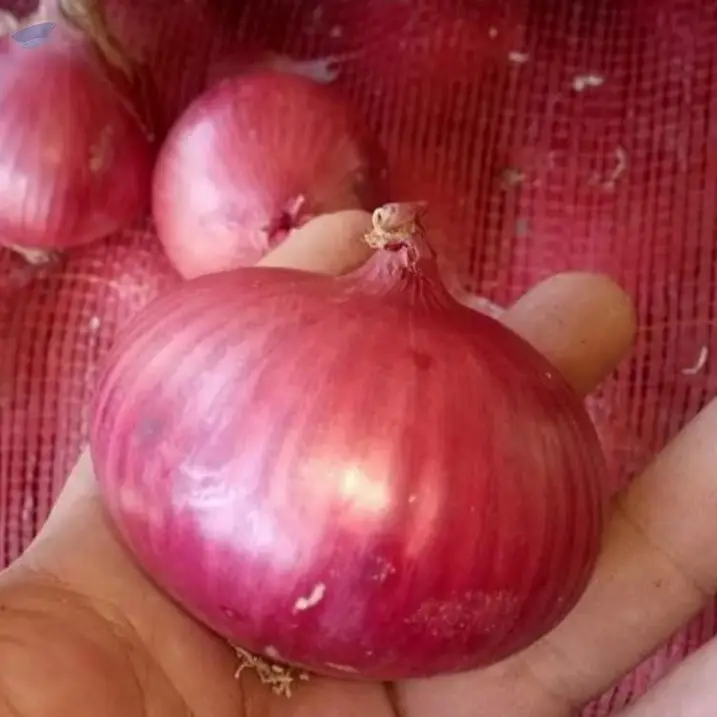
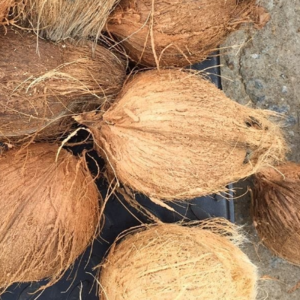
India‑based Safe Imports And Exports lists seven active products across fresh produce, marine items and coconut derivatives. The catalogue includes semi‑husked coconut, a range of vegetables, a premium Indian tuna pickle, reef cod (fish), onion, coconut oil and copra, each identified by its generic product name without further classification. The supplier’s listings follow standard HS chapter groupings for edible nuts, vegetables, processed foods, fish and oil products, reflecting typical customs categories used for Indian exports. Although no specific HS codes are provided, the product set aligns with common export documentation required for agricultural and marine goods from India.
Product Range and Specialties of Safe Imports And Exports
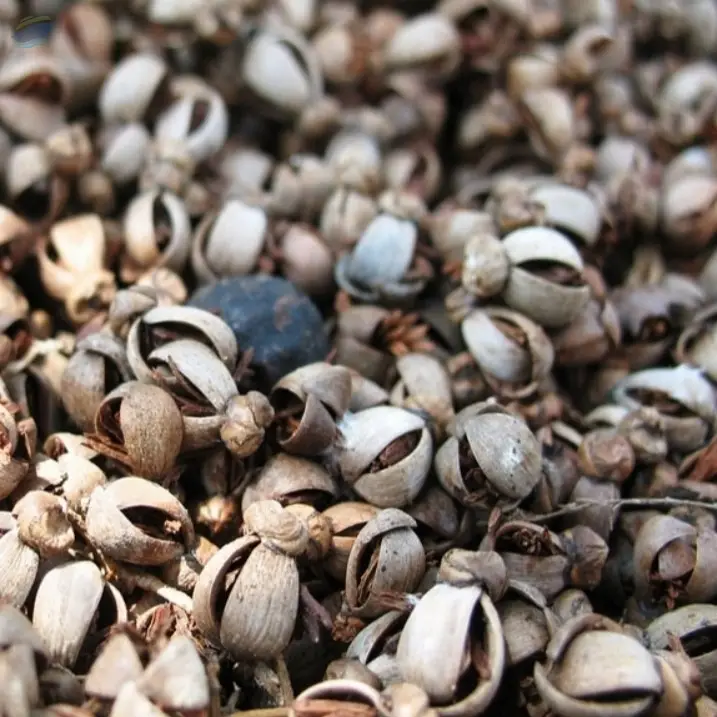
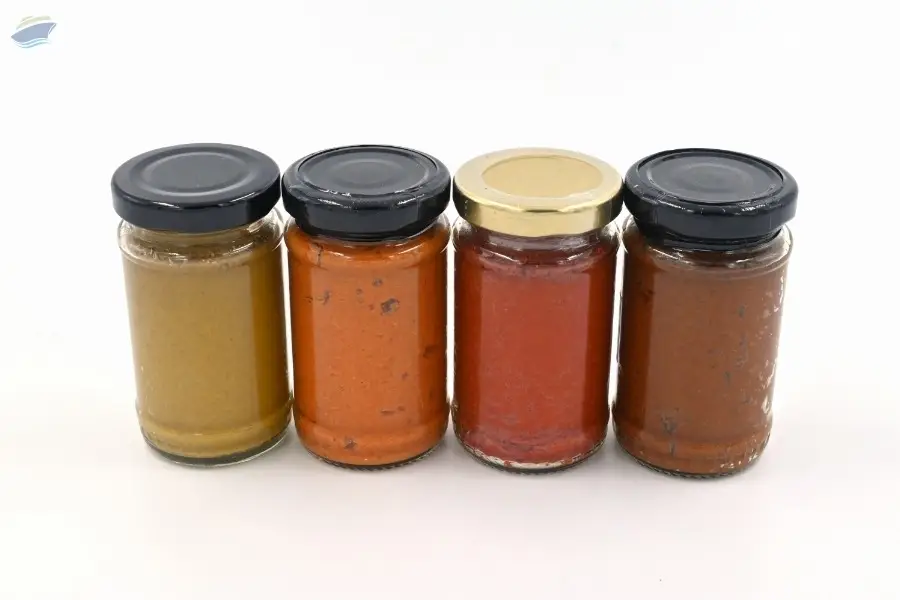
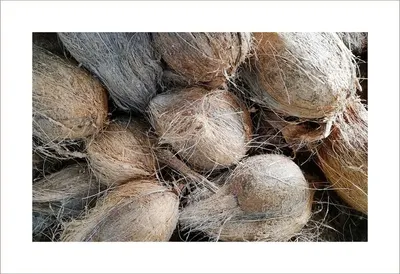
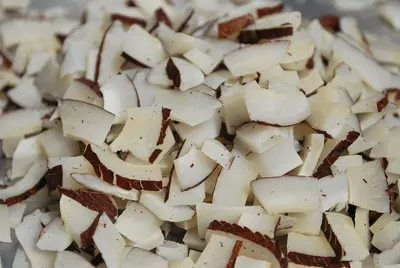
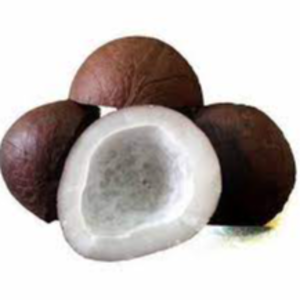
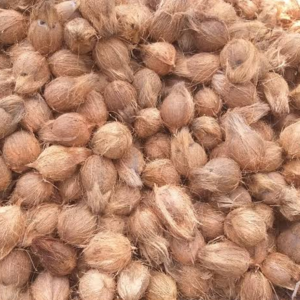
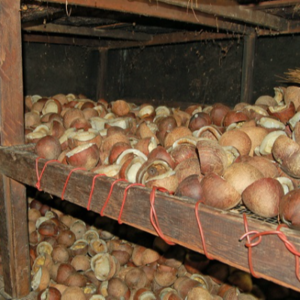
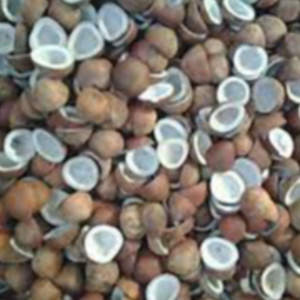
The catalogue covers semi‑husked coconut used for desiccated coconut production, fresh vegetables such as leafy greens and root crops, a fermented tuna pickle that follows Indian culinary traditions, reef cod supplied as whole frozen fish, raw onion bulbs, refined coconut oil and copra kernels. In the coconut segment, buyers usually look for moisture content below 6 % for semi‑husked nuts and oil purity above 92 % for refined oil. Fresh vegetables are graded by size, colour and absence of blemishes, with common packaging in 10 kg polyethylene bags or bulk cartons. Fish exports from India typically meet the frozen fish standard of ≤‑18 °C core temperature and are shipped on ice or refrigerated containers. Pickles are commonly packed in glass jars or PET containers, with a target acidity of 2.5 % - 3.5 % for shelf stability.
Trade and Export Information - Safe Imports And Exports
India is a major exporter of coconut products, fresh vegetables and marine commodities to markets in the Middle East, Europe and Southeast Asia. Export shipments of semi‑husked coconut, copra and coconut oil usually follow phytosanitary inspection under the Plant Quarantine (Regulation) Act and may require a certificate of origin for preferential duty rates. Fresh vegetables and onions are subject to fumigation and residue testing, while fish products need a health certificate confirming compliance with the Codex Alimentarius fish standards. Buyers often request ISO 22000 or FSSAI compliance certificates, as well as laboratory analysis reports for moisture, oil content and microbiological limits. Typical logistics involve 20‑ft or 40‑ft refrigerated containers for perishable items and standard dry containers for oil and copra, with Incoterms such as FOB or CIF widely used.
Sourcing from Safe Imports And Exports - Buyer Guidance
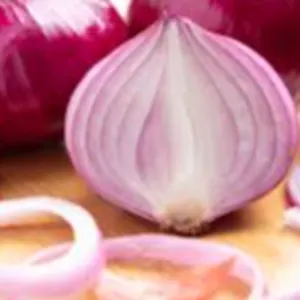
When sourcing semi‑husked coconut, request a moisture analysis report and a sample to verify shell removal uniformity. For vegetables and onions, ask for a pre‑shipment inspection report, pesticide residue certificates and a size‑grading sheet. Fish buyers should obtain a health certificate, a temperature log for the frozen chain and a microbiological test for total viable count. Pickle orders benefit from a lab report confirming pH level, salt concentration and absence of prohibited preservatives. Coconut oil and copra purchasers typically request an oil purity assay (FFA < 0.1 %) and a moisture‑free copra certificate. In all cases, verify that the supplier can provide the relevant phytosanitary or health certificates before finalising the contract.
Frequently Asked Questions About Safe Imports And Exports
What packaging formats are available for semi‑husked coconut?
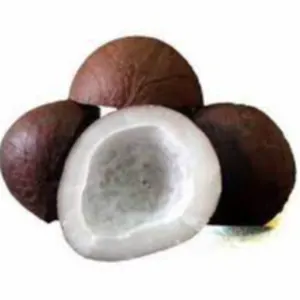
The supplier offers bulk polypropylene bags ranging from 500 kg to 1 ton, as well as smaller 25 kg sacks for sample orders. All packaging is moisture‑resistant to maintain the ≤6 % moisture specification.
Which countries does Safe Imports And Exports typically ship vegetables to?
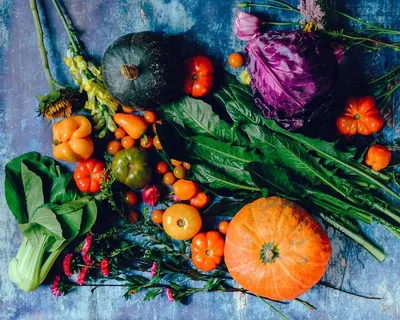
Typical destinations include the United Arab Emirates, Saudi Arabia, the United Kingdom and Germany. These markets regularly import Indian fresh vegetables under standard phytosanitary protocols.
How is the tuna pickle preserved for long‑term shipping?
The pickle is fermented with salt and vinegar to reach a pH of 2.8 % - 3.2 %, and sealed in glass jars or PET bottles with tamper‑evident caps. A batch laboratory report confirming acidity and microbial safety is provided.
What temperature controls are required for reef cod shipments?
Reef cod must be frozen to ≤‑18 °C and maintained throughout transit. The supplier supplies temperature data loggers and a health certificate complying with Codex fish standards.
Are there quality certificates for coconut oil and copra?
The supplier can furnish an ISO 22000 food safety certificate and laboratory analysis reports showing oil free fatty acid (FFA) levels below 0.1 % for refined oil and moisture below 6 % for copra.
What are the minimum order quantities for onion and other fresh produce?
Onion orders start at 500 kg per shipment, packed in 10 kg polyethylene bags. Other fresh vegetables follow a similar MOQ of 300 kg, with optional container‑load options for larger volumes.




 , India





.jpg.png)