RMY INTERNATIONAL — Supplier
About RMY INTERNATIONAL - Salt Supplier in Pakistan
RMY INTERNATIONAL is based in Islamabad, Pakistan and currently lists five distinct products in its catalogue. The company’s active product count of five covers three salt variants, an onyx stone product, and a soapnut item. All three salt items - labelled as LICKING STONES, SEA SALT and WHITE SALT - fall under HS chapter 2501.00 for mineral salts. The onyx offering is recorded under HS code 03, while the soapnut product is listed with HS code 2. The supplier is classified as an imported tier with a harbor trust tier.
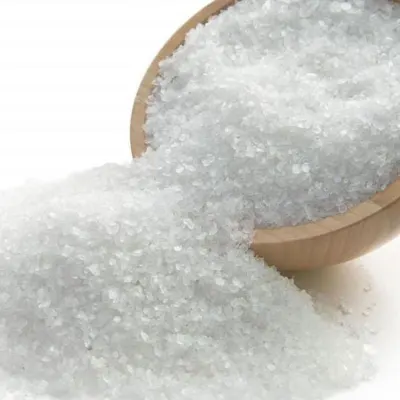
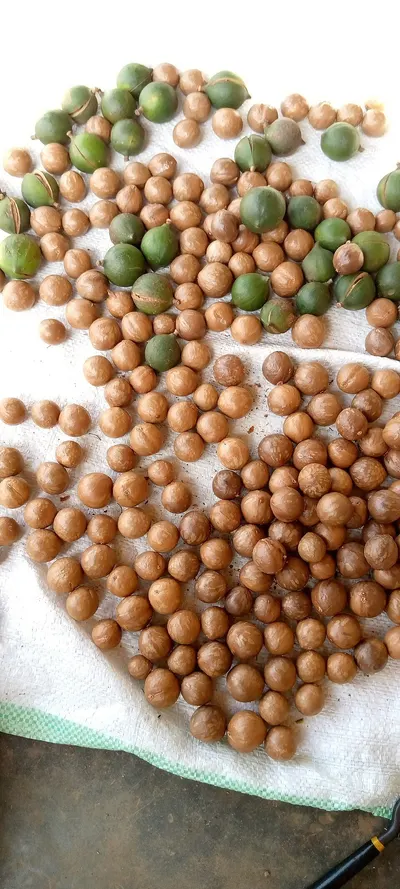
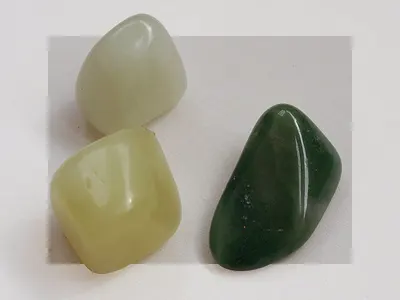
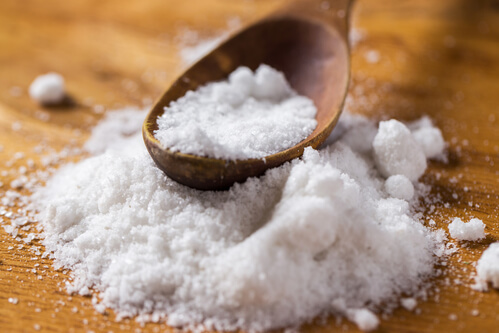
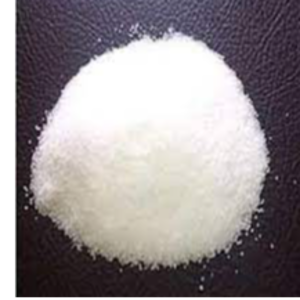
The salt line includes products that can be positioned as black salt, common salt, or pink salt, which are commonly used in food processing, culinary applications and mineral supplementation. The onyx product corresponds to natural onyx stone used in architectural cladding and decorative tiles, and the soapnut item represents the dried fruit of Sapindus mukorossi, widely used for natural detergents. RMY INTERNATIONAL’s catalogue therefore spans mineral salts, natural stone, and plant‑based surfactant raw material.
Product Range and Specialties of RMY INTERNATIONAL
The catalogue lists three salt products under HS 2501.00 - LICKING STONES, SEA SALT and WHITE SALT - each typically supplied in bulk bags of 25 kg or 1‑ton bulk bags for container loading. In the broader market edible salts are graded by ICUMSA values ranging from 45 (high purity) to 70, with moisture limits below 0.5 % and sodium chloride purity above 97 %. The onyx stone entry (HS 03) aligns with natural onyx slabs that are usually 2‑4 mm thick, sized up to 300 mm, and measured by density (2.5‑2.7 g/cm³) and compressive strength (30‑50 MPa). Soapnuts (HS 2) are supplied as dried fruit kernels, commonly sized 6‑10 mm, with moisture content under 10 % and free fatty acid values below 2 % for detergent applications.
Trade and Export Information - RMY INTERNATIONAL
Pakistan ranks among the top exporters of rock salt and ornamental stone, shipping primarily to the Middle East, Europe and North America. Salt under HS 2501 is subject to food‑grade regulations such as ISO 22000, HACCP and often requires a Certificate of Analysis confirming ICUMSA grade and microbiological limits. Onyx stone typically needs compliance with ASTM C615 or equivalent European standards and may be accompanied by a CE declaration for building‑material use. Soapnuts are classified as a horticultural product; buyers usually request pesticide‑residue testing and, when marketed as organic, an organic certification. Standard logistics involve FOB Islamabad or CIF Dubai, with 20‑ft containers holding roughly 20 tons of bulk salt, while onyx slabs are crated in wooden pallets to protect against breakage.
Sourcing from RMY INTERNATIONAL - Buyer Guidance
When sourcing the salt range, request a recent Certificate of Analysis that specifies ICUMSA grade, moisture, and microbial limits, and verify that the product meets the buyer’s jurisdictional food‑safety standards. For onyx, ask for a mill test report detailing density, compressive strength, dimensions, and a certificate of origin; a visual sample of the finish (polished or honed) is also advisable before confirming volume. Soapnut buyers should obtain a pesticide‑residue report, moisture content data and, if required, an organic certification; a sample batch of 5 kg can be used for formulation testing. Confirm minimum order quantities - typically 1 ton for salt, 500 kg for onyx slabs and 200 kg for soapnuts - and align lead times of 30‑45 days after order confirmation with the supplier’s production schedule.
Frequently Asked Questions About RMY INTERNATIONAL
What HS codes are assigned to RMY INTERNATIONAL’s products?
The three salt items - LICKING STONES, SEA SALT and WHITE SALT - are classified under HS code 2501.00. The onyx stone product is listed with HS code 03, and the soapnut product carries HS code 2.
Which quality specifications are common for the salt products?
Export‑grade edible salt is usually graded by ICUMSA 45‑70, with sodium chloride purity above 97 % and moisture below 0.5 %. Microbial limits such as total plate count under 100 CFU/g are also typical requirements.
How is onyx stone prepared and packaged for shipment?
Onyx slabs are cut to standard sizes up to 300 mm, measured for density (2.5‑2.7 g/cm³) and compressive strength (30‑50 MPa). They are packed in wooden crates with foam separators and placed on pallets to prevent breakage during container transport.
Are soapnuts suitable for use in cosmetic formulations?
Soapnuts are a natural surfactant source and are widely used in cosmetics when their free fatty acid content is below 2 % and moisture is under 10 %. Buyers normally request pesticide‑residue analysis and, for organic claims, an organic certification.
What certifications should I ask for when importing these goods?
For salt, request ISO 22000/HACCP compliance and a Certificate of Analysis. Onyx stone buyers often need an ASTM C615 or CE conformity report. Soapnut purchasers should obtain pesticide‑residue test results and, if applicable, an organic certification.
What are the typical minimum order quantities?
The usual minimum order is 1 ton for bulk salt, 500 kg for onyx stone slabs, and 200 kg for dried soapnuts. Smaller sample quantities can be arranged for testing purposes.
What lead time can I expect from order to shipment?
RMY INTERNATIONAL generally requires 30‑45 days from order confirmation to shipment, depending on product availability and required documentation.
Which markets commonly import these product categories from Pakistan?
Bulk salt is frequently shipped to the Gulf Cooperation Council, EU food processors and North‑American food manufacturers. Onyx stone is exported to construction and interior‑design firms in the GCC, Europe and China. Soapnuts are sourced by natural‑cosmetics producers in the United States, Europe and Southeast Asia.




 , Pakistan