rmy international — Supplier
About rmy international - Salt & Stone Products Supplier in Pakistan
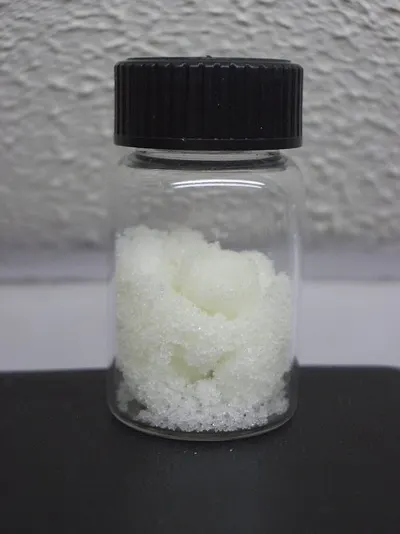
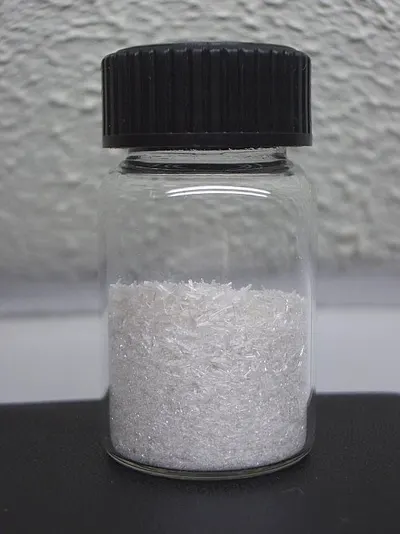
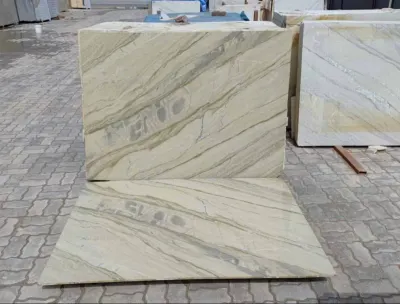
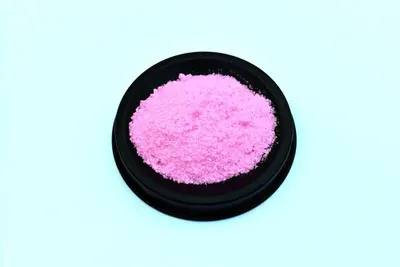
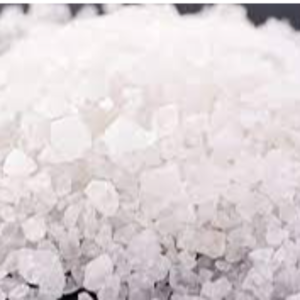
rmy international is based in Islamabad, Pakistan and currently lists ten distinct products in its catalogue. The supplier’s portfolio covers a range of salts - including Black Salt, Common Salt, Pink Salt and Himalayan Salt - as well as stone and marble items such as Onyx Tiles, Onyx Gemstones, and various Granite & Marble products. All salt items are classified under HS chapter 25, specifically code 2501.00, while the onyx and marble items appear under HS codes 003, 005 and 007 respectively. The active product count of ten reflects the listed items in the catalogue, each identified by material type (salt, onyx, leather, cotton).
The catalogue includes items such as “RMY himalayan pink salt tile” (HS 2501.00, material SALT), “RMY salt bricks” (HS 2501.00, material himalayan salt bricks), “RMY onyx” (HS 003, material onyx), “RMY pink salt” (HS 2501.00), “RMY ONYX MARBLE” (HS 005), “RMY cotton” (HS 5201.00), “RMY LEATHER” (HS 007), plus additional entries for black salt and generic salt, all recorded under the same HS code 2501.00 for the salt group. The stone‑related entries are grouped under separate HS codes that correspond to natural stone and leather classifications. This structure shows a clear separation between edible mineral products and decorative stone or textile goods.
Product Range and Specialties of rmy international
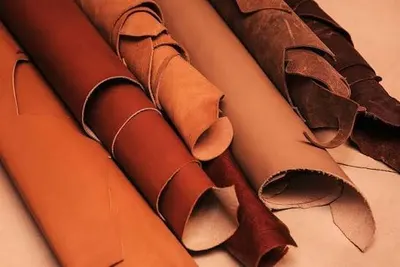
The supplier’s listed catalogue comprises ten items. Salt‑related products include Himalayan pink salt tiles, salt bricks, pink salt, black salt and generic salt, all identified with HS code 2501.00 and material “SALT”. Stone‑related entries consist of onyx (HS 003), onyx marble (HS 005) and leather (HS 007). A cotton product appears under HS 5201.00. Each entry specifies the raw material, e.g., “onyx” or “leather”, matching the HS classification.
In the global market, Himalayan pink salt is normally marketed as food‑grade mineral salt with a purity of 97‑99 % NaCl and a moisture content below 0.5 %. Buyers often require analysis for heavy metals (lead, arsenic) and microbial tests. Onyx and marble tiles are typically supplied in thicknesses of 8‑12 mm, with standard finishes described by ISO 1302 (e.g., matte, polished) and mechanical strength measured by compressive strength ≥ 70 MPa. Common specifications for decorative stone include water absorption < 0.5 % and dimension tolerances of ±1 mm. Cotton fibers are graded by staple length (30‑38 mm) and micronaire values, while leather goods are evaluated for thickness (0.6‑1.2 mm) and tensile strength.
Trade and Export Information - rmy international
Pakistan is a major exporter of rock salt and natural stone, with the Punjab and Khyber Pakhtunkhwa regions supplying bulk mineral salts and the northern provinces providing onyx and marble. HS chapter 25 (code 2501.00) for rock salt is routinely used in shipments to the Middle East, Europe and North America, where food‑grade salt is used in culinary and industrial applications. Natural stone under HS codes 003, 005 and 007 is frequently imported by construction and interior‑design markets in the GCC, EU and US, where onyx tiles are used for flooring, wall cladding and decorative features.
Importers typically request certifications such as ISO 9001 quality management, ISO 22000 or FSSC 22000 for edible salt, and CE conformity or ASTM C880 test reports for stone products. Standard packaging for salt tiles and bricks is heavy‑duty cardboard or wooden crates, often palletised for 20‑ft containers that can hold approximately 20 tons of product. Onyx and marble tiles are shipped in reinforced wooden boxes with foam padding to prevent chipping, and are commonly declared under FOB or CIF terms. Pakistani exporters generally provide a Certificate of Origin and may include a phytosanitary certificate for cotton, although it is not mandatory for mineral goods.
Sourcing from rmy international - Buyer Guidance
Buyers sourcing salt from rmy international should request a Certificate of Analysis that confirms NaCl purity, moisture level, and limits for heavy metals. Samples of pink or black salt are usually supplied in 1 kg bags, allowing verification of colour, grain size (typically 1‑3 mm) and solubility. It is prudent to verify that the supplier can provide ISO 22000 or equivalent food‑safety documentation before confirming bulk orders.
For onyx, marble and other stone items, purchasers normally ask for a technical data sheet covering dimensions, finish grade, compressive strength, water absorption and a recent ASTM C880 test report. Requesting a small sample panel (e.g., 300 mm × 300 mm) helps assess surface quality and colour consistency. When ordering leather or cotton, buyers should obtain material specifications such as leather thickness, tensile strength, and cotton staple length, together with any relevant textile test certificates.
Frequently Asked Questions About rmy international
What HS codes apply to the salt products listed by rmy international?
All edible salt items - Himalayan pink salt tile, salt bricks, pink salt, black salt and generic salt - are classified under HS code 2501.00, which falls under Chapter 25 for rock salt and similar mineral products.
Which certifications are typically required for food‑grade salt imports?
Importers usually ask for ISO 22000 or FSSC 22000 food‑safety certification, along with a Certificate of Analysis that shows NaCl purity, moisture content and compliance with heavy‑metal limits.
What are the common specifications for onyx tiles exported from Pakistan?
Onyx tiles are commonly supplied in thicknesses of 8‑12 mm, with finishes described by ISO 1302 (matte or polished), compressive strength of at least 70 MPa, water absorption below 0.5 % and dimension tolerances of ±1 mm.
How is onyx typically packaged for international shipment?
Onyx products are packed in reinforced wooden crates with foam or corrugated inserts, palletised, and loaded into 20‑ft containers that can carry roughly 20 tons, using FOB or CIF incoterms.
What documentation should a buyer request for leather products?
Buyers should request a material data sheet specifying thickness (0.6‑1.2 mm), tensile strength, a leather grade certificate, and a Certificate of Origin to satisfy customs requirements.
Are there any specific import regulations for the cotton listed by the supplier?
Cotton imports usually require a phytosanitary certificate and a test report confirming fiber length and micronaire; the relevant HS code for cotton is 5201.00.
What are typical lead times for salt bricks from Pakistan?
Lead times for mineral products such as salt bricks are generally 4‑6 weeks from order confirmation, allowing time for quality testing, packaging and container loading.
Which markets most frequently import Pakistani onyx and marble?
The Gulf Cooperation Council region, European Union member states and the United States are the main destinations for Pakistani natural stone, driven by demand for high‑end interior finishes.




 , Pakistan