Agriculture›
 Apparel and fashion accessories›
 Construction & real estate›💡Electronic & Electrical›🍎Food & Beverages›🛋️Home furnishing & supplies›⚗️Industrial goods & chemical›🪨Minerals & metals›📦Miscellaneous›Agriculture›Apparel and fashion accessories›Construction & real estate›💡Electronic & Electrical›🍎Food & Beverages›🛋️Home furnishing & supplies›⚗️Industrial goods & chemical›🪨Minerals & metals›📦Miscellaneous›
PT. TIRRIKLADA SUKSES TRATINDO
⚓ Harbor , IndonesiaEst. 2023-01-01New supplier / no reviews yet
PT. TIRRIKLADA SUKSES TRATINDO Product Catalog

About PT. TIRRIKLADA SUKSES TRATINDO - Coconut Supplier in Indonesia
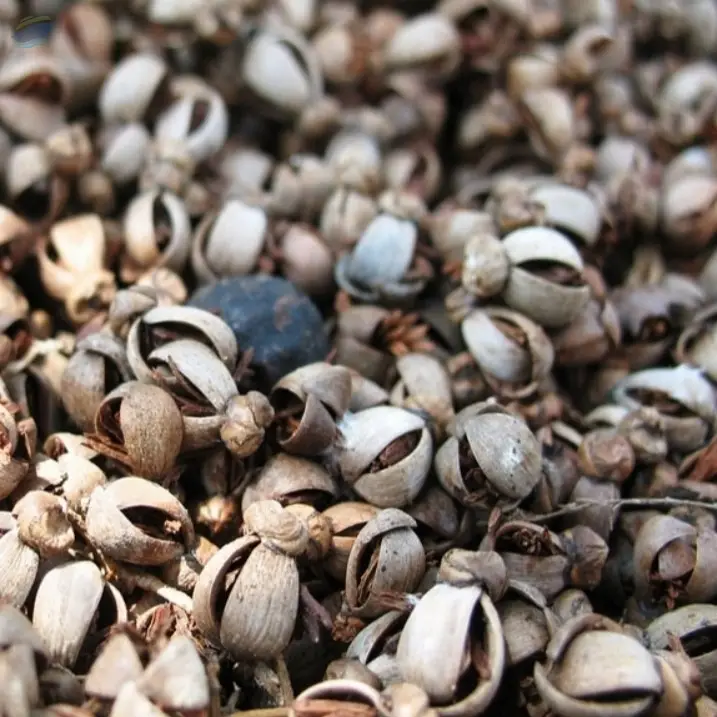
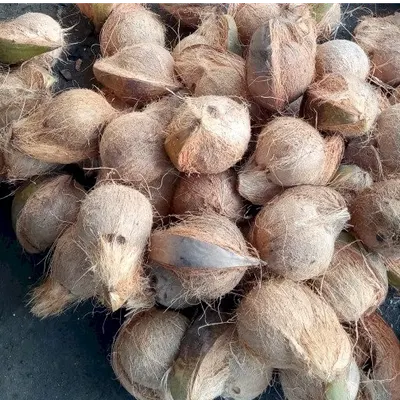
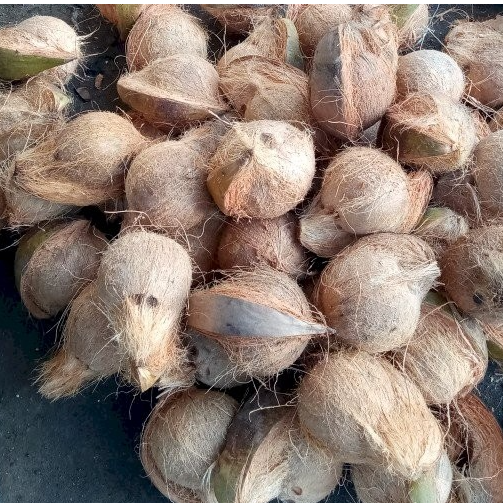
Indonesia, Sulawesi Selatan region, lists five active products in its catalogue. The company offers export‑grade Coconut Seed derived from natural mature coconuts, recorded under the internal HS reference TS‑CSD‑001, and a separate line of Rice Bran without a listed HS code. All five entries consist of four Coconut Seed items and one Rice Bran entry, reflecting the focus on coconut‑based agricultural output and a single grain‑by‑product. The catalogue explicitly names the material as natural mature coconut for the seed product and does not provide additional material descriptors for Rice Bran. The supplier’s profile highlights an export‑oriented trading model targeting international buyers of agricultural and marine products.
The product list is limited to the two categories mentioned, with Coconut Seed positioned as the primary commodity. No other coconut derivatives such as flour or shell are enumerated in the current active catalogue, despite being listed among top categories. The inclusion of Rice Bran adds a grain‑derived feedstock to the portfolio. Each Coconut Seed entry shares the same HS reference, indicating a uniform classification for the batch. The supplier’s stated tier as "organic" suggests an organic handling approach, though specific organic certifications are not detailed in the supplied facts.
Product Range and Specialties of PT. TIRRIKLADA SUKSES TRATINDO
The catalogue contains Coconut Seed (natural mature coconut) identified by the internal HS code TS‑CSD‑001 and Rice Bran. In the coconut industry, seeds are typically graded by size, moisture content (usually 6‑8 %), and oil percentage (around 60‑65 %). Buyers often request specifications such as kernel moisture below 7 % and absence of foreign matter. Rice bran is commonly evaluated for crude protein (12‑14 %), oil content (15‑20 %), and moisture (≤12 %). Standard HS chapters for these commodities are 0804 for coconut products and 1006 for rice bran, which guide customs classification and duty rates. Typical packaging includes 20 ft containers with 1 ton polypropylene bags for coconut seed and 25 kg jute sacks for rice bran.
Frequently Asked Questions About PT. TIRRIKLADA SUKSES TRATINDO
What coconut products are listed in the catalogue?
The catalogue lists Coconut Seed derived from natural mature coconuts, identified with the internal HS reference TS‑CSD‑001. No other coconut derivatives are currently enumerated.
Is Rice Bran available for export?
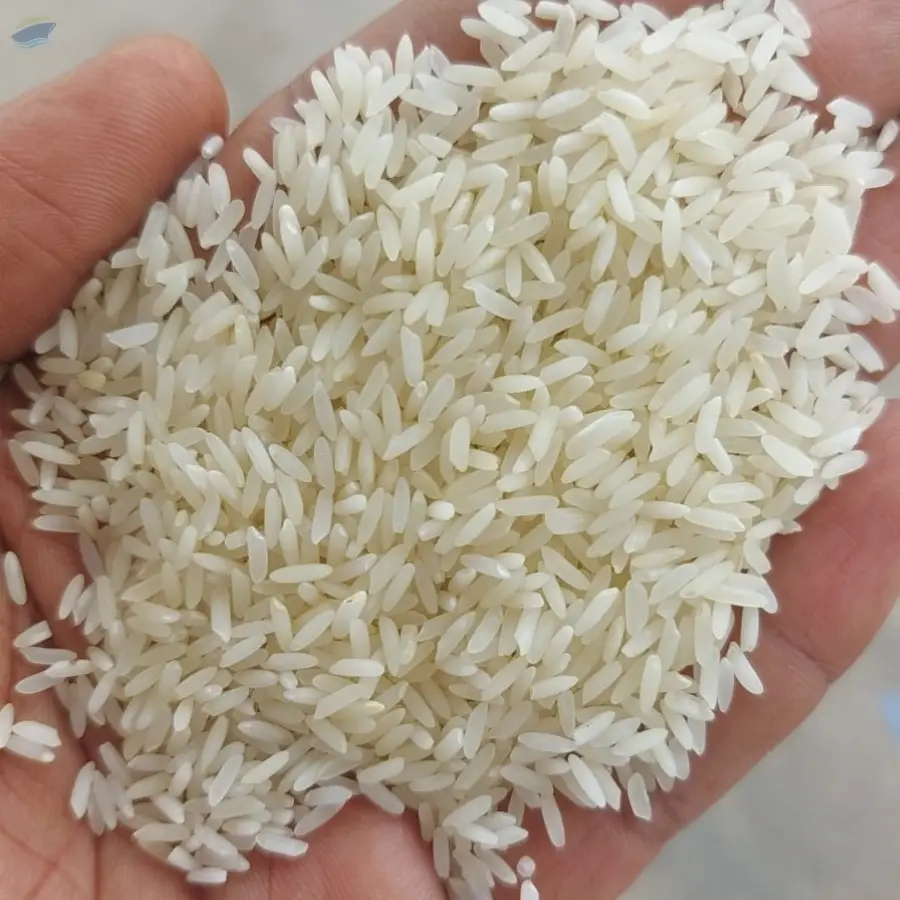
Yes, Rice Bran is listed as a separate product without a specific HS code in the catalogue. It is treated as a grain by‑product suitable for feed or food processing.
Which HS codes apply to the listed products?
Coconut Seed uses the supplier’s internal code TS‑CSD‑001; Rice Bran does not have a listed HS code, but the standard international HS chapter for rice bran is 1006. Buyers should verify the appropriate HS classification with customs authorities.
What certifications should a buyer request?
Buyers should ask for phytosanitary certificates, any organic certification claimed by the supplier, and quality system certifications such as ISO 22000 or HACCP that are common for food‑grade coconut and rice products. These documents confirm compliance with international safety and traceability standards.
What are typical quality parameters for Coconut Seed?
Typical specifications include moisture content below 7 %, oil content around 60‑65 %, and absence of visible foreign matter. Size grading may also be required depending on processing needs.
IndonesiaRelated Suppliers & Products
Explore similar suppliers, related products and trending categories
.jpg.png)