Matsuoka Co Ltd — Verified Supplier
About Matsuoka Co Ltd - Fish Supplier in Japan
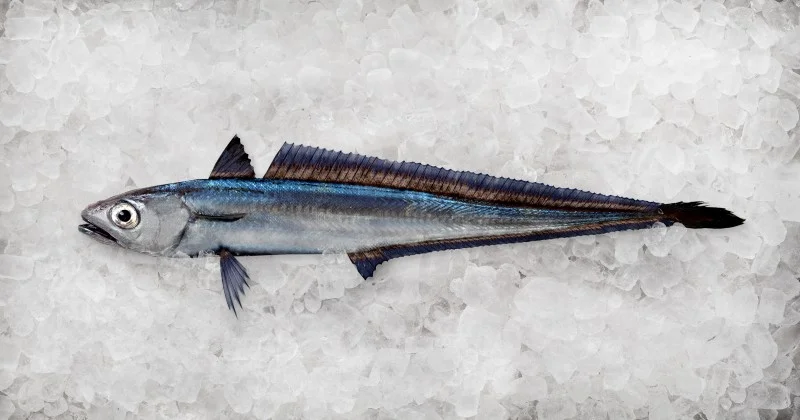
Japan hosts Matsuoka Co Ltd, which currently lists eight active products across its catalogue. The supplier’s top categories include Fish, Frozen Mackerel Fish, Farm Machinery & Equipments, Frozen Sardine Fish, Meat & Poultry, and Fishmeal. Within the fish segment the catalogue contains items such as Farm Raised Hamachi, Saba Mackerel, Yellowtail, various frozen mackerel and sardine products, frozen sea squirt meat, and a Halal Fish Sausage. The supplier’s trust tier is classified as harbor, indicating a mid‑level verification level on the platform. Product listings reference HS code families 0302 and 0303 for fresh and frozen fish items.
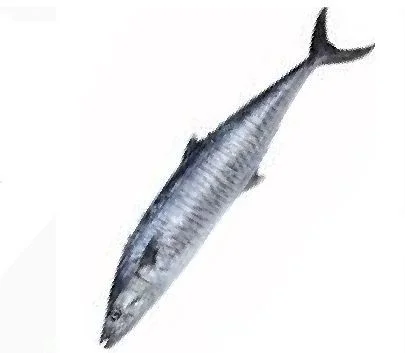
The product “Saba Mackerel Fish” is recorded under HS code 0303.54 and described as whole frozen Saba Mackerel (Scomber japonicus). The “Yellowtail” entry uses HS code 0302.89 and is identified as fresh wild Yellowtail (Seriola quinqueradiata). Other items such as Frozen Mackerel Fish (saba), Frozen Horse Mackerel Fish (aji), Frozen Japanese Sardine Fish (iwashi), Frozen Sea Squirt Meat and Halal Fish Sausage are listed without explicit HS codes but fall within the broader 0302 - 0303 fish chapters. The catalogue therefore spans both fresh and frozen marine species commonly traded from Japan.
Product Range and Specialties of Matsuoka Co Ltd
Within the eight listed items, Matsuoka Co Ltd offers both fresh wild species (e.g., Yellowtail) and whole frozen pelagic fish such as Saba Mackerel, Horse Mackerel, and Japanese Sardine. In the Japanese export market these species are normally graded by size (e.g., 30 - 40 cm for mackerel), whole weight (typically 300 - 500 g per fish), ice content (≤5 % moisture), and visual freshness criteria such as clear eyes and firm flesh. Frozen fish are commonly packed in insulated boxes of 10 kg or 20 kg, sealed in polyethylene film, and loaded into 20‑ft refrigerated containers (reefers) with a temperature range of - 18 °C to - 20 °C. The Halal Fish Sausage falls under processed fish meat and is usually produced to meet Halal certification, with typical moisture content of 55 - 60 % and fat content below 15 %. Although the catalogue also references a Farm Machinery & Equipments category, no specific machinery items are enumerated, so detailed product specifications cannot be derived from the provided data.
Trade and Export Information - Matsuoka Co Ltd
Japanese exporters of marine fish commonly ship to the United States, European Union, Hong Kong, and the Middle East, where demand for sashimi‑grade and value‑added fish products remains strong. HS chapter 03 (fish and crustaceans) governs the tariff treatment, with sub‑headings 0302 covering fresh or chilled fish and 0303 covering frozen fish, matching the codes 0302.89 and 0303.54 seen in the catalogue. Buyers typically request HACCP or ISO 22000 food safety certificates, as well as health certificates issued by the Japanese Ministry of Health, Labour and Welfare. For Halal processed items, a Halal certification from an accredited body is standard. Logistics for the frozen range rely on reefers, with container loading capacities of approximately 22‑24 metric tons per 20‑ft unit, while fresh fish may be shipped in insulated pallets with gel packs for shorter transit times.
Sourcing from Matsuoka Co Ltd - Buyer Guidance
Potential buyers should obtain a current HACCP or ISO 22000 audit report from Matsuoka Co Ltd and verify that the fish batches carry a Japanese health certificate confirming compliance with residue limits. For the frozen products, request a temperature log sheet confirming that the cargo remained at - 18 °C or lower from processing to loading. Samples of the fresh Yellowtail and the Halal Fish Sausage should be requested to assess size, flesh firmness, and compliance with Halal standards before placing a larger order. Verify the HS code used on the commercial invoice matches the product description (0302.89 for Yellowtail, 0303.54 for Saba Mackerel) to avoid customs delays.
Frequently Asked Questions About Matsuoka Co Ltd
What fish species are available from Matsuoka Co Ltd?
The catalogue lists Farm Raised Hamachi, Saba Mackerel (Scomber japonicus), Yellowtail (Seriola quinqueradiata), frozen Horse Mackerel (aji), frozen Japanese Sardine (iwashi), frozen sea squirt meat, and a Halal Fish Sausage.
Which HS codes apply to the listed fish products?
Saba Mackerel is coded under 0303.54 (whole frozen fish), Yellowtail under 0302.89 (fresh or chilled fish). The other frozen fish items fall within the broader 0303 chapter, while fresh products are generally classified under 0302.
What certifications are typically required for importing these Japanese fish products?
Importers usually ask for HACCP or ISO 22000 food safety certificates, a Japanese health certificate, and for the Halal Sausage a Halal certification from an accredited body. MSC or ASC sustainability certifications are optional but often requested for wild‑caught species.
How are the frozen fish products packaged for export?
Standard export packaging uses insulated wooden boxes or polyethylene bags of 10 kg or 20 kg, sealed and stacked in refrigerated containers (reefers) maintained at - 18 °C to - 20 °C. Palletized loads are secured with stretch film and temperature data loggers.
What is the typical minimum order quantity (MOQ) and lead time?
For whole frozen fish the MOQ is usually one 20‑ft refrigerated container (≈22 metric tons), with a lead time of 15 - 25 working days from order confirmation to shipment. Smaller quantities may be arranged on a case‑by‑case basis.
Can samples be obtained before a full order?
Yes, Matsuoka Co Ltd can provide sample packs of fresh Yellowtail, frozen Saba Mackerel, and the Halal Fish Sausage. Samples are shipped under chilled or frozen conditions and are subject to a nominal handling fee.
Which markets does Matsuoka Co Ltd primarily export to?
While the supplier’s target markets are not listed, Japanese fish exporters commonly serve the United States, EU member states, Hong Kong, South Korea, and the Middle East, where demand for sashimi‑grade and value‑added fish products is high.




 , Japan