Wuhan CenterRise M&C Engineering CO., Ltd. — Verified Manufacturer & Wholesale Supplier
About Wuhan CenterRise M&C Engineering CO., Ltd. - Injection Moulding Machinery Supplier in China
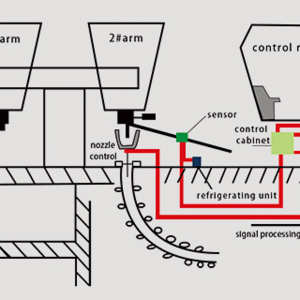
Wuhan CenterRise M&C Engineering CO., Ltd. is located in Hubei province, China and lists 30 active products covering automation systems, measurement instruments and related tooling. The catalogue spans sensor‑based detection devices such as the Ladle Slag Detection System (HS 8471.80) and Continuous Casting Mold Level Automatic Measurement System (HS 9031.80), as well as laser‑based width and taper measurement tools, optical inspection units and handheld calibration equipment. Each item is described with its primary material - for example high‑temperature Inconel/SS 310 housings, stainless‑steel probe bodies, copper‑alloy components or aluminum die‑cast frames - and is classified under HS chapters 84 (machinery) or 90 (optical, precision instruments).
Product Range and Specialties of Wuhan CenterRise M&C Engineering CO., Ltd.
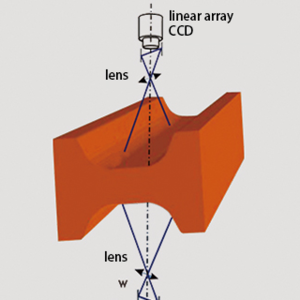
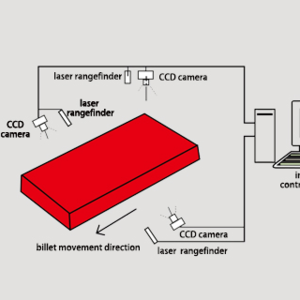
The supplier’s catalogue includes vibration‑type slag detection systems, optical and laser mould‑level measurement units, mould‑breakout prediction modules, surface‑quality inspection systems (CCD and machine‑vision), and handheld calibrators for thermocouples and roll gaps. In the broader automation equipment market, similar devices are typically offered to Class 1 or Class 2 precision standards, conform to IEC 61326 for measurement and control equipment, and may be built to IEC 61850 networking specifications. Common grades for sensor housings are stainless‑steel 304/310 or Inconel for high‑temperature service, while laser optics are often specified with a wavelength of 650 nm to 1064 nm and a beam quality (M²) below 1.2. Buyers also encounter standard connector types (M12, RJ45) and power ratings up to 480 V AC in this category.
Trade and Export Information - Wuhan CenterRise M&C Engineering CO., Ltd.
China is a major exporter of industrial automation and measurement equipment, with the majority of shipments destined for Southeast Asia, Europe and North America. HS code 8471.80 (other machines having individual functions) and 9031‑90 (optical instruments) are routinely inspected under the China Customs inspection regime and may require CE marking for the EU market or UL certification for the United States. Export logistics usually involve 20‑ft or 40‑ft containers, with equipment packed in wooden crates, foam inserts and anti‑static bags to protect delicate optics. Typical Incoterms used by Chinese automation suppliers are FOB Shanghai or CIF Los Angeles, depending on buyer preference.
Sourcing from Wuhan CenterRise M&C Engineering CO., Ltd. - Buyer Guidance
When sourcing from this supplier, buyers should request a CE Declaration of Conformity, an ISO 9001 quality‑management certificate and, where applicable, an IECEx or ATEX certification for equipment used in hazardous environments. Test reports for temperature tolerance (e.g., -40 °C to +800 °C) and laser safety class (Class 1 or Class 2) are standard documentation. Verify the material specifications listed (e.g., Inconel 625 housing, stainless‑steel 304 probe) against the intended operating conditions before placing an order. Typical minimum order quantities range from a single unit for handheld calibrators to 5‑10 units for larger vision‑system rigs, with lead times of 4‑8 weeks after order confirmation. Packaging is usually in wooden crates with moisture‑resistant liners, and shipments are tracked under the relevant HS codes for customs clearance.
Frequently Asked Questions About Wuhan CenterRise M&C Engineering CO., Ltd.
What types of measurement systems does Wuhan CenterRise offer?
The catalogue includes vibration‑type slag detectors, optical and laser mould‑level sensors, CCD‑based surface‑quality inspection units, and handheld thermocouple calibrators, each classified under HS 84 or 90.
Which HS codes are associated with the listed products?
Key HS codes are 8471.80 for slag detection systems, 9031.80 for mould‑level measurement, 8454.30 for various mould‑related instruments, 9027.40 for thickness detection, and 9032.89 for strip‑center position control.
What material grades are used in the sensor housings?
Materials cited include high‑temperature resistant steel such as Inconel or stainless‑steel 310 for probe housings, stainless‑steel 304 for optical probes, copper‑alloy (Cu‑Ag, Cu‑Cr‑Zr) for sensor frames, and aluminum die‑cast components for machine‑vision housings.
Which certifications should a buyer request?
Buyers should request CE marking, ISO 9001 quality‑system certification, and, for equipment used in explosive atmospheres, IECEx or ATEX certification where relevant.
What are typical packaging and shipping methods?
Products are packed in wooden crates with foam or anti‑static inserts, sealed in moisture‑resistant liners, and shipped in 20‑ft or 40‑ft containers under FOB or CIF terms.
What is the usual lead time and minimum order quantity?
Lead times are generally 4‑8 weeks after order confirmation; MOQ ranges from one handheld unit to five‑ten larger vision‑system assemblies.
How can a buyer verify product quality before purchase?
Request calibration certificates, material test reports (e.g., tensile strength for steel housings), and sample units for functional testing; these documents confirm compliance with IEC and ISO standards.




 , China