Jinzhou Qiaopai Machineries Co., Ltd. — Verified Supplier
About Jinzhou Qiaopai Machineries Co., Ltd. - Food Processing Machinery Supplier in China
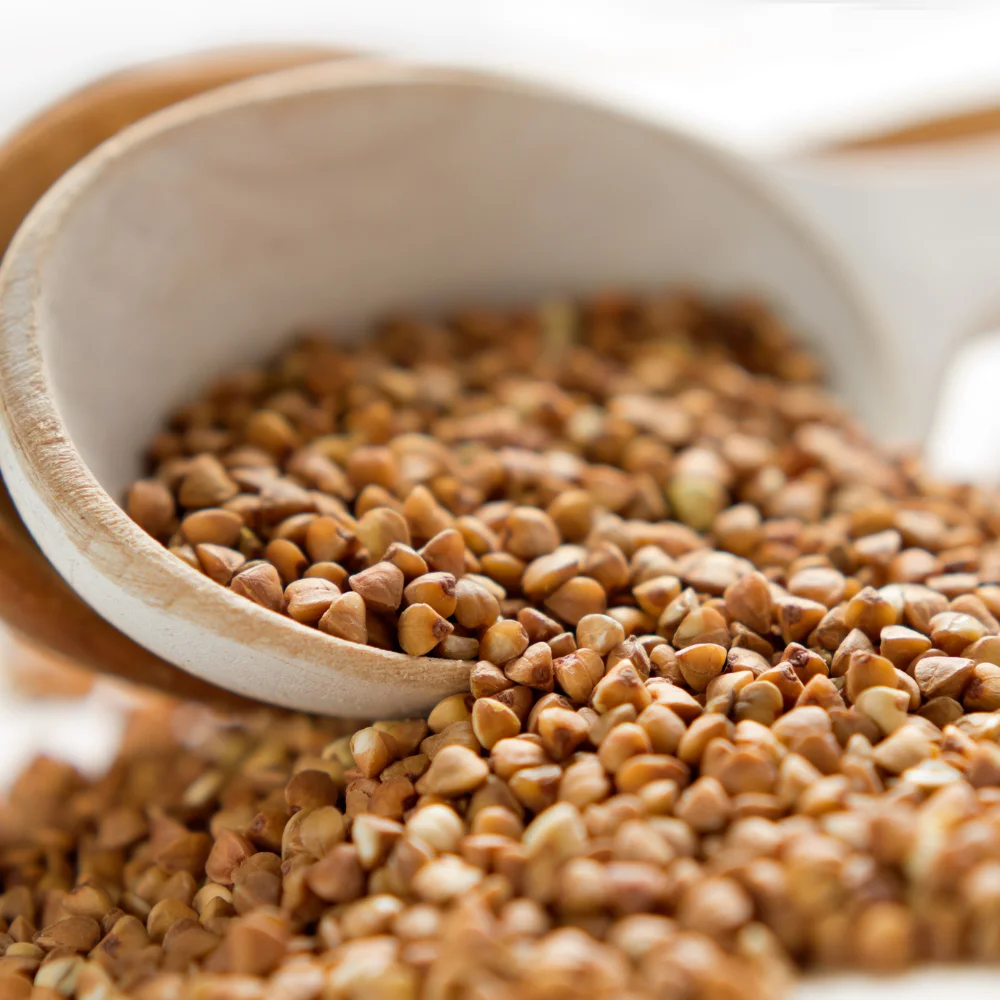
Based in China, Jinzhou Qiaopai Machineries Co., Ltd. lists 18 active product entries focused on seed and grain dehulling and peeling equipment. The catalogue includes Sunflower seed dehulling lines, Oat hulling machines, Pumpkin seed peeling and shelling machines, as well as specialized units for Almond, Mung bean, Tartary buckwheat, Pinenut and other oilseed processing. Each item falls under the HS‑84 machinery chapter, typically classified in sub‑headings such as 8422 for grain processing machines or 8479 for other machinery parts. The supplier’s product set therefore covers a breadth of equipment used in primary seed cleaning, hull removal and separation stages of food processing operations. The listing emphasizes advanced or high‑efficiency designs, reflecting common buyer expectations for throughput and energy savings.
The product titles repeatedly use terms like “advanced”, “high‑efficiency” and “automatic”, indicating a focus on mechanised, continuous‑flow lines rather than batch‑type units. While the catalogue does not disclose capacity figures, similar Chinese‑origin dehulling lines often range from 500 kg h⁻¹ to 2 t h⁻¹ and are built with food‑grade stainless steel (commonly 304 or 316). The presence of both seed‑specific (Sunflower, Pumpkin, Almond) and grain‑specific (Oats, Buckwheat, Mung bean) machines suggests the supplier targets diversified agricultural processing sectors.
Product Range and Specialties of Jinzhou Qiaopai Machineries Co., Ltd.
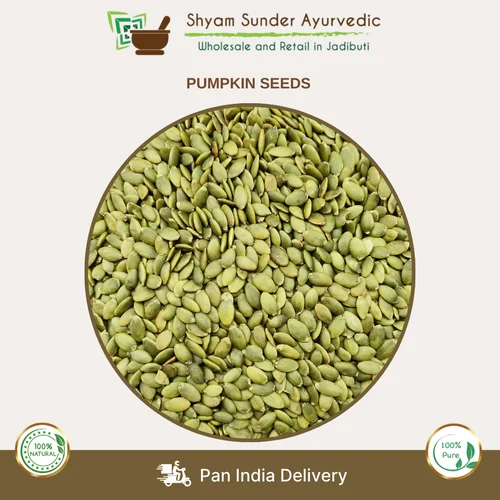
Jinzhou Qiaopai’s catalogue groups machines by seed type and by processing stage - peeling, dehulling, shelling and separating. For example, the “Advanced Pumpkin Seed Dehulling Machine” and the “High‑efficiency Pumpkin Seed Peeling Machine” address two distinct operations within the same commodity stream. In the broader industry, pumpkin‑seed dehullers are typically rated by hull removal efficiency (often >95 %) and by feed size range (15‑30 mm). Oat dehulling units are usually specified by grain throughput (e.g., 1 t h⁻¹) and by adjustable gap settings to control bran removal. Sunflower seed lines commonly integrate cleaning, de‑hulling and sorting, with standard capacities of 1‑3 t h⁻¹ and motor powers between 7.5 kW and 30 kW. Typical material of construction is 304 stainless steel for hygienic surfaces, with cast‑iron frames for structural rigidity.
Industry practice also calls for modular designs that allow quick change‑over between seed varieties, and for optional accessories such as dust extraction fans, vibratory feeders and electronic PLC controls. Buyers often request performance data such as hull‑to‑kernel ratio, moisture loss and energy consumption per kilogram of processed seed, which manufacturers include in technical datasheets.
Trade and Export Information - Jinzhou Qiaopai Machineries Co., Ltd.
China is a major exporter of food‑processing machinery, with the majority of shipments destined for Southeast Asian, Middle Eastern and European markets. Machinery of the type listed by Jinzhou Qiaopai is normally declared under HS‑84 headings (e.g., 8422 for grain‑processing machines) and is subject to standard customs inspections for safety and environmental compliance. Typical import requirements include CE marking for the European Union, ISO 9001 quality‑management certification, and where food contact is involved, compliance with FDA or EU food‑contact material regulations. Many buyers also request a pre‑shipment inspection (PSI) by agencies such as SGS or Bureau Veritas to verify conformity with declared specifications.
Logistically, these machines are shipped in 20‑ft or 40‑ft containers, often disassembled and packed on wooden pallets with protective cushioning. Incoterms most frequently used are FOB (Port of Shanghai or Ningbo) or CIF to major ports in the buyer’s region. Chinese exporters of seed‑processing equipment commonly offer after‑sale technical support and spare‑parts kits, which are important for minimizing downtime in processing plants.
Sourcing from Jinzhou Qiaopai Machineries Co., Ltd. - Buyer Guidance
When evaluating Jinzhou Qiaopai’s equipment, buyers should request the latest technical datasheet, which should list capacity (kg/h), power rating (kW), hull‑removal efficiency and material of construction. Samples of the machine’s finished product (e.g., de‑hulled seed) are rarely provided, but a factory video of the line in operation and a third‑party test report (e.g., CE Declaration of Conformity, ISO 9001 audit) are standard verification documents. Verify that the machine complies with the buyer’s target market’s certification regime - CE for Europe, FDA for the United States, or GCC‑S for the Gulf region - and ask for the corresponding test certificates before finalising the order.
Confirm packaging details (crate dimensions, wood‑treated pallets, moisture barrier) and the proposed Incoterm, as these affect freight cost and risk exposure. Typical minimum order quantities for complete dehulling lines start at a single unit, but buyers should anticipate lead times of 30‑60 days after order confirmation, depending on customization and component availability. Request a warranty period (commonly 12 months) and a clear after‑sales service agreement covering spare‑parts availability and on‑site training.
Frequently Asked Questions About Jinzhou Qiaopai Machineries Co., Ltd.
What seed varieties can the dehulling machines from Jinzhou Qiaopai process?
The catalogue lists machines for Sunflower, Pumpkin, Almond, Mung bean, Tartary buckwheat, Oats, Pinenut and other oilseeds, each designed to handle the typical size range of those kernels.
Which HS code is normally used for these seed‑dehulling machines?
Exporters of seed‑processing equipment usually classify them under HS chapter 84, commonly sub‑heading 8422 for grain‑processing machines.
What certifications should a buyer request for this type of machinery?
Buyers should ask for CE marking for EU shipments, ISO 9001 quality‑management certification, and any food‑contact certifications such as FDA or EU food‑contact material approvals.
What is a typical capacity range for the Sunflower seed dehulling line?
Industry units often handle 1 t h⁻¹ to 3 t h⁻¹, with hull‑removal efficiencies above 95 % and motor powers between 15 kW and 30 kW.
How are the machines packaged for overseas shipment?
Machines are usually disassembled, crated on wooden pallets, protected with foam or cardboard inserts, and shipped in 20‑ft or 40‑ft containers under FOB or CIF terms.
What lead time can a buyer expect after order confirmation?
Standard lead times range from 30 to 60 days, depending on the specific line configuration, optional accessories and any required certification testing.
Is on‑site installation and training available?
Suppliers of Chinese food‑processing machinery typically offer optional on‑site installation, commissioning and operator training as part of a post‑sale service package.
What documentation confirms the machine’s performance claims?
A third‑party test report or factory‑issued performance certificate should detail throughput, hull‑removal rate, power consumption and material‑grade specifications.




 , China