Khaled And Associates — Supplier
About Khaled And Associates - Apparel Supplier in Bangladesh
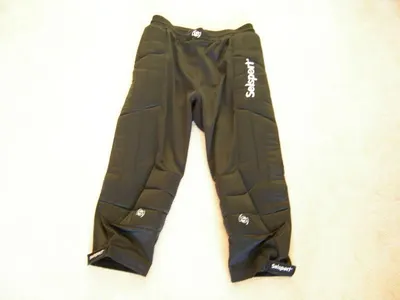
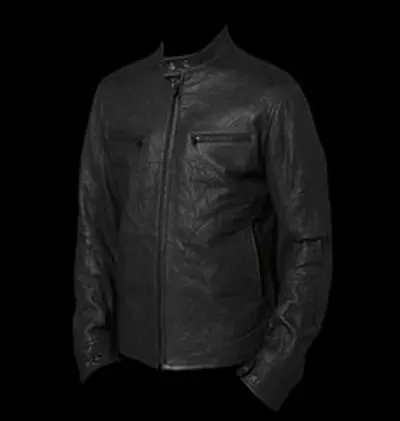
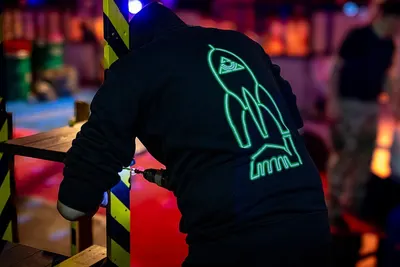
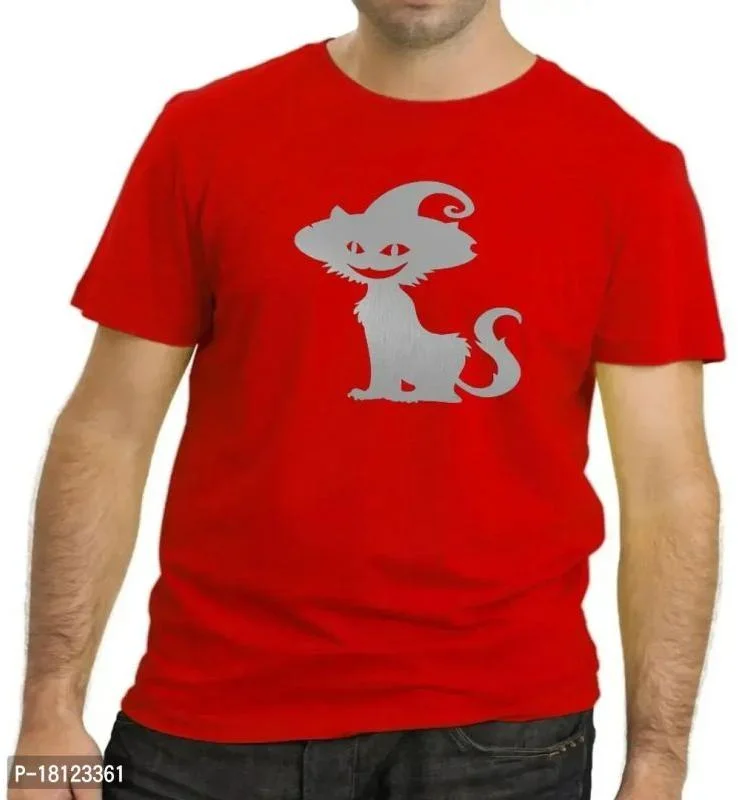
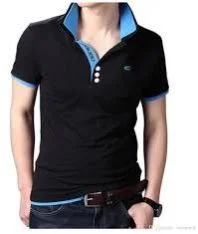
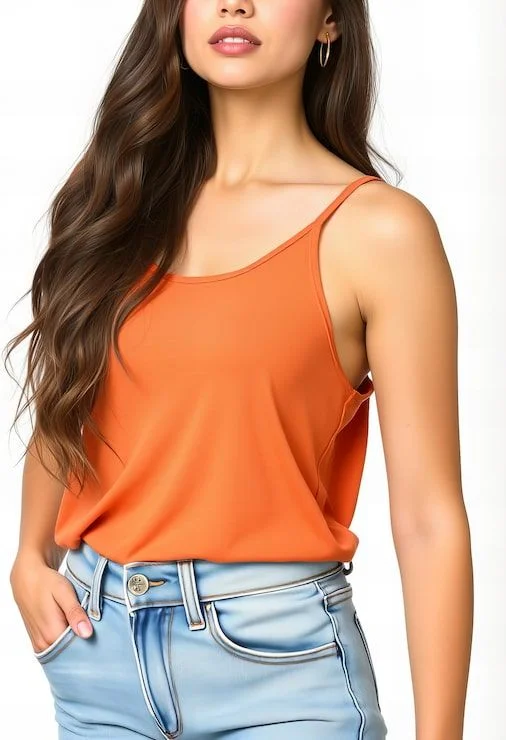
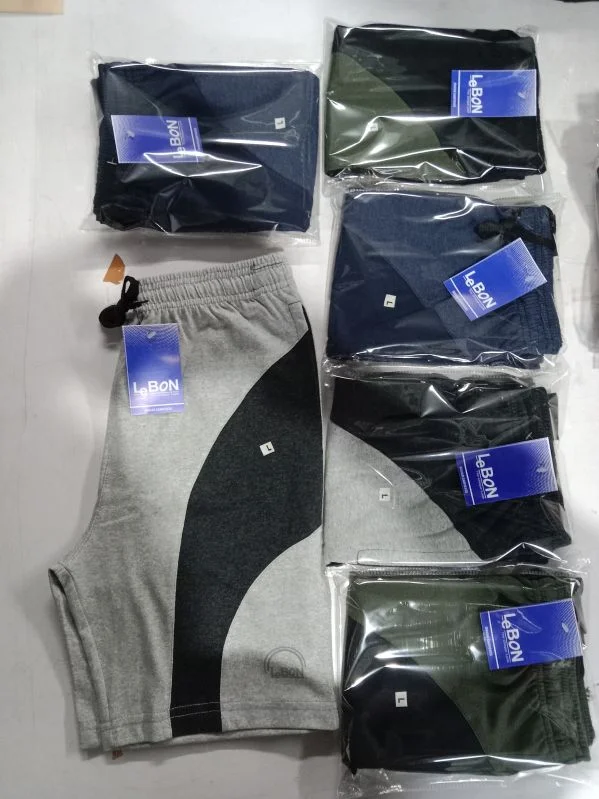
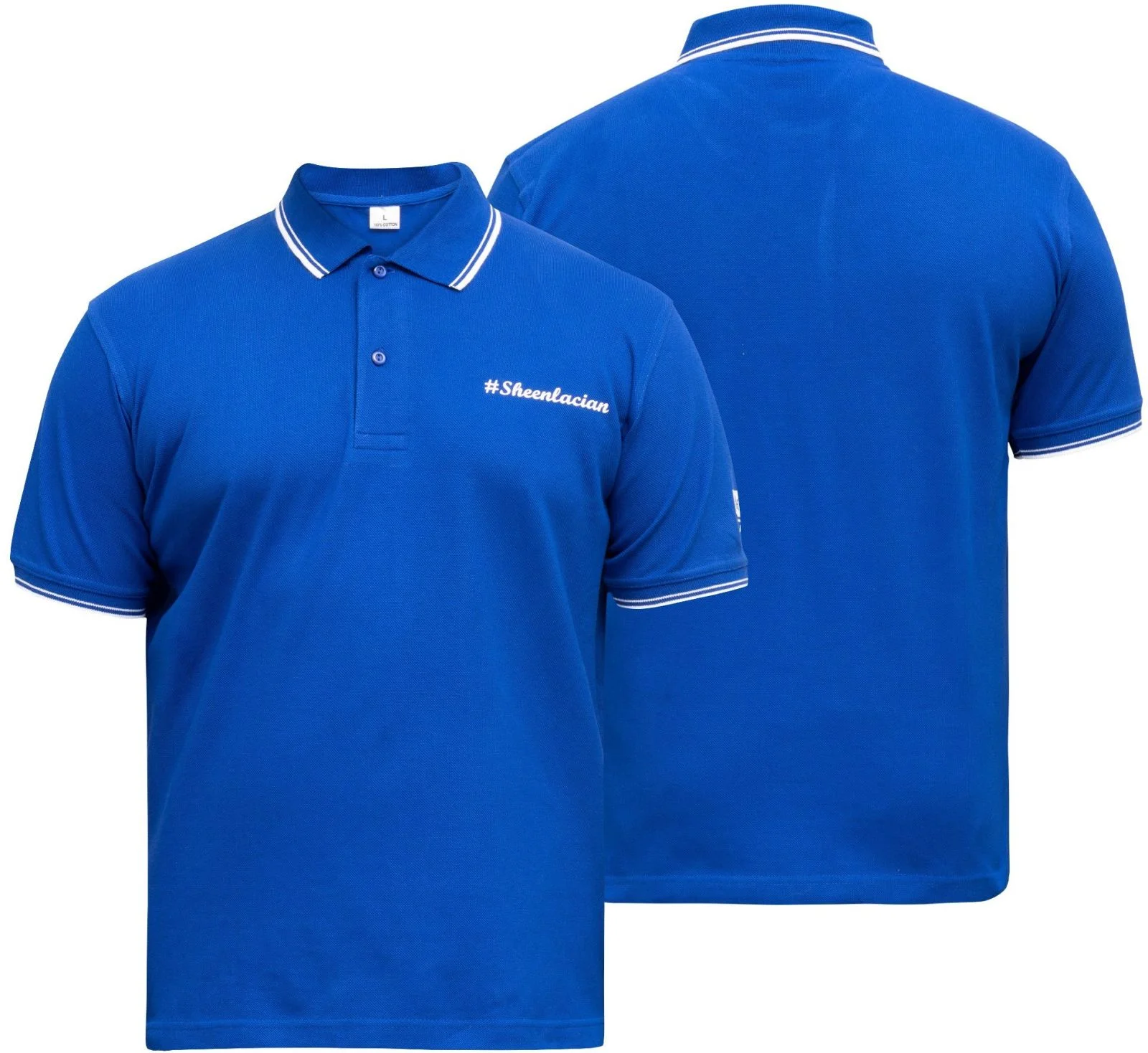
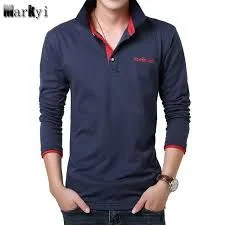
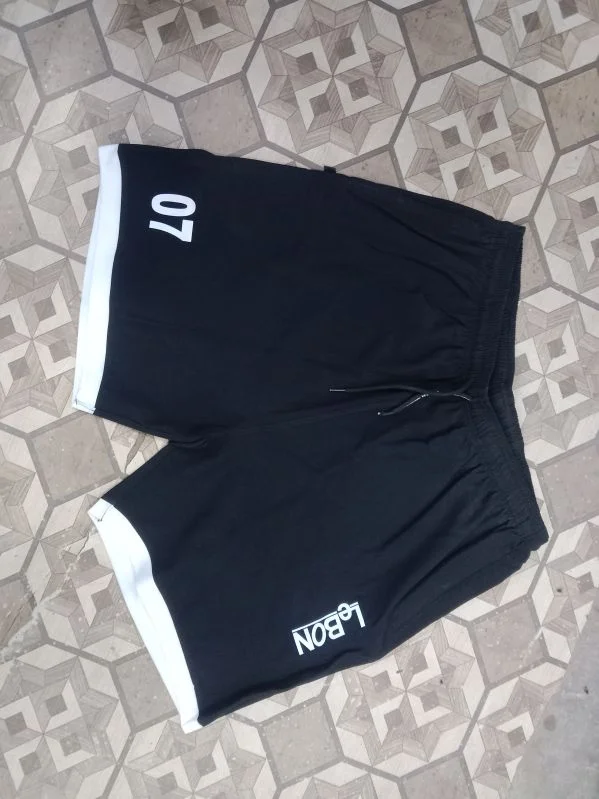
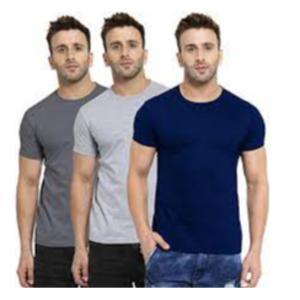
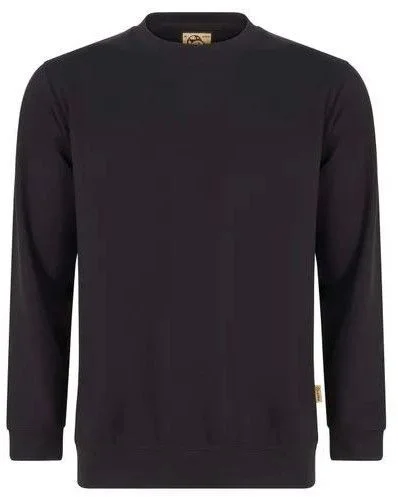
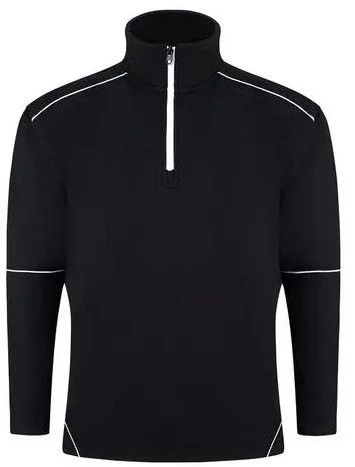
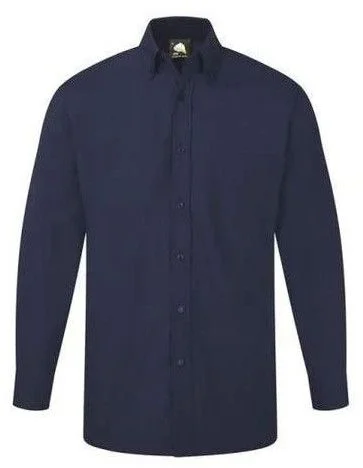
Bangladesh hosts a large garment manufacturing sector, and Khaled And Associates lists nine active products originating from this country. The catalogue covers basic T‑shirts, polo shirts, serafino shirts, ladies’ basic T‑shirts, a fancy tank top, a hoodie‑zipper jacket, a sweatshirt, long pants, and short pants, reflecting a mix of casual wear and outerwear for men and women.
The product set spans the HS‑10 chapters commonly used for apparel: chapter 61 for knitted garments such as T‑shirts and polo shirts, and chapter 62 for woven items like trousers and jackets. Each item is described by its garment type rather than detailed material composition, allowing buyers to match the catalogue to standard textile specifications such as cotton % or polyester blends during the sourcing stage.
Product Range and Specialties of Khaled And Associates
The supplier’s catalogue includes three knitted tops (Basic T‑shirt, Polo Shirt, Ladies Basic T‑Shirt), two specialized tops (Fancy Tank Top, Serafino shirts), one hoodie‑zipper jacket, one sweatshirt, and two types of trousers (Long Pant, Short Pant). In the global apparel market, knitted tops are typically produced in GSM ranges of 140‑180 for lightweight T‑shirts and 200‑250 for polo shirts, while woven trousers are often 180‑210 GSM with a waist measurement tolerance of ±2 cm.
Industry standards for these categories frequently reference ISO 9001 quality management, Oeko‑Tex Standard 100 for harmful substance testing, and colorfastness grades such as ISO 105‑B02 (3‑5 rating). Buyers usually request fabric composition labels (e.g., 100 % cotton or cotton‑polyester blends) and size‑specification sheets that align with ASTM D4966 for tear strength in outerwear.
Trade and Export Information - Khaled And Associates
Bangladesh is the world’s third‑largest apparel exporter, with the majority of shipments destined for the United States, the European Union, and Japan. Apparel items in the HS‑61 and HS‑62 families are typically cleared under the WTO‑aligned “Generalised System of Preferences” (GSP) which may reduce duties for compliant manufacturers, and buyers often require certificates of origin and compliance with the EU REACH chemical restrictions.
Logistically, finished garments are packed in bulk cartons (typically 60 × 40 × 30 cm) and loaded into 20‑ft or 40‑ft containers, with a standard 20‑ft container holding roughly 8 000 units of T‑shirts and a 40‑ft container accommodating up to 15 000 units depending on packaging density. Common Incoterms used by Bangladeshi exporters include FOB Chittagong and CIF Dubai, with freight forwarding firms handling pre‑shipment inspections mandated by buyers in North America and Europe.
Sourcing from Khaled And Associates - Buyer Guidance
When sourcing from Khaled And Associates, buyers should request a detailed product specification sheet that includes fabric composition, GSM, shrinkage rate, and color‑fastness test results. Samples of each garment type are standard practice; a pre‑production sample should be evaluated for stitching quality, seam strength (typically 3 N mm⁻¹ for casual wear), and compliance with any required certifications such as Oeko‑Tex or SA8000 before full‑scale orders are placed.
Buyers are also advised to verify the supplier’s ability to provide a Certificate of Origin and, where required, a third‑party inspection report covering measurements, weight, and labeling accuracy. Confirming lead times - usually 30‑45 days for bulk production after sample approval - and minimum order quantities (often 1 000 units per style for small‑batch buyers) helps align expectations before contract finalisation.
Frequently Asked Questions About Khaled And Associates
What types of garments does Khaled And Associates offer?
The catalogue lists nine items, including basic and polo T‑shirts, ladies’ T‑shirts, a fancy tank top, serafino shirts, a hoodie‑zipper jacket, a sweatshirt, and both long and short trousers.
Which HS code chapters cover the listed products?
The tops fall under HS Chapter 61 (knitted or crocheted garments) and the trousers and jacket are classified in HS Chapter 62 (woven garments).
Are any certifications held by the supplier?
The supplied facts do not mention specific certifications; buyers should request standard apparel certifications such as Oeko‑Tex Standard 100, ISO 9001, or SA8000 as part of the due‑diligence process.
What typical quality tests are applied to these garments?
Common tests include fabric composition analysis, GSM measurement, color‑fastness to washing (ISO 105‑B02), and seam strength testing according to ASTM D4966.
What are the usual minimum order quantities?
For small‑batch buyers, manufacturers in Bangladesh often set MOQs around 1 000 units per style, though exact figures should be confirmed with the supplier for each garment.
How long does production take after sample approval?
Lead times generally range from 30 to 45 days for bulk production of the listed apparel items, depending on order size and fabric availability.
What packaging format is used for export?
Garments are typically packed in bulk cartons sized about 60 × 40 × 30 cm, with each carton holding 30‑50 pieces of T‑shirts or 20‑30 pieces of outerwear, and loaded onto 20‑ft or 40‑ft containers.
Which Incoterms are commonly used for shipments from Bangladesh?
Exporters frequently use FOB Chittagong for buyer‑arranged freight, or CIF to regional hubs such as Dubai, reflecting standard logistics practice for Bangladeshi garment exporters.




 , Bangladesh