GPQL INTERTRADE CO., LTD. — Verified Trader & Wholesale Supplier
About GPQL INTERTRADE CO., LTD. - Corn Supplier in Thailand
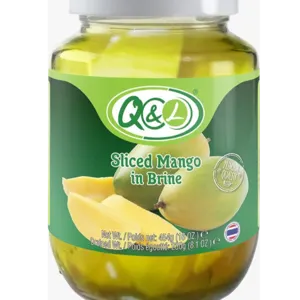
Thailand, Saraburi province, GPQL INTERTRADE CO., LTD. lists 21 active products in its catalogue. The list includes canned vegetables such as Whole Baby Corn in Brine (HS 2005.90, metal can) and Baby Corn CUT in Brine (HS 200190, metal can), as well as fruit preparations like Lychee in Syrup (HS 2008.99, metal can) and Longan in Syrup (HS 2008.99, metal can). Additional items cover staple grains (100% Pure Thai Hom Mali Rice, HS 1006.30, poly‑woven bag), starches (Tapioca Pearl White Large, HS 1108.13, sealed plastic bag), and various condiment products under HS 2001 series. The catalogue also mentions fresh mangoes and coconut palm sugar, though HS codes are not provided for those entries. Export destinations mentioned in the profile include Canada, Australia, New Zealand, Europe, Africa and the Middle East.
Product Range and Specialties of GPQL INTERTRADE CO., LTD.
The catalogue’s canned vegetable line follows standard specifications for brine‑preserved products. Whole baby corn in brine is commonly supplied in 200 g or 400 g metal cans, with a target moisture content below 85 % and a pH between 4.0‑4.5 to ensure microbial stability. Cut baby corn in brine is similarly packaged, with slice length typically 15‑20 mm. Fruit in syrup products such as lychee and longan are usually packed with a syrup sugar concentration of 30‑35 % (Brix) and a shelf life of 12‑24 months when stored at 15‑25 °C.
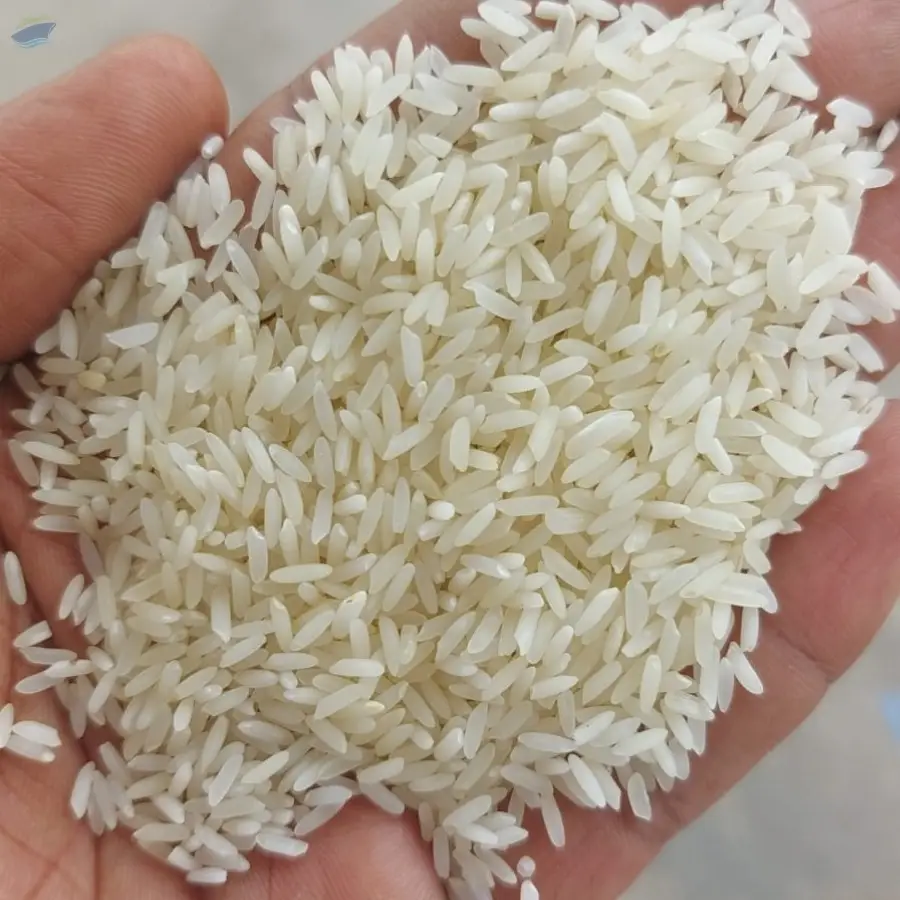
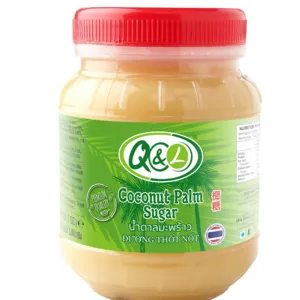
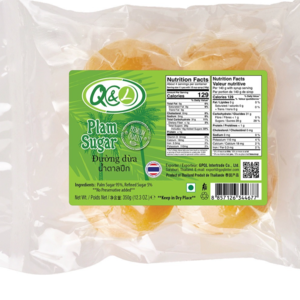
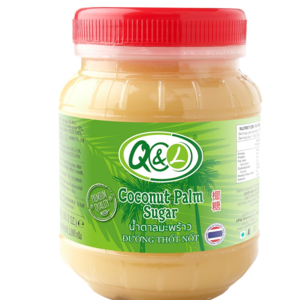
Dry commodities like Thai Hom Mali rice are exported in 25 kg poly‑woven bags, meeting the Thai Standard for rice (TS 942) and often graded as IRRI‑Milled, with moisture ≤14 %. Tapioca pearls are offered in large (≈5 mm) and small (≈2 mm) sizes, sealed in multi‑layer plastic bags to protect against moisture ingress. Coconut palm sugar and other sweeteners are typically sold as granulated or powdered forms with a moisture content below 5 % and a sucrose equivalence of 90‑95 %.
Trade and Export Information - GPQL INTERTRADE CO., LTD.
Thailand is a major exporter of canned horticultural products, with HS 2005‑2008 items destined for the EU, North America, Oceania and the Middle East. Buyers in these regions usually require compliance with HACCP, ISO 22000, and, for the EU, the European Food Safety Authority (EFSA) pesticide residue limits. Standard incoterms for Thai food exports are FOB Bangkok Port or CIF destination, and containers are typically loaded on 20‑ft units holding up to 1,200 cans of 400 g each, or 40‑ft units holding up to 2,400 cans.
Thailand’s rice exports fall under HS 1006 and are subject to phytosanitary certificates and, for the EU, the Rapid Alert System for Food and Feed (RASFF) checks. Tapioca pearls are classified under HS 1108 and often require a certificate of analysis confirming amylose content and absence of heavy metals. Sugar products from coconut palm are covered by HS 1701 and may need a declaration of origin to qualify for preferential tariffs under ASEAN trade agreements.
Sourcing from GPQL INTERTRADE CO., LTD. - Buyer Guidance
Importers should request a product specification sheet that lists can dimensions, net weight, brine concentration, pH, and shelf‑life for each canned item. A recent microbial test report (e.g., total plate count, yeasts & molds) and a pesticide residue analysis complying with EU maximum residue limits are standard documents for fruit syrups and canned vegetables.
For dry goods, buyers normally ask for a moisture content analysis, a grain quality report (e.g., IRRI grade for jasmine rice), and a laboratory certificate confirming the amylose ratio for tapioca pearls. Verification of ISO 22000 or HACCP certification, even if not listed, should be confirmed before contract finalization. Samples are typically dispatched in a 5 kg parcel for rice or a 1 kg sealed bag for tapioca, with lead times of 2‑3 weeks after order confirmation.
Frequently Asked Questions About GPQL INTERTRADE CO., LTD.
What canned vegetable products does GPQL INTERTRADE offer and under which HS codes?
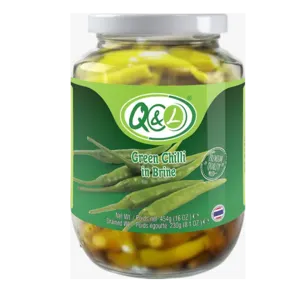
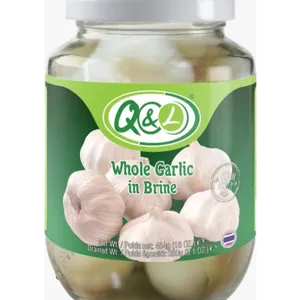
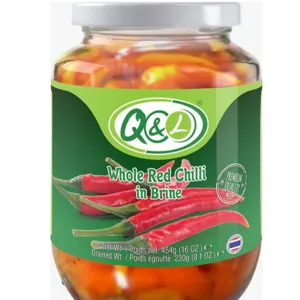
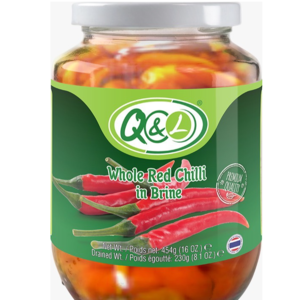
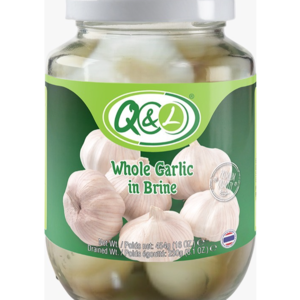
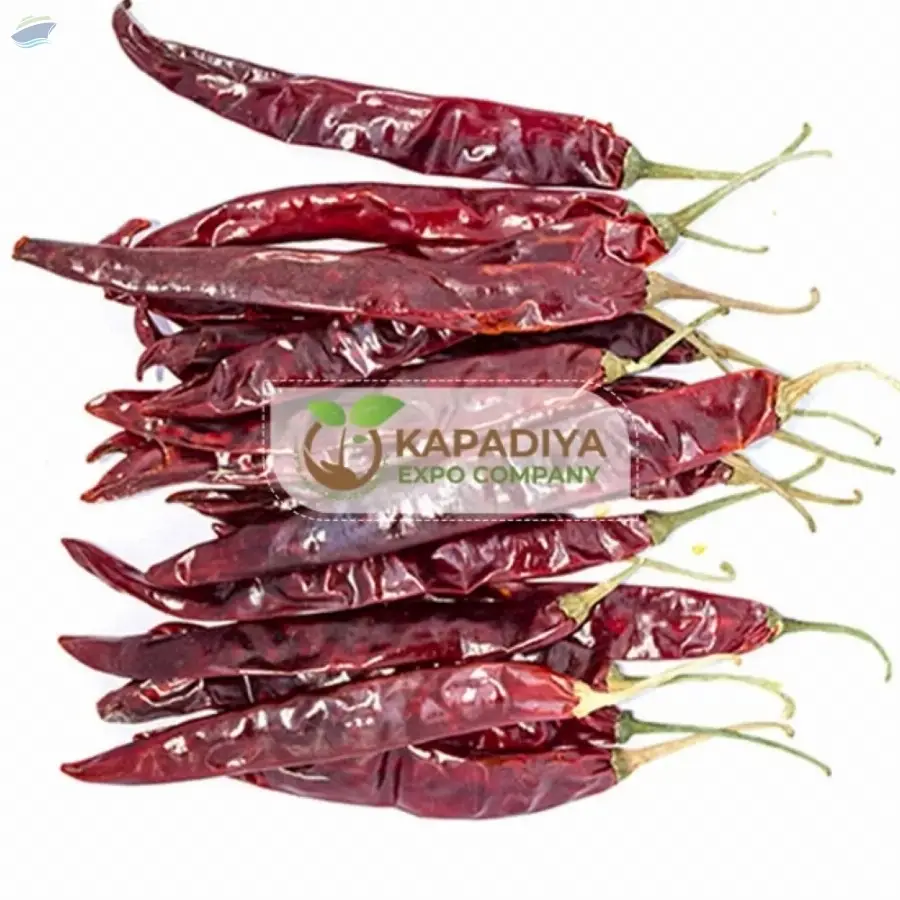
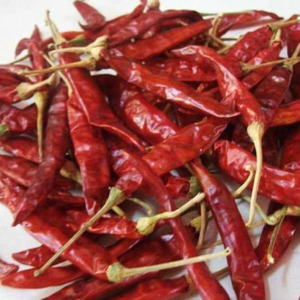
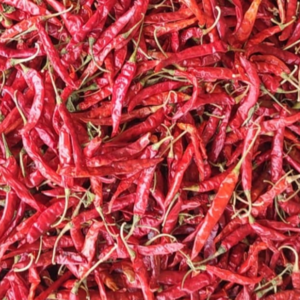
The supplier lists Whole Baby Corn in Brine (HS 2005.90) and Baby Corn CUT in Brine (HS 200190), both packed in metal cans. Additional canned items include whole red chilli in brine (HS 2001.30) and whole garlic in brine (HS 2001.90).
Are there any certifications listed for the food products?
No specific certifications are mentioned in the provided data. Buyers should request copies of HACCP, ISO 22000 or BRC certificates that are commonly required for Thai canned foods.
What packaging formats are used for the rice and tapioca products?
Thai Hom Mali rice is packed in poly‑woven bags, typically 25 kg per bag. Tapioca pearls are supplied in sealed plastic bags, with large pearls in 5 kg bags and small pearls in 2 kg bags.
What are the typical minimum order quantities (MOQs) and lead times?
While the catalogue does not state MOQs, industry practice for canned vegetables is 5 000 cans per SKU, and for dry goods 10 tons per shipment. Lead times are usually 30‑45 days from order receipt, depending on production scheduling and container availability.
Which export markets does the supplier serve?
The supplier’s profile mentions exports to Canada, Australia, New Zealand, Europe, Africa and the Middle East.
What documents should a buyer request before placing an order?
Buyers should ask for a product specification sheet, a recent laboratory analysis (microbial and pesticide residues), a phytosanitary certificate for fresh produce, and any applicable food safety certifications.




 , Thailand
.jpg.png)