Ardh Al Nakheel Tr L.L.C SP — Verified Supplier

About Ardh Al Nakheel Tr L.L.C SP - Rice Supplier in United Arab Emirates

Based in the United Arab Emirates, Ardh Al Nakheel Tr L.L.C SP lists 28 active products across staple grains, spices, edible oils and industrial charcoal. The catalogue covers cereals such as rice and wheat, legumes like lentils and chickpeas, a range of spices including cardamom, cinnamon, cloves and turmeric, and vegetable oil (sunflower oil). Export classifications fall under HS Chapter 10 for cereals, Chapter 12 for oil seeds and oils, Chapter 09 for spices and Chapter 44 for charcoal products. The supplier’s product list reflects common trade groups that UAE exporters handle for markets in the Middle East, Africa and South‑Asia.

The supplier’s detailed catalogue enumerates items such as rice, wheat, barley, millet, buckwheat, various spices, fresh vegetables and fruits, coffee beans, soybeans and two charcoal types (bamboo charcoal, coconut shell charcoal). Each entry is presented without additional branding, focusing on the commodity type that aligns with standard HS‑code families used in global trade. The breadth of 28 distinct items indicates a diversified food‑raw‑material portfolio suitable for bulk importing and processing operations.

Product Range and Specialties of Ardh Al Nakheel Tr L.L.C SP

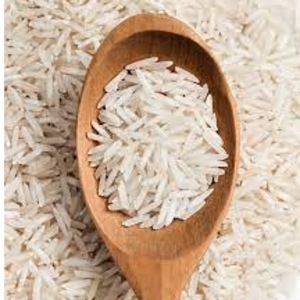
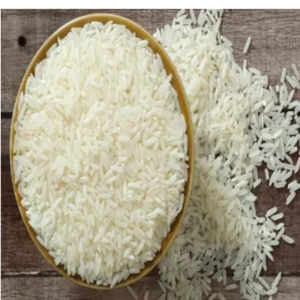
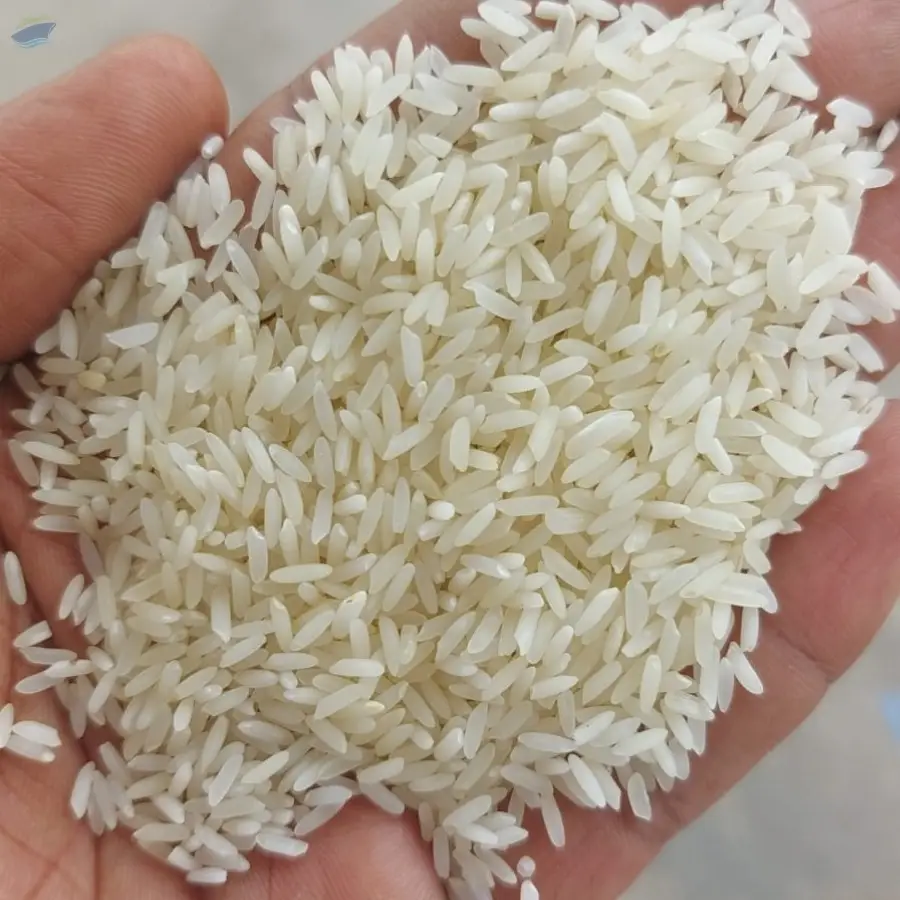
Ardh Al Nakheel Tr L.L.C SP’s catalogue includes major cereal grains (rice, wheat, barley, millet, buckwheat), legumes (lentils, chickpeas, soybeans), a selection of spices (cardamom, cinnamon, cloves, turmeric, cumin seeds, coriander, oregano, red chili), sunflower oil, fresh vegetables and fruits, coffee beans and two charcoal types (bamboo charcoal, coconut shell charcoal). In the grain market, buyers typically specify moisture limits of 14 % for rice and 13 % for wheat, broken grain percentages below 5 % for premium grades, and protein levels of 10‑12 % for wheat. Spice shipments are usually graded by essential oil content, moisture under 12 %, and compliance with maximum aflatoxin limits (e.g., 10 µg/kg for cumin). Sunflower oil is commonly required to meet free fatty acid (FFA) levels below 0.1 % and an iodine value around 110‑120. Charcoal products are graded by bulk density (0.35‑0.45 t/m³) and ash content under 5 % for industrial use.

Typical packaging follows industry standards: cereals and legumes are packed in 25 kg polypropylene bags or 1‑ton bulk bags, spices in 25 kg or 50 kg bags, oil in 200 L drums or bulk tanker containers, and charcoal in 20 kg or 25 kg bags. These formats align with the logistics of 20‑ft and 40‑ft containers commonly used for bulk food‑raw‑material shipments.

Trade and Export Information - Ardh Al Nakheel Tr L.L.C SP

The United Arab Emirates serves as a regional re‑export hub, leveraging its port infrastructure to ship commodities to the Gulf Cooperation Council, East Africa, South Asia and European markets. Cereals (HS 1001‑1008) and oil seeds (HS 1201‑1207) from the UAE are typically inspected under the Gulf Standardization Organization guidelines, while spices (HS 0904‑0906) often require a phytosanitary certificate and compliance with Codex Alimentarius limits for pesticide residues. Charcoal (HS 4401) exports are subject to fire safety and moisture content testing, especially for industrial briquette applications.

Buyers usually request ISO 22000 or HACCP certification for food‑grade items, along with a Certificate of Origin and SGS inspection reports. Shipping is frequently arranged on a free‑on‑board (FOB) basis from Jebel Ali Port, with full container loads (FCL) of 20‑ft (≈20 tons) or 40‑ft (≈40 tons) depending on product density. Documentation commonly includes the commercial invoice, packing list, bill of lading, and any required import permits for the destination country.

Sourcing from Ardh Al Nakheel Tr L.L.C SP - Buyer Guidance

When sourcing from Ardh Al Nakheel Tr L.L.C SP, buyers should request a recent product specification sheet that details moisture, protein, ash and any pesticide residue limits for each commodity. A sample analysis report from an accredited laboratory (e.g., SGS or Intertek) should be obtained before confirming bulk quantities, especially for spices and oil where contaminant thresholds are strict.

Buyers are advised to verify the presence of a phytosanitary certificate for fresh produce and a Certificate of Origin for tariff‑benefit claims. Confirm the packaging type (e.g., 25 kg PP bags for grains) and assess whether the supplier can accommodate the required container size and Incoterm (FOB, CIF) for the target market. Requesting a pilot shipment of 1‑2 tons can help validate quality consistency and documentation compliance.

Frequently Asked Questions About Ardh Al Nakheel Tr L.L.C SP

What HS codes are applicable to the cereals offered by Ardh Al Nakheel Tr L.L.C SP?

Cereals such as rice, wheat, barley, millet and buckwheat fall under HS Chapter 10, typically HS 1001 for wheat and HS 1006 for rice. The exact sub‑heading depends on the grain type and processing level (e.g., milled or paddy).

Which certifications should a buyer request for the spice products?

Buyers should ask for a phytosanitary certificate, a Certificate of Analysis showing moisture, essential oil content and pesticide limits, and optionally ISO 22000 or HACCP compliance if the spice will enter a food‑processing line.

How is sunflower oil usually packaged for export?

Sunflower oil is commonly shipped in 200 L steel drums or bulk tanker containers. Export shipments often include a Certificate of Origin, a COA for free fatty acid content and an SGS inspection report.

What are the typical quality parameters for bamboo charcoal and coconut shell charcoal?

Industrial charcoal is graded by bulk density (0.35‑0.45 t/m³), ash content below 5 %, and moisture under 8 %. Documentation normally includes a laboratory test report and a fire‑safety compliance certificate.

Can the supplier provide bulk shipments in 40‑ft containers?

Yes, the product range includes bulk‑compatible packaging such as 25 kg bags for grains and 20‑kg bags for charcoal, which can be loaded into 40‑ft containers to achieve approximately 40 tons depending on product density.

What documentation is required for importing fresh vegetables and fruits?

Importers should obtain a phytosanitary certificate, a Certificate of Origin, and a laboratory test report confirming compliance with pesticide residue limits. The commercial invoice and packing list must also accompany the bill of lading.

Is a sample available for coffee beans before a full order?

Buyers can request a 5‑kg sample of coffee beans along with a Certificate of Analysis that details moisture content (typically below 12 %) and any foreign matter or pesticide residues. Sample testing helps verify the bean grade and origin before scaling up the order.

What are the typical payment terms for bulk food‑raw‑material orders from this supplier?

While the supplier’s specific terms are not disclosed, buyers in this sector commonly use a Letter of Credit (L/C) at sight or a 30‑day post‑shipment payment upon presentation of clean documents. Confirm the preferred Incoterm (FOB or CIF) and document requirements before finalizing the contract.


Other Suppliers in Rice

Top Trusted Suppliers

Related Products in Rice

Trending in Parent Category

More Suppliers in Parent Category

Related Products

Other Suppliers

EximNext
58.4K+ live requirements
Register Free🎁 5 free buy-lead credits
Post Requirement
🌍 Trusted by 224.3K+ businesses in 200+ countries|
58.4K+ active requirements right now
✉️ [email protected]
|
Sell on EximNextPost Requirement
EximNext
AgricultureApparelConstructionElectronicFoodHomeIndustrialMineralsMiscellaneous
🔥 Deals|✨ AI Match|🏭 Suppliers|📋 Buy Leads|💰 Trade Finance|⭐ Upgrade
58.4K+ live RFQs·194.4K+ suppliers
🎁 5 free credits →
EximNext
EximNext
Register Free
🎁 5 free buy-lead credits
Sign In
📋Post Requirement💬Get QuotesAI Match📋RFQ Marketplace
All Categories
Services & Tools
🏭Supplier Directory🔥Today's Deals💰Trade FinanceMembership
Sell on EximNext
AboutContactBlogHelp
🏭

Ardh Al Nakheel Tr L.L.C SP

Harbor
Country flag , United Arab Emirates
🛡️
81/100
Trust Score

Ardh Al Nakheel Tr L.L.C SP Product Catalog

Showing 12 of 28 products
View all products →
Briquettes
Harbor
Briquettes
Contact
MOQ: 1 Unit
Coconut Shell Charcoal
Harbor
Coconut Shell Charcoal
Contact
MOQ: 1 Unit
Lentils
Harbor
Lentils
Contact
MOQ: 1 Unit
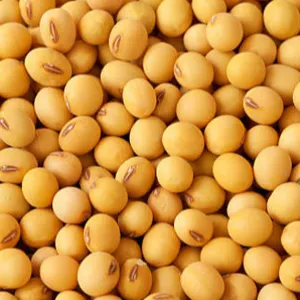
Soybeans
Harbor
Soybeans
Contact
MOQ: 1 Unit
Coffee Beans
Harbor
Coffee Beans
Contact
MOQ: 1 Unit
Watermelon
Harbor
Watermelon
Contact
MOQ: 1 Unit
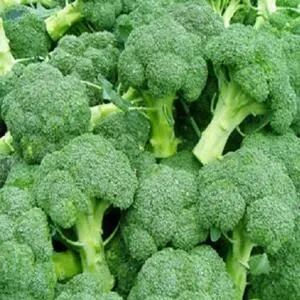
Broccoli
Harbor
Broccoli
Contact
MOQ: 1 Unit
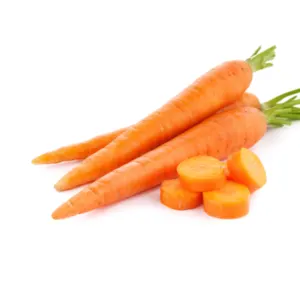
Carrots
Harbor
Carrots
Contact
MOQ: 1 Unit
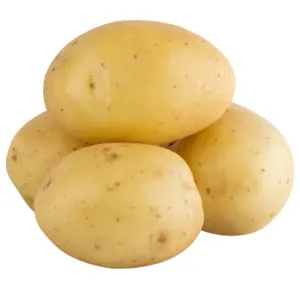
Potatoes
Harbor
Potatoes
Contact
MOQ: 1 Unit
Lemons
Harbor
Lemons
Contact
MOQ: 1 Unit
Garlic
Harbor
Garlic
Contact
MOQ: 1 Unit
Red Chili
Harbor
Red Chili
Contact
MOQ: 1 Unit

About Ardh Al Nakheel Tr L.L.C SP - Rice Supplier in United Arab Emirates

Based in the United Arab Emirates, Ardh Al Nakheel Tr L.L.C SP lists 28 active products across staple grains, spices, edible oils and industrial charcoal. The catalogue covers cereals such as rice and wheat, legumes like lentils and chickpeas, a range of spices including cardamom, cinnamon, cloves and turmeric, and vegetable oil (sunflower oil). Export classifications fall under HS Chapter 10 for cereals, Chapter 12 for oil seeds and oils, Chapter 09 for spices and Chapter 44 for charcoal products. The supplier’s product list reflects common trade groups that UAE exporters handle for markets in the Middle East, Africa and South‑Asia.

The supplier’s detailed catalogue enumerates items such as rice, wheat, barley, millet, buckwheat, various spices, fresh vegetables and fruits, coffee beans, soybeans and two charcoal types (bamboo charcoal, coconut shell charcoal). Each entry is presented without additional branding, focusing on the commodity type that aligns with standard HS‑code families used in global trade. The breadth of 28 distinct items indicates a diversified food‑raw‑material portfolio suitable for bulk importing and processing operations.

Product Range and Specialties of Ardh Al Nakheel Tr L.L.C SP

Ardh Al Nakheel Tr L.L.C SP’s catalogue includes major cereal grains (rice, wheat, barley, millet, buckwheat), legumes (lentils, chickpeas, soybeans), a selection of spices (cardamom, cinnamon, cloves, turmeric, cumin seeds, coriander, oregano, red chili), sunflower oil, fresh vegetables and fruits, coffee beans and two charcoal types (bamboo charcoal, coconut shell charcoal). In the grain market, buyers typically specify moisture limits of 14 % for rice and 13 % for wheat, broken grain percentages below 5 % for premium grades, and protein levels of 10‑12 % for wheat. Spice shipments are usually graded by essential oil content, moisture under 12 %, and compliance with maximum aflatoxin limits (e.g., 10 µg/kg for cumin). Sunflower oil is commonly required to meet free fatty acid (FFA) levels below 0.1 % and an iodine value around 110‑120. Charcoal products are graded by bulk density (0.35‑0.45 t/m³) and ash content under 5 % for industrial use.

Typical packaging follows industry standards: cereals and legumes are packed in 25 kg polypropylene bags or 1‑ton bulk bags, spices in 25 kg or 50 kg bags, oil in 200 L drums or bulk tanker containers, and charcoal in 20 kg or 25 kg bags. These formats align with the logistics of 20‑ft and 40‑ft containers commonly used for bulk food‑raw‑material shipments.

Trade and Export Information - Ardh Al Nakheel Tr L.L.C SP

The United Arab Emirates serves as a regional re‑export hub, leveraging its port infrastructure to ship commodities to the Gulf Cooperation Council, East Africa, South Asia and European markets. Cereals (HS 1001‑1008) and oil seeds (HS 1201‑1207) from the UAE are typically inspected under the Gulf Standardization Organization guidelines, while spices (HS 0904‑0906) often require a phytosanitary certificate and compliance with Codex Alimentarius limits for pesticide residues. Charcoal (HS 4401) exports are subject to fire safety and moisture content testing, especially for industrial briquette applications.

Buyers usually request ISO 22000 or HACCP certification for food‑grade items, along with a Certificate of Origin and SGS inspection reports. Shipping is frequently arranged on a free‑on‑board (FOB) basis from Jebel Ali Port, with full container loads (FCL) of 20‑ft (≈20 tons) or 40‑ft (≈40 tons) depending on product density. Documentation commonly includes the commercial invoice, packing list, bill of lading, and any required import permits for the destination country.

Sourcing from Ardh Al Nakheel Tr L.L.C SP - Buyer Guidance

When sourcing from Ardh Al Nakheel Tr L.L.C SP, buyers should request a recent product specification sheet that details moisture, protein, ash and any pesticide residue limits for each commodity. A sample analysis report from an accredited laboratory (e.g., SGS or Intertek) should be obtained before confirming bulk quantities, especially for spices and oil where contaminant thresholds are strict.

Buyers are advised to verify the presence of a phytosanitary certificate for fresh produce and a Certificate of Origin for tariff‑benefit claims. Confirm the packaging type (e.g., 25 kg PP bags for grains) and assess whether the supplier can accommodate the required container size and Incoterm (FOB, CIF) for the target market. Requesting a pilot shipment of 1‑2 tons can help validate quality consistency and documentation compliance.

Frequently Asked Questions About Ardh Al Nakheel Tr L.L.C SP

What HS codes are applicable to the cereals offered by Ardh Al Nakheel Tr L.L.C SP?

Cereals such as rice, wheat, barley, millet and buckwheat fall under HS Chapter 10, typically HS 1001 for wheat and HS 1006 for rice. The exact sub‑heading depends on the grain type and processing level (e.g., milled or paddy).

Which certifications should a buyer request for the spice products?

Buyers should ask for a phytosanitary certificate, a Certificate of Analysis showing moisture, essential oil content and pesticide limits, and optionally ISO 22000 or HACCP compliance if the spice will enter a food‑processing line.

How is sunflower oil usually packaged for export?

Sunflower oil is commonly shipped in 200 L steel drums or bulk tanker containers. Export shipments often include a Certificate of Origin, a COA for free fatty acid content and an SGS inspection report.

What are the typical quality parameters for bamboo charcoal and coconut shell charcoal?

Industrial charcoal is graded by bulk density (0.35‑0.45 t/m³), ash content below 5 %, and moisture under 8 %. Documentation normally includes a laboratory test report and a fire‑safety compliance certificate.

Can the supplier provide bulk shipments in 40‑ft containers?

Yes, the product range includes bulk‑compatible packaging such as 25 kg bags for grains and 20‑kg bags for charcoal, which can be loaded into 40‑ft containers to achieve approximately 40 tons depending on product density.

What documentation is required for importing fresh vegetables and fruits?

Importers should obtain a phytosanitary certificate, a Certificate of Origin, and a laboratory test report confirming compliance with pesticide residue limits. The commercial invoice and packing list must also accompany the bill of lading.

Is a sample available for coffee beans before a full order?

Buyers can request a 5‑kg sample of coffee beans along with a Certificate of Analysis that details moisture content (typically below 12 %) and any foreign matter or pesticide residues. Sample testing helps verify the bean grade and origin before scaling up the order.

What are the typical payment terms for bulk food‑raw‑material orders from this supplier?

While the supplier’s specific terms are not disclosed, buyers in this sector commonly use a Letter of Credit (L/C) at sight or a 30‑day post‑shipment payment upon presentation of clean documents. Confirm the preferred Incoterm (FOB or CIF) and document requirements before finalizing the contract.

About Ardh Al Nakheel Tr L.L.C SP - Rice Supplier in United Arab Emirates

Based in the United Arab Emirates, Ardh Al Nakheel Tr L.L.C SP lists 28 active products across staple grains, spices, edible oils and industrial charcoal. The catalogue covers cereals such as rice and wheat, legumes like lentils and chickpeas, a range of spices including cardamom, cinnamon, cloves and turmeric, and vegetable oil (sunflower oil). Export classifications fall under HS Chapter 10 for cereals, Chapter 12 for oil seeds and oils, Chapter 09 for spices and Chapter 44 for charcoal products. The supplier’s product list reflects common trade groups that UAE exporters handle for markets in the Middle East, Africa and South‑Asia.

The supplier’s detailed catalogue enumerates items such as rice, wheat, barley, millet, buckwheat, various spices, fresh vegetables and fruits, coffee beans, soybeans and two charcoal types (bamboo charcoal, coconut shell charcoal). Each entry is presented without additional branding, focusing on the commodity type that aligns with standard HS‑code families used in global trade. The breadth of 28 distinct items indicates a diversified food‑raw‑material portfolio suitable for bulk importing and processing operations.

Product Range and Specialties of Ardh Al Nakheel Tr L.L.C SP

Ardh Al Nakheel Tr L.L.C SP’s catalogue includes major cereal grains (rice, wheat, barley, millet, buckwheat), legumes (lentils, chickpeas, soybeans), a selection of spices (cardamom, cinnamon, cloves, turmeric, cumin seeds, coriander, oregano, red chili), sunflower oil, fresh vegetables and fruits, coffee beans and two charcoal types (bamboo charcoal, coconut shell charcoal). In the grain market, buyers typically specify moisture limits of 14 % for rice and 13 % for wheat, broken grain percentages below 5 % for premium grades, and protein levels of 10‑12 % for wheat. Spice shipments are usually graded by essential oil content, moisture under 12 %, and compliance with maximum aflatoxin limits (e.g., 10 µg/kg for cumin). Sunflower oil is commonly required to meet free fatty acid (FFA) levels below 0.1 % and an iodine value around 110‑120. Charcoal products are graded by bulk density (0.35‑0.45 t/m³) and ash content under 5 % for industrial use.

Typical packaging follows industry standards: cereals and legumes are packed in 25 kg polypropylene bags or 1‑ton bulk bags, spices in 25 kg or 50 kg bags, oil in 200 L drums or bulk tanker containers, and charcoal in 20 kg or 25 kg bags. These formats align with the logistics of 20‑ft and 40‑ft containers commonly used for bulk food‑raw‑material shipments.

Trade and Export Information - Ardh Al Nakheel Tr L.L.C SP

The United Arab Emirates serves as a regional re‑export hub, leveraging its port infrastructure to ship commodities to the Gulf Cooperation Council, East Africa, South Asia and European markets. Cereals (HS 1001‑1008) and oil seeds (HS 1201‑1207) from the UAE are typically inspected under the Gulf Standardization Organization guidelines, while spices (HS 0904‑0906) often require a phytosanitary certificate and compliance with Codex Alimentarius limits for pesticide residues. Charcoal (HS 4401) exports are subject to fire safety and moisture content testing, especially for industrial briquette applications.

Buyers usually request ISO 22000 or HACCP certification for food‑grade items, along with a Certificate of Origin and SGS inspection reports. Shipping is frequently arranged on a free‑on‑board (FOB) basis from Jebel Ali Port, with full container loads (FCL) of 20‑ft (≈20 tons) or 40‑ft (≈40 tons) depending on product density. Documentation commonly includes the commercial invoice, packing list, bill of lading, and any required import permits for the destination country.

Sourcing from Ardh Al Nakheel Tr L.L.C SP - Buyer Guidance

When sourcing from Ardh Al Nakheel Tr L.L.C SP, buyers should request a recent product specification sheet that details moisture, protein, ash and any pesticide residue limits for each commodity. A sample analysis report from an accredited laboratory (e.g., SGS or Intertek) should be obtained before confirming bulk quantities, especially for spices and oil where contaminant thresholds are strict.

Buyers are advised to verify the presence of a phytosanitary certificate for fresh produce and a Certificate of Origin for tariff‑benefit claims. Confirm the packaging type (e.g., 25 kg PP bags for grains) and assess whether the supplier can accommodate the required container size and Incoterm (FOB, CIF) for the target market. Requesting a pilot shipment of 1‑2 tons can help validate quality consistency and documentation compliance.

Frequently Asked Questions About Ardh Al Nakheel Tr L.L.C SP
What HS codes are applicable to the cereals offered by Ardh Al Nakheel Tr L.L.C SP?
Cereals such as rice, wheat, barley, millet and buckwheat fall under HS Chapter 10, typically HS 1001 for wheat and HS 1006 for rice. The exact sub‑heading depends on the grain type and processing level (e.g., milled or paddy).
Which certifications should a buyer request for the spice products?
Buyers should ask for a phytosanitary certificate, a Certificate of Analysis showing moisture, essential oil content and pesticide limits, and optionally ISO 22000 or HACCP compliance if the spice will enter a food‑processing line.
How is sunflower oil usually packaged for export?
Sunflower oil is commonly shipped in 200 L steel drums or bulk tanker containers. Export shipments often include a Certificate of Origin, a COA for free fatty acid content and an SGS inspection report.
What are the typical quality parameters for bamboo charcoal and coconut shell charcoal?
Industrial charcoal is graded by bulk density (0.35‑0.45 t/m³), ash content below 5 %, and moisture under 8 %. Documentation normally includes a laboratory test report and a fire‑safety compliance certificate.
Can the supplier provide bulk shipments in 40‑ft containers?
Yes, the product range includes bulk‑compatible packaging such as 25 kg bags for grains and 20‑kg bags for charcoal, which can be loaded into 40‑ft containers to achieve approximately 40 tons depending on product density.
What documentation is required for importing fresh vegetables and fruits?
Importers should obtain a phytosanitary certificate, a Certificate of Origin, and a laboratory test report confirming compliance with pesticide residue limits. The commercial invoice and packing list must also accompany the bill of lading.
Is a sample available for coffee beans before a full order?
Buyers can request a 5‑kg sample of coffee beans along with a Certificate of Analysis that details moisture content (typically below 12 %) and any foreign matter or pesticide residues. Sample testing helps verify the bean grade and origin before scaling up the order.
What are the typical payment terms for bulk food‑raw‑material orders from this supplier?
While the supplier’s specific terms are not disclosed, buyers in this sector commonly use a Letter of Credit (L/C) at sight or a 30‑day post‑shipment payment upon presentation of clean documents. Confirm the preferred Incoterm (FOB or CIF) and document requirements before finalizing the contract.

🏭
Ardh Al Nakheel Tr L.L.C SP
Country flag , United Arab Emirates
Harbor
81/100
Trust Score
📦
28
Products
Free to contact — no commission
Escrow payment available
Verified business identity
Compare more suppliers
Post a requirement — get 10 quotes free
Let verified suppliers compete for your business. Free, fast, no commitment.
EximNext Verified Supplier
Business identity verified
Physical address confirmed
Financial history checked
Certifications authenticated
Trade references validated
Due Diligence
Verify this supplier's real shipping history.
Every shipment, every buyer, every port. Trade data that can't be faked.
Run due diligence →
Discover More

Related Suppliers & Products

Explore similar suppliers, related products and trending categories

Other Suppliers in Rice

Top Trusted Suppliers

Related Products in Rice

Trending in Parent Category

More Suppliers in Parent Category

Stay ahead in global trade
Weekly market insights & new supplier alerts.
EximNext
Exim Next is a leading global B2B marketplace, connecting over 205,000 verified suppliers and buyers across 200+ countries. As a trusted import export marketplace, it serves as the essential B2B portal for businesses worldwide, empowering them to expand their international reach. With Exim Next, businesses can trade smarter and grow faster.
SECURE PAYMENTS
VISAMastercardPayPalSWIFTL/CEscrow
Follow us
© 2026 EximNext