Erimpex — Verified Supplier
About Erimpex - Food Products Supplier in Netherlands
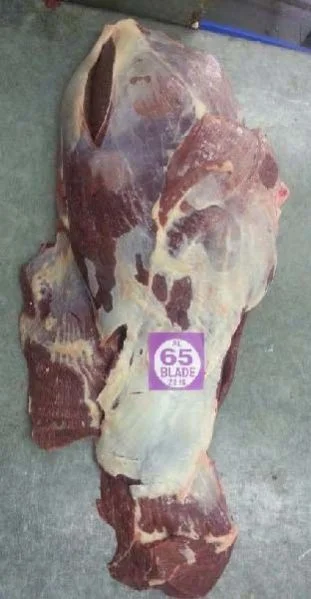
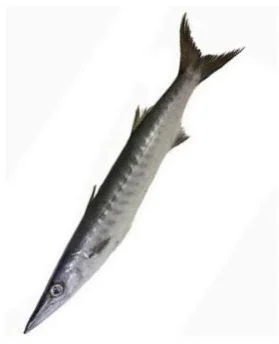
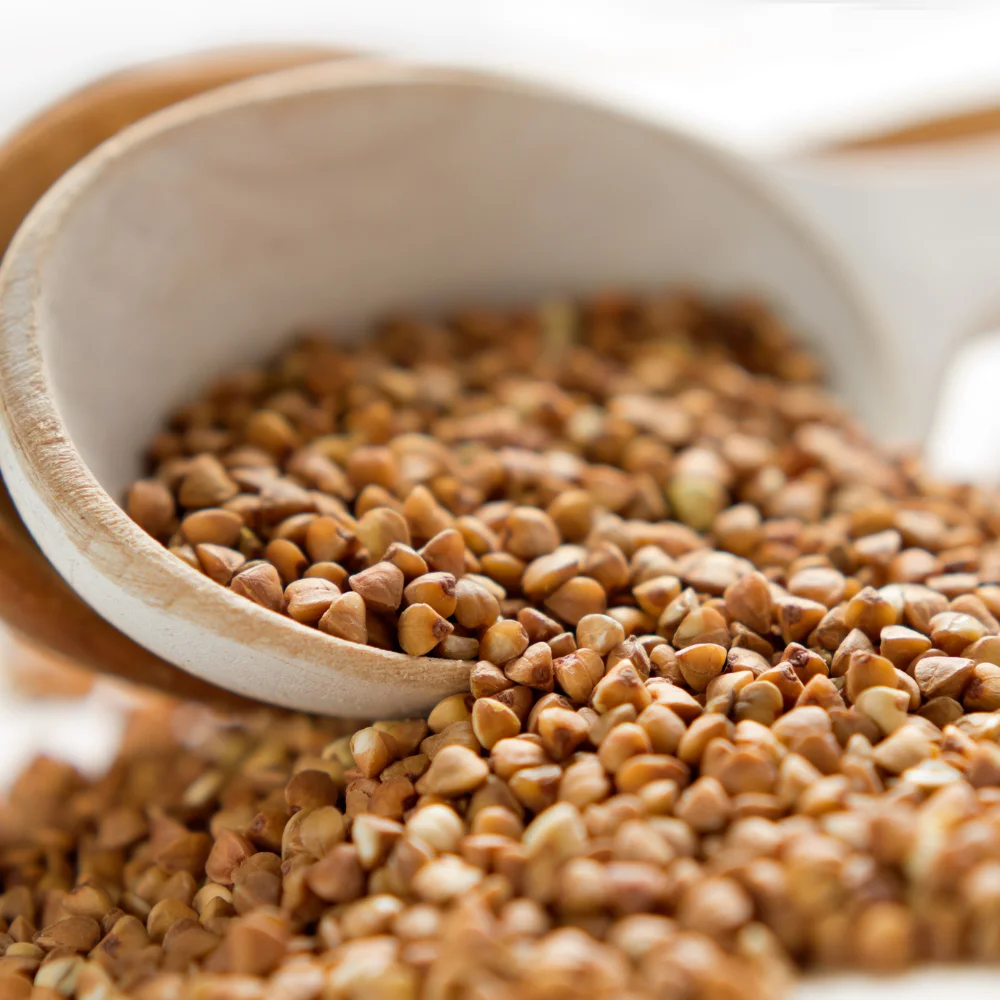
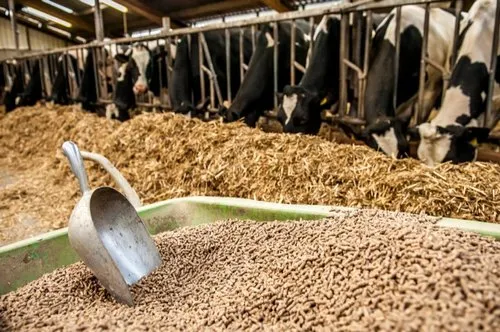
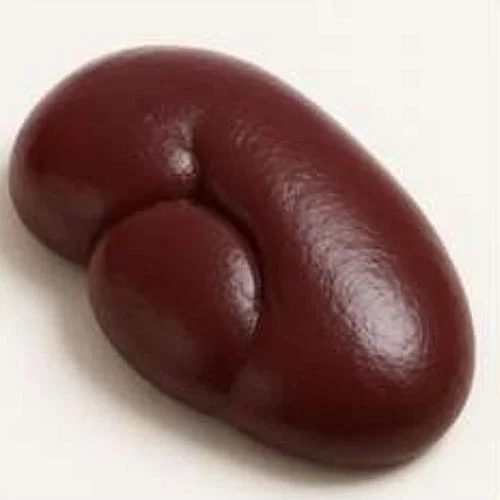
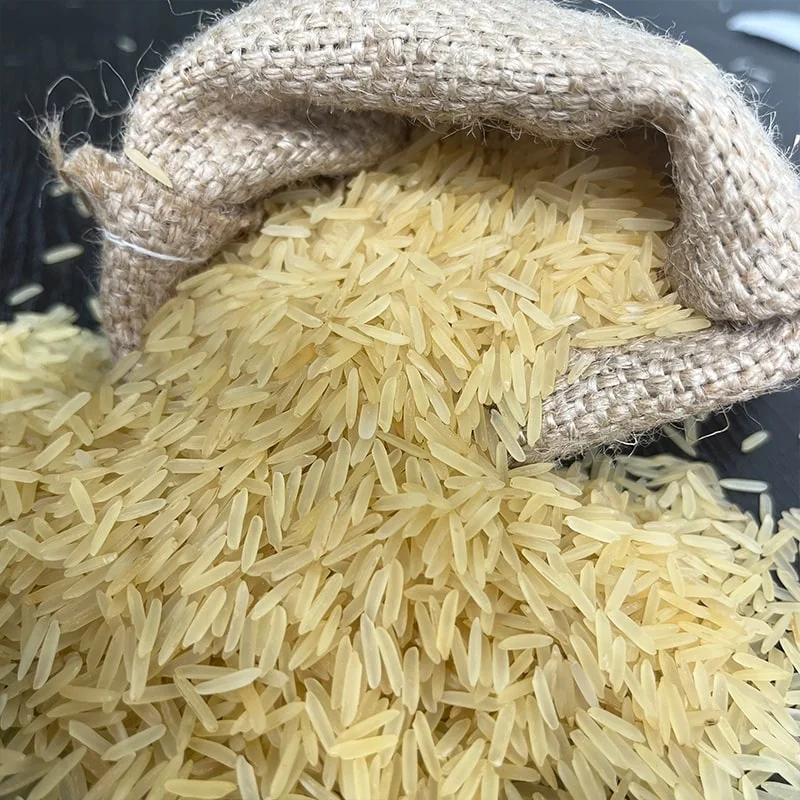
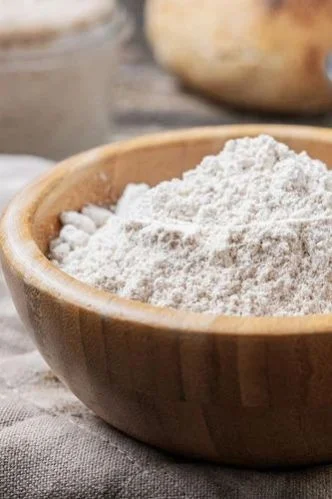
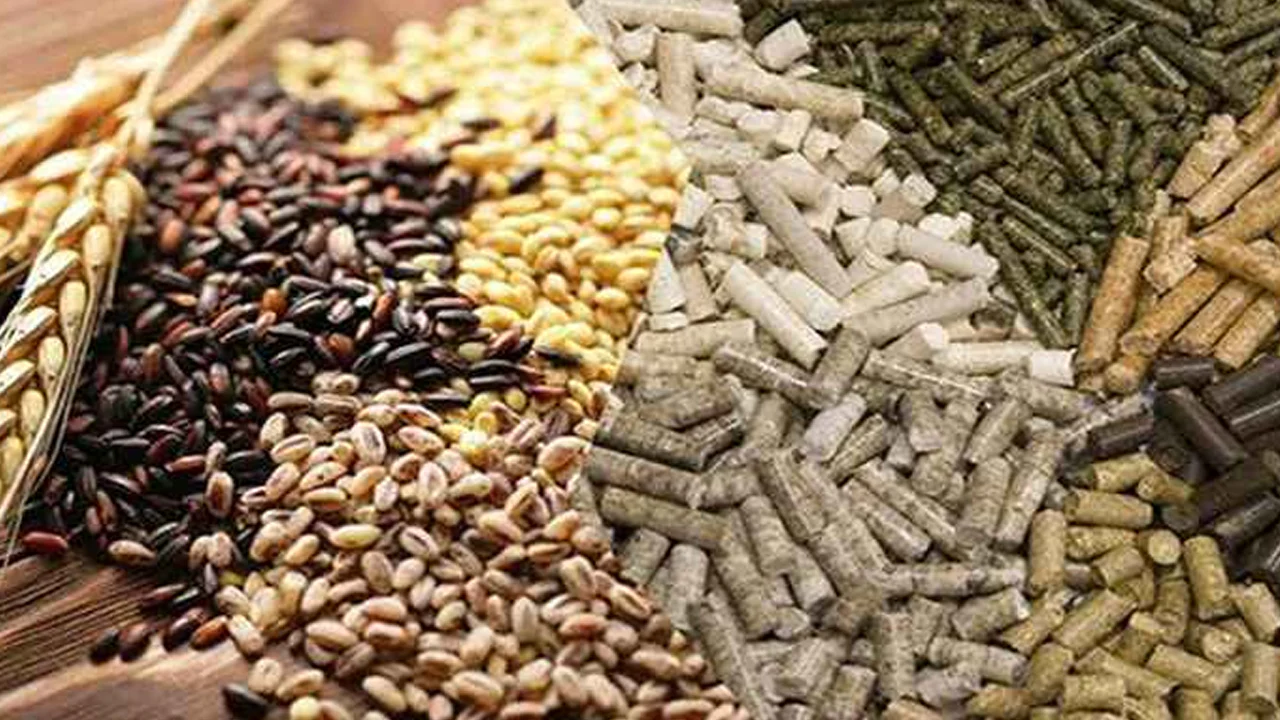
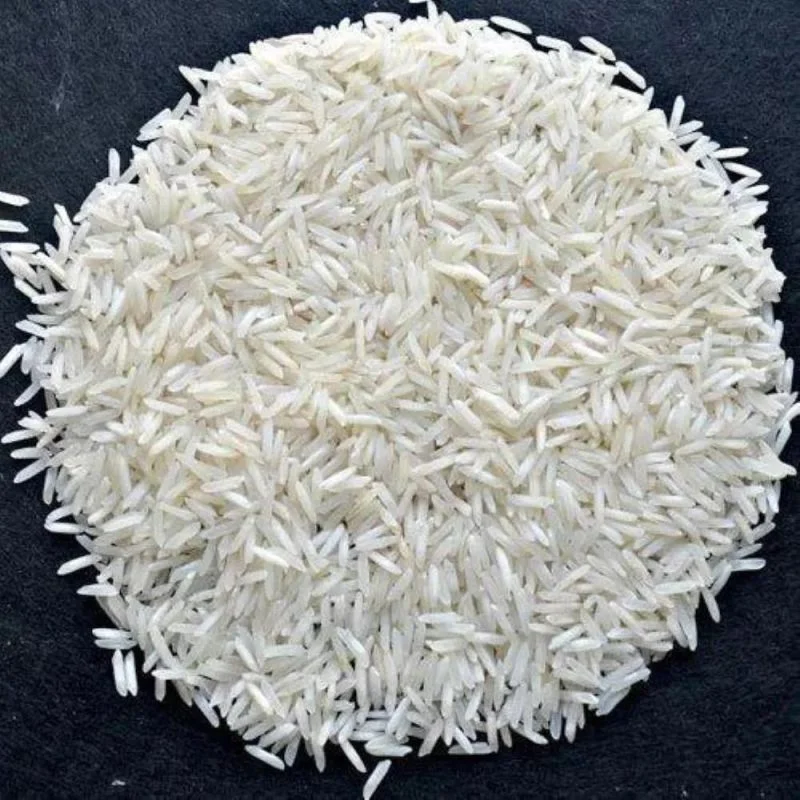
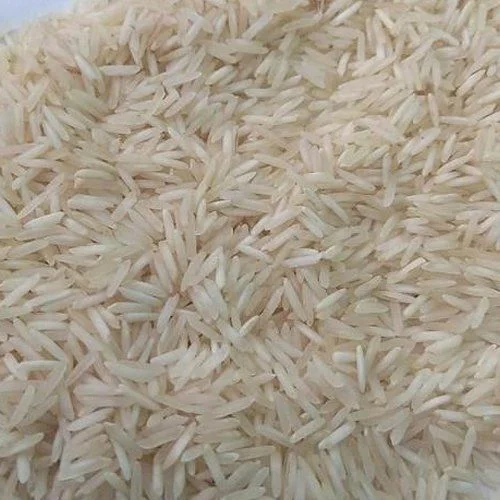
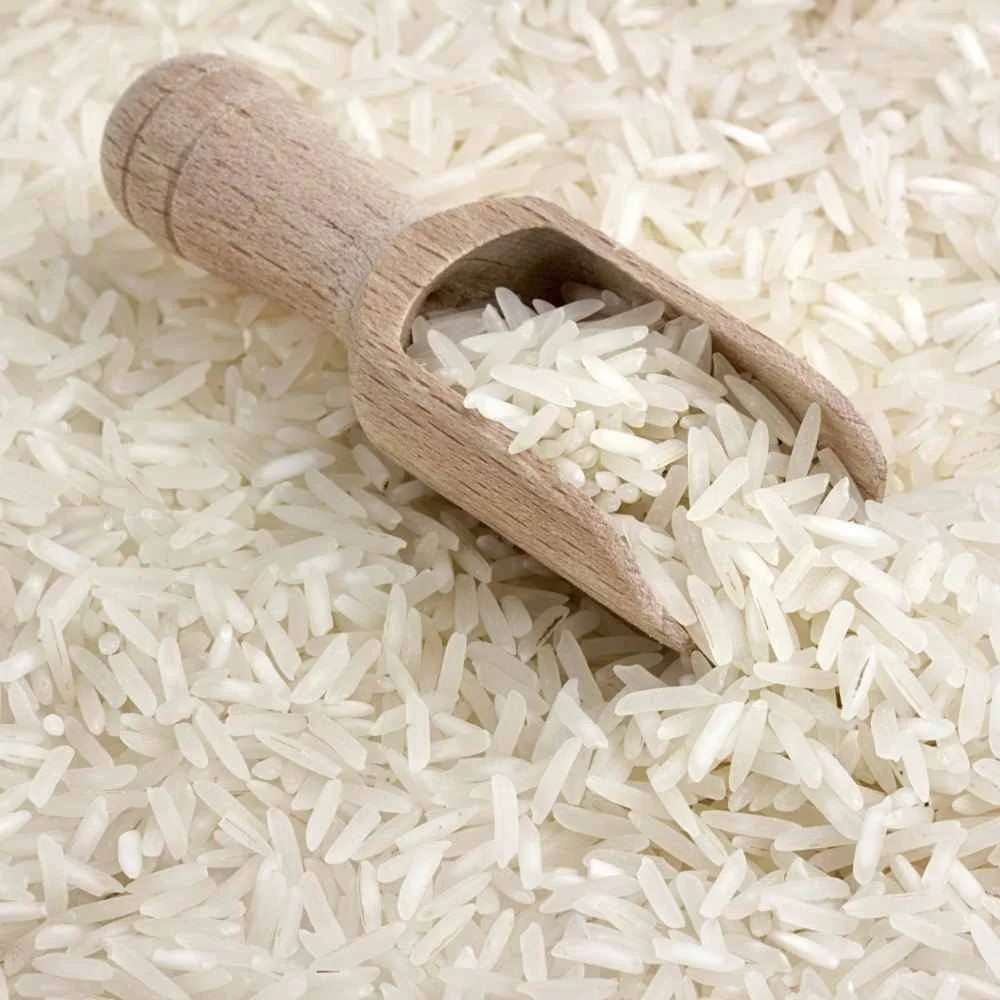
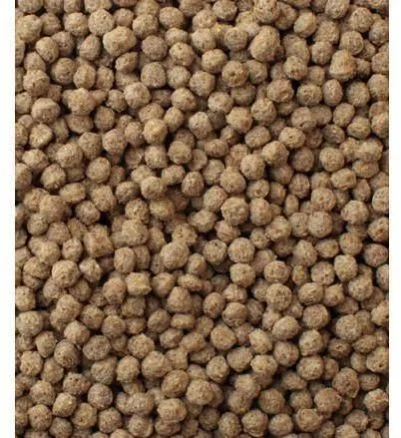
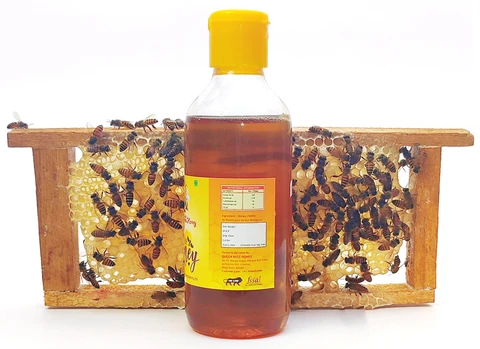
Erimpex is based in the Netherlands and lists 23 active products across a broad food portfolio. The catalogue covers items such as Organic Hulled Spelt (Pearl Emmer), Buckwheat (organic hulled), Psyllium Husk with 95‑98‑99 % purity, a variety of gluten‑free flours (rice, buckwheat, pea, lentil, spelt), Chocolate (cream, spread, bars), Extra Virgin Olive Oil and Sunflower Oil, Mineral Drinking Water sourced from Italy, Basmati rice (HS code 1006.30, milled rice Oryza sativa), Halal chicken and turkey food products, frozen chicken nuggets, hamburgers and shawarma, Salami and other deli meats, canned luncheon meat, fruit jams (including sugar‑free), sauces, pickles, Halva, animal feed, honey, Italian high‑quality organic foods, fish and other meat cuts. Each entry is tied to its relevant HS chapter, for example HS 1006 for rice, HS 1905 for chocolate, HS 1515 for sunflower oil, HS 2201 for mineral water, and HS 0203 for fresh meat.
Product Range and Specialties of Erimpex
The product list reflects typical categories found in European food trade: organic cereals (spelt, buckwheat) that meet EU organic standards, high‑purity dietary fibre such as psyllium husk, gluten‑free flours that are commonly specified with moisture < 13 % and ash < 2 %, and Basmati rice classified under HS 1006.30 with standard moisture limits of 14 % and broken grain ≤ 5 %. Chocolate products fall under HS 1905 and are usually graded by cocoa solid content (30‑70 %) and conching time, while extra‑virgin olive oil and sunflower oil are graded by free fatty acid (≤ 0.8 % for olive oil, ≤ 0.2 % for sunflower) and peroxide value. Mineral water is packaged in PET bottles complying with EU Directive 2009/54/EC, and meat products are typically produced under HACCP and, where indicated, Halal certification. The catalogue therefore spans HS chapters 10, 15, 19, 22 and 02, covering the main quality grades and specifications buyers expect in these segments.
Trade and Export Information - Erimpex
The Netherlands serves as a logistics hub for EU food exports, and Erimpex’s product families are commonly shipped to Western Europe, the Middle East, North Africa and selected Asian markets. Grain and rice shipments use 20 ft or 40 ft containers with 20‑25 tonne loads, while oils are packed in food‑grade drums (200 L) or bulk tanker containers. Chocolate and confectionery are usually palletised in insulated boxes to protect against temperature fluctuation. Standard certifications requested by importers include EU organic certificates, ISO 22000 or HACCP for food safety, Halal certificates for poultry, and health certificates for meat and fish. Customs clearance relies on the correct HS codes - e.g., 1006.30 for milled Basmati rice, 1905 for chocolate, 1515 for sunflower oil, 2201 for mineral water and 0203 for fresh meat - and buyers typically negotiate FOB or CIF terms.
Sourcing from Erimpex - Buyer Guidance
When sourcing from Erimpex, buyers should ask for a detailed specification sheet for each product, including moisture, purity, acidity or FFA values, and any applicable organic or Halal certificates. Request a Certificate of Analysis for items such as psyllium husk, rice and oils to verify the stated purity or acid values, and obtain a veterinary health certificate for any meat or poultry items. Verify the HS code matches the product description, confirm packaging dimensions (e.g., 1 L PET bottles for water, 20 kg bags for rice, 200 L drums for oils) and clarify minimum order quantities, which are typically in the range of 2‑5 tonnes for processed foods and 10‑12 tonnes for bulk commodities, before finalising the order.
Frequently Asked Questions About Erimpex
What HS code is used for Erimpex's Basmati rice?
The Basmati rice listed by Erimpex is classified under HS code 1006.30, which covers semi‑processed milled rice suitable for further milling or retail packaging.
Does Erimpex provide organic certification for its spelt and buckwheat products?
Buyers should request the EU organic certificate or an equivalent third‑party document that confirms the grains were cultivated and processed according to organic standards.
Which quality parameters are typical for the sunflower oil offered?
Sunflower oil exported from the Netherlands is generally expected to have free fatty acid (FFA) ≤ 0.2 % and an iodine value around 110‑115, with a smoke point above 220 °C. A Certificate of Analysis should confirm these values.
What documentation is required for importing the halal chicken and turkey food products?
Importers normally ask for a Halal certificate issued by a recognized authority, a veterinary health certificate, and a HACCP compliance statement to satisfy food safety regulations.
How is the mineral drinking water packaged for export?
The mineral water is packed in PET bottles of 0.5 L or 1 L, complying with EU Directive 2009/54/EC for drinking water quality, and each batch is labelled with a production date and expiry date.
What are typical MOQ and container loading for the chocolate range?
Chocolate bars and spreads are usually shipped in 20 ft containers with a net weight of 10‑12 tonnes. Suppliers often set a minimum order of 2 tonnes to ensure efficient palletisation.
Are test reports available for the psyllium husk purity claim?
A Certificate of Analysis showing the 95‑98‑99 % purity range, together with microbiological test results, can be supplied on request to verify compliance with dietary fibre specifications.
What lead time should be expected for frozen meat products?
Frozen chicken nuggets, hamburgers and shawarma are typically produced and frozen within 24 hours of processing, with a standard lead time of 30‑40 days to ship from the Netherlands to overseas destinations.




 , Netherlands