Eco-friendly Products inc. — Manufacturer & Wholesale Supplier

About Eco-friendly Products inc. - Rice and Sugar Supplier in India

Eco-friendly Products inc. is an India-based supplier headquartered in Ghaziabad, operating with 5 active product listings that span basmati rice, organic cane sugar, fresh fruits in syrup, fresh cut flowers, and a dairy line covering milk, cheese, yogurt, cream and butter. The catalogue crosses several food chapters of the Harmonized System, including HS 1006 for rice, HS 1701 for raw cane sugar, HS 2008 for fruit preserved in syrup, HS 0603 for cut flowers, and HS 0406/0403 for processed dairy. Geographically, the company sits in the National Capital Region of Delhi, a logistics hub that connects northern Uttar Pradesh rice-milling belts, Uttar Pradesh and Maharashtra sugarcane zones, and the dairy clusters of Punjab and Haryana. This NCR positioning gives exporters in this segment ready access to container yards at Tughlakabad, Inland Container Depots at Dadri, and the nearest container port at Mundra via road and rail corridors. The supplier's product mix reflects three distinct Indian agri-export clusters: the GI-tagged basmati rice growing region of the Indo-Gangetic plain, the organic and conventional sugar belts of Uttar Pradesh and Maharashtra, and the dairy and fresh-produce clusters of northern India. For buyers, this means the catalogue touches multiple food categories that are independently regulated for phytosanitary compliance, dairy hygiene, and pesticide residue limits in destination markets. The combination of rice, sugar, fresh flowers, processed fruit and dairy under one Indian supplier is unusual and indicates a multi-commodity trading profile rather than a single-mill operation. All trade is conducted from Ghaziabad in the state of Uttar Pradesh, India, with shipping typically routed through western Indian container ports.

Product Range and Specialties of Eco-friendly Products inc.

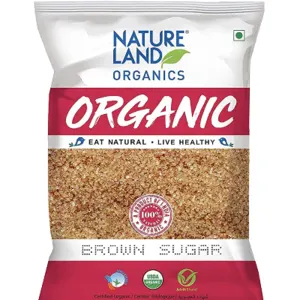
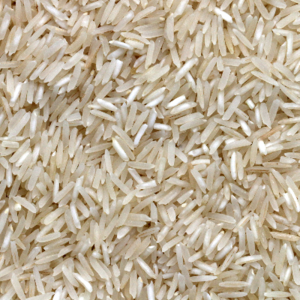
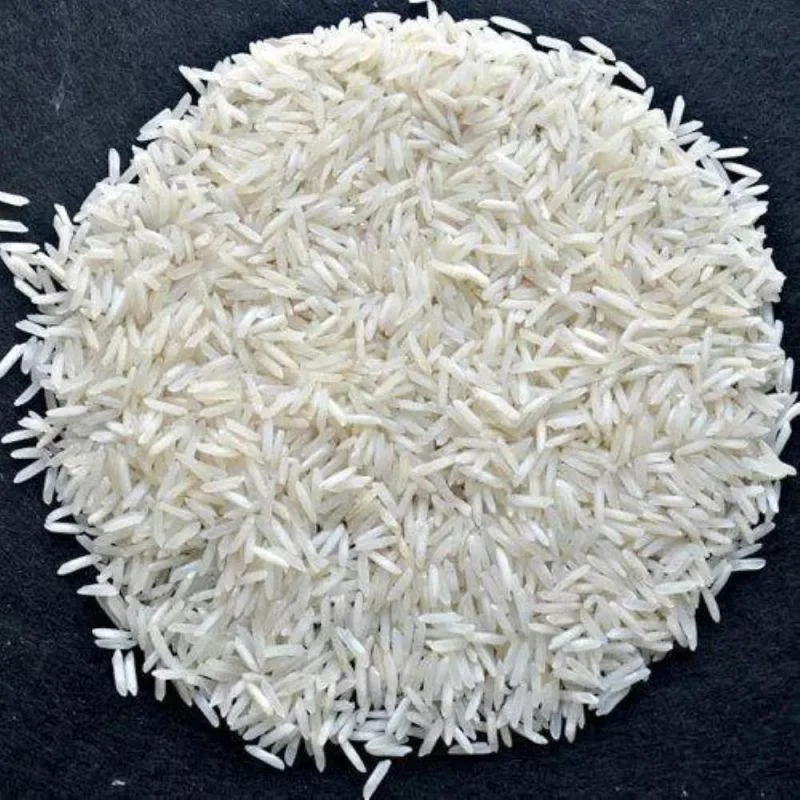
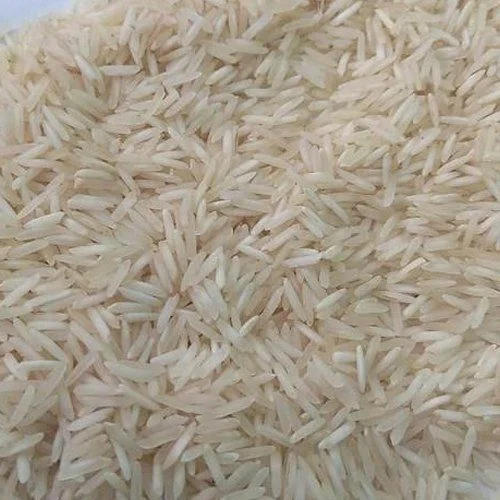
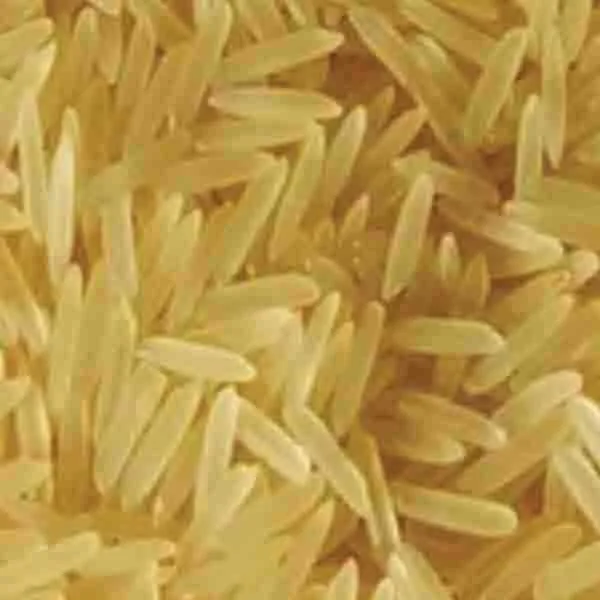
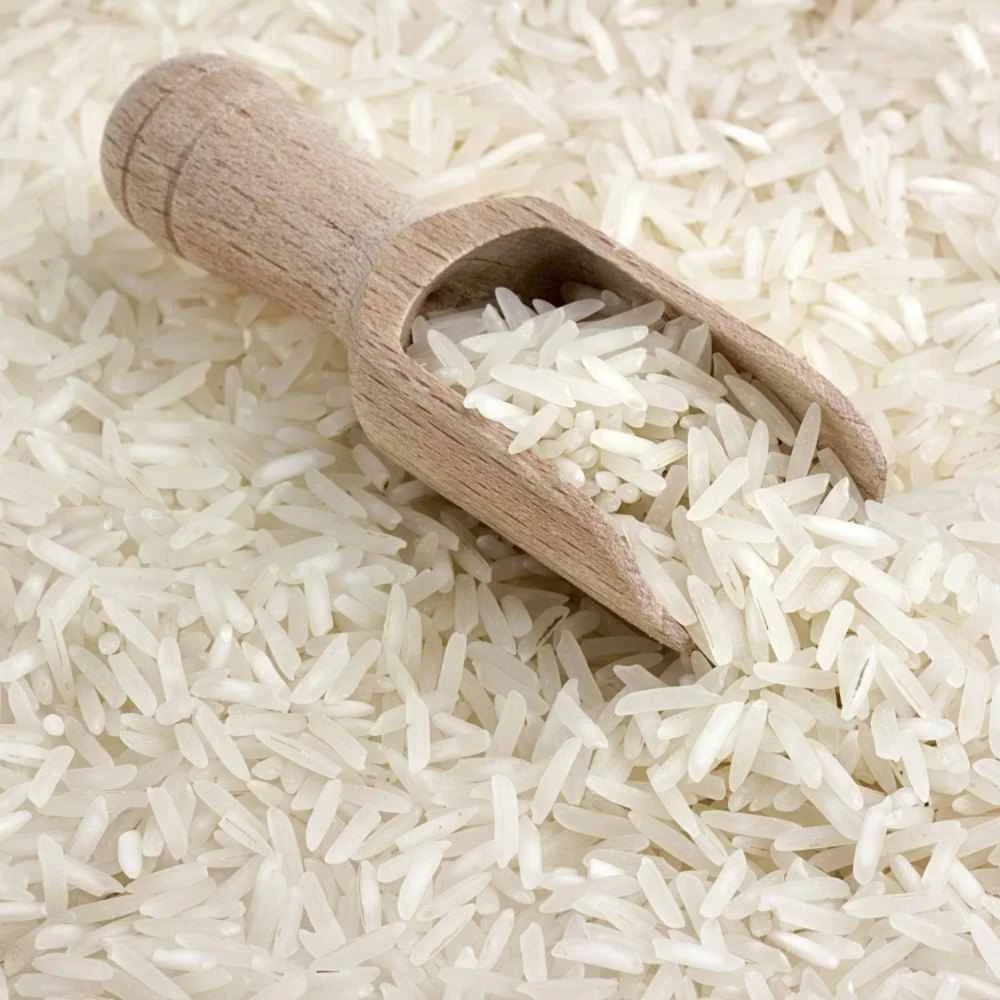
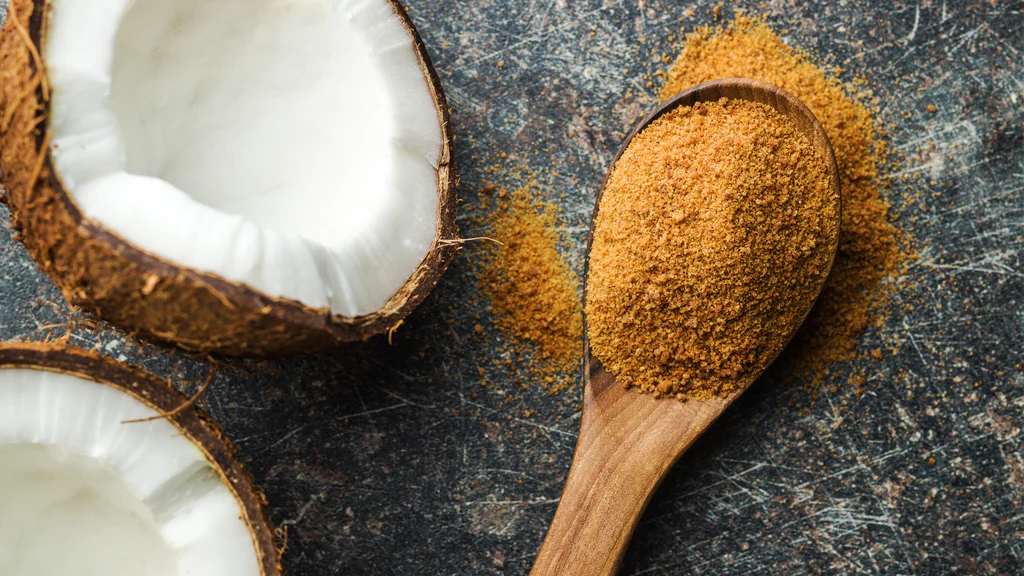
The catalogue lists five products across three HS chapters that matter for food trade. The first is Organics Brown Sugar under HS 1701.99, made from organic sugarcane with natural molasses, sitting in the same tariff line as other raw cane sugars not containing added flavouring or colouring. Brown sugar in international trade is typically traded on ICUMSA colour values (ICUMSA 600-1500 for light brown, ICUMSA 1500-4500 for dark brown), moisture content under 1.5 percent, polarization above 90 degrees, and Sulphur dioxide limits of 20-70 mg/kg depending on destination regulations. Organic certification under NPOP (India's National Programme for Organic Production), EU 2018/848, or USDA NOP is the standard compliance route for buyers sourcing organic brown sugar into Europe and North America. The second item is Indian Basmati Rice under HS 1006 (the placeholder code in the catalogue should be confirmed with the supplier), a long-grain aromatic rice traditionally aged 12-24 months, with extra-long varieties such as 1121 reaching 8.30 mm grain length after cooking elongation of more than double. Indian basmati is protected by GI tag under the Geographical Indications of Goods (Registration and Protection) Act, 1999, and exporters typically work with varieties like Pusa Basmati 1, 1121, 1509, 1718, and Traditional Basmati. The third and fourth items, fresh blossoming flowers under HS 0603 and fresh fruits in preservative syrup under HS 2008, point to the perishable and processed-fruit segments where cold-chain integrity and syrup Brix levels (typically 20-30 percent for canned fruit) are standard specifications. The fifth item covers dairy products under HS 0406 and 0403, where milk fat percentage, SNF (solids-not-fat), moisture content in cheese, and plate counts for yogurt define the commercial grade.

Trade and Export Information - Eco-friendly Products inc.

Indian rice and sugar are major export commodities, with basmati rice exports typically flowing to the Middle East (Saudi Arabia, Iran, UAE, Iraq, Yemen), the European Union, the United States, Canada, and African markets, while Indian sugar exports under HS 1701 historically serve Bangladesh, Sri Lanka, Indonesia, the UAE, and African deficit markets subject to domestic policy on export quotas. Indian organic sugar under NPOP certification is accepted as equivalent to EU organic standards, giving exporters a documented route into European food processors. For basmati rice, the EU imposes a maximum residue limit of 0.01 mg/kg for tricyclazole under Regulation 2018/687, and buyers in Saudi Arabia and Iran require conformity with their own standard specifications on grain length, broken percentage (typically under 2 percent for premium grades), and moisture below 13 percent. Shipments from Ghaziabad typically move by road to Mundra or Kandla port in Gujarat, or to Nhava Sheva/JNPT on the western coast, with transit times of 3-5 days by road. Standard packaging for rice is 25 kg or 50 kg PP woven bags, with 1 MT jumbo bags for bulk buyers, packed into 20 ft FCL (around 24-26 MT) or 40 ft FCL. Sugar is shipped in 50 kg PP bags, 25 kg multi-wall paper bags, or 1 MT jumbo bags, with 20 ft FCL loading around 25 MT. Dairy and fresh fruit products require refrigerated containers (reefer) at 2-4 degrees C for dairy and 0-4 degrees C for fresh produce, with 40 ft reefer capacity around 25-27 MT. Common Incoterms for this trade are FOB Indian port, CIF destination port, and CFR. Buyers should expect phytosanitary certificates from the Plant Quarantine Authority of India for rice, FSSAI export clearance, and APEDA-issued Certificate of Export for scheduled products including basmati rice.

Sourcing from Eco-friendly Products inc. - Buyer Guidance

For buyers approaching Eco-friendly Products inc., the first step is to confirm the exact HS code for the basmati rice line, since the catalogue placeholder should be replaced with the correct 6-digit code 1006.30 or 1006.40 for parboiled versus white basmati. Request the latest Certificate of Origin, APEDA registration copy, FSSAI licence, and for organic sugar, the current NPOP Transaction Certificate issued by an accredited certification body such as APEDA, SGS, or Control Union. For basmati, ask for a pre-shipment SGS or Bureau Veritas inspection report covering variety, average grain length, broken percentage, moisture, and pesticide residue screen against EU MRLs and GCC standard specifications. For dairy and fresh fruit items, request batch-wise microbiological test reports (TPC, coliform, yeast and mould counts), cold-chain temperature loggers from processing to stuffing, and a copy of the export health certificate issued by the relevant Indian authority. Confirm packaging specification in writing, including bag weight, inner liner material, and container loading plan, and ask for photographs of the lot before container stuffing. Lead time for rice and sugar is typically 15-25 days from confirmed purchase order, while dairy and fresh fruit require shorter lead times of 7-14 days given shelf life. Buyers should also verify the supplier's voyage trust tier signals as one indicator of platform-verified activity, and request references from recent shipments to the destination region before issuing a large letter of credit.

Frequently Asked Questions About Eco-friendly Products inc.

What product categories does Eco-friendly Products inc. supply from India?

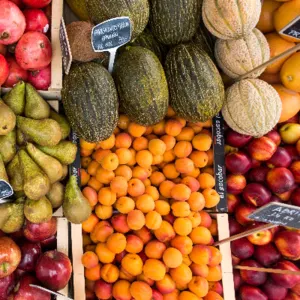
The supplier lists 5 active products from Ghaziabad, India, covering organic brown sugar (HS 1701.99), Indian basmati rice, fresh cut flowers, fresh fruits in preservative syrup, and a dairy line covering milk, cheese, yogurt, cream and butter. This places the catalogue across HS chapters 1006, 1701, 0603, 2008, and 0403/0406.

Which basmati rice varieties should I request from this supplier?

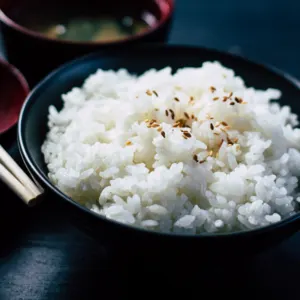
Ask specifically for 1121, Pusa Basmati 1, 1509, 1718, or Traditional Basmati, with average pre-cooking grain length of 7.0-8.3 mm and broken percentage under 2 percent for premium grades. Confirm ageing of 12-24 months and request a SGS or Bureau Veritas pre-shipment inspection report.

What certifications should I request for the organic brown sugar?

Request a current NPOP organic certificate issued by an accredited Indian certification body, plus the EU 2018/848 or USDA NOP equivalent if shipping to those destinations. Ask for batch-level ICUMSA value, polarization above 90 degrees, moisture under 1.5 percent, and SO2 limits matching the destination regulation.

What documents are typically required for Indian rice and sugar exports?

Standard documents include the FSSAI export licence, APEDA Certificate of Export for basmati, phytosanitary certificate from the Plant Quarantine Authority, Certificate of Origin from the Chamber of Commerce, and a pre-shipment inspection certificate from SGS or Bureau Veritas. For organic sugar, add the NPOP Transaction Certificate.

What packaging and container options are typical for these products?

Rice is commonly packed in 25 kg or 50 kg PP woven bags, with 1 MT jumbo bags for bulk orders, loaded at around 24-26 MT per 20 ft FCL. Sugar uses 50 kg PP or multi-wall paper bags, or 1 MT jumbo bags, with 20 ft FCL loading near 25 MT. Dairy and fresh fruit require reefer containers at 2-4 degrees C for dairy and 0-4 degrees C for produce.

What is the typical lead time for orders from Ghaziabad?

For basmati rice and sugar, expect 15-25 days from confirmed purchase order to container stuffing, plus 3-5 days road transit to Mundra or Kandla port and 15-25 days sea transit to Gulf or African destinations. Dairy and fresh fruit items have shorter lead times of 7-14 days given shelf life constraints.

Which destination regions typically import these Indian products?

Indian basmati rice typically flows to Saudi Arabia, Iran, UAE, Iraq, the EU, the United States, and African markets. Indian sugar exports historically serve Bangladesh, Sri Lanka, Indonesia, the UAE, and African deficit markets. Fresh flowers and processed fruit from India are commonly shipped to the Gulf, the UK, the Netherlands, and Germany.

How should I verify quality before shipment from this supplier?

Request pre-shipment third-party inspection by SGS, Bureau Veritas, or Intertek covering variety, grain length, broken percentage, moisture, and pesticide residue for rice. For organic sugar, ask for an NPOP Transaction Certificate and batch-level lab analysis. For dairy and fresh fruit, request microbiological test reports and a temperature-logger trace from processing to container stuffing.


Featured Products from this Supplier

Other Suppliers in Primary Category

Top Trusted Suppliers

Related Products

Trending in Parent Category

More Suppliers in Category

Related Products

Other Suppliers

EximNext
7.1K+ live requirements
Register Free🎁 Reach global buyers
Post Requirement
🌍 Trusted by 225K+ businesses in 200+ countries|
7.1K+ active requirements right now
✉️ [email protected]
|
Sell on EximNextPost Requirement
EximNext
AgricultureApparelConstructionElectronicFoodHomeIndustrialMineralsMiscellaneous
🔥 Deals|✨ AI Match|🏭 Suppliers|📋 Buy Leads|💰 Trade Finance
7.1K+ live RFQs·194.8K+ suppliers
🎁 Reach global buyers →
EximNext
EximNext
Register Free
🎁 Reach global buyers
Sign In
📋Post Requirement💬Get Quotes✨AI Match📋RFQ Marketplace
All Categories
Services & Tools
🏭Supplier Directory🔥Today's Deals💰Trade Finance
Sell on EximNext →
AboutContactBlogHelp
Agriculture & Food  ·  India
5
products listed  ·  since 2021-06-01
Eco-friendly Products inc.

Eco-friendly Products inc.

🚢 Voyage
Country flag GHAZIABAD, IndiaEst. 2021-06-01New supplier / no reviews yet
🏆
5+
Years in Business
🛡️
61/100
Trust Score

Eco-friendly Products inc. Product Catalog

Showing 5 of 5 products
View all products →
Dairy Products
🚢 Voyage
Dairy Products
Contact
MOQ: 1 Unit
Fresh fruits
🚢 Voyage
Fresh fruits
Contact
MOQ: 1 Unit
Fresh Blossoming Flowers
🚢 Voyage
Fresh Blossoming Flowers
Contact
MOQ: 1 Unit
INDIAN BASMATI RICE
🚢 Voyage
INDIAN BASMATI RICE
Contact
MOQ: 1 Unit
Organics Brown Sugar
🚢 Voyage
Organics Brown Sugar
Contact
MOQ: 1 Unit

About Eco-friendly Products inc. - Rice and Sugar Supplier in India

Eco-friendly Products inc. is an India-based supplier headquartered in Ghaziabad, operating with 5 active product listings that span basmati rice, organic cane sugar, fresh fruits in syrup, fresh cut flowers, and a dairy line covering milk, cheese, yogurt, cream and butter. The catalogue crosses several food chapters of the Harmonized System, including HS 1006 for rice, HS 1701 for raw cane sugar, HS 2008 for fruit preserved in syrup, HS 0603 for cut flowers, and HS 0406/0403 for processed dairy. Geographically, the company sits in the National Capital Region of Delhi, a logistics hub that connects northern Uttar Pradesh rice-milling belts, Uttar Pradesh and Maharashtra sugarcane zones, and the dairy clusters of Punjab and Haryana. This NCR positioning gives exporters in this segment ready access to container yards at Tughlakabad, Inland Container Depots at Dadri, and the nearest container port at Mundra via road and rail corridors. The supplier's product mix reflects three distinct Indian agri-export clusters: the GI-tagged basmati rice growing region of the Indo-Gangetic plain, the organic and conventional sugar belts of Uttar Pradesh and Maharashtra, and the dairy and fresh-produce clusters of northern India. For buyers, this means the catalogue touches multiple food categories that are independently regulated for phytosanitary compliance, dairy hygiene, and pesticide residue limits in destination markets. The combination of rice, sugar, fresh flowers, processed fruit and dairy under one Indian supplier is unusual and indicates a multi-commodity trading profile rather than a single-mill operation. All trade is conducted from Ghaziabad in the state of Uttar Pradesh, India, with shipping typically routed through western Indian container ports.

Product Range and Specialties of Eco-friendly Products inc.

The catalogue lists five products across three HS chapters that matter for food trade. The first is Organics Brown Sugar under HS 1701.99, made from organic sugarcane with natural molasses, sitting in the same tariff line as other raw cane sugars not containing added flavouring or colouring. Brown sugar in international trade is typically traded on ICUMSA colour values (ICUMSA 600-1500 for light brown, ICUMSA 1500-4500 for dark brown), moisture content under 1.5 percent, polarization above 90 degrees, and Sulphur dioxide limits of 20-70 mg/kg depending on destination regulations. Organic certification under NPOP (India's National Programme for Organic Production), EU 2018/848, or USDA NOP is the standard compliance route for buyers sourcing organic brown sugar into Europe and North America. The second item is Indian Basmati Rice under HS 1006 (the placeholder code in the catalogue should be confirmed with the supplier), a long-grain aromatic rice traditionally aged 12-24 months, with extra-long varieties such as 1121 reaching 8.30 mm grain length after cooking elongation of more than double. Indian basmati is protected by GI tag under the Geographical Indications of Goods (Registration and Protection) Act, 1999, and exporters typically work with varieties like Pusa Basmati 1, 1121, 1509, 1718, and Traditional Basmati. The third and fourth items, fresh blossoming flowers under HS 0603 and fresh fruits in preservative syrup under HS 2008, point to the perishable and processed-fruit segments where cold-chain integrity and syrup Brix levels (typically 20-30 percent for canned fruit) are standard specifications. The fifth item covers dairy products under HS 0406 and 0403, where milk fat percentage, SNF (solids-not-fat), moisture content in cheese, and plate counts for yogurt define the commercial grade.

Trade and Export Information - Eco-friendly Products inc.

Indian rice and sugar are major export commodities, with basmati rice exports typically flowing to the Middle East (Saudi Arabia, Iran, UAE, Iraq, Yemen), the European Union, the United States, Canada, and African markets, while Indian sugar exports under HS 1701 historically serve Bangladesh, Sri Lanka, Indonesia, the UAE, and African deficit markets subject to domestic policy on export quotas. Indian organic sugar under NPOP certification is accepted as equivalent to EU organic standards, giving exporters a documented route into European food processors. For basmati rice, the EU imposes a maximum residue limit of 0.01 mg/kg for tricyclazole under Regulation 2018/687, and buyers in Saudi Arabia and Iran require conformity with their own standard specifications on grain length, broken percentage (typically under 2 percent for premium grades), and moisture below 13 percent. Shipments from Ghaziabad typically move by road to Mundra or Kandla port in Gujarat, or to Nhava Sheva/JNPT on the western coast, with transit times of 3-5 days by road. Standard packaging for rice is 25 kg or 50 kg PP woven bags, with 1 MT jumbo bags for bulk buyers, packed into 20 ft FCL (around 24-26 MT) or 40 ft FCL. Sugar is shipped in 50 kg PP bags, 25 kg multi-wall paper bags, or 1 MT jumbo bags, with 20 ft FCL loading around 25 MT. Dairy and fresh fruit products require refrigerated containers (reefer) at 2-4 degrees C for dairy and 0-4 degrees C for fresh produce, with 40 ft reefer capacity around 25-27 MT. Common Incoterms for this trade are FOB Indian port, CIF destination port, and CFR. Buyers should expect phytosanitary certificates from the Plant Quarantine Authority of India for rice, FSSAI export clearance, and APEDA-issued Certificate of Export for scheduled products including basmati rice.

Sourcing from Eco-friendly Products inc. - Buyer Guidance

For buyers approaching Eco-friendly Products inc., the first step is to confirm the exact HS code for the basmati rice line, since the catalogue placeholder should be replaced with the correct 6-digit code 1006.30 or 1006.40 for parboiled versus white basmati. Request the latest Certificate of Origin, APEDA registration copy, FSSAI licence, and for organic sugar, the current NPOP Transaction Certificate issued by an accredited certification body such as APEDA, SGS, or Control Union. For basmati, ask for a pre-shipment SGS or Bureau Veritas inspection report covering variety, average grain length, broken percentage, moisture, and pesticide residue screen against EU MRLs and GCC standard specifications. For dairy and fresh fruit items, request batch-wise microbiological test reports (TPC, coliform, yeast and mould counts), cold-chain temperature loggers from processing to stuffing, and a copy of the export health certificate issued by the relevant Indian authority. Confirm packaging specification in writing, including bag weight, inner liner material, and container loading plan, and ask for photographs of the lot before container stuffing. Lead time for rice and sugar is typically 15-25 days from confirmed purchase order, while dairy and fresh fruit require shorter lead times of 7-14 days given shelf life. Buyers should also verify the supplier's voyage trust tier signals as one indicator of platform-verified activity, and request references from recent shipments to the destination region before issuing a large letter of credit.

Frequently Asked Questions About Eco-friendly Products inc.

What product categories does Eco-friendly Products inc. supply from India?

The supplier lists 5 active products from Ghaziabad, India, covering organic brown sugar (HS 1701.99), Indian basmati rice, fresh cut flowers, fresh fruits in preservative syrup, and a dairy line covering milk, cheese, yogurt, cream and butter. This places the catalogue across HS chapters 1006, 1701, 0603, 2008, and 0403/0406.

Which basmati rice varieties should I request from this supplier?

Ask specifically for 1121, Pusa Basmati 1, 1509, 1718, or Traditional Basmati, with average pre-cooking grain length of 7.0-8.3 mm and broken percentage under 2 percent for premium grades. Confirm ageing of 12-24 months and request a SGS or Bureau Veritas pre-shipment inspection report.

What certifications should I request for the organic brown sugar?

Request a current NPOP organic certificate issued by an accredited Indian certification body, plus the EU 2018/848 or USDA NOP equivalent if shipping to those destinations. Ask for batch-level ICUMSA value, polarization above 90 degrees, moisture under 1.5 percent, and SO2 limits matching the destination regulation.

What documents are typically required for Indian rice and sugar exports?

Standard documents include the FSSAI export licence, APEDA Certificate of Export for basmati, phytosanitary certificate from the Plant Quarantine Authority, Certificate of Origin from the Chamber of Commerce, and a pre-shipment inspection certificate from SGS or Bureau Veritas. For organic sugar, add the NPOP Transaction Certificate.

What packaging and container options are typical for these products?

Rice is commonly packed in 25 kg or 50 kg PP woven bags, with 1 MT jumbo bags for bulk orders, loaded at around 24-26 MT per 20 ft FCL. Sugar uses 50 kg PP or multi-wall paper bags, or 1 MT jumbo bags, with 20 ft FCL loading near 25 MT. Dairy and fresh fruit require reefer containers at 2-4 degrees C for dairy and 0-4 degrees C for produce.

What is the typical lead time for orders from Ghaziabad?

For basmati rice and sugar, expect 15-25 days from confirmed purchase order to container stuffing, plus 3-5 days road transit to Mundra or Kandla port and 15-25 days sea transit to Gulf or African destinations. Dairy and fresh fruit items have shorter lead times of 7-14 days given shelf life constraints.

Which destination regions typically import these Indian products?

Indian basmati rice typically flows to Saudi Arabia, Iran, UAE, Iraq, the EU, the United States, and African markets. Indian sugar exports historically serve Bangladesh, Sri Lanka, Indonesia, the UAE, and African deficit markets. Fresh flowers and processed fruit from India are commonly shipped to the Gulf, the UK, the Netherlands, and Germany.

How should I verify quality before shipment from this supplier?

Request pre-shipment third-party inspection by SGS, Bureau Veritas, or Intertek covering variety, grain length, broken percentage, moisture, and pesticide residue for rice. For organic sugar, ask for an NPOP Transaction Certificate and batch-level lab analysis. For dairy and fresh fruit, request microbiological test reports and a temperature-logger trace from processing to container stuffing.

About Eco-friendly Products inc. - Rice and Sugar Supplier in India

Eco-friendly Products inc. is an India-based supplier headquartered in Ghaziabad, operating with 5 active product listings that span basmati rice, organic cane sugar, fresh fruits in syrup, fresh cut flowers, and a dairy line covering milk, cheese, yogurt, cream and butter. The catalogue crosses several food chapters of the Harmonized System, including HS 1006 for rice, HS 1701 for raw cane sugar, HS 2008 for fruit preserved in syrup, HS 0603 for cut flowers, and HS 0406/0403 for processed dairy. Geographically, the company sits in the National Capital Region of Delhi, a logistics hub that connects northern Uttar Pradesh rice-milling belts, Uttar Pradesh and Maharashtra sugarcane zones, and the dairy clusters of Punjab and Haryana. This NCR positioning gives exporters in this segment ready access to container yards at Tughlakabad, Inland Container Depots at Dadri, and the nearest container port at Mundra via road and rail corridors. The supplier's product mix reflects three distinct Indian agri-export clusters: the GI-tagged basmati rice growing region of the Indo-Gangetic plain, the organic and conventional sugar belts of Uttar Pradesh and Maharashtra, and the dairy and fresh-produce clusters of northern India. For buyers, this means the catalogue touches multiple food categories that are independently regulated for phytosanitary compliance, dairy hygiene, and pesticide residue limits in destination markets. The combination of rice, sugar, fresh flowers, processed fruit and dairy under one Indian supplier is unusual and indicates a multi-commodity trading profile rather than a single-mill operation. All trade is conducted from Ghaziabad in the state of Uttar Pradesh, India, with shipping typically routed through western Indian container ports.

Product Range and Specialties of Eco-friendly Products inc.

The catalogue lists five products across three HS chapters that matter for food trade. The first is Organics Brown Sugar under HS 1701.99, made from organic sugarcane with natural molasses, sitting in the same tariff line as other raw cane sugars not containing added flavouring or colouring. Brown sugar in international trade is typically traded on ICUMSA colour values (ICUMSA 600-1500 for light brown, ICUMSA 1500-4500 for dark brown), moisture content under 1.5 percent, polarization above 90 degrees, and Sulphur dioxide limits of 20-70 mg/kg depending on destination regulations. Organic certification under NPOP (India's National Programme for Organic Production), EU 2018/848, or USDA NOP is the standard compliance route for buyers sourcing organic brown sugar into Europe and North America. The second item is Indian Basmati Rice under HS 1006 (the placeholder code in the catalogue should be confirmed with the supplier), a long-grain aromatic rice traditionally aged 12-24 months, with extra-long varieties such as 1121 reaching 8.30 mm grain length after cooking elongation of more than double. Indian basmati is protected by GI tag under the Geographical Indications of Goods (Registration and Protection) Act, 1999, and exporters typically work with varieties like Pusa Basmati 1, 1121, 1509, 1718, and Traditional Basmati. The third and fourth items, fresh blossoming flowers under HS 0603 and fresh fruits in preservative syrup under HS 2008, point to the perishable and processed-fruit segments where cold-chain integrity and syrup Brix levels (typically 20-30 percent for canned fruit) are standard specifications. The fifth item covers dairy products under HS 0406 and 0403, where milk fat percentage, SNF (solids-not-fat), moisture content in cheese, and plate counts for yogurt define the commercial grade.

Trade and Export Information - Eco-friendly Products inc.

Indian rice and sugar are major export commodities, with basmati rice exports typically flowing to the Middle East (Saudi Arabia, Iran, UAE, Iraq, Yemen), the European Union, the United States, Canada, and African markets, while Indian sugar exports under HS 1701 historically serve Bangladesh, Sri Lanka, Indonesia, the UAE, and African deficit markets subject to domestic policy on export quotas. Indian organic sugar under NPOP certification is accepted as equivalent to EU organic standards, giving exporters a documented route into European food processors. For basmati rice, the EU imposes a maximum residue limit of 0.01 mg/kg for tricyclazole under Regulation 2018/687, and buyers in Saudi Arabia and Iran require conformity with their own standard specifications on grain length, broken percentage (typically under 2 percent for premium grades), and moisture below 13 percent. Shipments from Ghaziabad typically move by road to Mundra or Kandla port in Gujarat, or to Nhava Sheva/JNPT on the western coast, with transit times of 3-5 days by road. Standard packaging for rice is 25 kg or 50 kg PP woven bags, with 1 MT jumbo bags for bulk buyers, packed into 20 ft FCL (around 24-26 MT) or 40 ft FCL. Sugar is shipped in 50 kg PP bags, 25 kg multi-wall paper bags, or 1 MT jumbo bags, with 20 ft FCL loading around 25 MT. Dairy and fresh fruit products require refrigerated containers (reefer) at 2-4 degrees C for dairy and 0-4 degrees C for fresh produce, with 40 ft reefer capacity around 25-27 MT. Common Incoterms for this trade are FOB Indian port, CIF destination port, and CFR. Buyers should expect phytosanitary certificates from the Plant Quarantine Authority of India for rice, FSSAI export clearance, and APEDA-issued Certificate of Export for scheduled products including basmati rice.

Sourcing from Eco-friendly Products inc. - Buyer Guidance

For buyers approaching Eco-friendly Products inc., the first step is to confirm the exact HS code for the basmati rice line, since the catalogue placeholder should be replaced with the correct 6-digit code 1006.30 or 1006.40 for parboiled versus white basmati. Request the latest Certificate of Origin, APEDA registration copy, FSSAI licence, and for organic sugar, the current NPOP Transaction Certificate issued by an accredited certification body such as APEDA, SGS, or Control Union. For basmati, ask for a pre-shipment SGS or Bureau Veritas inspection report covering variety, average grain length, broken percentage, moisture, and pesticide residue screen against EU MRLs and GCC standard specifications. For dairy and fresh fruit items, request batch-wise microbiological test reports (TPC, coliform, yeast and mould counts), cold-chain temperature loggers from processing to stuffing, and a copy of the export health certificate issued by the relevant Indian authority. Confirm packaging specification in writing, including bag weight, inner liner material, and container loading plan, and ask for photographs of the lot before container stuffing. Lead time for rice and sugar is typically 15-25 days from confirmed purchase order, while dairy and fresh fruit require shorter lead times of 7-14 days given shelf life. Buyers should also verify the supplier's voyage trust tier signals as one indicator of platform-verified activity, and request references from recent shipments to the destination region before issuing a large letter of credit.

Frequently Asked Questions About Eco-friendly Products inc.
What product categories does Eco-friendly Products inc. supply from India?
The supplier lists 5 active products from Ghaziabad, India, covering organic brown sugar (HS 1701.99), Indian basmati rice, fresh cut flowers, fresh fruits in preservative syrup, and a dairy line covering milk, cheese, yogurt, cream and butter. This places the catalogue across HS chapters 1006, 1701, 0603, 2008, and 0403/0406.
Which basmati rice varieties should I request from this supplier?
Ask specifically for 1121, Pusa Basmati 1, 1509, 1718, or Traditional Basmati, with average pre-cooking grain length of 7.0-8.3 mm and broken percentage under 2 percent for premium grades. Confirm ageing of 12-24 months and request a SGS or Bureau Veritas pre-shipment inspection report.
What certifications should I request for the organic brown sugar?
Request a current NPOP organic certificate issued by an accredited Indian certification body, plus the EU 2018/848 or USDA NOP equivalent if shipping to those destinations. Ask for batch-level ICUMSA value, polarization above 90 degrees, moisture under 1.5 percent, and SO2 limits matching the destination regulation.
What documents are typically required for Indian rice and sugar exports?
Standard documents include the FSSAI export licence, APEDA Certificate of Export for basmati, phytosanitary certificate from the Plant Quarantine Authority, Certificate of Origin from the Chamber of Commerce, and a pre-shipment inspection certificate from SGS or Bureau Veritas. For organic sugar, add the NPOP Transaction Certificate.
What packaging and container options are typical for these products?
Rice is commonly packed in 25 kg or 50 kg PP woven bags, with 1 MT jumbo bags for bulk orders, loaded at around 24-26 MT per 20 ft FCL. Sugar uses 50 kg PP or multi-wall paper bags, or 1 MT jumbo bags, with 20 ft FCL loading near 25 MT. Dairy and fresh fruit require reefer containers at 2-4 degrees C for dairy and 0-4 degrees C for produce.
What is the typical lead time for orders from Ghaziabad?
For basmati rice and sugar, expect 15-25 days from confirmed purchase order to container stuffing, plus 3-5 days road transit to Mundra or Kandla port and 15-25 days sea transit to Gulf or African destinations. Dairy and fresh fruit items have shorter lead times of 7-14 days given shelf life constraints.
Which destination regions typically import these Indian products?
Indian basmati rice typically flows to Saudi Arabia, Iran, UAE, Iraq, the EU, the United States, and African markets. Indian sugar exports historically serve Bangladesh, Sri Lanka, Indonesia, the UAE, and African deficit markets. Fresh flowers and processed fruit from India are commonly shipped to the Gulf, the UK, the Netherlands, and Germany.
How should I verify quality before shipment from this supplier?
Request pre-shipment third-party inspection by SGS, Bureau Veritas, or Intertek covering variety, grain length, broken percentage, moisture, and pesticide residue for rice. For organic sugar, ask for an NPOP Transaction Certificate and batch-level lab analysis. For dairy and fresh fruit, request microbiological test reports and a temperature-logger trace from processing to container stuffing.

Eco-friendly Products inc.
Country flag GHAZIABAD, India
🚢 VoyageAgriculture & Food
61/100
Trust Score
5
Products
✓ Free to contact — no commission
✓ Escrow payment available
✓ Verified business identity
Compare more suppliers
Post a requirement — get 10 quotes free
Let verified suppliers compete for your business. Free, fast, no commitment.
Due Diligence
Verify this supplier's real shipping history.
Every shipment, every buyer, every port. Trade data that can't be faked.
Run due diligence →
Discover More

Related Suppliers & Products

Explore similar suppliers, related products and trending categories

Featured Products from this Supplier

Other Suppliers in Primary Category

Top Trusted Suppliers

Related Products

Trending in Parent Category

More Suppliers in Category

Stay ahead in global trade
Weekly market insights & new supplier alerts.
EximNext
Exim Next is a leading global B2B marketplace, connecting over 220,000 registered suppliers and buyers across 200+ countries. As a trusted import export marketplace, it serves as the essential B2B portal for businesses worldwide, empowering them to expand their international reach. With Exim Next, businesses can trade smarter and grow faster.
SECURE PAYMENTS
VISAMastercardPayPalSWIFTL/CEscrow
Follow us
© 2026 EximNext