Okura World Transport Co., Ltd. — Verified Supplier
About Okura World Transport Co., Ltd. - Food Processing Supplier in Thailand
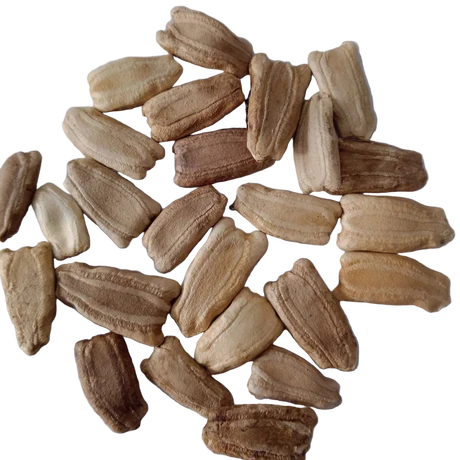
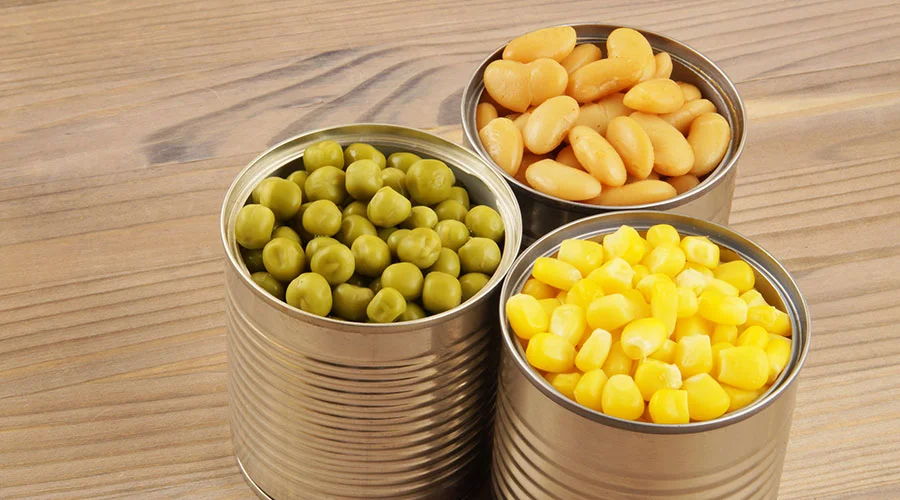
Thailand, based in its principal exporting zones, supplies six listed food products through Okura World Transport Co., Ltd. The catalogue includes coffee beans, canned sardine/tuna/mackerel (HS 1604.20) preserved in oil or brine, canned pineapple and mango (HS 2008.99) in syrup or juice, frozen mango (HS 0811.90) of the Nam Doc Mai/Carabao varieties, coconut water and sparkling coconut water, and a vegetable juice blend. The supplier is classified as an imported tier with a harbor trust tier, indicating its role in cross‑border logistics. Products are grouped under the top categories Canned Food, Coffee Beans, Apple, Coconut Water & Milk, and Juice, reflecting the range of processed and fresh‑preserved goods offered. Each item is described with material details where available, such as fresh pelagic fish for the canned seafood line.
The active product count of six aligns with the listed categories, providing buyers a concise portfolio for bulk sourcing. While apple appears in the top‑category list, no specific apple product is detailed in the current catalogue, keeping the focus on the six enumerated items. The HS codes 1604.20, 2008.99 and 0811.90 place the goods within the standard customs tariff headings for preserved fish, canned fruit and frozen mango, respectively. This coding facilitates transparent customs clearance for international shipments from Thailand.
Product Range and Specialties of Okura World Transport Co., Ltd.
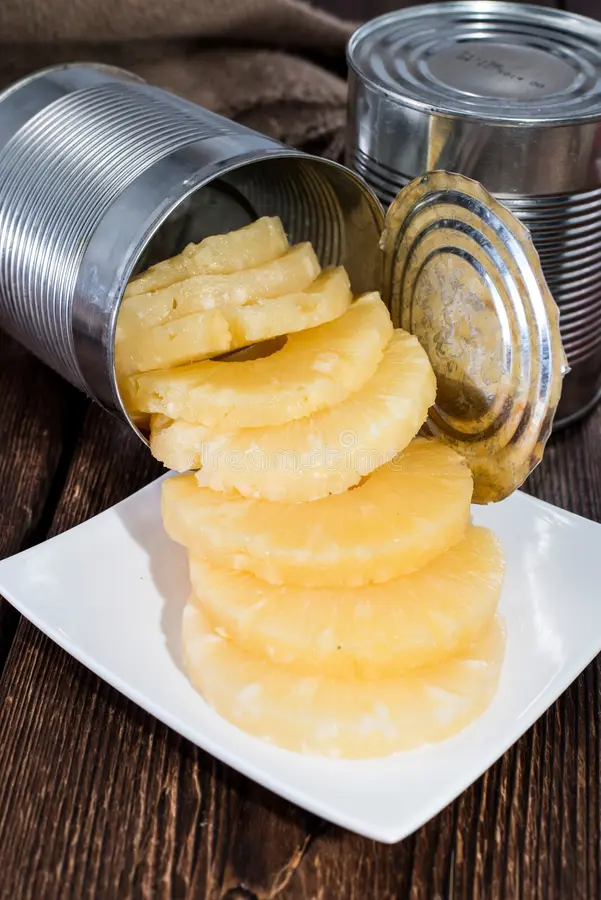
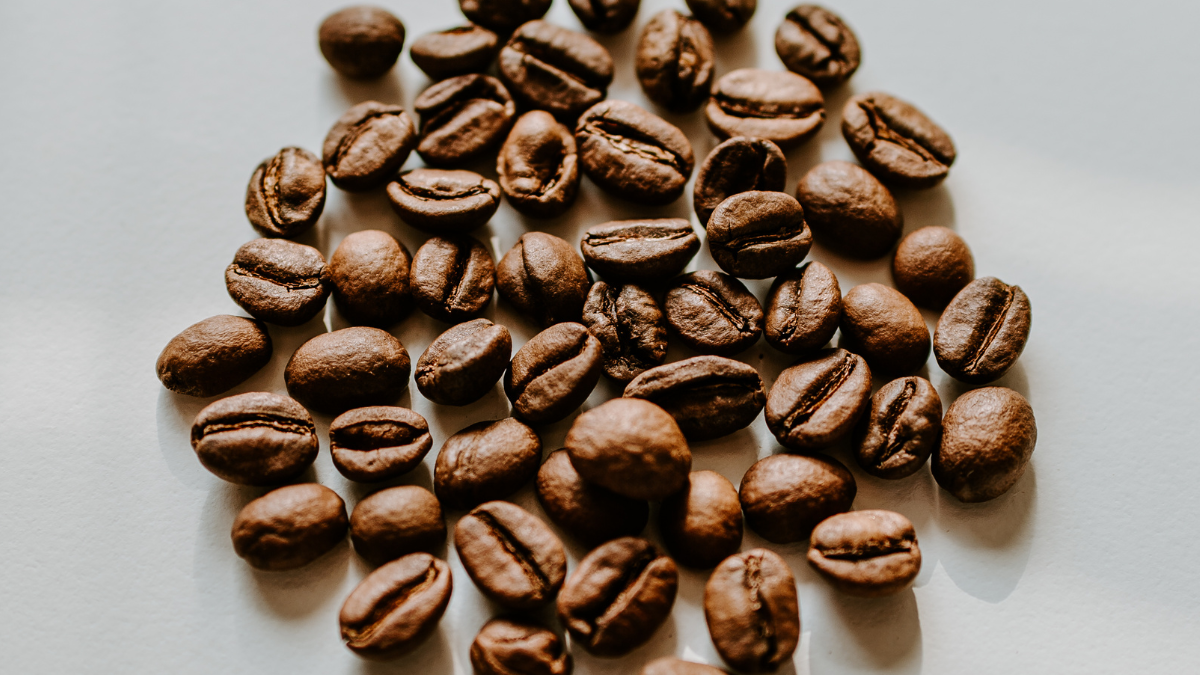
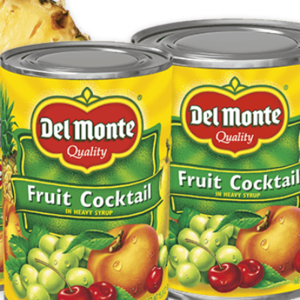
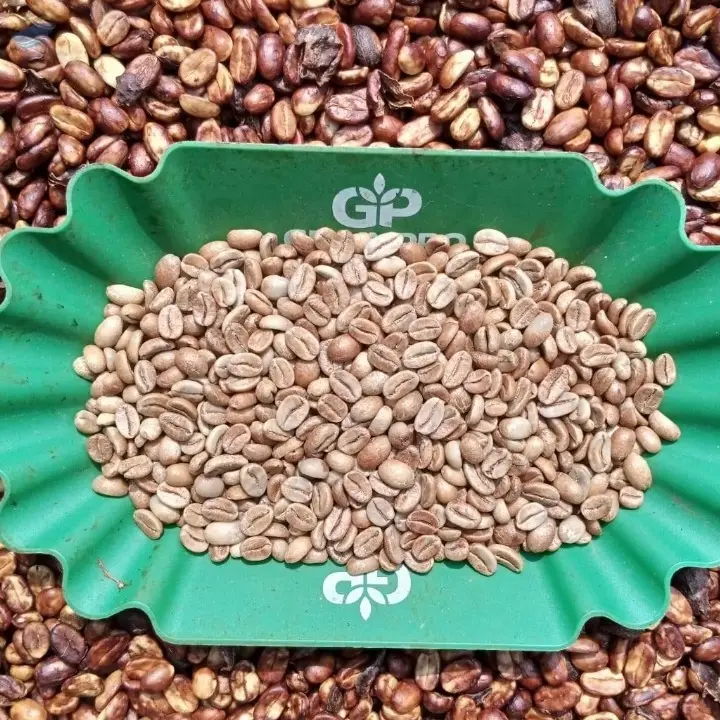
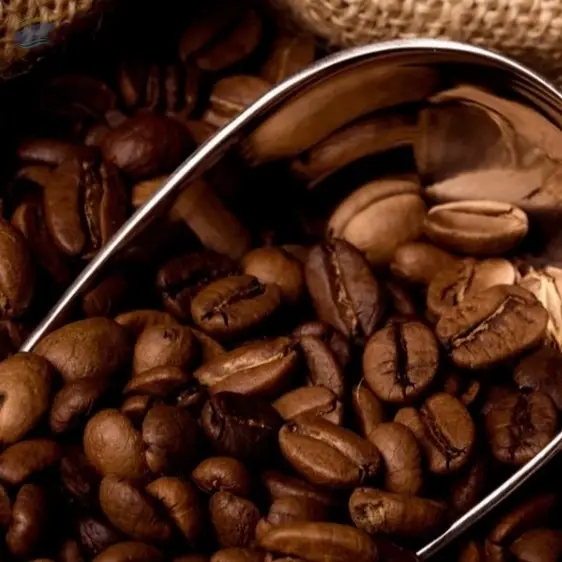
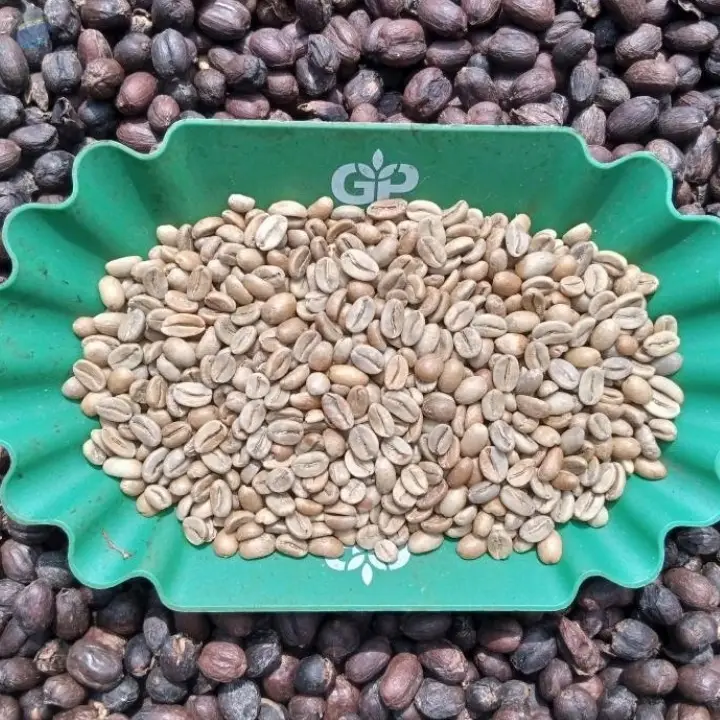
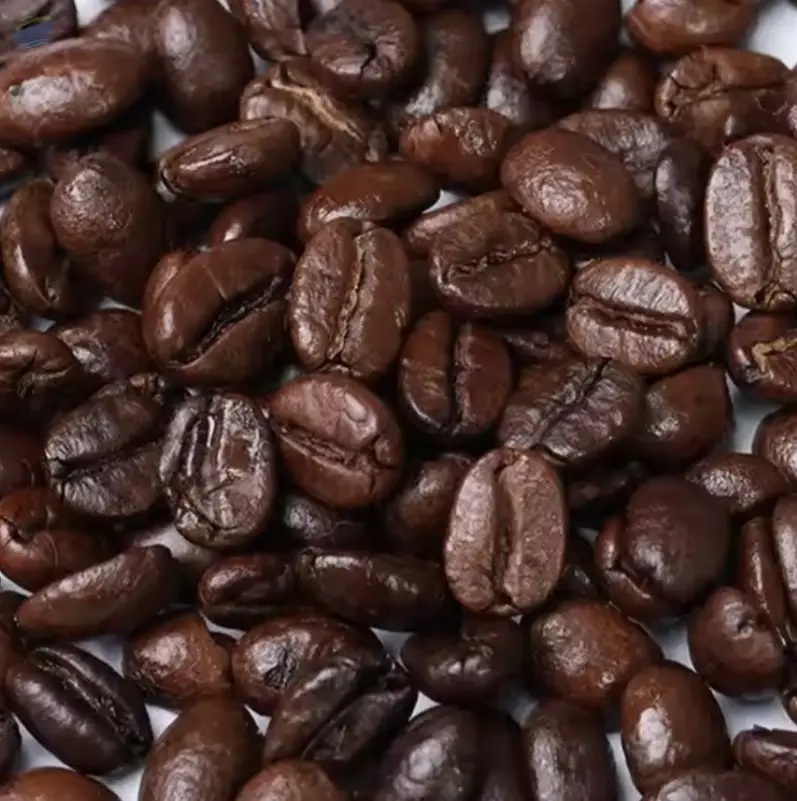
Okura World Transport’s catalogue covers six distinct items. Coffee beans are offered without a specified grade, allowing buyers to request specialty grades such as AA or screen‑size classifications (e.g., 12‑15 mm) that are common for Thai Arabica and Robusta exports. The canned fish line follows the typical HS 1604.20 format, where manufacturers use either oil‑filled (often 10 % oil) or brine‑filled cans ranging from 80 g to 425 g, complying with HACCP and often bearing BRC or ISO 22000 certification. Canned pineapple and mango fall under HS 2008.99; standard practice is to use 330 ml or 540 ml cans with syrup concentrations of 30‑35 % Brix or fruit‑juice packs with a minimum of 10 % fruit solids. Frozen mango (HS 0811.90) is usually flash‑frozen in 10 kg cartons, with a moisture content below 12 % and a typical export size of 40 ft containers holding up to 20 tons. Coconut water and sparkling coconut water are packaged in PET bottles (330 ml - 1 L) with a natural Brix of 5‑6 % and a shelf life of 12 months. Vegetable juice blends are pasteurised, often sold in aseptic cartons of 1 L, with acidity (pH 3.0‑3.5) and soluble solids around 10‑12 % to meet EU juice standards.
Trade and Export Information - Okura World Transport Co., Ltd.
Thailand is a leading exporter of canned seafood, tropical fruit preserves and specialty coffee, with the European Union, United States, Japan and the Middle East accounting for the bulk of demand. HS 1604.20 canned fish typically requires a health certificate, a Certificate of Origin and compliance with the Codex Alimentarius standards for fish products; buyers frequently request BRC Global Standard for Food Safety or ISO 22000 audits. Canned fruit under HS 2008.99 is subject to phytosanitary inspection, labeling in the destination language, and often must meet EU Regulation No 1169/2011 for nutrition information. Frozen mango (HS 0811.90) is shipped in insulated containers, with temperature monitoring required for the full cold‑chain; the product usually complies with the International Plant Protection Convention (IPPC) for mango export. Coconut water and vegetable juice are classified as non‑alcoholic beverages; importers often ask for HACCP certification, a declaration of no added sugars for coconut water, and compliance with the US Food and Drug Administration (FDA) Food Safety Modernization Act (FSMA) for juice products. Standard Incoterms used by Thai exporters include FOB Bangkok Port or CIF destination, with container loading on 20 ft or 40 ft units depending on volume.
Sourcing from Okura World Transport Co., Ltd. - Buyer Guidance
When sourcing coffee beans from this supplier, request a sample batch with documented moisture content (≤12 %) and screen size distribution. Ask for any existing certifications such as HACCP, ISO 22000 or BRC, and verify the origin of the beans through a phytosanitary certificate if required by the destination country. For canned fish, request a product specification sheet that lists oil or brine percentage, metal detection results, and a recent laboratory analysis for histamine levels, which must stay below 200 ppm for tuna under Codex limits. Canned pineapple and mango buyers should obtain a copy of the syrup formulation, Brix measurement, and a certificate confirming compliance with the EU fruit‑preservative regulations. Frozen mango orders should be accompanied by a temperature‑log sheet confirming storage at - 18 °C or lower, and a lab report for pesticide residues within the limits of the importing market. For coconut water and sparkling variants, ask for the Brix value, carbonated pressure (for sparkling), and a microbial test confirming absence of coliforms. Vegetable juice purchasers should request pasteurisation temperature data, pH values, and a nutritional analysis that meets the labeling requirements of the target market.
Frequently Asked Questions About Okura World Transport Co., Ltd.
What product categories does Okura World Transport list in its catalogue?
The catalogue includes coffee beans, canned sardine/tuna/mackerel (HS 1604.20), canned pineapple and mango (HS 2008.99), frozen mango (HS 0811.90), coconut water/sparkling coconut water and a vegetable juice blend.
Are HS codes provided for all products?
HS codes are supplied for the canned fish (1604.20), canned fruit (2008.99) and frozen mango (0811.90). The coffee beans, coconut water and vegetable juice entries do not have HS codes listed in the current catalogue.
Which certifications are typically required for these food products?
Buyers usually request HACCP, ISO 22000 or BRC certification for processed foods, a health certificate for canned fish, phytosanitary certificates for tropical fruit, and compliance with Codex standards for juice and coconut water.
What are the common packaging formats for the listed items?
Canned fish and fruit are commonly packed in tin cans of 80 g to 540 ml, frozen mango is shipped in 10 kg cartons, coconut water is sold in PET bottles from 330 ml to 1 L, and vegetable juice is often supplied in aseptic cartons of 1 L.
What are typical minimum order quantities (MOQ) and lead times?
MOQs vary by product; canned goods often start at a 20 ft container (≈1,500 cans), frozen mango at a full container load (≈20 tons), and coffee beans at 5 metric tons. Lead times are generally 30‑45 days from order confirmation, depending on production scheduling and shipping terms.
Which Incoterms are most commonly used for shipments from Thailand?
Exporters from Thailand frequently use FOB Bangkok Port or CIF to the buyer’s destination, allowing the buyer to arrange the main carriage or receive a door‑to‑door service.
How can I verify the quality of the frozen mango before placing a large order?
Request a sample with a certificate of analysis that includes moisture content (≤12 %), freezer‑temperature log, and pesticide residue results that meet the importing country’s limits.
What documentation should I ask for when importing the canned fish?
Ask for a health certificate, a Certificate of Origin, the latest HACCP or BRC audit report, and a laboratory test confirming histamine levels below the Codex threshold of 200 ppm.




 , Thailand