Cv. Coffee And Spices — Verified Supplier
About Cv. Coffee And Spices - Coffee Supplier in Indonesia
Indonesia is a key origin for coffee and spice commodities, and Cv. Coffee And Spices currently lists five active products in its catalogue. The supplier’s portfolio comprises generic coffee, three coffee bean variants - Arabica green bean, Robusta, and green bean - as well as whole cloves. Each product is identified by its commodity name without additional branding, reflecting a focused offering of primary agricultural goods. The catalogue does not provide HS‑code details, so the listed items fall under the standard HS chapters for coffee (0901) and cloves (0909).
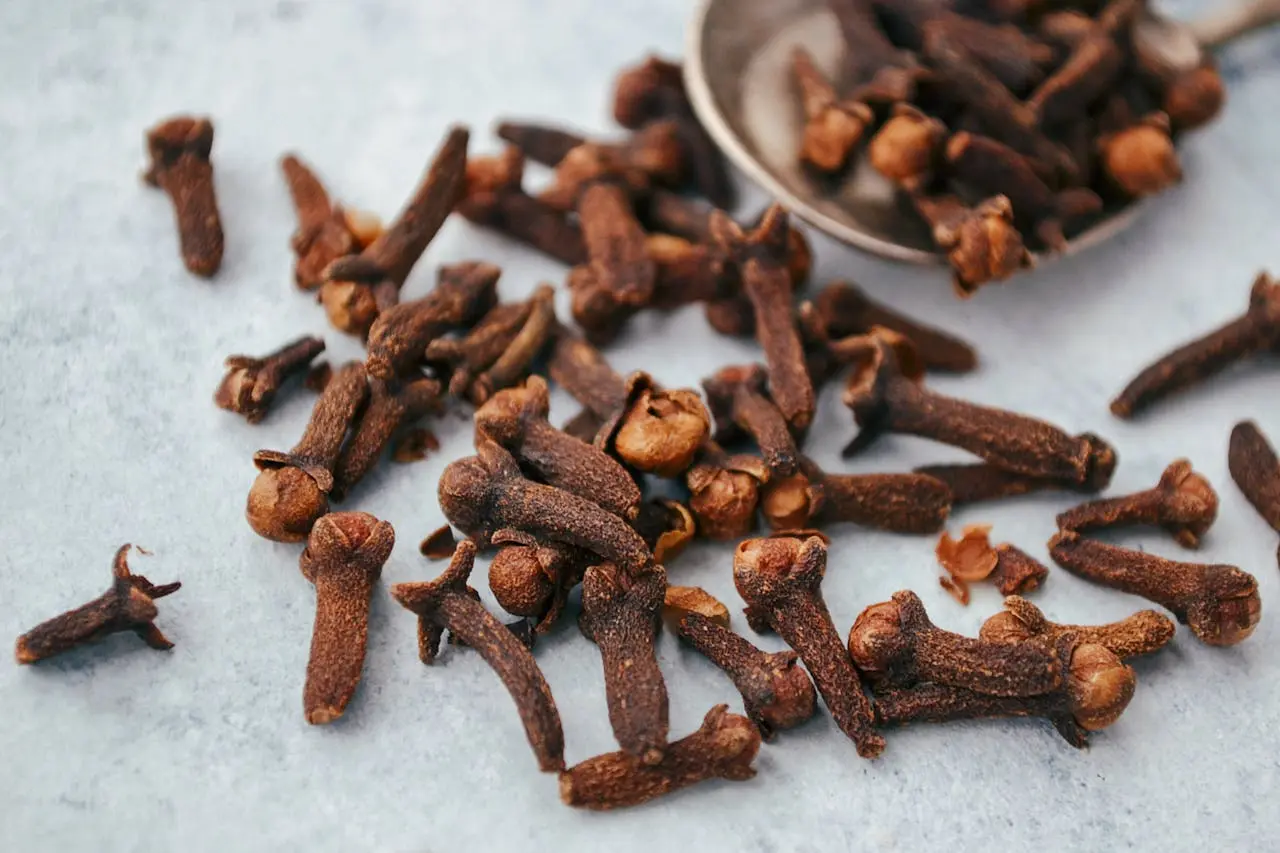
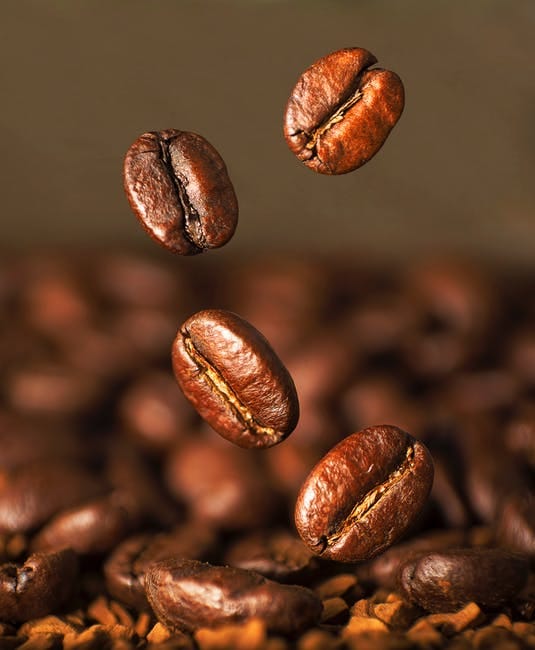
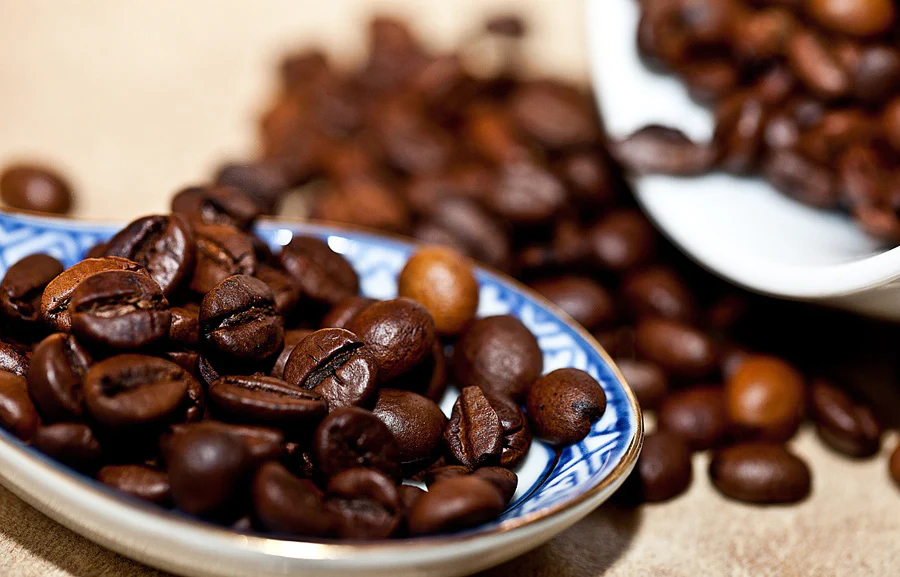
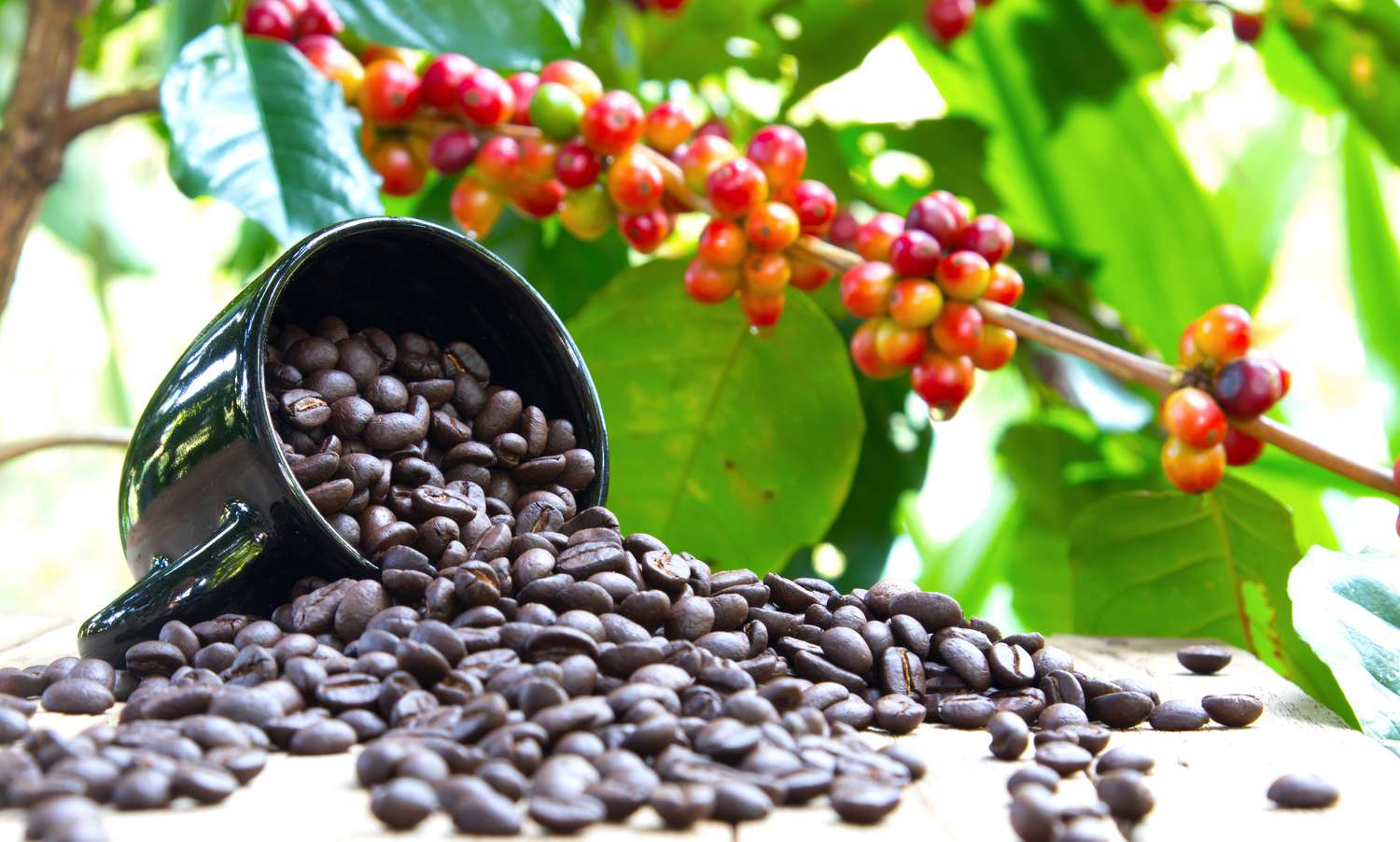
The five products cover the two main commodity groups the supplier highlights: coffee beans and cloves. Coffee Arabica green beans are typically harvested at 12‑13 % moisture and sorted by size, while Robusta beans are known for higher caffeine content and a darker flavor profile. The generic “Coffee” entry likely refers to roasted or blended coffee, whereas “Coffee Green Bean” denotes unroasted beans of mixed varieties. Cloves are listed as whole dried flower buds, a spice commonly exported in bulk for food‑flavoring and essential‑oil production. All items are sourced from Indonesian farms, which are concentrated in the islands of Java, Sumatra and Sulawesi.
Product Range and Specialties of Cv. Coffee And Spices
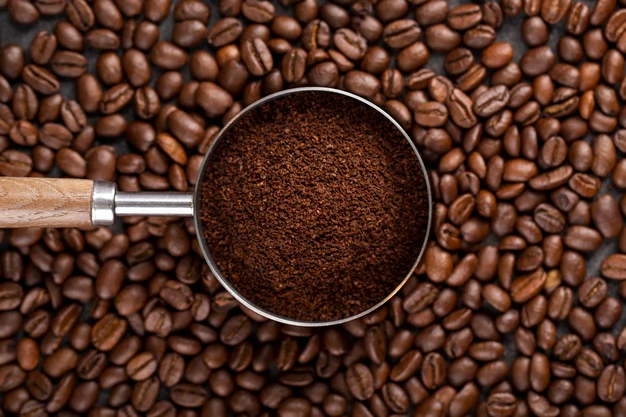
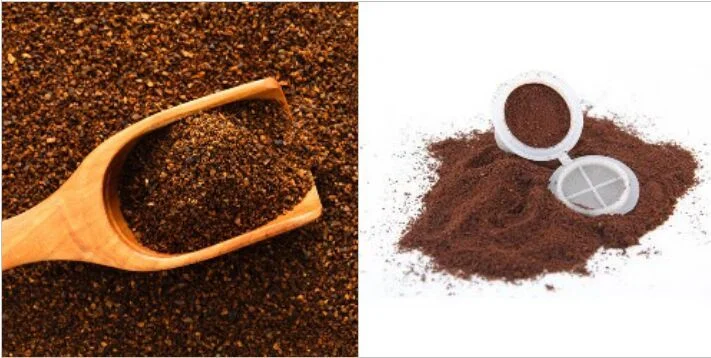
The catalogue’s coffee line includes Arabica green beans, Robusta beans and a generic green‑bean entry. In the global market Arabica is usually graded by ICUMSA colour scale (often 45 ± 2 for premium lot) and size (screen 18 - 20), with moisture limits of 11‑13 %. Robusta grades focus on bean density, moisture below 12 % and a minimum cup score of 70 in standard cupping protocols. Buyers also evaluate defect rates, such as broken or insect‑damaged beans, which are typically limited to less than 5 % of the lot. The generic “Coffee” product may refer to roasted coffee, where roast level (light, medium, dark), bean origin and grind size become key specifications for end users.
Cloves are exported as whole dried buds with standard quality parameters that include oil content of 70‑75 % by weight, moisture not exceeding 6 %, and a uniform size of 6‑10 mm. Common industry specifications require low foreign matter (below 1 %) and absence of mold or pesticide residues above Codex limits. These benchmarks help buyers assess suitability for food‑industry use or for extraction of clove oil.
Trade and Export Information - Cv. Coffee And Spices
Indonesia ranks among the world’s top exporters of both coffee and cloves, supplying Asia, Europe, the Middle East and North America. Coffee beans are generally classified under HS chapter 0901, while cloves fall under HS chapter 0909; these codes guide customs duties and import licensing in destination markets. International buyers frequently request certifications such as ISO 9001, Fairtrade, Rainforest Alliance or Organic, depending on the target market and end‑use. Standard export packaging includes 60 kg jute bags for coffee beans and 25 kg polypropylene bags for cloves, both suitable for 20‑ft and 40‑ft container loading. Common Incoterms used by Indonesian exporters are FOB Jakarta or CIF destination ports, with phytosanitary certificates and origin declarations required by most importing countries.
Typical importers of Indonesian coffee are specialty roasters in the United States, Europe and Japan, who look for traceability and cupping scores. Clove buyers include food‑manufacturers in the Middle East and Europe, as well as essential‑oil producers in Southeast Asia, who monitor oil yield and moisture content. Export regulations often involve inspection by Indonesia’s Ministry of Trade and compliance with the Codex Alimentarius standards for pesticide residues and aflatoxin limits.
Sourcing from Cv. Coffee And Spices - Buyer Guidance
When sourcing coffee beans from Cv. Coffee And Spices, buyers should request a recent cupping report, moisture analysis, and a certificate of analysis confirming ICUMSA colour and absence of contaminants. For Robusta, a bean density test and caffeine content report are useful verification tools. Samples are typically shipped in 1 kg sealed bags, allowing the buyer’s lab to perform sensory and chemical testing before committing to a full order. For cloves, request an oil‑content analysis, moisture test, and a phytosanitary certificate to ensure compliance with destination‑country regulations.
Prior to placing a purchase order, verify that the supplier can provide the certifications commonly required for coffee and cloves, such as ISO 9001 or any Fairtrade/Organic documentation claimed by the buyer. Confirm packaging details (bag type, weight, and container size) and ask for a draft commercial invoice indicating HS codes, Incoterm, and payment terms. Clarifying lead times - usually 2‑4 weeks for coffee beans and 3‑5 weeks for cloves after order confirmation - helps align shipping schedules with production planning.
Frequently Asked Questions About Cv. Coffee And Spices
What coffee products does Cv. Coffee And Spices list?
The supplier lists five products: a generic coffee entry, Coffee Arabica green bean, Coffee Robusta, Coffee green bean (mixed varieties), and whole cloves.
Are HS codes provided for the listed products?
The catalogue does not include HS codes, but coffee beans fall under HS chapter 0901 and cloves under HS chapter 0909 in standard international trade classifications.
What quality specifications are typical for Indonesian Arabica green beans?
Arabica beans are commonly graded to ICUMSA 45 ± 2 colour, screened at size 18‑20, with moisture content between 11 % and 13 % and a defect rate below 5 %.
What documentation should a buyer request for coffee shipments?
Buyers should request a certificate of analysis, recent cupping report, moisture test results, and any applicable certifications such as ISO 9001, Fairtrade or Organic.
What are the usual packaging formats for the supplier’s coffee and cloves?
Coffee beans are typically packed in 60 kg jute bags, while cloves are packed in 25 kg polypropylene bags, both suitable for loading into 20‑ft or 40‑ft containers.
Which markets commonly import Indonesian cloves?
Cloves are mainly exported to food manufacturers in the Middle East and Europe and to essential‑oil processors in Southeast Asia.
What is a typical lead time for orders from Cv. Coffee And Spices?
Lead times are generally 2‑4 weeks for coffee beans and 3‑5 weeks for cloves after order confirmation, depending on product availability and shipping arrangements.
What certifications are commonly required for coffee and clove imports?
Importers often require ISO 9001 quality management, Fairtrade or Rainforest Alliance for sustainability, and, where applicable, Organic certification; buyers should confirm which apply to their specific market.




 , Indonesia