Remark Fresh (PVT) LTD — Verified Manufacturer & Wholesale Supplier
About Remark Fresh (PVT) LTD - Spice Supplier in Sri Lanka
Sri Lanka, Hokandara region, hosts Remark Fresh (PVT) LTD with an active catalogue of nine distinct spice products. The company lists Ceylon Black Pepper, Ceylon Cinnamon, Ceylon Cloves and Ceylon Nutmeg, each offered in standing pouch, tin pack or bulk kilogram formats. Each product entry includes the relevant HS‑code family, for example black pepper is filed under HS 0904.11 while cinnamon appears under HS 0906.11, 0905.12 and 0901.21 depending on packaging. The catalogue also reflects the broader top‑category groups such as Spice Seeds, Cardamom, and Fresh Capsicum, although the current product list focuses on the four core spices. Packaging materials range from standing pouches to tin packs and bulk 1 kg bags, providing options for different logistics and shelf‑life requirements.
The nine items are organized by product type and HS code, allowing buyers to match customs documentation easily. Black pepper entries all share HS 0904.11, while cinnamon appears under three HS codes that correspond to different material formats. Clove listings use HS 0907.00 for both pouch and tin pack, and nutmeg is classified under HS 0908.10 in tin pack. This structure supports straightforward tariff classification for importers. The supplier’s focus on Ceylon‑origin spices aligns with market expectations for premium Sri Lankan flavor profiles.
Product Range and Specialties of Remark Fresh (PVT) LTD
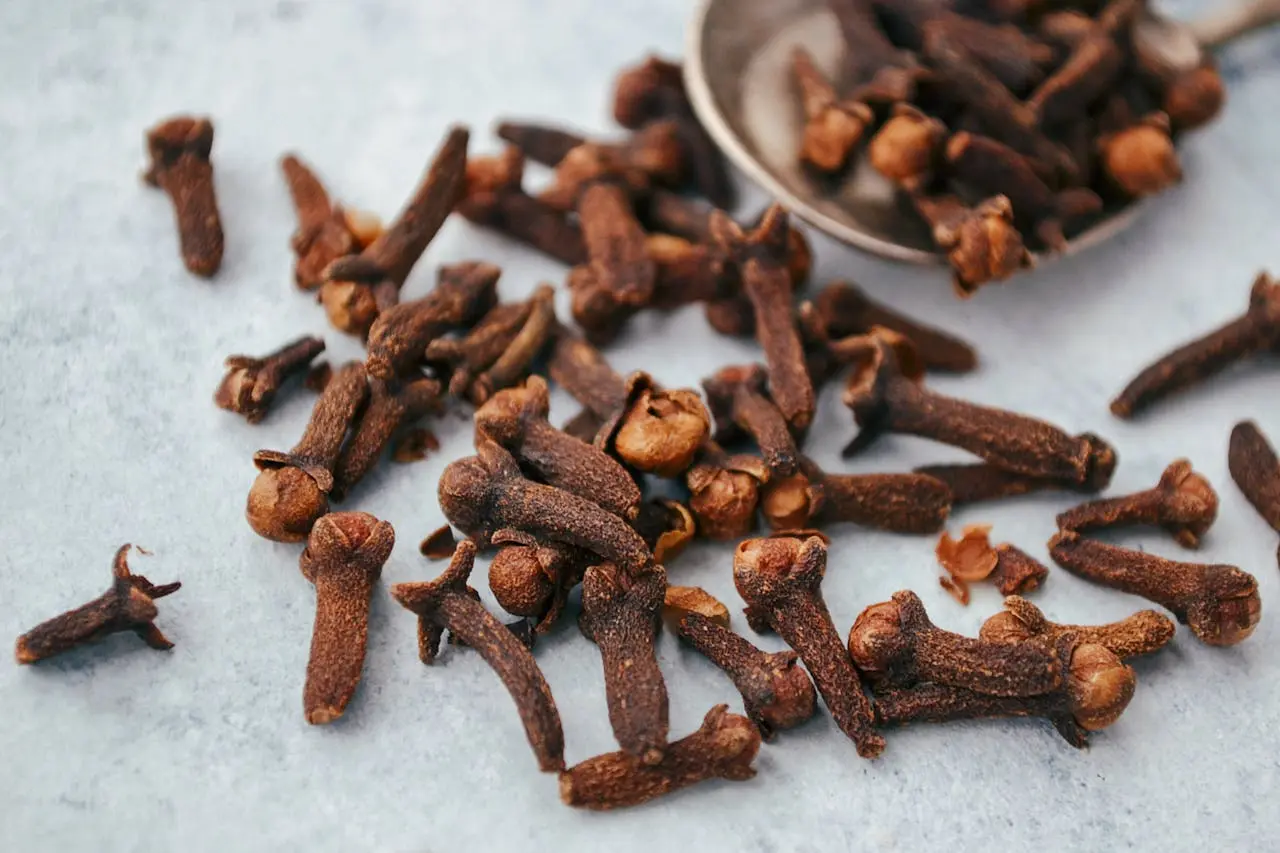
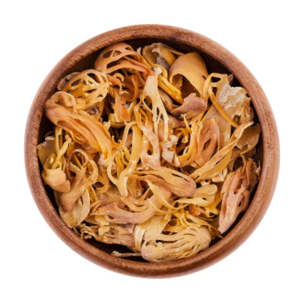
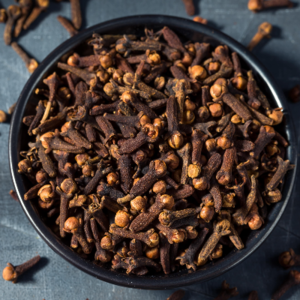
Remark Fresh’s catalogue comprises Ceylon Black Pepper, Cinnamon, Cloves and Nutmeg presented in standing pouch, tin pack and bulk kilogram containers. In the spice trade, black pepper is typically graded A or AA with moisture content below 12 % and size ranging 10‑15 mm; cinnamon sticks are graded based on quill length (usually 20‑30 mm) and oil content above 2 %. Cloves are assessed for whole‑bud integrity and a moisture level under 8 %, while nutmeg is evaluated for kernel purity and oil content near 20 %. Buyers often request these specifications together with organoleptic test results and foreign‑matter limits as defined by the Codex Alimentarius.
Industry standards for Sri Lankan spices frequently reference ISO 22000 food safety management, HACCP compliance and, for organic lines, certification under the EU organic regulation (Regulation 834/2007). Export packs are commonly sealed in food‑grade tin cans or multi‑layer laminated pouches that meet ASTM D4169 for transport durability. Container loading typically uses 20‑ft or 40‑ft dry containers, with each 1 kg bulk bag stacked on pallets to optimize space while preserving product integrity.
Trade and Export Information - Remark Fresh (PVT) LTD
Sri Lanka is a major exporter of Ceylon spices, supplying the European Union, the United States, the Middle East and Southeast Asian markets. HS chapter 09 covers spices, herbs and aromatics, and customs authorities in importing countries often require phytosanitary certificates, a certificate of origin and compliance with maximum residue limits (MRLs) set by the Codex. Typical buyers request ISO 22000 or HACCP audit reports, and for organic products, a verified organic certificate recognised by the importing nation’s authority. Packaging in tin cans or laminated pouches must meet EU Regulation 1935/2004 on materials in contact with food, and bulk shipments are usually palletised in 1 kg bags within Euro‑pallet frames for container loading.
Logistics for Sri Lankan spice exports commonly use FOB or CIF Incoterms, with cargo consolidated in 20‑ft containers (approximately 12‑14 metric tonnes of bulk spices) or 40‑ft containers (up to 28 metric tonnes). Exporters often engage freight forwarders familiar with HS‑code 0904, 0905‑0908 documentation to ensure smooth customs clearance. Seasonal demand peaks during the northern hemisphere’s winter months, prompting buyers to plan lead times of 30‑45 days for production, packaging and shipment.
Sourcing from Remark Fresh (PVT) LTD - Buyer Guidance
When sourcing from Remark Fresh, buyers should request the latest phytosanitary certificate, a certificate of origin and any organic certification if applicable. Sample specifications generally include moisture content, oil content, microbial limits (e.g., total plate count <10 000 cfu/g) and verification against Codex MRLs for pesticide residues. Verify that the supplier’s packaging material complies with the buyer’s target market regulations, such as EU food‑contact material standards, before confirming orders.
Confirm the HS code used for each product matches the intended import tariff classification, and ask for a test report from an accredited laboratory (e.g., ISO‑certified lab) confirming grade, size distribution and purity. Request details on minimum order quantity, which for bulk 1 kg bags often starts at 500 kg, and lead time, typically 3‑4 weeks from order confirmation. Ensure that the supplier can provide traceability records from farm to pack, which is a common requirement for premium spice buyers.
Frequently Asked Questions About Remark Fresh (PVT) LTD
What spice products does Remark Fresh currently list for export?
The catalogue includes Ceylon Black Pepper, Ceylon Cinnamon, Ceylon Cloves and Ceylon Nutmeg, each offered in standing pouch, tin pack or 1 kg bulk bag formats.
Which HS codes are associated with the listed spices?
Black Pepper is classified under HS 0904.11, Cinnamon appears under HS 0906.11, 0905.12 and 0901.21, Cloves under HS 0907.00 and Nutmeg under HS 0908.10.
What packaging materials are used for the spices?
Packaging options comprise food‑grade standing pouches, tin cans and bulk 1 kg bags, all suitable for export and compliant with typical food‑contact regulations.
What certifications should a buyer request from Remark Fresh?
Buyers should request a phytosanitary certificate, a certificate of origin and, if purchasing organic‑labelled goods, the relevant organic certification. ISO 22000 or HACCP audit reports are also commonly required.
What are typical quality specifications for Ceylon Black Pepper?
Grade A black pepper usually has moisture below 12 %, size 10‑15 mm, and oil content around 45‑55 %. Microbial limits follow Codex standards, such as total plate count under 10 000 cfu/g.
What is the minimum order quantity and lead time for bulk spice shipments?
Bulk 1 kg bags are often ordered with a minimum of 500 kg, and lead times range from 30 to 45 days depending on packaging and destination.
How are the spices shipped internationally?
Exports are typically arranged on 20‑ft or 40‑ft dry containers using FOB or CIF terms, with goods palletised to optimise space and protect product integrity during transit.
What documentation is needed for customs clearance in the EU?
Importers usually need the phytosanitary certificate, certificate of origin, a compliance statement for EU food‑contact material regulations and a test report confirming conformity with Codex MRLs.




 , Sri Lanka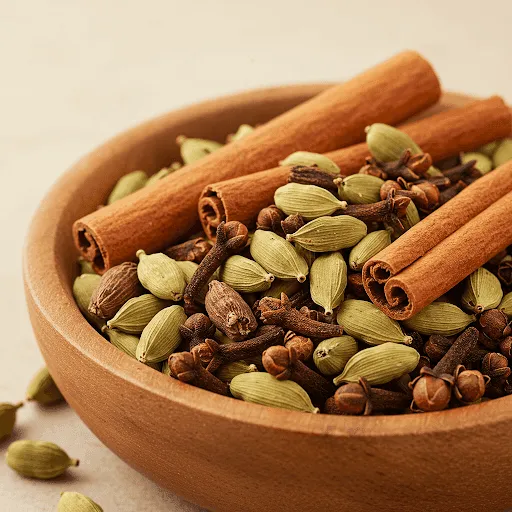



.jpg.png)