Agriculture›
 Apparel and fashion accessories›
 Construction & real estate›💡Electronic & Electrical›🍎Food & Beverages›🛋️Home furnishing & supplies›⚗️Industrial goods & chemical›🪨Minerals & metals›📦Miscellaneous›Agriculture›Apparel and fashion accessories›Construction & real estate›💡Electronic & Electrical›🍎Food & Beverages›🛋️Home furnishing & supplies›⚗️Industrial goods & chemical›🪨Minerals & metals›📦Miscellaneous›
Shine Sun Industrial Co., Ltd. Product Catalog



About Shine Sun Industrial Co., Ltd. - Apparel Supplier in Viet Nam
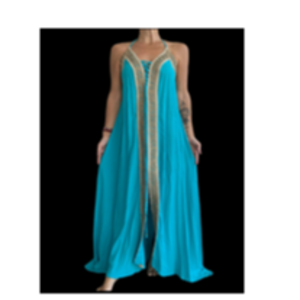
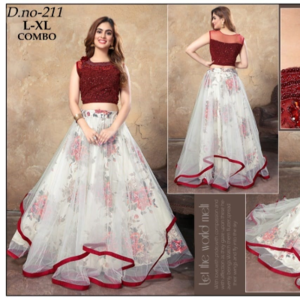
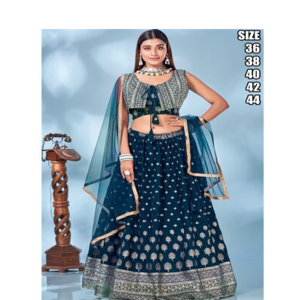
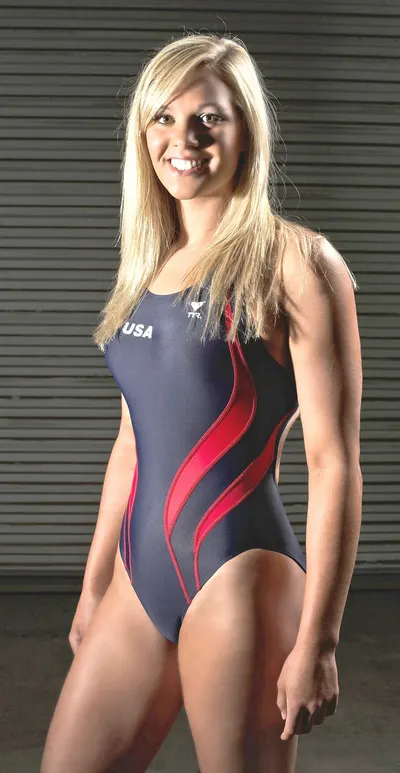
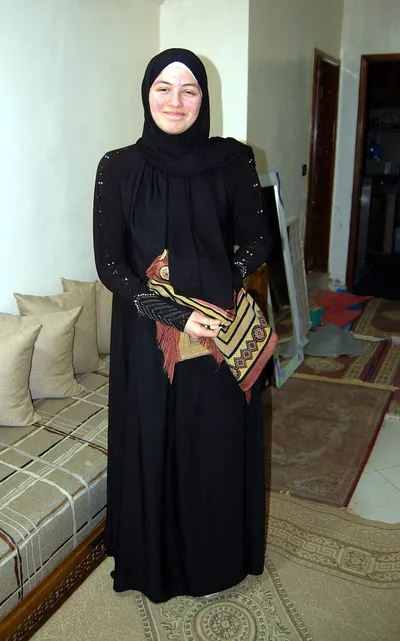
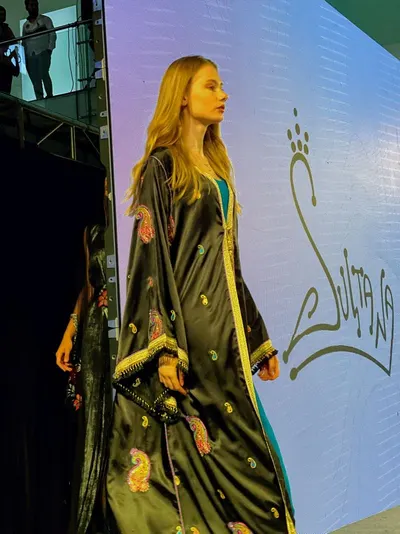
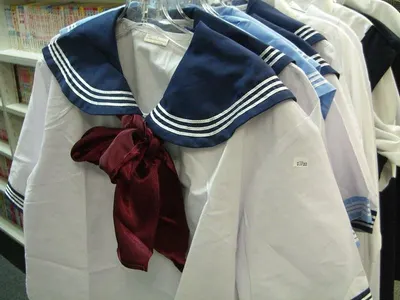
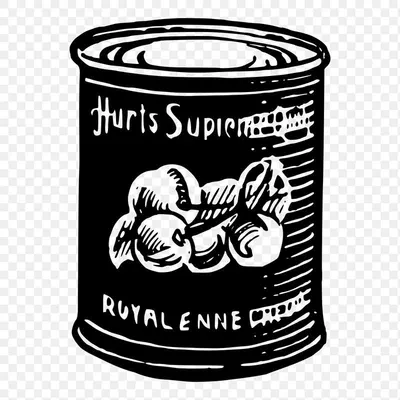
Vietnam‑based Shine Sun Industrial Co., Ltd. lists 22 active products across a mix of apparel and food categories. The catalogue includes traditional and ethnic dance costumes, hats and caps, bathrobes, swimwear, abayas, shawls, canned fruit, canned coffee, detergent powder, soaps, scented gels and various uniform items such as hospital and laboratory coats. Specific products named are Abaya, Swimsuit S02 (HS code 6211.12, polyamide‑lycra blend), Swimsuit S03 (HS code 6211.12, polyester‑spandex), Swimsuit S04 (HS code 6211.12, polyamide‑lycra), Canned Fruit (HS code 2008.98, mixed fruit with sugar and citric acid), and Chili Sauce among others. The listed HS‑code families cover chapter 62 for apparel and chapter 20 for processed food, reflecting the dual nature of the supplier’s catalogue.
The apparel items are primarily swimwear and religious garments, with materials disclosed for three swimsuit SKUs: polyamide‑lycra (80 % Polyamide / 20 % Lycra), polyester‑spandex blend, and a polyamide‑lycra blend. The food items include canned fruit (fruit, sugar, water, citric acid) and canned coffee, both falling under HS 2008.98 for prepared fruit and HS 2008.99 for other processed fruit products. Detergent powder and soap are listed without HS codes but would typically be classified under chapter 34 for chemical products. The supplier’s catalogue therefore spans both textile and food processing HS sections, providing a diversified product set for international buyers.
Product Range and Specialties of Shine Sun Industrial Co., Ltd.
Shine Sun’s catalogue presents three distinct swimsuit constructions: a polyamide‑lycra blend (80 % polyamide / 20 % lycra), a polyester‑spandex blend, and a second polyamide‑lycra blend. In the global swimwear market, these fabrics are graded by stretch recovery (usually 150‑200 % elongation) and colour‑fastness to chlorine (A‑rating). The abaya and other religious garments are typically cotton or polyester‑cotton blends, with seam strength measured in N‑mm and a common weight of 150‑180 gsm. Canned fruit products from Vietnam are usually packed in tin containers of 400 g to 1 kg, with ICUMSA sugar purity standards (often 95 % sucrose) and a target pH of 3.5‑4.0 for shelf stability. Canned coffee follows standard coffee‑bean extraction ratios (10 % solids) and complies with EU food‑safety limits for caffeine and mycotoxins. The detergent powder, though not coded, is generally formulated to meet ASEAN standard 3 for surfactant content (30‑40 % active ingredient) and low‑phosphate specifications.
Frequently Asked Questions About Shine Sun Industrial Co., Ltd.
What material is used in Swimsuit S02 and how is it classified?
Swimsuit S02 is made of 80 % polyamide and 20 % lycra, classified under HS code 6211.12 for women's or girls' swimsuits.
Which HS code applies to the Canned Fruit product?
The Canned Fruit is listed under HS code 2008.98, which covers prepared or preserved fruit, nuts or other edible parts of plants.
What certifications are typically required for the canned food items?
Buyers usually request HACCP certification, a Certificate of Origin and a lab analysis for sugar purity and pH; these are standard for HS 2008.98 exports from Vietnam.
How are the swimsuit products typically packaged for export?
Swimsuits are folded and packed in poly‑bagged cartons, usually 20‑30 pieces per 40 ft container, with each carton weight not exceeding 25 kg to meet standard freight limits.
What quality tests should be requested for the detergent powder?
A typical buyer should ask for a surfactant content test (30‑40 % active ingredient), a pH test (7‑9 in water solution) and a heavy‑metal analysis complying with ASEAN standard 3.
 Viet Nam
Related Suppliers & Products
Explore similar suppliers, related products and trending categories