Cosmaline — Supplier
About Cosmaline - Cosmetics & Beauty Products Supplier in Lebanon
Lebanon‑based Cosmaline lists five active cosmetic products in its catalogue. The portfolio covers Deodorants (HS 3307.30) formulated with aluminum chlorohydrate and fragrance‑based aqueous solutions, Skin Care creams (HS 3304.99) containing water, emollients, humectants, fragrance and preservatives, Body Care lotions (HS 330730) based on an aqueous surfactant‑glycerin blend, Hair Care liquids (HS 3305.90) with surfactants, vitamin complexes, conditioning agents and preservatives, and Hair Styling gels (HS 3305.90) that use cosmetic‑grade polymers, conditioning agents, preservatives and fragrance. Each entry specifies the material composition as recorded in the supplier’s catalogue, allowing buyers to match exact formulation needs.
The five listed items fall under HS Chapter 33, which groups cosmetics, perfumery and toiletries. Deodorants (3307.30) are classified as antiperspirant and deodorizing preparations, while Skin Care (3304.99) and Body Care (330730) belong to “Other preparations for skin” and “Other preparations for personal hygiene”. Hair Care and Hair Styling share the 3305.90 code for “Other preparations for hair”. These codes determine duty rates and regulatory treatment in most importing jurisdictions, including the EU, GCC and North America.
Product Range and Specialties of Cosmaline
Cosmaline’s catalogue includes aqueous‑based deodorant, skin‑care, body‑care, hair‑care and hair‑styling formulations. In the broader cosmetics industry, such products are commonly produced to ISO 22716 (Good Manufacturing Practice) standards and are subject to EU Cosmetic Regulation (Regulation EC 1223/2009) or GCC technical regulations when destined for those markets. Deodorant concentrates typically contain 10‑20 % aluminum chlorohydrate, with pH adjusted between 4.5‑5.5, while skin‑care creams often target a pH of 4‑7 and include emollient levels of 5‑15 % by weight. Hair‑care liquids usually have surfactant concentrations of 5‑12 % and may incorporate vitamin B5 or panthenol at 0.5‑2 %. Hair‑styling gels frequently use polymeric film‑formers such as carbomers at 0.5‑2 % to achieve desired viscosity. Standard packaging for these categories includes 30‑150 ml plastic or aluminum containers for deodorants, 50‑200 ml tubes or pumps for skin and body care, and 200‑500 ml PET bottles for hair‑care liquids.
Trade and Export Information - Cosmaline
Lebanese cosmetics exporters commonly ship to the Middle East, North Africa, the European Union and selected Asian markets. HS Chapter 33 products are typically cleared under the Harmonised System codes 3304‑3307, with import licences required in the EU and GCC for certain fragrance ingredients. Buyers often request certificates such as ISO 9001 quality management, ISO 22716 GMP compliance, and a Gulf Conformity (GCC) Certificate of Conformity for regional trade. Packaging must meet UN 3373 for hazardous substances only when certain aerosol propellants are used; otherwise standard cardboard cartons, plastic shrink‑wrap and 20‑ft or 40‑ft containers are employed. Lebanese exporters use the Port of Beirut as the primary gateway, and Incoterms such as FOB Beirut or CIF Mediterranean are standard in contracts.
Sourcing from Cosmaline - Buyer Guidance
When sourcing from Cosmaline, buyers should request a full product specification sheet that lists ingredient percentages, pH, viscosity, and stability test results. A Safety Data Sheet (SDS) and any available microbiological test reports are essential for regulatory compliance in the EU or GCC. Verify that the supplier can provide evidence of ISO 22716 or comparable GMP adherence, as these are typical pre‑qualification criteria for cosmetics. Confirm packaging details - for example, whether deodorants are supplied in 50 ml aluminum tubes or 100 ml plastic spray cans - and ensure the chosen packaging complies with the destination market’s labeling regulations, including ingredient declaration and batch numbering.
Frequently Asked Questions About Cosmaline
What cosmetic product categories does Cosmaline list in its catalogue?
Cosmaline lists Deodorants, Skin Care, Body Care, Hair Care and Hair Styling, each assigned to HS codes 3307.30, 3304.99, 330730 and 3305.90 respectively.
Which HS codes are associated with Cosmaline’s products?
The HS codes are 3307.30 for Deodorants, 3304.99 for Skin Care, 330730 for Body Care, and 3305.90 for both Hair Care and Hair Styling.
What material bases are used in Cosmaline’s deodorant formulation?
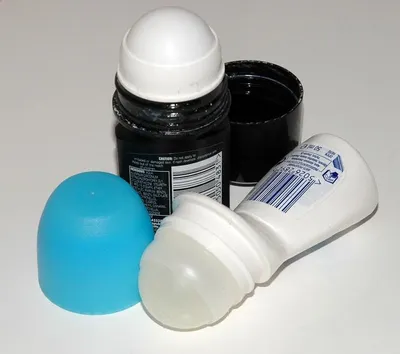
The deodorant formulation is based on aluminum chlorohydrate combined with a fragrance‑based aqueous solution.
What typical certifications should a buyer request for these cosmetics?
Buyers usually request ISO 22716 (GMP for cosmetics), ISO 9001 quality management, and region‑specific certificates such as the GCC Certificate of Conformity or EU Cosmetic Regulation compliance documents.
What standard packaging formats are common for the listed product types?
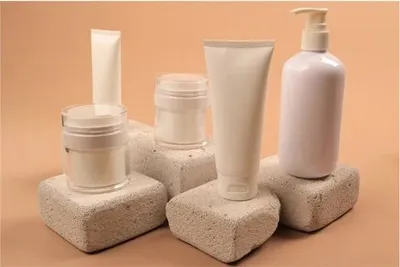
Deodorants are often supplied in 30‑100 ml spray cans or roll‑on tubes, Skin and Body Care in 50‑200 ml plastic jars or pumps, and Hair Care/Hair Styling in 200‑500 ml PET bottles or squeeze tubes.
What documentation is essential before placing an order with Cosmaline?
Essential documents include a detailed product specification sheet, Safety Data Sheet (SDS), stability and microbiological test reports, and any available GMP compliance certificates.
Which markets typically import cosmetics from Lebanon?
Typical import markets for Lebanese cosmetics include the Gulf Cooperation Council (GCC) states, the European Union, North African countries and selected Asian regions such as India and Malaysia.
What Incoterms are commonly used for shipping cosmetics from Lebanon?
Exporters from Lebanon frequently use FOB Beirut or CIF Mediterranean terms for containerized shipments, with 20‑ft or 40‑ft containers depending on order volume.




 , Lebanon