Egyblends — Verified Wholesaler & Wholesale Supplier

About Egyblends - Herbs & Essential Oils Supplier in Egypt

Egyblends operates out of Cairo, Egypt and currently lists 36 distinct products in its catalogue. The portfolio covers aromatic herbs, seeds, dried vegetables, medicinal plants and essential oils. Products are classified under HS chapters 07 (fresh herbs), 09 (spices and dried herbs), 12 (seeds) and 33 (essential oils). The catalogue includes items such as Anise seed (HS 0909.29), basil seeds (HS 1209.99), cumin seed (HS 0903.00) and Rose oil (HS 3301.29). Each entry specifies the material type, for example dried leaf or pure oil, and the corresponding HS code.

The supplier reports export activity to South America, Europe, the United States and the Middle East, reflecting a presence in high‑end markets. Egyblends is classified in the organic supplier tier, indicating that a portion of its catalogue is positioned for organic‑certified supply chains. The listed top categories include parsley, rosemary oil, basil leaf, thyme, mustard oil, lemongrass, lavender oil and lavender, all of which are part of the 36‑product offering.

Product Range and Specialties of Egyblends

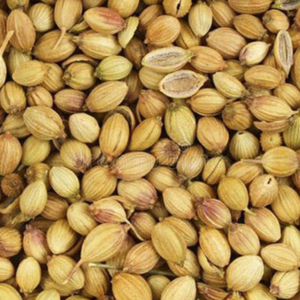
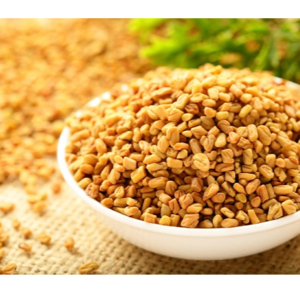
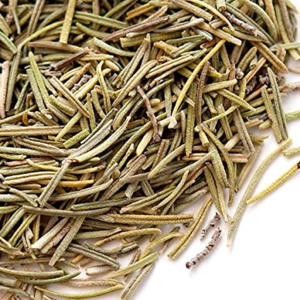
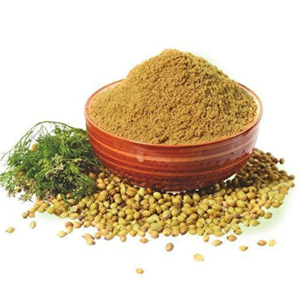
The catalogue spans a variety of spice seeds (e.g., Anise, Caraway, Coriander, Cumin, Fennel, Fenugreek) each falling under HS 0909‑31 and HS 1209‑99, as well as dried herb leaves such as rosemary, thyme, oregano and flat parsley classified under HS 0910‑99. Essential oils like Chamomile, Rose and Geranium are listed under HS 3301‑29. In the herb and spice trade, buyers typically look for organic certification (EU organic, USDA‑NOP) and grade specifications such as ISO 3632 for color of spices, moisture content below 12 % for dried leaves, and pesticide residue limits set by the EU Pesticides Regulation. Essential oils are commonly assessed by gas chromatography‑mass spectrometry (GC/MS) to verify purity, with standard specifications calling for ≥95 % main constituent and ISO 9235 compliance. Seed products are often evaluated for germination rate, oil content and aflatoxin levels, with grades ranging from “food grade” to “pharmaceutical grade” depending on intended use.

Trade and Export Information - Egyblends

Egypt is a long‑standing exporter of herbs, spices and essential oils, with major importers located in the European Union, North America, the Middle East and East Asia. HS‑code families 0909, 0910, 1209 and 3301 are routinely subject to phytosanitary inspection under the International Plant Protection Convention (IPPC) and may require a Phytosanitary Certificate for fresh or dried plant material. Buyers typically request certificates such as ISO 9001 for quality management, HACCP for food safety and, where organic claims are made, EU organic or USDA‑NOP certificates. Packaging for dried herbs and seeds is usually 25 kg polypropylene bags or 1 kg PET jars, while essential oils are shipped in amber glass bottles (100 ml - 1 L) with leak‑proof caps. Logistics commonly employ FOB Cairo Port or CIF to major ports, using 20‑ft or 40‑ft containers depending on volume.

Sourcing from Egyblends - Buyer Guidance

When sourcing from Egyblends, buyers should request a current Certificate of Analysis that details moisture, ash, microbial count and pesticide residue for each herb or seed. For essential oils, a GC/MS report confirming the percentage of the primary constituent (e.g., linalool in lavender oil) and a purity certificate meeting ISO 9235 are standard. Verify any organic claim with the relevant certification document and consider requesting a sample batch before committing to full‑scale orders; typical minimum order quantities for dried herbs range from 500 kg to 1 ton, while essential oils are often ordered in multiples of 100 ml bottles with a lead time of 30‑45 days.

Frequently Asked Questions About Egyblends

What HS codes does Egyblends use for its spice seeds?

The spice seeds such as Anise, Caraway, Coriander, Cumin, Fennel and Fenugreek are listed under HS 0909.21‑31, while basil and marjoram seeds fall under HS 1209.99.

Which certifications should I ask for when buying organic herbs from Egyblends?

Request the current EU organic or USDA‑NOP certificate that covers the specific herb batch, along with a recent ISO 9001 quality‑management certificate if available.

How is the purity of essential oils like Rose oil verified?

Purity is typically confirmed by a GC/MS analysis that shows the main constituent (e.g., citronellol for Rose oil) at ≥95 % and compliance with ISO 9235 specifications.

What are the common packaging formats for dried herbs supplied by Egyblends?

Dried herbs are usually packed in 25 kg multi‑wall polypropylene bags or 1 kg PET jars, sealed to protect against moisture and contamination.

What phytosanitary documents are required for importing dried leaves?

Importers generally need a Phytosanitary Certificate issued by Egyptian authorities, confirming the product is free from pests and complies with IPPC standards.

What are typical lead times and MOQ for bulk orders of dried vegetables?

Bulk orders of dried vegetables commonly have a minimum order of 500 kg and a production lead time of 30‑45 days from order confirmation.

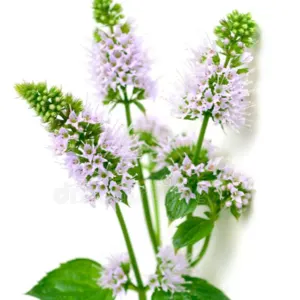
Can I obtain a sample of the peppermint leaf before placing a large order?

Yes, Egyblends can provide a sample of dried peppermint leaf, typically in a 100 g sealed pouch, accompanied by a COA detailing moisture, microbial count and pesticide residues.

Which regions most frequently import the essential oils listed by Egyblends?

The major import regions for Egyptian essential oils are the European Union, the United States, Japan and the United Arab Emirates, driven by demand in cosmetics, aromatherapy and food‑flavouring industries.


Featured Products from Egyblends

Other Suppliers in Parsley

Top Trusted Suppliers

Related Products in Parsley

Trending in Parent Category

More Suppliers in Parent Category

Related Products

Other Suppliers

EximNext
58.4K+ live requirements
Register Free🎁 5 free buy-lead credits
Post Requirement
🌍 Trusted by 224.3K+ businesses in 200+ countries|
58.4K+ active requirements right now
✉️ [email protected]
|
Sell on EximNextPost Requirement
EximNext
AgricultureApparelConstructionElectronicFoodHomeIndustrialMineralsMiscellaneous
🔥 Deals|✨ AI Match|🏭 Suppliers|📋 Buy Leads|💰 Trade Finance|⭐ Upgrade
58.4K+ live RFQs·194.4K+ suppliers
🎁 5 free credits →
EximNext
EximNext
Register Free
🎁 5 free buy-lead credits
Sign In
📋Post Requirement💬Get QuotesAI Match📋RFQ Marketplace
All Categories
Services & Tools
🏭Supplier Directory🔥Today's Deals💰Trade FinanceMembership
Sell on EximNext
AboutContactBlogHelp
Egyblends

Egyblends

🚢 Voyage
Country flag , EgyptEst. 2016-12-31
🏆
10+
Years in Business
🛡️
87/100
Trust Score

Egyblends Product Catalog

Showing 12 of 36 products
View all products →
cactus fruit oil
🚢 Voyage
cactus fruit oil
Contact
MOQ: 1 Unit
camphor oil
🚢 Voyage
camphor oil
Contact
MOQ: 1 Unit
lemon oil
🚢 Voyage
lemon oil
Contact
MOQ: 1 Unit
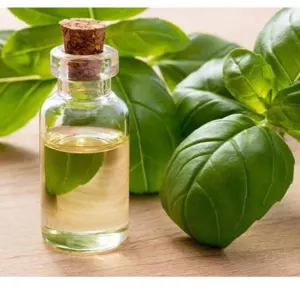
basil oil
🚢 Voyage
basil oil
Contact
MOQ: 1 Unit
jasmine oil
🚢 Voyage
jasmine oil
Contact
MOQ: 1 Unit
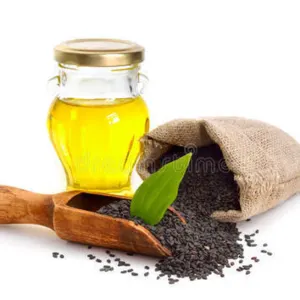
black sesame oil
🚢 Voyage
black sesame oil
Contact
MOQ: 1 Unit
geranium oil
🚢 Voyage
geranium oil
Contact
MOQ: 1 Unit
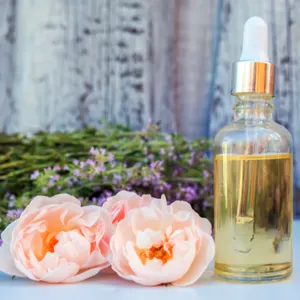
rose oil
🚢 Voyage
rose oil
Contact
MOQ: 1 Unit
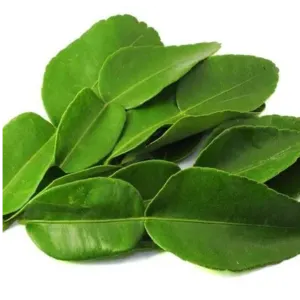
lemon leaves
🚢 Voyage
lemon leaves
Contact
MOQ: 1 Unit
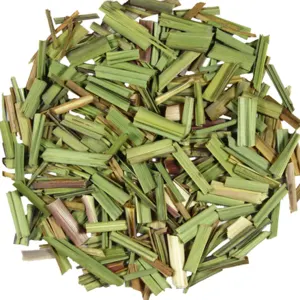
lemongrass
🚢 Voyage
lemongrass
Contact
MOQ: 1 Unit
spearmint
🚢 Voyage
spearmint
Contact
MOQ: 1 Unit
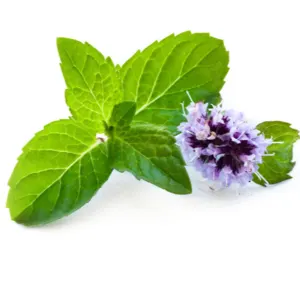
peppermint
🚢 Voyage
peppermint
Contact
MOQ: 1 Unit

About Egyblends - Herbs & Essential Oils Supplier in Egypt

Egyblends operates out of Cairo, Egypt and currently lists 36 distinct products in its catalogue. The portfolio covers aromatic herbs, seeds, dried vegetables, medicinal plants and essential oils. Products are classified under HS chapters 07 (fresh herbs), 09 (spices and dried herbs), 12 (seeds) and 33 (essential oils). The catalogue includes items such as Anise seed (HS 0909.29), basil seeds (HS 1209.99), cumin seed (HS 0903.00) and Rose oil (HS 3301.29). Each entry specifies the material type, for example dried leaf or pure oil, and the corresponding HS code.

The supplier reports export activity to South America, Europe, the United States and the Middle East, reflecting a presence in high‑end markets. Egyblends is classified in the organic supplier tier, indicating that a portion of its catalogue is positioned for organic‑certified supply chains. The listed top categories include parsley, rosemary oil, basil leaf, thyme, mustard oil, lemongrass, lavender oil and lavender, all of which are part of the 36‑product offering.

Product Range and Specialties of Egyblends

The catalogue spans a variety of spice seeds (e.g., Anise, Caraway, Coriander, Cumin, Fennel, Fenugreek) each falling under HS 0909‑31 and HS 1209‑99, as well as dried herb leaves such as rosemary, thyme, oregano and flat parsley classified under HS 0910‑99. Essential oils like Chamomile, Rose and Geranium are listed under HS 3301‑29. In the herb and spice trade, buyers typically look for organic certification (EU organic, USDA‑NOP) and grade specifications such as ISO 3632 for color of spices, moisture content below 12 % for dried leaves, and pesticide residue limits set by the EU Pesticides Regulation. Essential oils are commonly assessed by gas chromatography‑mass spectrometry (GC/MS) to verify purity, with standard specifications calling for ≥95 % main constituent and ISO 9235 compliance. Seed products are often evaluated for germination rate, oil content and aflatoxin levels, with grades ranging from “food grade” to “pharmaceutical grade” depending on intended use.

Trade and Export Information - Egyblends

Egypt is a long‑standing exporter of herbs, spices and essential oils, with major importers located in the European Union, North America, the Middle East and East Asia. HS‑code families 0909, 0910, 1209 and 3301 are routinely subject to phytosanitary inspection under the International Plant Protection Convention (IPPC) and may require a Phytosanitary Certificate for fresh or dried plant material. Buyers typically request certificates such as ISO 9001 for quality management, HACCP for food safety and, where organic claims are made, EU organic or USDA‑NOP certificates. Packaging for dried herbs and seeds is usually 25 kg polypropylene bags or 1 kg PET jars, while essential oils are shipped in amber glass bottles (100 ml - 1 L) with leak‑proof caps. Logistics commonly employ FOB Cairo Port or CIF to major ports, using 20‑ft or 40‑ft containers depending on volume.

Sourcing from Egyblends - Buyer Guidance

When sourcing from Egyblends, buyers should request a current Certificate of Analysis that details moisture, ash, microbial count and pesticide residue for each herb or seed. For essential oils, a GC/MS report confirming the percentage of the primary constituent (e.g., linalool in lavender oil) and a purity certificate meeting ISO 9235 are standard. Verify any organic claim with the relevant certification document and consider requesting a sample batch before committing to full‑scale orders; typical minimum order quantities for dried herbs range from 500 kg to 1 ton, while essential oils are often ordered in multiples of 100 ml bottles with a lead time of 30‑45 days.

Frequently Asked Questions About Egyblends

What HS codes does Egyblends use for its spice seeds?

The spice seeds such as Anise, Caraway, Coriander, Cumin, Fennel and Fenugreek are listed under HS 0909.21‑31, while basil and marjoram seeds fall under HS 1209.99.

Which certifications should I ask for when buying organic herbs from Egyblends?

Request the current EU organic or USDA‑NOP certificate that covers the specific herb batch, along with a recent ISO 9001 quality‑management certificate if available.

How is the purity of essential oils like Rose oil verified?

Purity is typically confirmed by a GC/MS analysis that shows the main constituent (e.g., citronellol for Rose oil) at ≥95 % and compliance with ISO 9235 specifications.

What are the common packaging formats for dried herbs supplied by Egyblends?

Dried herbs are usually packed in 25 kg multi‑wall polypropylene bags or 1 kg PET jars, sealed to protect against moisture and contamination.

What phytosanitary documents are required for importing dried leaves?

Importers generally need a Phytosanitary Certificate issued by Egyptian authorities, confirming the product is free from pests and complies with IPPC standards.

What are typical lead times and MOQ for bulk orders of dried vegetables?

Bulk orders of dried vegetables commonly have a minimum order of 500 kg and a production lead time of 30‑45 days from order confirmation.

Can I obtain a sample of the peppermint leaf before placing a large order?

Yes, Egyblends can provide a sample of dried peppermint leaf, typically in a 100 g sealed pouch, accompanied by a COA detailing moisture, microbial count and pesticide residues.

Which regions most frequently import the essential oils listed by Egyblends?

The major import regions for Egyptian essential oils are the European Union, the United States, Japan and the United Arab Emirates, driven by demand in cosmetics, aromatherapy and food‑flavouring industries.

About Egyblends - Herbs & Essential Oils Supplier in Egypt

Egyblends operates out of Cairo, Egypt and currently lists 36 distinct products in its catalogue. The portfolio covers aromatic herbs, seeds, dried vegetables, medicinal plants and essential oils. Products are classified under HS chapters 07 (fresh herbs), 09 (spices and dried herbs), 12 (seeds) and 33 (essential oils). The catalogue includes items such as Anise seed (HS 0909.29), basil seeds (HS 1209.99), cumin seed (HS 0903.00) and Rose oil (HS 3301.29). Each entry specifies the material type, for example dried leaf or pure oil, and the corresponding HS code.

The supplier reports export activity to South America, Europe, the United States and the Middle East, reflecting a presence in high‑end markets. Egyblends is classified in the organic supplier tier, indicating that a portion of its catalogue is positioned for organic‑certified supply chains. The listed top categories include parsley, rosemary oil, basil leaf, thyme, mustard oil, lemongrass, lavender oil and lavender, all of which are part of the 36‑product offering.

Product Range and Specialties of Egyblends

The catalogue spans a variety of spice seeds (e.g., Anise, Caraway, Coriander, Cumin, Fennel, Fenugreek) each falling under HS 0909‑31 and HS 1209‑99, as well as dried herb leaves such as rosemary, thyme, oregano and flat parsley classified under HS 0910‑99. Essential oils like Chamomile, Rose and Geranium are listed under HS 3301‑29. In the herb and spice trade, buyers typically look for organic certification (EU organic, USDA‑NOP) and grade specifications such as ISO 3632 for color of spices, moisture content below 12 % for dried leaves, and pesticide residue limits set by the EU Pesticides Regulation. Essential oils are commonly assessed by gas chromatography‑mass spectrometry (GC/MS) to verify purity, with standard specifications calling for ≥95 % main constituent and ISO 9235 compliance. Seed products are often evaluated for germination rate, oil content and aflatoxin levels, with grades ranging from “food grade” to “pharmaceutical grade” depending on intended use.

Trade and Export Information - Egyblends

Egypt is a long‑standing exporter of herbs, spices and essential oils, with major importers located in the European Union, North America, the Middle East and East Asia. HS‑code families 0909, 0910, 1209 and 3301 are routinely subject to phytosanitary inspection under the International Plant Protection Convention (IPPC) and may require a Phytosanitary Certificate for fresh or dried plant material. Buyers typically request certificates such as ISO 9001 for quality management, HACCP for food safety and, where organic claims are made, EU organic or USDA‑NOP certificates. Packaging for dried herbs and seeds is usually 25 kg polypropylene bags or 1 kg PET jars, while essential oils are shipped in amber glass bottles (100 ml - 1 L) with leak‑proof caps. Logistics commonly employ FOB Cairo Port or CIF to major ports, using 20‑ft or 40‑ft containers depending on volume.

Sourcing from Egyblends - Buyer Guidance

When sourcing from Egyblends, buyers should request a current Certificate of Analysis that details moisture, ash, microbial count and pesticide residue for each herb or seed. For essential oils, a GC/MS report confirming the percentage of the primary constituent (e.g., linalool in lavender oil) and a purity certificate meeting ISO 9235 are standard. Verify any organic claim with the relevant certification document and consider requesting a sample batch before committing to full‑scale orders; typical minimum order quantities for dried herbs range from 500 kg to 1 ton, while essential oils are often ordered in multiples of 100 ml bottles with a lead time of 30‑45 days.

Frequently Asked Questions About Egyblends
What HS codes does Egyblends use for its spice seeds?
The spice seeds such as Anise, Caraway, Coriander, Cumin, Fennel and Fenugreek are listed under HS 0909.21‑31, while basil and marjoram seeds fall under HS 1209.99.
Which certifications should I ask for when buying organic herbs from Egyblends?
Request the current EU organic or USDA‑NOP certificate that covers the specific herb batch, along with a recent ISO 9001 quality‑management certificate if available.
How is the purity of essential oils like Rose oil verified?
Purity is typically confirmed by a GC/MS analysis that shows the main constituent (e.g., citronellol for Rose oil) at ≥95 % and compliance with ISO 9235 specifications.
What are the common packaging formats for dried herbs supplied by Egyblends?
Dried herbs are usually packed in 25 kg multi‑wall polypropylene bags or 1 kg PET jars, sealed to protect against moisture and contamination.
What phytosanitary documents are required for importing dried leaves?
Importers generally need a Phytosanitary Certificate issued by Egyptian authorities, confirming the product is free from pests and complies with IPPC standards.
What are typical lead times and MOQ for bulk orders of dried vegetables?
Bulk orders of dried vegetables commonly have a minimum order of 500 kg and a production lead time of 30‑45 days from order confirmation.
Can I obtain a sample of the peppermint leaf before placing a large order?
Yes, Egyblends can provide a sample of dried peppermint leaf, typically in a 100 g sealed pouch, accompanied by a COA detailing moisture, microbial count and pesticide residues.
Which regions most frequently import the essential oils listed by Egyblends?
The major import regions for Egyptian essential oils are the European Union, the United States, Japan and the United Arab Emirates, driven by demand in cosmetics, aromatherapy and food‑flavouring industries.

Egyblends
Egyblends
Country flag , Egypt
🚢 Voyage
87/100
Trust Score
📦
36
Products
Free to contact — no commission
Escrow payment available
Verified business identity
Compare more suppliers
Post a requirement — get 10 quotes free
Let verified suppliers compete for your business. Free, fast, no commitment.
EximNext Verified Supplier
Business identity verified
Physical address confirmed
Financial history checked
Certifications authenticated
Trade references validated
Due Diligence
Verify this supplier's real shipping history.
Every shipment, every buyer, every port. Trade data that can't be faked.
Run due diligence →
Discover More

Related Suppliers & Products

Explore similar suppliers, related products and trending categories

Featured Products from Egyblends

Other Suppliers in Parsley

Top Trusted Suppliers

Related Products in Parsley

Trending in Parent Category

More Suppliers in Parent Category

Stay ahead in global trade
Weekly market insights & new supplier alerts.
EximNext
Exim Next is a leading global B2B marketplace, connecting over 205,000 verified suppliers and buyers across 200+ countries. As a trusted import export marketplace, it serves as the essential B2B portal for businesses worldwide, empowering them to expand their international reach. With Exim Next, businesses can trade smarter and grow faster.
SECURE PAYMENTS
VISAMastercardPayPalSWIFTL/CEscrow
Follow us
© 2026 EximNext