demta trade — Verified Supplier
About demta trade - Food Ingredients Supplier in Turkey
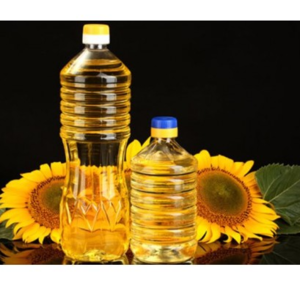
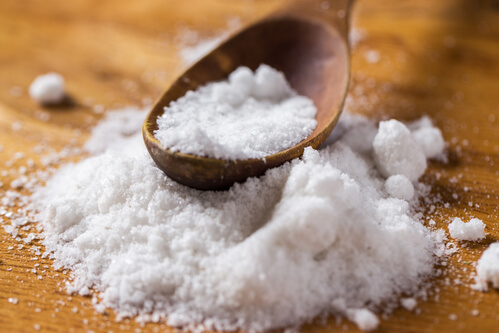
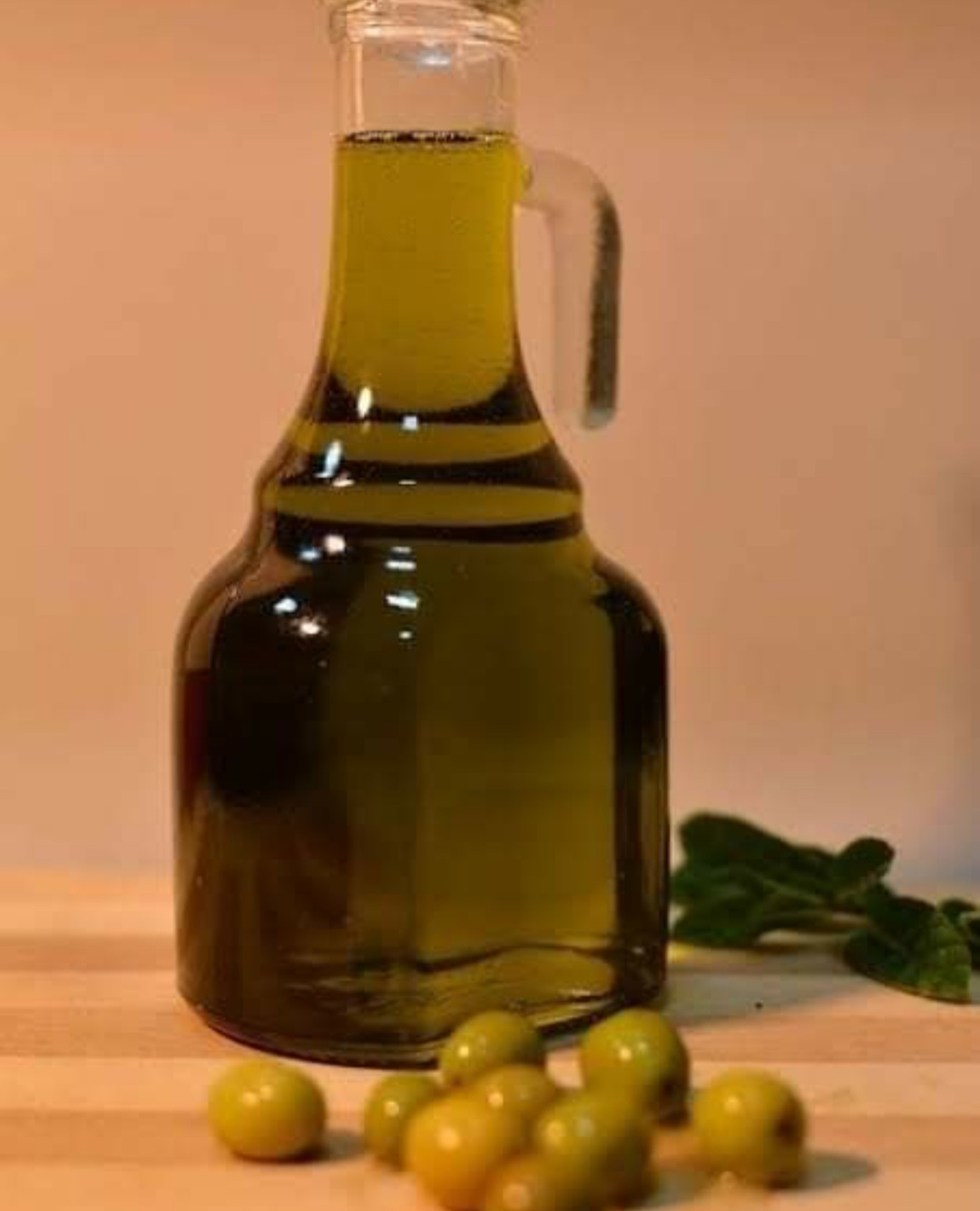
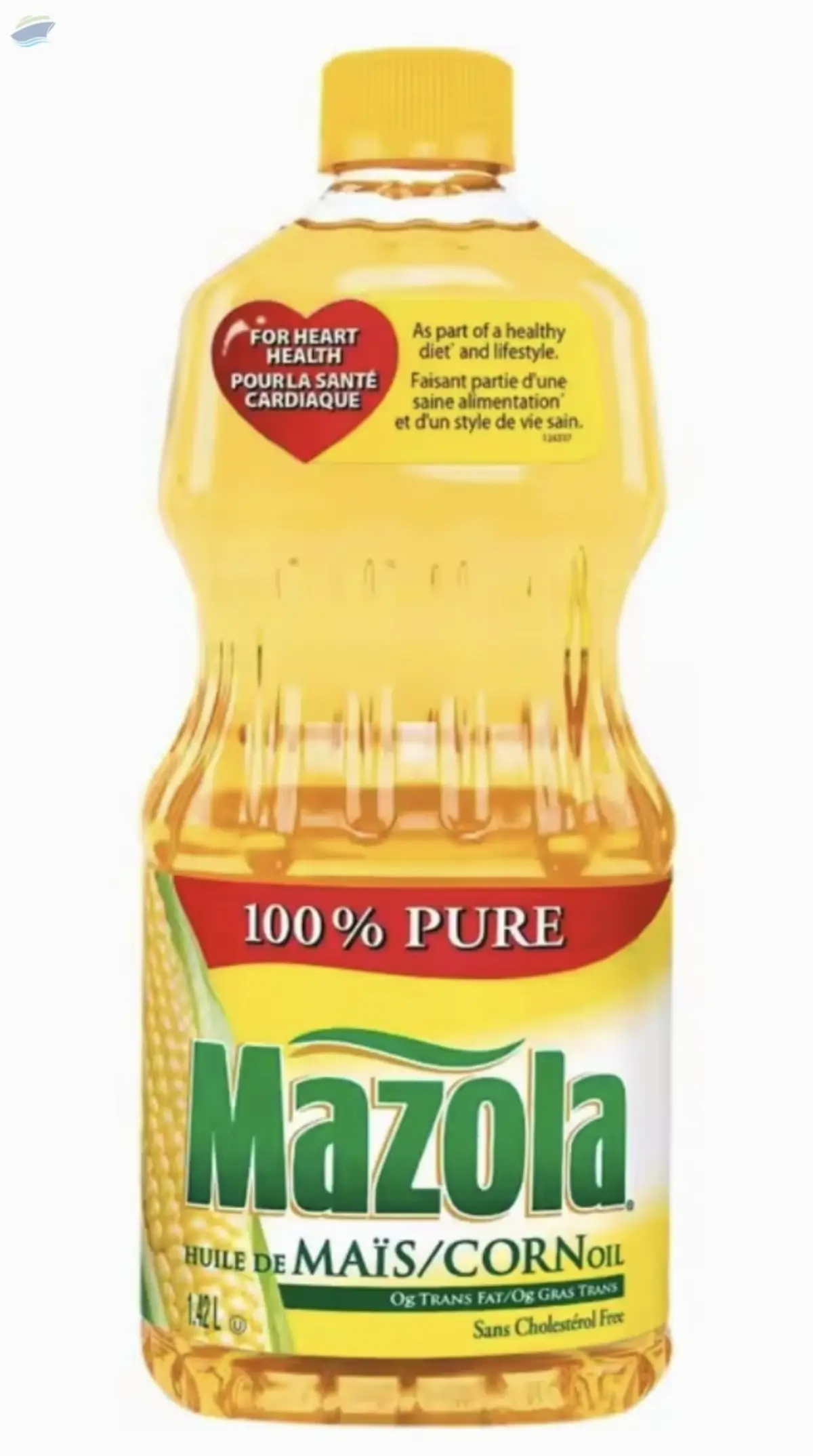
Demta Trade is based in Istanbul, Turkey and currently lists eleven active food‑ingredient products. The catalogue includes wheat flour (HS 1101.00, wheat), sunflower oil (HS 1512.19, sunflower oil), cane sugar (HS 1701.99), natural black salt (HS 2501.00), dried hibiscus calyces (HS 1211.90), pure argan oil (HS 1515.90), refined corn oil (HS 1515.29), sesame seeds (HS 1207.40), ginger powder (HS 0910.12), brown‑rice pasta (HS 1902.19) and cold‑pressed extra‑virgin olive oil (HS 1509.10).
Within the supplier‑tier system the company is classified as an organic tier supplier and holds a voyage trust tier. The product list reflects a focus on staple grains, edible oils and specialty botanicals, all sourced from Turkish farms and processing facilities. The active product count of eleven demonstrates a compact but diverse portfolio aimed at bulk buyers. Demta Trade’s entries are recorded under the respective HS‑code families for customs and trade documentation.
Product Range and Specialties of demta trade
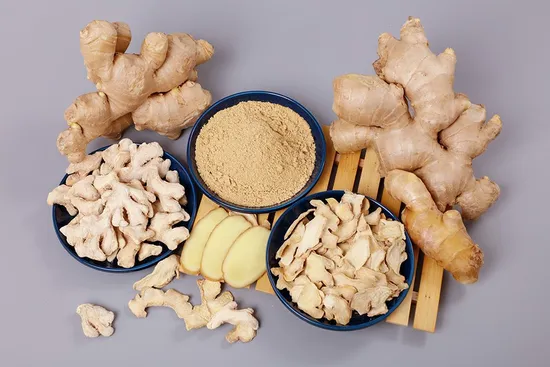
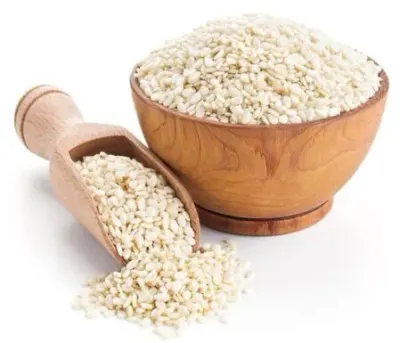
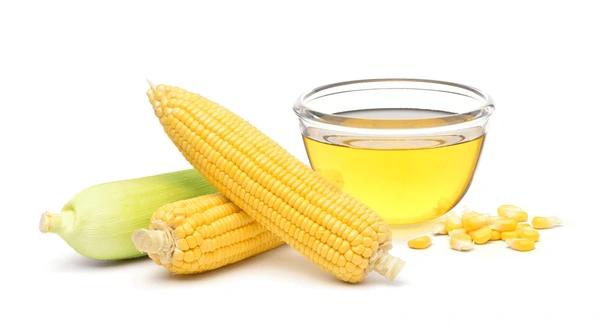
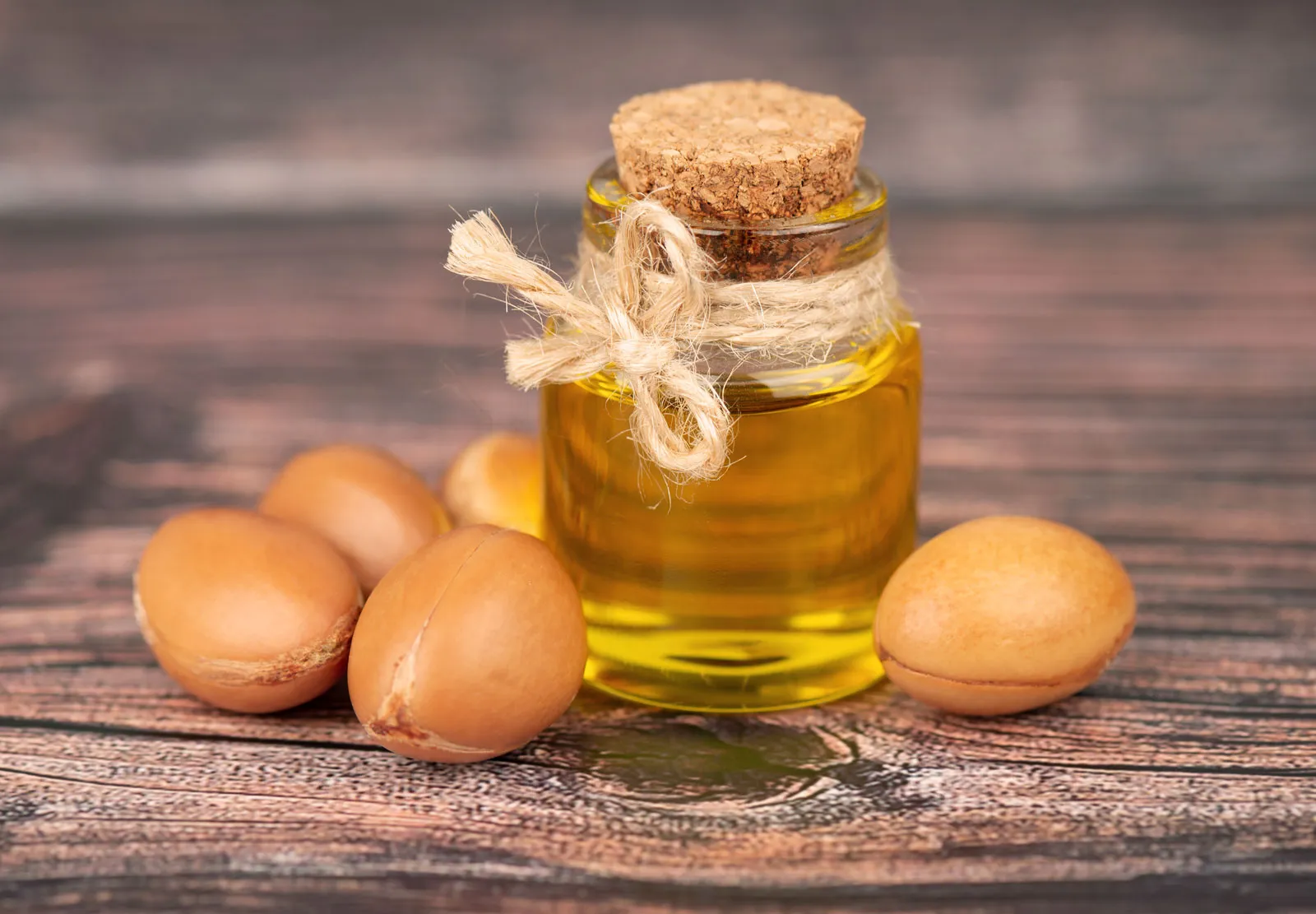
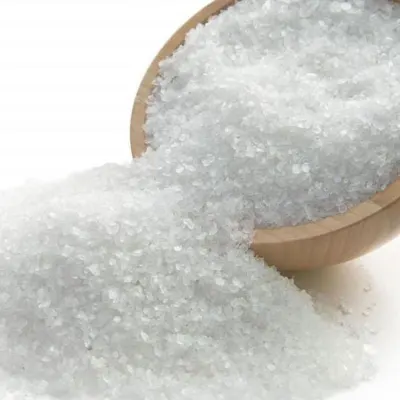
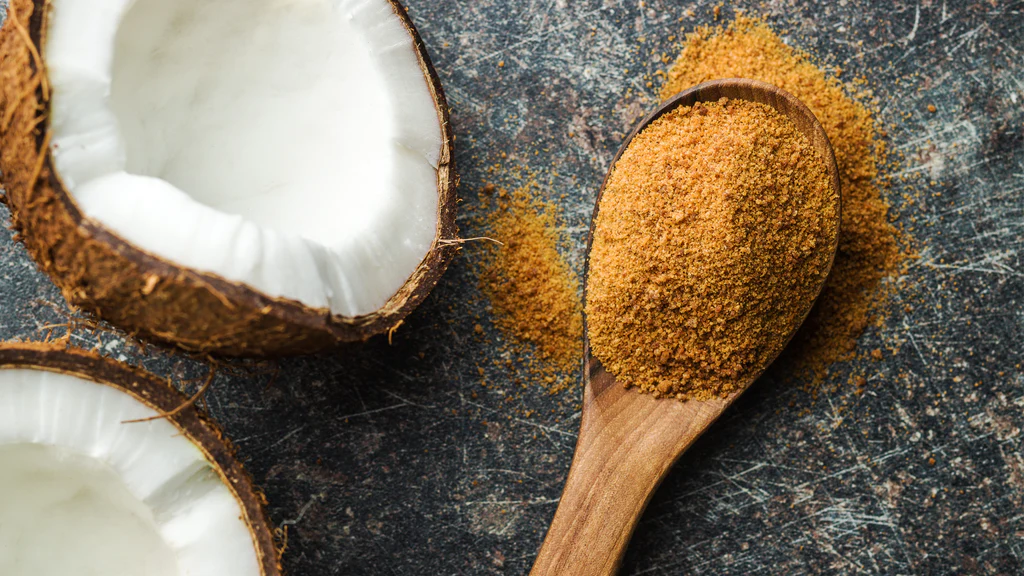
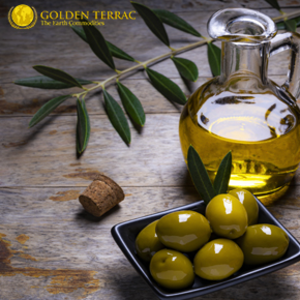
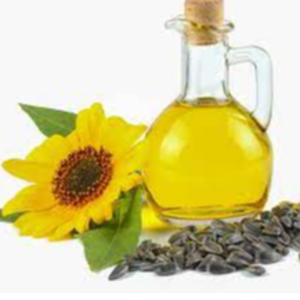
The catalogue covers standard white wheat flour, a baking grade with typical protein content of 10‑12 %, ash 0.55‑0.65 % and moisture not exceeding 14 %. Sunflower oil is supplied as refined oil with free‑fatty‑acid levels below 0.1 % and an iodine value around 110‑120. Cane sugar corresponds to ICUMSA 45 white granulated sugar, while the natural black salt meets food‑grade NaCl specifications with moisture ≤0.5 %. Dried hibiscus is usually shipped with moisture ≤12 % and anthocyanin content of 10‑15 %. Pure argan oil is cold‑pressed, limited to free acidity ≤2 % and peroxide value ≤10 meq O₂ kg⁻¹. Refined corn oil follows similar FFA limits (<0.1 %) and oxidative stability of at least 12 hours. Sesame seeds are hulled, containing 45‑55 % oil and moisture ≤6 %. Ginger powder is supplied with moisture ≤12 % and ash 5‑7 %. Brown‑rice pasta meets protein 7‑9 % and broken‑rate ≤3 %. Extra‑virgin olive oil conforms to acidity ≤0.8 % and peroxide ≤20 meq O₂ kg⁻¹. Typical packaging includes 25 kg polypropylene bags for flours and sugars, 200 L steel drums or 25 kg tote bags for oils, and 10 kg food‑grade paper bags for botanicals.
Trade and Export Information - demta trade
Turkey is a long‑standing exporter of grains, edible oils and dried botanicals. Products in HS chapters 11, 15, 17, 25 and 12 are routinely shipped to the European Union, the Middle East (UAE, Saudi Arabia) and North‑African markets, with growing demand from Asian importers. Buyers usually require certifications such as ISO 22000, HACCP, EU organic or OCS, together with a phytosanitary certificate for plant‑derived items. Turkish export regulations reference the Turkish Food Codex and TSE standards; customs inspections often check conformity to the declared HS code and packaging integrity. Bulk shipments are loaded in 20‑ft containers for dry goods and 40‑ft containers for oil drums, with common Incoterms of FOB Istanbul Port or CIF Dubai. Logistics providers also advise moisture‑proof liners for oil drums and nitrogen flushing for high‑value oils to preserve quality during transit.
Sourcing from demta trade - Buyer Guidance
When sourcing from Demta Trade, buyers should request a product specification sheet that details protein, moisture, acid value and any pesticide‑residue limits relevant to the destination market. Copies of any available ISO 22000, HACCP or organic certificates, as well as a phytosanitary certificate for the hibiscus, ginger and sesame, should be obtained before contract signing. Verify that the HS code on the commercial invoice matches the intended product and that packaging (e.g., 25 kg bags for flour, 200 L drums for oil) meets the buyer’s handling requirements. Typical minimum order quantities start at one metric ton, with a standard lead time of 30‑45 days; payment terms are often a sight L/C or documentary collection under the agreed Incoterm.
Frequently Asked Questions About demta trade
What food‑grade wheat flour does Demta Trade supply and under which HS code?
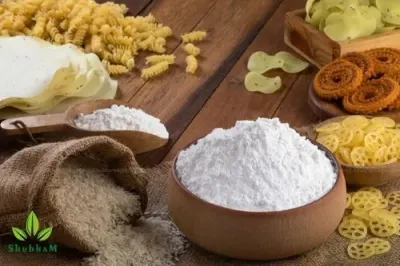
Demta Trade lists wheat flour under HS 1101.00; the product is a standard white wheat flour typically containing 10‑12 % protein, moisture ≤14 % and ash 0.55‑0.65 %.
Which edible oils are available and what are their HS codes?
The catalogue includes sunflower oil (HS 1512.19), argan oil (HS 1515.90), corn oil (HS 1515.29) and olive oil (HS 1509.10). All are food‑grade oils, commonly refined to free‑fatty‑acid levels below 0.1 % except cold‑pressed argan and extra‑virgin olive oil which have acidity limits of 2 % and 0.8 % respectively.
Does Demta Trade hold any certifications?
The supplied facts do not list any certifications held by the supplier. Buyers should request copies of ISO 22000, HACCP or organic certificates as required for their target market.
What is the HS code for the dry hibiscus product?
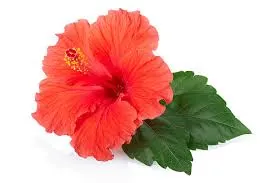
Dry hibiscus is recorded under HS 1211.90 and consists of dried Hibiscus sabdariffa calyces, usually shipped with moisture ≤12 %.
What packaging formats are used for bulk orders?
Grain‑based products such as wheat flour and sugar are typically packed in 25 kg polypropylene bags; edible oils are supplied in 200 L steel drums or 25 kg tote bags; dry botanicals like hibiscus and ginger powder are packed in food‑grade paper bags of 10 kg.
What are typical minimum order quantities and lead times?
For most items Demta Trade operates with a minimum order of one metric ton and a standard production and dispatch lead time of 30‑45 days from order confirmation.
Which markets does Demta Trade primarily export to?
The facts do not specify target markets; however, Turkish exporters of similar food ingredients commonly serve the European Union, the Middle East and North Africa, and selected Asian buyers.
How can a buyer request a sample?
Buyers can request a sample by sending a formal inquiry that specifies the product, desired sample quantity (typically 5‑10 kg) and any required testing parameters; the supplier will arrange shipment under the agreed Incoterm.





 , Turkey