NAHER ZAMZAM GENERAL TRADING LLC — Verified Manufacturer & Wholesale Supplier
About NAHER ZAMZAM GENERAL TRADING LLC - Salt and Olive Oil Supplier in United Arab Emirates
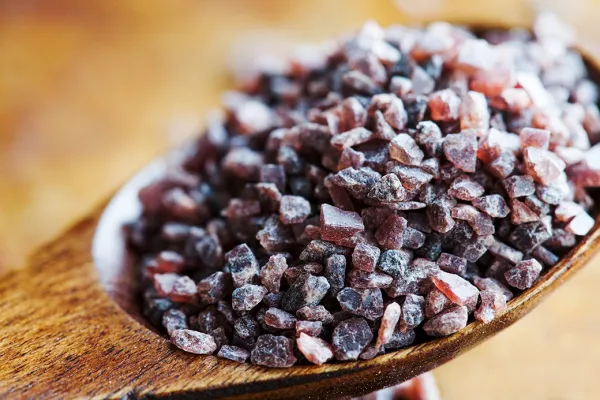
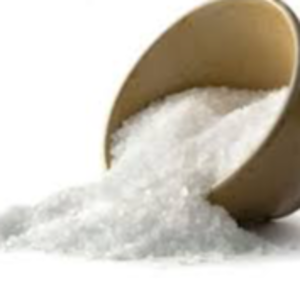
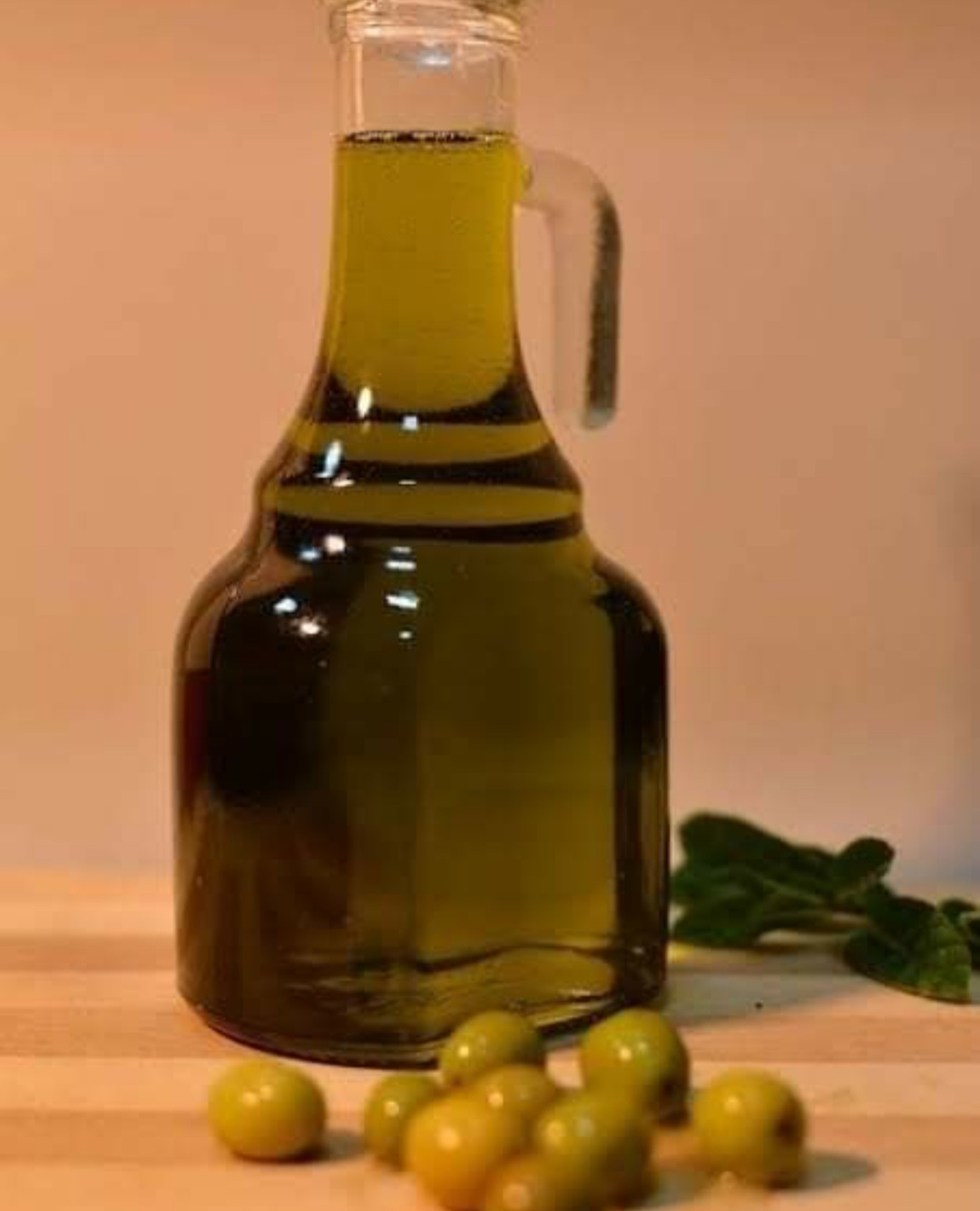
Based in Dubai, United Arab Emirates, NAHER ZAMZAM GENERAL TRADING LLC lists seven active export products. The product set comprises four Himalayan pink salt variants - fine 20‑40 mesh, fine 0.2‑0.8 mm, coarse 2‑4 mm, and a crystal form - each recorded under HS code 2501.00. In addition, three olive oil items are offered: a blended Spanish pomace oil with 7 % extra virgin oil (HS 1510.10), the same blend in 1 L packaging (HS 1510.10), and a 100 % extra virgin olive oil (HS 1509.10). The catalogue explicitly describes the salt materials by mesh or millimetre size and the olive oils by blend ratio or purity level. The supplier is classified in the organic tier of the platform, indicating a focus on organically sourced commodities.
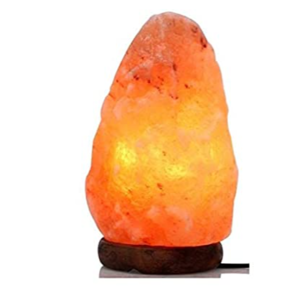
The listed categories fall under broader commodity groups of edible salts and vegetable oils, which are commonly traded worldwide. Himalayan pink salt is a specialty mineral salt sourced from the Himalayan region and is frequently marketed for its fine grain and low mineral impurity profile. Olive oil products, especially extra virgin grades, are subject to EU and GCC quality standards that govern acidity and peroxide limits. Export records for similar UAE‑based salt exporters show shipments to the GCC, East Africa, and European food‑processing markets, while olive oil from the region typically reaches the Middle East, North Africa and European retail channels. All items are presented with their respective HS codes, enabling customs classification and duty assessment for international buyers.
Product Range and Specialties of NAHER ZAMZAM GENERAL TRADING LLC
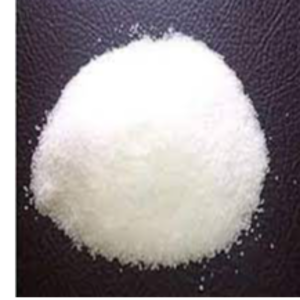
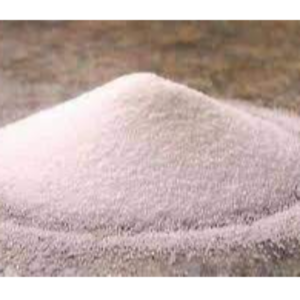
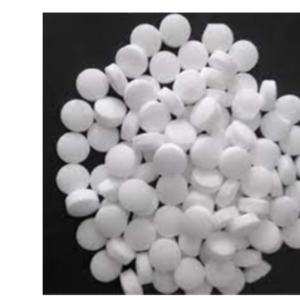
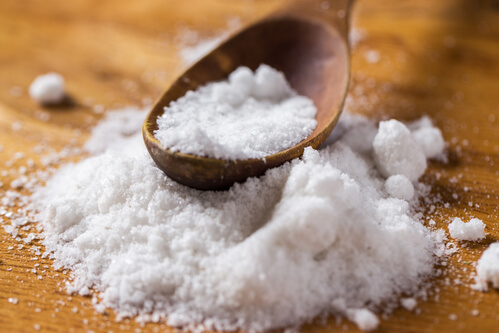
The Himalayan pink salt line includes a fine grade of 20‑40 mesh (approximately 0.8‑1.2 mm) and a finer 0.2‑0.8 mm grade, both of which are standard mesh sizes used for table‑salt applications. Industry specifications for edible mineral salts usually require a minimum purity of 99 % NaCl, moisture below 0.2 %, and heavy‑metal content under 10 ppm, values that buyers typically verify through a Certificate of Analysis. The coarse 2‑4 mm crystal variant matches the bulk‑salt grade preferred for food‑processing and industrial halting, and is often packed in 25 kg polypropylene bags or 1 kg paper bags, as noted in the material description.
The blended olive oil combines 93 % Spanish pomace oil with 7 % extra‑virgin oil, a formulation that meets the minimum free‑fatty‑acid level of 1 % required for table‑olive‑oil categories under Codex Alimentarius. The 100 % extra‑virgin olive oil is expected to meet the extra‑virgin standard of ≤0.8 % acidity, peroxide value ≤20 meq O₂/kg, and UV absorbance (K232, K270) within Codex limits. Typical packaging for these oils includes 1 L PET bottles for retail and 5 L or 25 L drums for bulk buyers, with the HS codes 1510.10 for blended oils and 1509.10 for pure extra‑virgin oil.
Trade and Export Information - NAHER ZAMZAM GENERAL TRADING LLC
Salt classified under HS chapter 25 (code 2501.00) is subject to customs duties based on weight, and many importing countries require a phytosanitary or food‑safety certificate, especially for bulk shipments. UAE exporters of mineral salts commonly ship in 20‑ft containers holding up to 25 tons, which translates to roughly 1 000 bags of 25 kg each, using CIF or FOB terms. Key destination markets for Himalayan pink salt include the GCC, East African food‑processing sector, and European specialty‑food retailers, where the product is marketed for its fine grain and mineral profile.
Olive oil products fall under HS chapter 15, with blended oils (1510.10) and extra‑virgin oils (1509.10) often requiring conformity to ISO 22000 or HACCP audits and, where applicable, organic certification. Importers in the Middle East and Europe typically request a Certificate of Origin, a laboratory COA, and compliance with the EU Food Law or GCC Standardization Organization (GSO) specifications. Logistically, 1 L PET bottles are palletised at about 1 200 units per 40‑ft container, while bulk drums are loaded at roughly 200 units per 20‑ft container, and buyers usually negotiate CIF Dubai or FOB Dubai based on volume.
Sourcing from NAHER ZAMZAM GENERAL TRADING LLC - Buyer Guidance
When sourcing the Himalayan pink salt, buyers should request a recent Certificate of Analysis that details NaCl purity, moisture content, iodine level and heavy‑metal limits, and verify that the packaging material complies with food‑grade standards. A sample of 1 kg in the same mesh size as the intended order allows laboratory verification of grain‑size distribution and solubility. Buyers are advised to confirm the supplier’s ability to provide ISO 22000 or HACCP audit reports, as these are standard prerequisites for food‑grade salt imports.
For the olive oil range, the essential documents include a COA showing free fatty acid percentage, peroxide value, UV spectrophotometric data, and a Certificate of Origin. Requesting a 500 ml sample of the blended oil and a 250 ml sample of the extra‑virgin oil enables sensory and chemical testing before committing to larger volumes. Verification of storage conditions, such as temperature‑controlled warehousing, and confirmation of shelf‑life (typically 18‑24 months for extra‑virgin oil) are critical steps before finalising the purchase.
Frequently Asked Questions About NAHER ZAMZAM GENERAL TRADING LLC
What salt products does NAHER ZAMZAM GENERAL TRADING LLC offer and under which HS code?
The supplier lists four Himalayan pink salt grades - fine 20‑40 mesh, fine 0.2‑0.8 mm, coarse 2‑4 mm, and a crystal coarse variant - each classified under HS code 2501.00 for natural mineral salts. These salts are offered in 25 kg polypropylene bags or 1 kg paper bags as indicated in the material description.
What are the typical specifications buyers should verify for the Himalayan pink salt?
Buyers usually check NaCl purity of at least 99 %, moisture below 0.2 %, heavy‑metal concentrations under 10 ppm, and mesh‑size consistency. All these parameters are documented in a Certificate of Analysis provided by the exporter.
Which olive oil products are available and what HS codes apply?
Three olive oil items are offered: a blended Spanish pomace oil with 7 % extra‑virgin oil (HS 1510.10) in bulk and 1 L formats, and a 100 % extra‑virgin olive oil (HS 1509.10) in 1 L packaging. The HS codes differentiate blended from pure extra‑virgin categories.
What quality parameters are standard for the blended olive oil?
The blended oil should meet a free‑fatty‑acid level of ≤1 %, peroxide value ≤20 meq O₂/kg, and comply with Codex limits for UV absorbance. These values are reported in a laboratory Certificate of Analysis.
What documentation is typically required before importing the extra‑virgin olive oil?
Importers normally request a Certificate of Analysis with acidity ≤0.8 %, peroxide value, UV spectrophotometry data, and a Certificate of Origin. Evidence of ISO 22000 or HACCP compliance is also commonly required.
What are the common packaging options for the salt and oil products?
Salt is supplied in 25 kg polypropylene bags or 1 kg paper bags, while olive oil is packaged in 1 L PET bottles for retail and 5 L or 25 L drums for bulk shipments. Packaging complies with food‑grade material standards.
What are typical minimum order quantities (MOQ) and lead times for these commodities?
Salt orders generally start at one 25 kg bag with a lead time of 10‑15 business days. Olive oil orders usually begin at a 500 ml sample, with bulk quantities such as 1 000 L requiring 15‑20 business days.
Which markets commonly import these products from the United Arab Emirates?
UAE‑origin Himalayan pink salt is frequently shipped to GCC states, East Africa, and European specialty‑food distributors. Olive oil exports from the UAE target the Middle East, North Africa, and European retail channels.




 , United Arab Emirates