Y-Not Natural Aust Pty. Ltd. — Verified Supplier
About Y-Not Natural Aust Pty. Ltd. - Cosmetics & Beauty Products Supplier in Australia
Y-Not Natural Aust Pty. Ltd. is based in Australia and currently lists 24 active products. The catalogue focuses on emu‑oil based cosmetics and a certified organic avocado oil, falling under the supplier’s top categories of Shampoo and Cosmetics & Beauty Products. Products such as Natural Emu Oil Eye Cream Plus Vitamin E, Emu Oil Bath Oil Plus Vitamin E, Natural Emu Oil Shampoo and Conditioner, as well as a Natural Emu Oil Moisturiser that is recorded with HS code 3304.99, illustrate the breadth of the line. The supplier is classified as an imported tier with a “harbor” trust tier, indicating it operates through Australian export channels to international buyers.
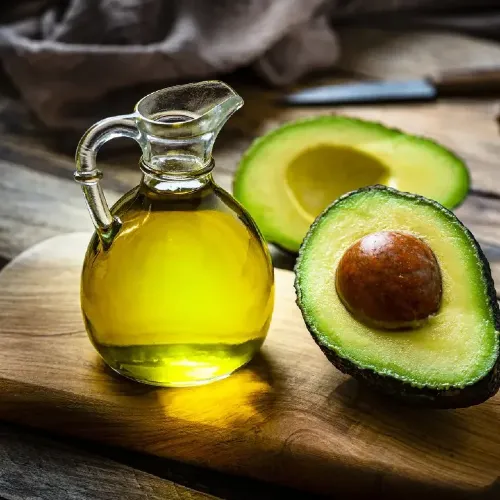
The product list includes a variety of personal‑care formats: eye cream, lip balm, hand cream, body milk, body wash, pet shampoo and aromatherapy soaps, all formulated with natural emu oil and often enriched with vitamin E or other actives. In addition, a Certified Organic Avocado Oil is offered, expanding the range into edible‑grade oils that are also used in skin‑care formulations. The only item with a specific HS code in the facts is the Natural Emu Oil Moisturiser (3304.99), which is classified under chapter 33 for beauty or make‑up preparations. Other items would typically be grouped under related HS headings such as 3305 for shampoos and conditioners or 3304.99 for other moisturising creams.
Product Range and Specialties of Y-Not Natural Aust Pty. Ltd.
The catalogue centres on emu‑oil derivatives, a niche ingredient valued for its high linoleic‑acid content and skin‑conditioning properties. In the cosmetics industry, pure emu oil is expected to meet ISO 3632 colour standards, have an iodine value between 70‑90, a peroxide value below 5 meq O₂/kg and a free‑fatty‑acid value under 2 %. Buyers generally look for cold‑pressed, 100 % natural oil without synthetic additives, and may request COSMOS‑Organic or ECOCERT certification for natural‑beauty claims. Products such as the Natural Emu Oil Shampoo and Conditioner are typically sold in 250 ml or 500 ml PET bottles, while creams and balms are packaged in 30‑50 ml tubes or jars. The Certified Organic Avocado Oil would be expected to meet extra‑virgin quality parameters (acid value < 0.5 %) and hold an organic certification such as USDA‑organic or Australian Certified Organic.
Industry standards for cosmetics that contain botanical oils include compliance with the EU Cosmetic Regulation (Regulation EC No 1223/2009) and, for exports to the United States, adherence to FDA’s Voluntary Cosmetic Registration Program (VCRP). Typical quality grades for emu‑oil moisturisers are labelled “ICUMSA 45”‑equivalent for purity, and buyers often request a Certificate of Analysis confirming the absence of heavy metals, pesticide residues and microbiological contamination. Avocado oil destined for skin‑care applications is frequently sold under the “cold‑pressed, extra‑virgin, organic” grade, with batch COAs detailing peroxide value, UV absorption and fatty‑acid profile.
Trade and Export Information - Y-Not Natural Aust Pty. Ltd.
Australia is a recognized exporter of natural oils and personal‑care ingredients, with major shipping routes to the European Union, North America and the Asia‑Pacific region. Emu‑oil products are usually classified under HS chapter 33; the moisturiser listed with HS 3304.99 falls into the “beauty or make‑up preparations” sub‑heading, while shampoos and conditioners are commonly recorded under HS 3305.10 (preparations for hair). Exporters from Australia often provide documentation such as an Australian Export Declaration, a Certificate of Origin and, where applicable, organic certification documents. Importers typically require compliance with REACH (for EU markets) or the Federal Food, Drug & Cosmetic Act (for the US), and may request GMP audit reports or third‑party lab test results before shipment.
Logistically, bulk orders of liquid cosmetics are shipped in 20‑ft or 40‑ft containers using sealed HDPE drums or bulk totes, with secondary packaging of recyclable PET bottles. Incoterms most frequently used are FOB Sydney Port or CIF to the buyer’s destination port. Buyers should verify that the supplier’s packaging meets the destination country’s labeling regulations - for example, ingredient listing in descending order of weight, batch/lot numbers and expiry dates as required by EU Regulation 1223/2009. Because the only HS code supplied is for the moisturiser, buyers of other items should confirm the correct HS classification during the order process to avoid customs delays.
Sourcing from Y-Not Natural Aust Pty. Ltd. - Buyer Guidance
When sourcing from Y‑Not Natural Aust Pty. Ltd., buyers should request a current Certificate of Analysis for each product batch, confirming purity, acid value, peroxide value and the absence of microbiological contaminants. For the Certified Organic Avocado Oil, an organic certification audit report (e.g., Australian Certified Organic) should be obtained, and for the emu‑oil cosmetics, a GMP compliance statement or COSMOS‑Organic certificate is advisable if the buyer intends to market the goods as natural or organic.
Buyers are also advised to verify packaging specifications - such as bottle material (PET vs. HDPE), volume, and child‑resistant closures if required by the destination market. Minimum order quantities (MOQs) for liquid cosmetics are typically expressed in 500 L or 1 000 L batches, with lead times ranging from 30 to 60 days depending on production scheduling and batch testing. Prior to finalising a purchase, it is prudent to request a sample for stability testing under the buyer’s intended storage conditions, as well as a draft of the product label to ensure compliance with local regulatory wording and ingredient disclosure requirements.
Frequently Asked Questions About Y-Not Natural Aust Pty. Ltd.
What HS codes are applicable to Y‑Not Natural Aust Pty. Ltd.’s cosmetics?
The Natural Emu Oil Moisturiser is listed under HS 3304.99, which covers beauty or make‑up preparations. Other products such as shampoos and conditioners are typically classified under HS 3305.10 (preparations for hair), while oils and balms often fall under HS 3304.99 as well.
Which certifications should a buyer request for the emu‑oil products?
Buyers should ask for a Certificate of Analysis, GMP compliance documentation, and, if a natural‑beauty claim is required, a COSMOS‑Organic or ECOCERT certificate. Organic‑labelled avocado oil should be accompanied by an organic certification such as Australian Certified Organic.
What are the typical packaging formats for the listed products?
Shampoos and conditioners are commonly packed in 250 ml or 500 ml PET bottles. Creams, balms and eye‑care products are usually supplied in 30‑50 ml tubes or jars, while bulk oil shipments are sent in HDPE drums or bulk totes suitable for 20‑ft or 40‑ft container loading.
What documentation is needed for customs clearance when importing from Australia?
Importers normally require an Australian Export Declaration, a Certificate of Origin, the product’s HS code, a COA, and any relevant certifications (e.g., organic, GMP). For EU destinations, REACH compliance statements may also be required.
What are the typical lead times and MOQ for these cosmetics?
Lead times are generally 30‑60 days from order confirmation, depending on batch testing and production scheduling. Minimum order quantities are often set at 500 L or 1 000 L per product, but exact MOQs should be confirmed with the supplier.
Can I obtain samples before placing a full order?
Yes, the supplier can provide sample quantities for stability and performance testing. Samples are usually supplied in the final retail packaging size and should be evaluated for compliance with the buyer’s specifications before bulk purchase.
What regulatory standards apply to the avocado oil product?
Certified Organic Avocado Oil should meet extra‑virgin quality parameters (acid value < 0.5 %), be cold‑pressed, and hold an organic certification. Exporters must also comply with the destination country’s food‑safety regulations, such as FDA food‑additive rules for the US or EU food‑law requirements.
How are shipments typically arranged for these liquid cosmetics?
Shipments are commonly arranged on a FOB basis from Sydney Port or CIF to the buyer’s destination port. Products are packed in sealed drums or bulk totes within 20‑ft or 40‑ft containers, with secondary packaging of PET bottles or tubes to protect the product during transit.




 , Australia