Agriculture›
 Apparel and fashion accessories›
 Construction & real estate›💡Electronic & Electrical›🍎Food & Beverages›🛋️Home furnishing & supplies›⚗️Industrial goods & chemical›🪨Minerals & metals›📦Miscellaneous›Agriculture›Apparel and fashion accessories›Construction & real estate›💡Electronic & Electrical›🍎Food & Beverages›🛋️Home furnishing & supplies›⚗️Industrial goods & chemical›🪨Minerals & metals›📦Miscellaneous›
Hesthetic Life Pvt Ltd Product Catalog
About Hesthetic Life Pvt Ltd - Edible Oils Supplier in India
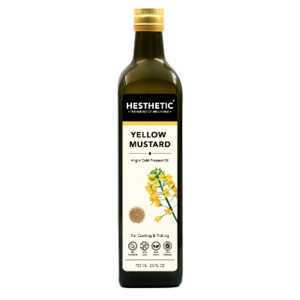
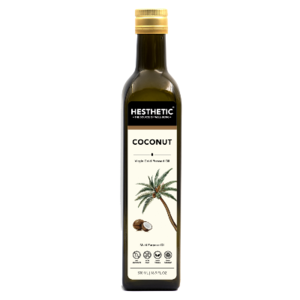
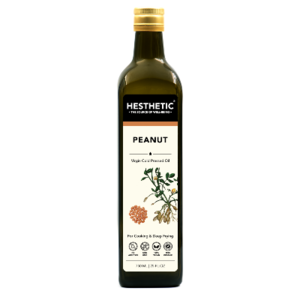
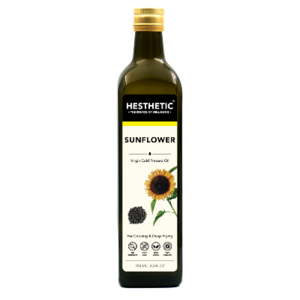
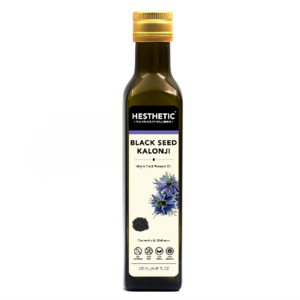
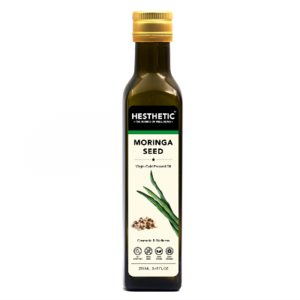
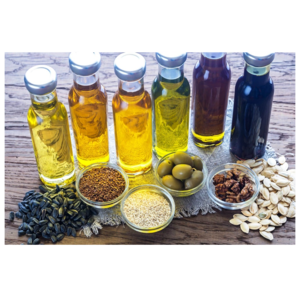
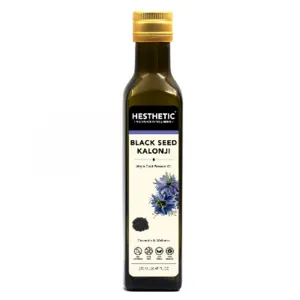
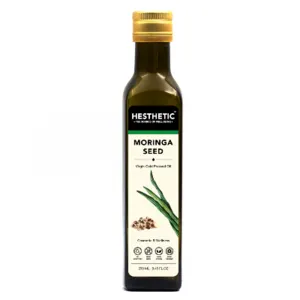
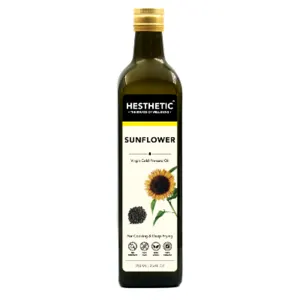
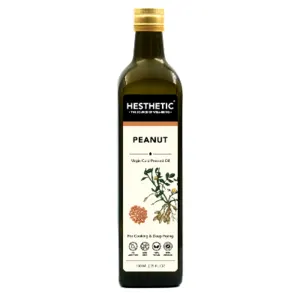
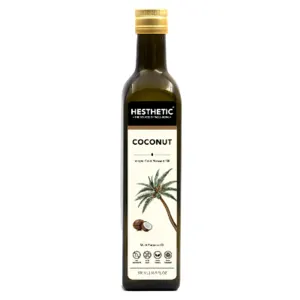
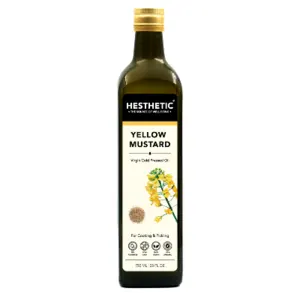
India, Surat in Gujarat, hosts Hesthetic Life Pvt Ltd, which currently lists six active organic edible oil products. The catalogue includes mustard oil, virgin coconut oil, peanut oil, sunflower oil, moringa oil, and black seed (kalonji) oil. Each product is identified with its HS code, ranging from 1512.19 to 1515.90. The supplier categorises these oils under edible oils and specifies the seed or fruit material used. All items are presented as organic, matching the supplier’s tier designation.
The HS code 1514.92 applies to the organic mustard oil derived from mustard seed, while 1513.19 covers the virgin coconut oil from coconut. Peanut oil is listed under HS 1508.10 and uses peanut/groundnut as raw material. Sunflower oil, moringa oil, and black seed oil share the 1515.90 code for other vegetable oils. The product titles include the brand prefix HESTHETIC and the term ORGANIC, indicating the marketed organic status. No additional product variants are listed beyond these six items.
Product Range and Specialties of Hesthetic Life Pvt Ltd
The six catalogued oils represent common segments of the global edible‑oil market. Mustard oil typically meets a free‑fatty‑acid (FFA) level of ≤0.5 % and an iodine value around 70 - 85, while virgin coconut oil is judged by a peroxide value ≤10 meq O₂/kg and a melting point between 24 °C and 26 °C. Peanut oil generally requires an FFA ≤0.2 % and a smoke point near 230 °C, and sunflower oil is often graded by an iodine value of 115 - 145 and a low peroxide value. Moringa seed oil and black seed oil are niche oils where buyers look for a total sterol content above 20 % and a low acid value. Organic certification usually demands compliance with standards such as USDA‑NOP or EU‑EUROPEAN ORGANIC, and buyers often request a certificate of analysis confirming pesticide‑free status.
Typical packaging for these oils includes 200 L steel drums, 25 kg PET containers, and 1 L glass bottles, allowing flexible shipment sizes. Bulk shipments are usually measured in metric tonnes, with a 20‑ft container holding up to 18 tonnes of oil depending on packaging. Buyers in the food‑processing, cosmetics, and nutraceutical sectors frequently specify a minimum iodine value for sunflower oil and a minimum sterol profile for black seed oil to meet formulation needs.
Frequently Asked Questions About Hesthetic Life Pvt Ltd
What organic certifications does Hesthetic Life provide for its edible oils?
The supplier lists its oils as organic; buyers should ask for the current USDA‑NOP, EU‑EUROPEAN ORGANIC, or India’s NPOP certificate accompanying each shipment.
Which HS codes correspond to the oils offered by Hesthetic Life?
Mustard oil is classified under 1514.92, virgin coconut oil under 1513.19, peanut oil under 1508.10, sunflower oil under 1512.19, and both moringa and black seed oils under 1515.90.
What quality parameters are typically checked for these oils?
Common parameters include free fatty acid (≤0.5 % for most oils), peroxide value (≤10 meq O₂/kg for virgin coconut oil), iodine value (115‑145 for sunflower oil), and sterol content (≥20 % for black seed oil).
What are the usual packaging options for bulk orders?
Bulk orders are frequently packed in 200 L steel drums, 25 kg PET containers, or 1 L glass bottles, allowing consolidation into 20‑ft containers of up to 18 tonnes.
Which markets typically import the types of oils Hesthetic Life offers?
Major import regions include the European Union, the United States, the Middle East, and Southeast Asian countries, where the oils are used in food processing, cosmetics, and nutraceutical formulations.
 Surat, India
Related Suppliers & Products
Explore similar suppliers, related products and trending categories