Agriculture›
 Apparel and fashion accessories›
 Construction & real estate›💡Electronic & Electrical›🍎Food & Beverages›🛋️Home furnishing & supplies›⚗️Industrial goods & chemical›🪨Minerals & metals›📦Miscellaneous›Agriculture›Apparel and fashion accessories›Construction & real estate›💡Electronic & Electrical›🍎Food & Beverages›🛋️Home furnishing & supplies›⚗️Industrial goods & chemical›🪨Minerals & metals›📦Miscellaneous›

CNSL INDUSTRIAL CO., LTD
⚓ Harbor , Viet NamEst. 2019-01-01New supplier / no reviews yet
CNSL INDUSTRIAL CO., LTD Product Catalog
About CNSL INDUSTRIAL CO., LTD - Cashew Nuts Supplier in Viet Nam
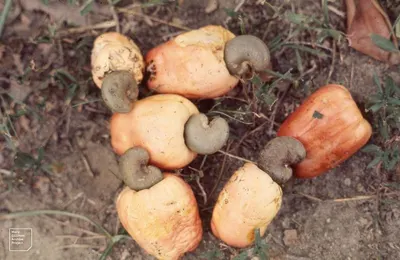
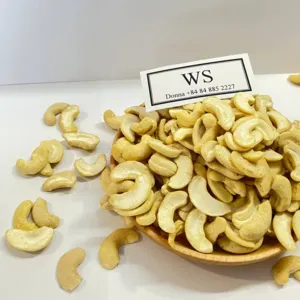
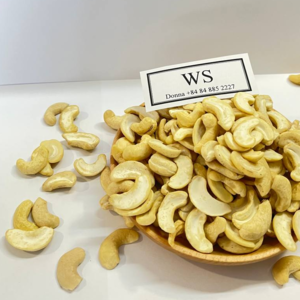
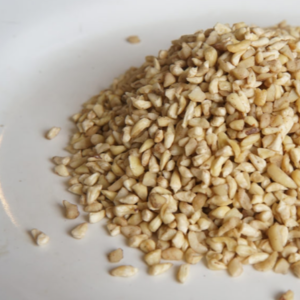
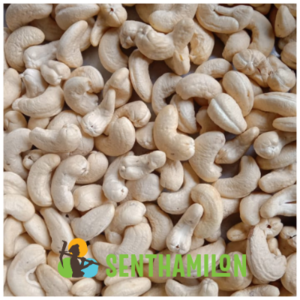
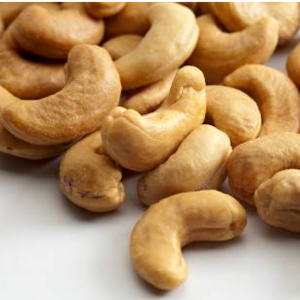
Based in Ho Chi Minh City, Viet Nam, CNSL INDUSTRIAL CO., LTD currently lists five active products related to cashew nuts. The supplier’s catalogue covers raw cashew kernels, white splits, baby‑bit cashews and a general W240 product, each assigned to the HS‑code families 0801.32 for kernels and 0802.90 for processed forms. Vietnam is the world’s second largest exporter of cashew kernels, and the company’s product list reflects the common export classifications used for this commodity. The profile notes activities that include processing hard shells for oil, using shell residue as furnace fuel and outer silk for animal feed, indicating a full‑chain approach to cashew by‑products.
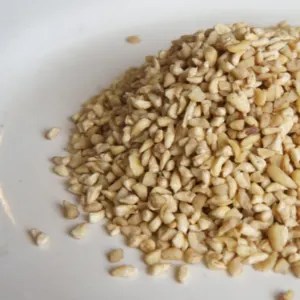
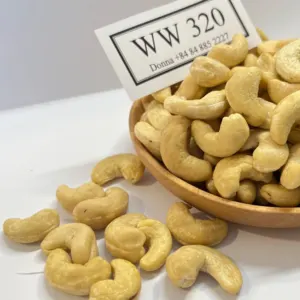
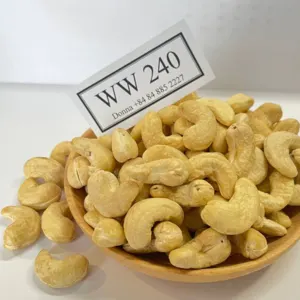
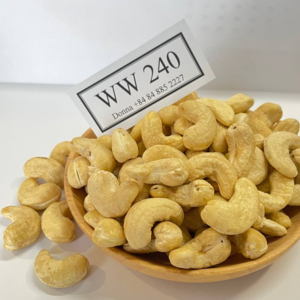
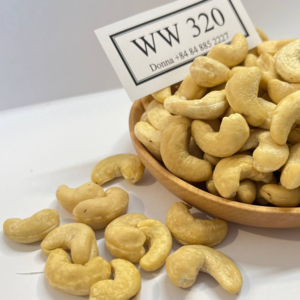
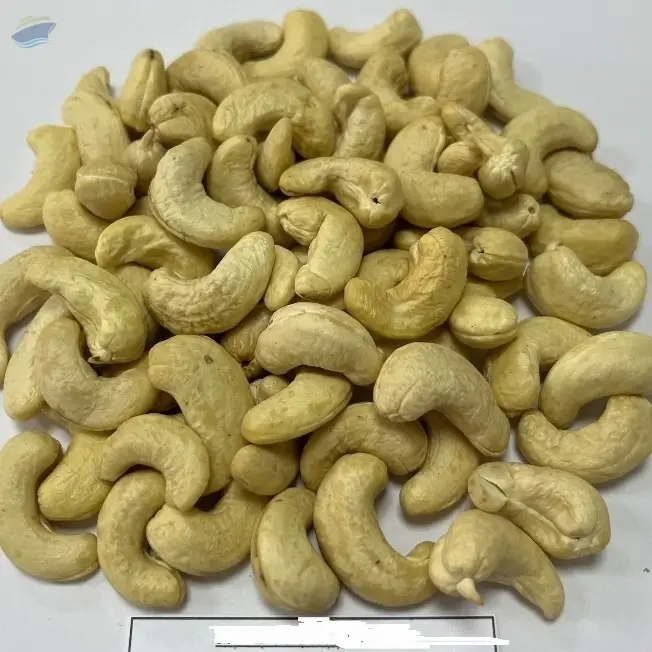
The five listed items include the W240 grade kernel, the higher‑grade W320 whole white kernel, white split (WS) cashews and a baby‑bit variety, all described as raw or unprocessed. The W320 entry specifies a “Raw Cashew Kernels, W320 Grade, Whole White Kernel” material, while the WS and baby‑bit entries are noted as unprocessed. The catalogue also contains a generic “W240 Cashew Made In Vietnam” entry without an HS code. These product designations correspond to standard Vietnamese export grades where W240 denotes kernels with approximately 240 mm length and W320 indicates larger kernels around 320 mm, both commonly graded by size and moisture content.
Product Range and Specialties of CNSL INDUSTRIAL CO., LTD
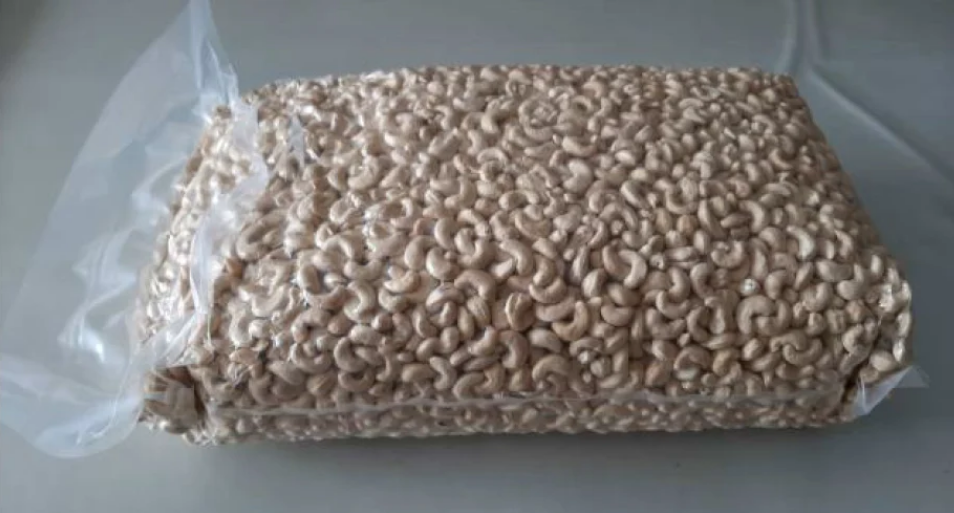
Vietnamese cashew exporters typically offer grades such as W240, W320, WS (white splits) and baby‑bit, with moisture limits not exceeding 5 % and shell‑outturn rates of 45‑48 % for kernels. The HS‑code 0801.32 covers raw cashew kernels, while 0802.90 is used for processed cashew preparations, matching the supplier’s catalogue entries. Buyers usually receive the kernels packed in 20 kg jute or polypropylene bags, stacked on pallets for container loading. Standard specifications also include a maximum aflatoxin level of 10 µg/kg and compliance with international food safety standards such as ISO 22000 or HACCP where required.
Frequently Asked Questions About CNSL INDUSTRIAL CO., LTD
What cashew grades does CNSL INDUSTRIAL CO., LTD provide?
The supplier lists W240, W320, white split (WS) and baby‑bit cashews, each falling under HS‑code 0801.32 for raw kernels or 0802.90 for processed forms, with typical size ranges of 240 mm and 320 mm for the whole kernels.
How can a buyer obtain a sample of the cashew kernels?
Buyers can request a 20 kg sample packed in a standard jute bag; the supplier usually ships samples by air freight within 5‑7 business days after the request is confirmed.
Which certifications should a buyer verify before purchasing?
Importers should ask for a phytosanitary certificate, any organic certification if the organic tier is required, and food‑safety certifications such as ISO 22000 or HACCP, which are commonly demanded for cashew imports.
What packaging format is used for the listed products?
The products are packed in 20 kg jute or polypropylene bags, sealed to protect against moisture, and then palletised for container loading, complying with standard export practices for HS‑code 0801.32 and 0802.90 goods.
What are the typical shipment volumes and container usage?
A standard 20‑foot container can accommodate approximately 9‑10 tons of cashew kernels, while a 40‑foot container holds up to 18‑20 tons, based on the 20 kg bag packaging.
Viet NamRelated Suppliers & Products
Explore similar suppliers, related products and trending categories
.jpg.png)