Chyuan Kuang Provision Co., Ltd. — Supplier
About Chyuan Kuang Provision Co., Ltd. - Processed Food Supplier in Taiwan
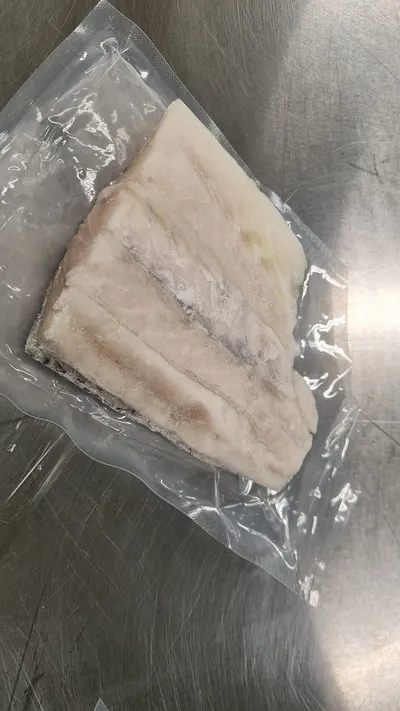
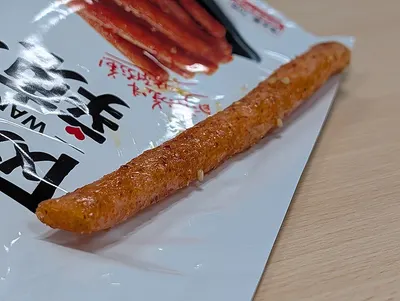
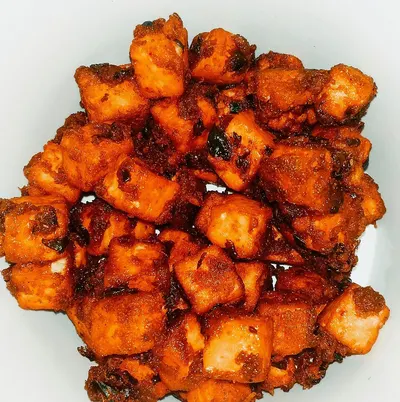
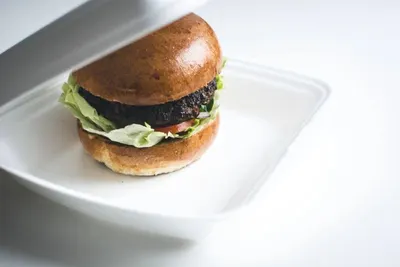
Chyuan Kuang Provision Co., Ltd. is based in Taiwan and currently lists five active products. The catalogue is grouped under the processed food and food products categories. The five items are Vegie chicken burger (soy‑based), Vegie Chicken Cube (soy‑based), Vegie Soya Ham (soy‑based), Vegie Smoking Honey Goose (soy‑based) and Frozen Tofu. All five products are derived from soy protein and are offered as frozen or chilled items suitable for retail or food‑service distribution. The supplier is classified as an imported tier with a harbor trust rating.
Soy‑based meat analogues such as those listed are widely used as protein‑rich alternatives in vegetarian and flexitarian menus. The products are manufactured to meet standard food‑safety practices common in the region, including temperature‑controlled freezing at - 18 °C or lower. Frozen tofu is a staple ingredient in many Asian cuisines and is often supplied in 10 kg blocks or 20 kg cartons. Buyers in North America, Europe and East Asia frequently import such soy‑based items for plant‑based protein lines. Industry buyers typically require clear ingredient labeling and allergen statements for soy products.
Product Range and Specialties of Chyuan Kuang Provision Co., Ltd.
The supplier’s catalogue includes four soy‑based meat analogue formats - burger patty, cube, ham‑style slice and a smoked‑flavor goose analogue - plus a conventional frozen tofu product. In the broader market these formats are produced with soy protein isolate levels of 65‑80 % and moisture contents of 10‑12 %, giving a firm yet pliable texture that holds up in cooking. Typical packaging for the analogue items is 1 kg vacuum‑sealed packs or 10 kg bulk cartons, while frozen tofu is commonly shipped in 10 kg blocks on insulated pallets. Buyers often look for product specifications such as protein content (≥ 55 % dry weight), sodium level (≤ 0.5 %), and absence of added preservatives.
Industry standards for soy‑based meat substitutes frequently reference HACCP compliance, ISO 22000 food‑safety management, and, where applicable, non‑GMO or organic certifications. Texture profile is often measured by shear force (3‑5 MPa) and colour is assessed with CIE L*a*b* values to ensure consistency with meat analogues. These parameters help buyers compare products across suppliers and verify that the items meet the expectations of end‑users in retail or food‑service applications.
Trade and Export Information - Chyuan Kuang Provision Co., Ltd.
Taiwanese exporters of soy‑based meat analogues and frozen tofu typically serve markets in North America, the European Union, Japan and South Korea, where demand for plant‑based proteins has grown steadily over the past decade. Shipping frozen soy products requires refrigerated containers (reefers) with temperature monitoring, most commonly in 20 ft or 40 ft units holding 12‑24 tonnes of product depending on pallet configuration. Buyers usually request documentation such as a Certificate of Origin, a sanitary export certificate, and test reports for protein content, microbial limits and pesticide residues. Commonly required certifications include HACCP, ISO 22000 and, for certain markets, a non‑GMO declaration or organic certification issued by an accredited body.
Regulatory oversight for soy‑derived foods in the EU and US often references the Codex Alimentarius standards for soy protein products, including maximum limits for heavy metals and aflatoxins. Importers should verify that the supplier can provide a full ingredient dossier, allergen statement and, where required, a US FDA Prior Notice or EU Rapid Alert System for Food and Feed (RASFF) notification prior to shipment.
Sourcing from Chyuan Kuang Provision Co., Ltd. - Buyer Guidance
When sourcing from Chyuan Kuang Provision Co., Ltd., buyers should request a product data sheet that lists protein percentage, moisture level, sodium content and any added flavorings or preservatives. A sample of each soy analogue in the intended packaging size allows verification of texture, colour and cooking performance before committing to a larger order. Buyers are advised to confirm that the supplier can furnish HACCP or ISO 22000 audit reports, as well as any non‑GMO or organic certificates that are relevant to the target market.
It is also prudent to ask for a recent laboratory analysis report covering microbial limits (e.g., total plate count ≤ 10 000 CFU/g), pesticide residue screening and allergen testing for soy. Verification of the freezer temperature chain during transport, typically documented by a temperature data logger, helps ensure product integrity upon arrival. Clarifying the minimum order quantity, lead time for production (often 4‑6 weeks for frozen soy analogues) and the preferred Incoterm (e.g., FOB Taiwan) will streamline the sourcing process.
Frequently Asked Questions About Chyuan Kuang Provision Co., Ltd.
What soy‑based products does Chyuan Kuang Provision Co., Ltd. offer?
The supplier lists five products: a soy‑based Vegie chicken burger, Vegie Chicken Cube, Vegie Soya Ham, Vegie Smoking Honey Goose and a Frozen Tofu. Each product is formulated from soy protein and is supplied in frozen condition.
Are there standard specifications for the protein content of these items?
Soy‑based meat analogues in the industry usually contain 65‑80 % soy protein isolate, giving a dry‑weight protein content of at least 55 %. Buyers should request the supplier’s lab analysis to confirm the exact figure for each product.
What certifications should a buyer request from this supplier?
Typical certifications for soy‑derived food products include HACCP, ISO 22000 and, when required, a non‑GMO or organic certificate from an accredited body. The buyer should ask the supplier to provide copies of the most recent audit reports.
How are the products packaged for export?
In the market, soy‑based analogues are commonly packed in vacuum‑sealed 1 kg packs or bulk 10 kg cartons, while frozen tofu is shipped in 10 kg blocks on insulated pallets. Refrigerated containers are used to maintain the - 18 °C temperature throughout transit.
What documentation is needed for customs clearance?
Customs authorities generally require a Certificate of Origin, a sanitary export certificate and laboratory test reports for protein, microbial limits and pesticide residues. Additional documents such as a US FDA Prior Notice or EU RASFF notification may be required depending on the destination.
What is the typical lead time for an order?
Lead times for frozen soy products are usually 4‑6 weeks from order confirmation, allowing time for formulation, freezing, packaging and preparation of export documentation.
Can I obtain a sample before placing a full order?
Yes, the supplier can provide a sample in the intended packaging size. Buyers should specify the sample quantity and request accompanying product specifications and test results.
Which regions most commonly import Taiwanese soy‑based meat analogues?
The main import regions are North America, the European Union, Japan and South Korea, where plant‑based protein demand is high. These markets often require the same food‑safety certifications and documentation outlined above.




 , Taiwan