Chamlife group trading joint stock company — Verified Suppliers
About Chamlife group trading joint stock company - Coffee Beans Supplier in Viet Nam
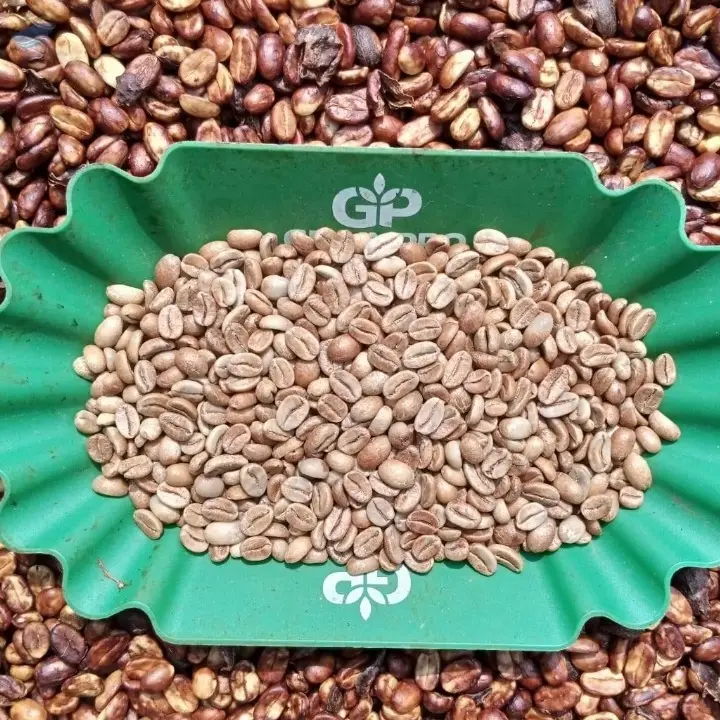
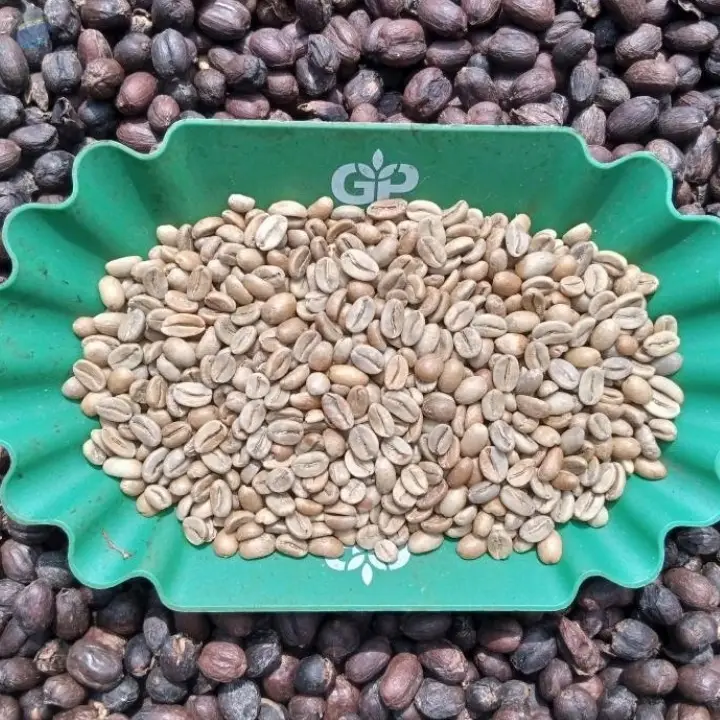
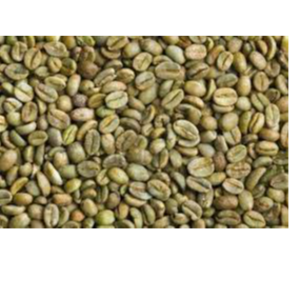
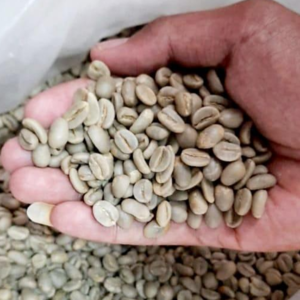
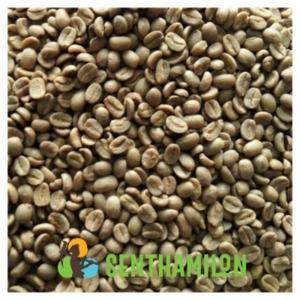
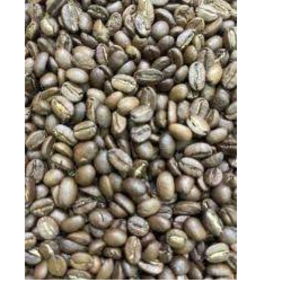
Viet Nam, Dak Lak province, hosts Chamlife group trading joint stock company which lists eight active coffee products in its catalogue. The company focuses on green coffee beans, offering both Robusta and Arabica varieties processed through washed, semi‑washed (honey), and wet‑polished methods. Products such as Robusta wet‑polished, Arabica fully‑washed, Liberica natural and Liberica honey are recorded under HS code 0901.11, the customs classification for unroasted coffee beans. The catalogue also mentions Robusta fully washed, Robusta semi‑wash (honey) and other variants, though HS codes are not supplied for those entries. All listed items are green beans intended for further roasting by downstream buyers.
The eight entries combine two size grades - S18 and S16 - which denote bean dimensions commonly used by roasters to assess batch uniformity. Vietnam’s coffee export classification uses the same HS heading 0901.11 for both Arabica and Robusta, with sub‑headings distinguishing processing method. The supplier’s product list includes both natural and processed beans, covering the major market segments for specialty and commodity coffee. By providing both Arabica and Robusta, the company addresses demand from industrial roasters as well as premium specialty buyers. The presence of Liberica varieties adds a niche option for blends or single‑origin offerings.
Product Range and Specialties of Chamlife group trading joint stock company
Chamlife’s catalogue enumerates eight green coffee bean products: Robusta wet‑polished (S18/S16), Arabica fully‑washed (S18), Liberica natural, Robusta wet‑polished S18/16, Robusta fully washed, Robusta semi‑wash (honey), Arabica fully washed, and Liberica honey. In the coffee trade, wet‑polished beans are typically graded by screen size (S18 ≈ 18 mm, S16 ≈ 16 mm) and moisture content below 12 % to prevent fungal growth. Arabica beans are usually evaluated by cup score (70 + points) and bean density, while Robusta is assessed for caffeine content (≈2.2 %) and uniformity. Liberica beans, less common globally, are valued for their larger size and distinct flavor profile, often sold in 60 kg jute bags.
Industry standards often require a maximum defect rate of 5 % (broken, immature, or foreign matter) and certify that beans meet the International Coffee Organization (ICO) specifications for green coffee. Buyers frequently request laboratory analysis for moisture, ash, and caffeine, as well as cupping reports conforming to SCA protocols. Packaging for bulk shipments usually involves 60 kg or 70 kg polypropylene bags, stacked on 20‑ft or 40‑ft containers, with the HS code 0901.11 printed on customs documentation.
Trade and Export Information - Chamlife group trading joint stock company
Vietnam ranks as the world’s second largest coffee producer, supplying roughly 40 % of global Robusta output. Export shipments from Dak Lak typically move to the European Union, United States, China, and Japan, where both commodity and specialty roasters source beans. HS code 0901.11 governs all unroasted coffee, and customs authorities in importing countries often require a phytosanitary certificate and a certificate of origin. Commonly requested certifications include ISO 9001 quality management, Rainforest Alliance or UTZ for sustainability, and organic certificates where applicable.
Logistically, Vietnamese coffee exporters favour FOB Ho Chi Minh City or Da Nang ports, with subsequent freight on 20‑ft or 40‑ft dry containers. Incoterms such as FOB, CIF or CIP are standard, and buyers should verify container loading plans to avoid moisture ingress. Regulatory inspections may involve the Vietnam Ministry of Agriculture and Rural Development, which issues export permits and ensures compliance with pesticide residue limits defined by the Codex Alimentarius.
Sourcing from Chamlife group trading joint stock company - Buyer Guidance
Prospective buyers should request sample bags of the specific grade (e.g., S18 wet‑polished Robusta) and review cupping reports that detail aroma, acidity, body and flavor intensity. Required documents typically include a phytosanitary certificate, certificate of origin, and any sustainability certifications claimed by the supplier. Verification of moisture content below 12 % and defect rates under 5 % helps confirm compliance with International Coffee Organization standards.
Before placing a full order, buyers often ask for a laboratory analysis report covering moisture, ash, caffeine and mycotoxin levels, as well as a batch traceability sheet linking the lot to the farm in Dak Lak. Minimum order quantities for green beans commonly range from 10 mt to 30 mt, with lead times of 30‑45 days from contract signing to shipment, depending on harvest season. Packaging should be confirmed as 60 kg polypropylene bags sealed with inner liners to maintain bean quality during sea transit.
Frequently Asked Questions About Chamlife group trading joint stock company
What coffee varieties does Chamlife offer?
The catalogue lists Robusta, Arabica and Liberica green beans, each available in washed, semi‑washed (honey) and wet‑polished processes, with size grades S18 and S16 where specified.
Which HS code applies to the coffee products?
All listed green coffee beans fall under HS heading 0901.11, the international customs classification for unroasted coffee beans.
How can I obtain a sample before ordering?
Buyers can request a 5 kg sample of the desired grade (e.g., Robusta wet‑polished S18) together with a cupping report and moisture analysis; samples are usually shipped by air freight under FOB terms.
What certifications should I verify for these beans?
Typical certifications include ISO 9001, Rainforest Alliance, UTZ or organic certificates; the supplier should provide the relevant certificates upon request.
What is the standard packaging for bulk shipments?
Green beans are packed in 60 kg or 70 kg polypropylene bags, often placed on wooden pallets for loading into 20‑ft or 40‑ft dry containers.
What are the usual minimum order quantities and lead times?
Minimum orders generally start at 10 metric tonnes, with lead times of 30‑45 days after contract confirmation, subject to harvest and logistics.
Which markets typically import Vietnamese coffee beans?
Major import destinations are the European Union, United States, China and Japan, where both commodity roasters and specialty coffee houses source beans.




 , Viet Nam