Allied Merchants Inc. — Verified Supplier
About Allied Merchants Inc. - Chemical & Materials Supplier in United States
Allied Merchants Inc. is based in the United States and lists sixteen active products across a spectrum of chemical and material categories. The catalogue includes adhesive and sealant formulations, various resins, paints and coatings, textile chemicals, abrasives, and lubricant products, as well as specialized items such as epoxy resin (HS 3907.30) and calcium carbonate fillers (HS 2509.00). Each entry references the material class, for example the emulsions‑adhesives are described as polyvinylacetate, SBR or EVA based, while the amine products fall under mixed amine compounds (HS 2921.19). The supplier also lists computer hardware items, but the chemical portfolio dominates the product count with items like polyester resin, hydrocarbon resin and flame retardants.
The product list explicitly cites HS‑code families for several items: epoxy resin (3907.30), emulsion adhesives (3506.91), amines (2921.19), aluminum‑oxide abrasives (2818.10) and calcium carbonate/fumed silica fillers (2509.00). The remaining entries - pigments press cake, paints & coatings, textile chemicals, polyester resin, hydrocarbon resin, lubricants, polyvinyl alcohol and resin solutions - are presented without HS codes in the supplied data. This structure reflects a focus on bulk chemicals and specialty materials typically traded in drums, bulk bags or 20‑ft containers.
Product Range and Specialties of Allied Merchants Inc.
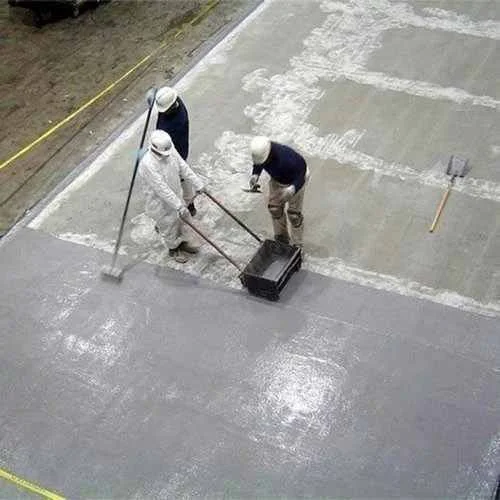
Allied Merchants Inc.’s catalogue groups products by functional families. The epoxy resin entry (HS 3907.30) corresponds to bisphenol‑A based epoxy systems commonly supplied in D‑grade (e.g., DGEBA) with viscosity ranges of 10‑100 cP at 25 °C. Emulsion adhesives (HS 3506.91) are typically water‑based PVA, SBR or EVA emulsions, graded by solids content (45‑55 %) and shear strength (≥1 MPa). The amine compounds (HS 2921.19) are mixed polyether‑amines or alkyl‑amines used as curing agents, often specified by amine value (200‑500 mg KOH/g). Aluminum‑oxide abrasives (HS 2818.10) are supplied in grit sizes from 40 to 120 µm, with hardness ≥ 9 Mohs. Calcium carbonate fillers (HS 2509.00) may be ground or fumed silica treated, with particle size distribution (D50) between 0.5 and 5 µm. Industry standards such as ASTM D638 for polymer tensile testing, ISO 9001 quality management and REACH registration are typical benchmarks for these material classes.
Trade and Export Information - Allied Merchants Inc.
United States exporters of epoxy resins, adhesives and fillers usually ship to North America, Europe and Southeast Asia, where automotive, construction and electronics manufacturers are primary end‑users. HS 3907 covers epoxy resins and is subject to customs inspections for hazardous material compliance, often requiring a Safety Data Sheet (SDS) and, where applicable, a REACH registration number for EU destinations. HS 3506.91 adhesives fall under the polymer emulsions chapter and are commonly inspected for volatile organic compound (VOC) limits under EPA regulations. Abrasives (HS 2818) and calcium carbonate fillers (HS 2509) are bulk commodities that travel in 20‑ft or 40‑ft containers, typically packed in 200 L steel drums or 25 kg bulk bags, with FOB or CIF terms. Buyers frequently request ISO 9001 certification, UL listing for fire‑retardant additives, and third‑party laboratory reports confirming purity, particle size and moisture content.
Sourcing from Allied Merchants Inc. - Buyer Guidance
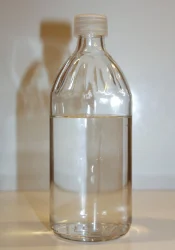
When sourcing from Allied Merchants Inc., buyers should request the latest SDS, REACH registration evidence (for EU shipments) and any applicable ISO or ASTM test reports for each chemical class. Samples of epoxy resin or emulsion adhesive are usually supplied in 1‑L bottles, with a minimum order quantity of 500 kg for bulk resin shipments. Verify the HS code on the commercial invoice matches the product description to avoid customs delays. Confirm packaging specifications - e.g., 200 L drums for liquids, 25 kg bulk bags for powders - and ensure that the supplier can meet the standard lead time of 15‑30 days for most chemicals, longer for specialty grades requiring custom formulation.
Frequently Asked Questions About Allied Merchants Inc.
What chemical categories does Allied Merchants Inc. list in its catalogue?
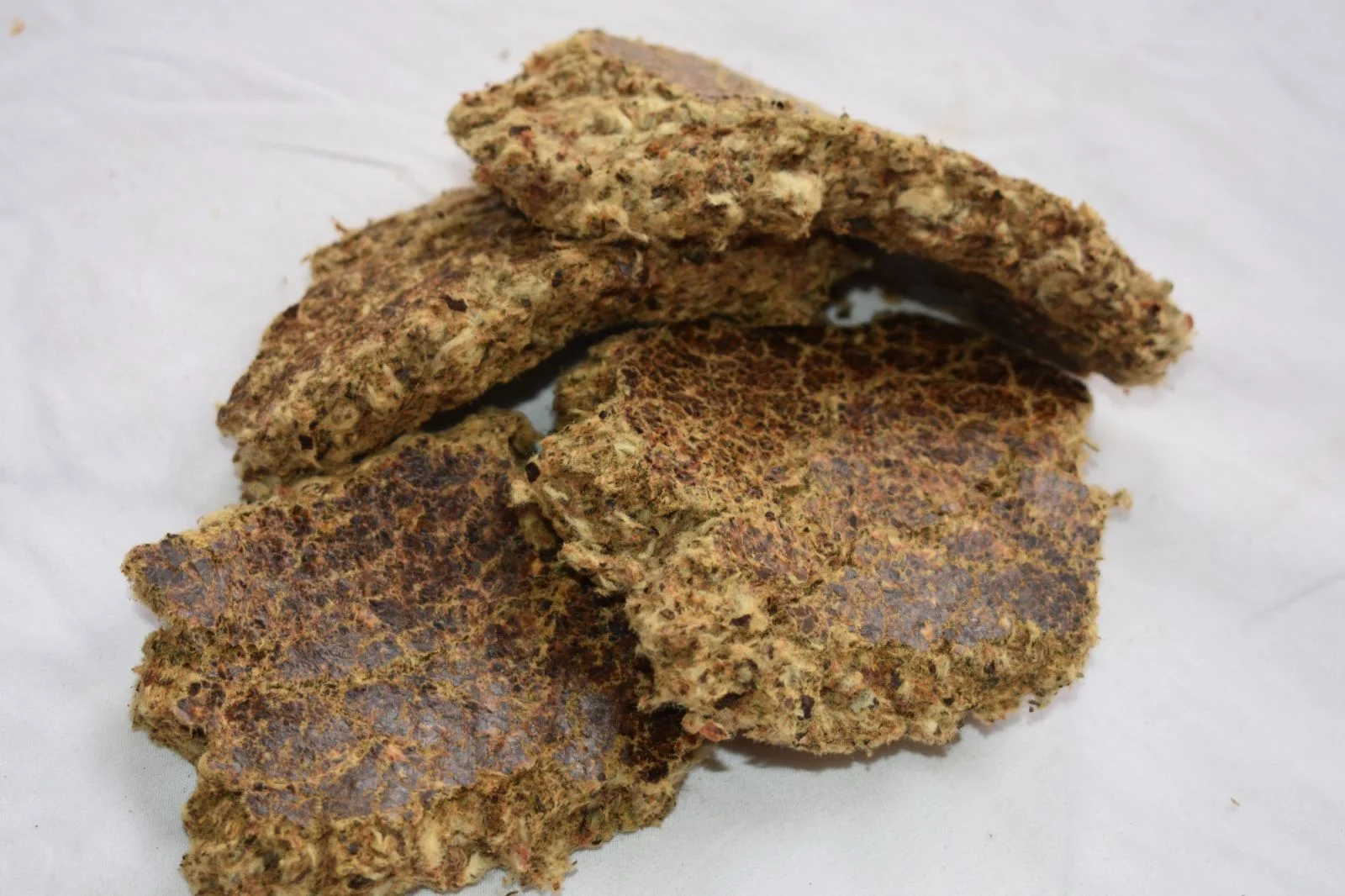
The catalogue includes epoxy resin, emulsion adhesives, mixed amine compounds, aluminum‑oxide abrasives, calcium carbonate/fumed silica fillers, polyester and hydrocarbon resins, pigments press cake, paints & coatings, textile chemicals, lubricants, flame retardants and polyvinyl alcohol.
Which HS codes are associated with the listed products?
Provided HS codes are 3907.30 for epoxy resin, 3506.91 for emulsion adhesives, 2921.19 for amines, 2818.10 for aluminum‑oxide abrasives and 2509.00 for calcium carbonate/fumed silica fillers. Other products are listed without HS codes in the supplied data.
What certifications should a buyer request for these chemicals?
Buyers typically request an up‑to‑date Safety Data Sheet, REACH registration (for EU imports), ISO 9001 quality management certification, and any relevant ASTM or UL test reports that verify purity, viscosity, particle size or fire‑retardant performance.
What are the usual packaging formats for bulk chemicals from this supplier?
Liquids such as epoxy resin and emulsions are commonly packed in 200 L steel drums or 1 L sample bottles. Powders like fillers and pigments are shipped in 25 kg bulk bags or 20‑ft containers with internal liners.
What minimum order quantities are typical for the resin and adhesive lines?
Standard minimum order quantities are around 500 kg for bulk resin grades and 200 kg for emulsion adhesive batches, though smaller sample quantities can be arranged on request.
What lead times can buyers expect for standard chemical shipments?
Lead times generally range from 15 to 30 days for stocked items, with longer periods for specialty formulations that require batch‑specific blending or additional testing.
Which regions are the main import markets for these US‑origin chemicals?
Key import markets include the United States Gulf Coast, Canada, the European Union (especially Germany and the UK), and Southeast Asian countries such as Vietnam, Thailand and Malaysia, where automotive and construction sectors drive demand.
What incoterms are commonly used for shipping these products?
Typical incoterms are FOB from US ports or CIF to the buyer’s destination, depending on the buyer’s preference for freight handling and insurance.




 , United States