Cauvery chillies Company — Verified Supplier
About Cauvery chillies Company - Chilli Powder Supplier in India
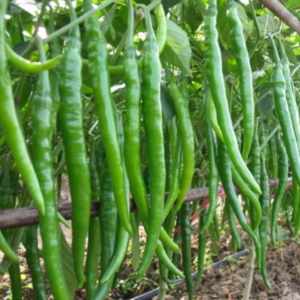
Cauvery chillies Company operates from Khammam in the state of Andhra Pradesh, India, and lists ten active products across its catalogue. The supplier is classified under the organic tier and focuses on varieties of red chillies, brass alloy components, and oleoresin extracts, covering HS code families 0904 (capsicum) and 7404 (copper alloys). The product portfolio includes chilli powders, whole dried chillies, fresh capsicum, brass scrap, and natural capsaicin crystals, reflecting a diversified agricultural and metal processing base. Export listings indicate a commitment to supplying both food‑grade spices and industrial brass materials to overseas markets.
The catalogue specifies several items with HS codes: Sannam S4 (HS 0904.20) is a dried red chilli; Byadagi (HS 0904.11) is a whole dried variety; Teja and Armour are listed under HS 7404.00 as red brass alloy grades C23000 and a Cu‑85%/Zn‑5% alloy respectively. Additional entries such as Wonder Hot, Mundu, Indian Paprika (Chapata), Capsicum Oleoresin, Paprika Oleoresin, and Pure Natural Capsaicin Crystals are presented without HS codes but fall within the same HS chapters for spices and oleoresins. This structure provides clear product identifiers for customs classification and trade documentation.
Product Range and Specialties of Cauvery chillies Company
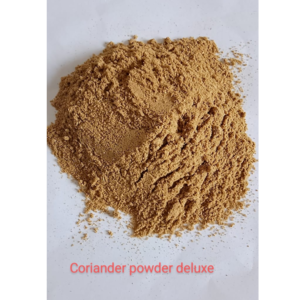
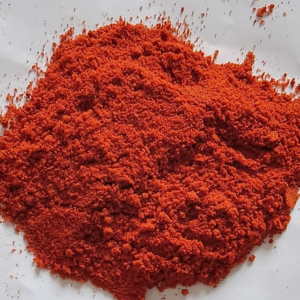
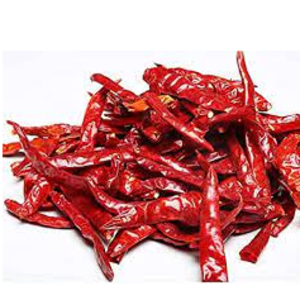
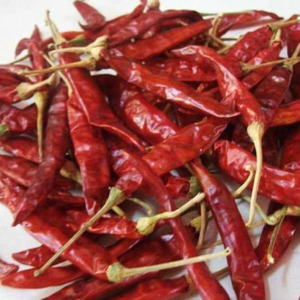
The supplied products cover two main commodity groups. In the spice segment, dried red chilli varieties such as Sannam S4 and Byadagi are typical of Indian export grades that range from 30,000 to 100,000 Scoville Heat Units (SHU) and maintain moisture levels below 12 %. Chilli powders and paprika oleoresins are usually standardized by colour intensity (e.g., ASTA colour index 150‑200) and capsaicinoid content, with pure natural capsaicin crystals often exceeding 99 % purity. In the metal segment, Teja and Armour belong to the C23000 red brass alloy family, which conforms to ASTM B107 specifications for copper‑zinc alloys, delivering a typical tensile strength of 350 MPa and a yield strength around 200 MPa. Buyers commonly receive these alloys in forms such as billets, sheets, or scrap, packaged in wooden crates or bulk bags.
Trade and Export Information - Cauvery chillies Company
India ranks among the top global exporters of capsicum products, with major destination regions including the Middle East, Europe, Southeast Asia, and North America. HS chapter 0904 items are subject to phytosanitary certificates, pesticide residue testing, and often require compliance with the EU’s Food Contact Materials Regulation or the US FDA Food Safety Modernization Act. Brass alloy exports under HS 7404 are regulated by customs valuation rules and may need a Certificate of Origin for preferential tariff treatment under agreements such as the India‑UAE CEPA. Standard Incoterms used by Indian spice exporters are FOB at Visakhapatnam or Kolkata, while metal shipments frequently employ CIF to European ports.
Sourcing from Cauvery chillies Company - Buyer Guidance
When sourcing dried chillies or oleoresin extracts, buyers should request a recent analysis report covering moisture, aflatoxin, pesticide residues, Scoville heat rating, and colour index. For brass alloy grades, a mill test certificate confirming chemical composition (Cu, Zn, Pb, Sn percentages) and mechanical properties (tensile and yield strength) is customary. Samples are typically supplied in 5 kg paper bags for spices and 2 kg metal coupons for alloys, allowing verification against the stated specifications before confirming bulk orders.
Frequently Asked Questions About Cauvery chillies Company
What HS codes are used for the chilli products listed by Cauvery chillies Company?
The dried red chilli items Sannam S4 and Byadagi are classified under HS 0904.20 and 0904.11 respectively, which belong to chapter 0904 for capsicum and its preparations.
Which certifications should a buyer request for the spice range?
Buyers should ask for an organic certificate, a recent HACCP or ISO 22000 audit report, and a phytosanitary certificate that confirms compliance with pesticide residue limits for the destination market.
What are the typical quality parameters for Indian paprika oleoresin?
Paprika oleoresin is usually measured by ASTA colour index (150‑200), capsaicinoid concentration (often 0.05‑0.2 %), and moisture content below 5 %, with a specification sheet provided by the supplier.
How is the red brass alloy Armour graded?
Armour falls under HS 7404.00 and corresponds to a C23000‑type alloy with approximately 85 % copper and 5 % zinc, meeting ASTM B107 requirements for tensile strength around 350 MPa.
What packaging is common for the chilli powders?
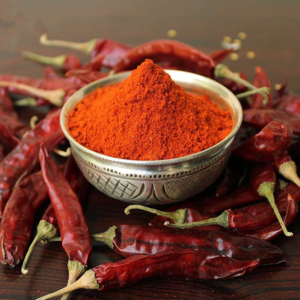
Chilli powders are generally packed in multi‑layer paper bags of 5 kg or 25 kg, sealed with moisture‑proof liners, and stacked on wooden pallets for container loading.
What documentation is needed for importing capsicum oleoresin into the EU?
Importers should obtain a Certificate of Origin, a safety data sheet (SDS), and a laboratory analysis confirming compliance with EU food additive regulations (e.g., Regulation (EC) No 1333/2008).
What are typical lead times for bulk orders of dried red chillies?
Lead times for dried chilli shipments from India usually range from 30 to 45 days after order confirmation, depending on harvest season and container availability.





 Khammam, India






.jpg.png)