Barakah Trade — Verified Supplier
About Barakah Trade - Multi‑Category Supplier in India
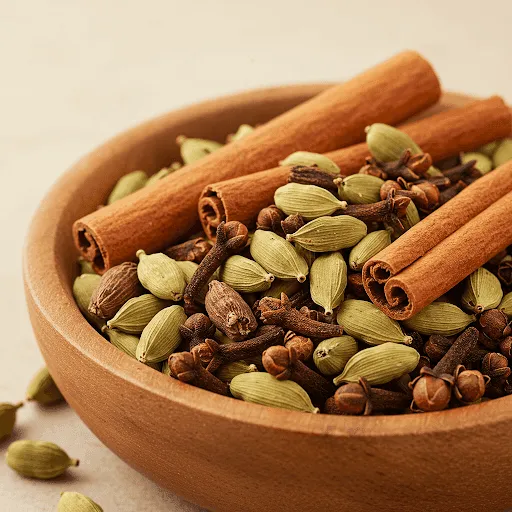
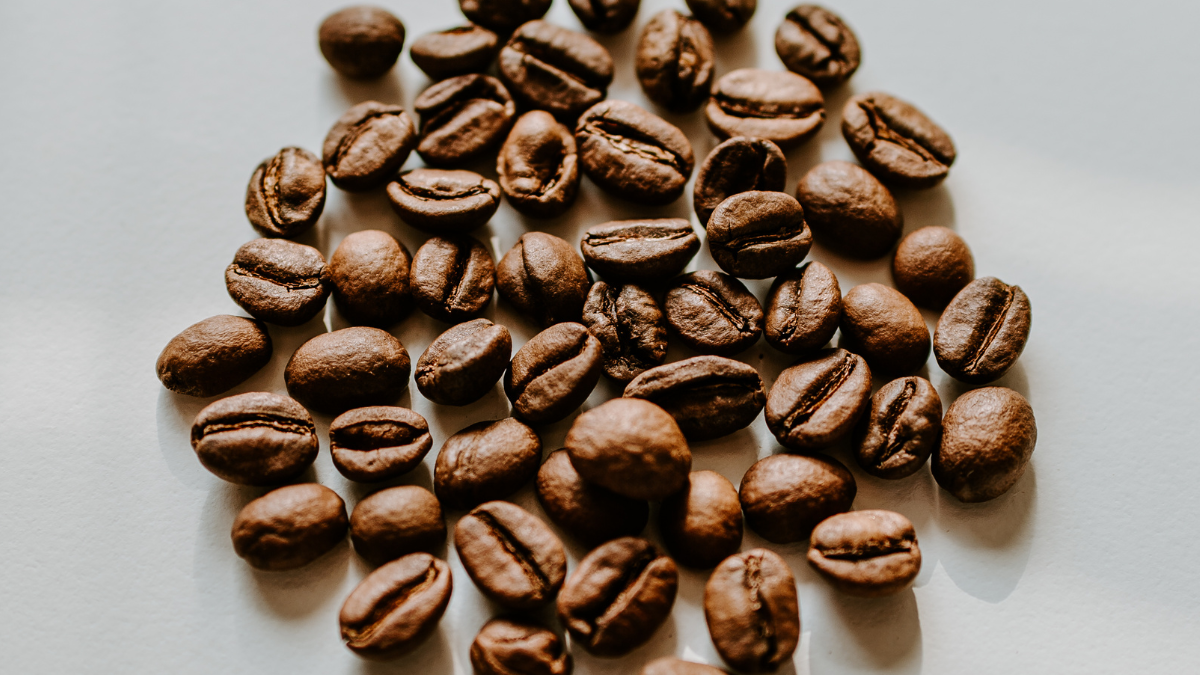
Barakah Trade operates from India and currently lists 14 active products across several categories. The catalogue includes extraction‑grade vanilla, green cardamom, a range of T‑shirts (including round‑neck and white variants), rubber sheets and assorted rubber items, jute bags and other jute products, glass jars and containers such as kitchen jars and gallon‑size bottles, as well as an impress spoon and coffee beans. These items span the spice, textile, rubber, jute and glassware segments. The supplier’s product list is organized under the top categories of Shirts & T‑Shirts, Rubber Items, Jute Bags, Vanilla, Green Cardamom, Cutlery, and Glass Bottles, Jugs, Jars & Sealings. No other product families are mentioned in the supplied data.
Product Range and Specialties of Barakah Trade
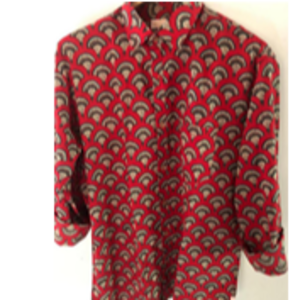
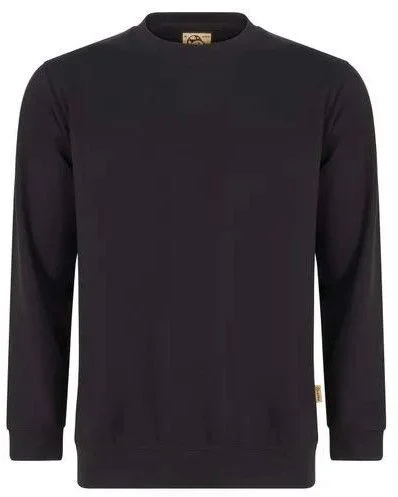
Spice offerings include extraction‑grade vanilla, which typically contains a vanillin content of at least 2.5 % and moisture below 0.5 %, and green cardamom classified as Grade A with essential oil content above 6 % and moisture under 8 %. The textile line comprises T‑shirts made from 100 % cotton, fabric weight (GSM) between 150 and 180, double‑needle stitching and colour‑fastness to washing of grade 4. Rubber sheets are supplied in natural rubber grades with hardness of 45‑60 Shore A, thickness from 1 mm to 5 mm and tensile strength of 15‑25 MPa, while other rubber items follow the same material standards. Jute bags and related jute products are woven from jute yarns of 2‑3 mm diameter, fabric weight 200‑300 g/m² and are typically rated for loads of 10‑30 kg. Glass jars and containers such as kitchen jars, gallon bottles and sealable jars are made from soda‑lime or borosilicate glass, wall thickness 2‑4 mm, capacities ranging from 0.5 L to 5 L, and are sealed with metal caps. The impress spoon is manufactured from stainless‑steel grade 304, length around 12 cm, and the coffee beans are Arabica grade with moisture below 12 % and bean size 15‑18 mm.
Trade and Export Information - Barakah Trade
India is a major exporter of spices, textiles, rubber articles and glass packaging, with primary destination markets in the European Union, the United States, the Middle East and Southeast Asia. Buyers of Indian vanilla and cardamom usually require compliance with food‑safety standards such as ISO 22000, HACCP and, where applicable, organic certification; textile purchasers often look for Oeko‑Tex Standard 100 or ISO 9001 certification; rubber exporters are expected to meet REACH registration and provide material safety data sheets; glass container suppliers typically furnish FDA‑Food Contact compliance and CE marking for EU markets. Export shipments are commonly packed in 20‑ft containers for bulk spices, 40‑ft containers for T‑shirts and jute bags, and in sturdy wooden pallets with corrugated cartons for glass jars, using Incoterms such as FOB Mumbai or CIF Dubai depending on buyer preference.
Sourcing from Barakah Trade - Buyer Guidance
When sourcing vanilla or green cardamom from Barakah Trade, request a recent phytosanitary certificate, a certificate of analysis showing vanillin or essential‑oil content, and, if required, an organic or fair‑trade certificate. For textile orders, ask for a fabric swatch, GSM verification, colour‑fastness test reports and Oeko‑Tex or ISO 9001 compliance documents before confirming the purchase. Rubber items should be accompanied by a REACH registration excerpt, a material safety data sheet and hardness/tensile test results, while glass jars need a FDA food‑contact certification and a break‑age test report. Verifying these documents and, where possible, obtaining a pre‑shipment sample will help confirm that the products meet the buyer’s specifications and regulatory obligations.
Frequently Asked Questions About Barakah Trade
What spice products are listed in Barakah Trade’s catalogue?
The catalogue includes extraction‑grade vanilla and green cardamom. Both are standard Indian spice exports that fall under HS Chapter 09 and are typically evaluated for vanillin or essential‑oil content and moisture levels.
Are the vanilla and cardamom suitable for food‑processing applications?
Yes, provided the supplier supplies a certificate of analysis showing vanillin content above 2.5 % for vanilla and essential‑oil content above 6 % for cardamom, together with a phytosanitary certificate. Buyers usually also request compliance with ISO 22000 or HACCP for food safety.
What are the key specifications of the T‑shirts offered by Barakah Trade?
The T‑shirts are made from 100 % cotton with a fabric weight of 150‑180 GSM, feature double‑needle stitching and meet colour‑fastness to washing of grade 4. They are classified under HS Chapter 61 for knitted apparel.
Which certifications should a buyer request for the rubber items?
Buyers should request a REACH registration excerpt, a material safety data sheet, and any ISO 9001 quality‑management certification the supplier holds. Test reports for hardness (Shore A) and tensile strength are also standard for rubber exports.
How are the glass jars and containers packaged for shipment?
Glass jars are packed in reinforced wooden pallets lined with high‑density polyethylene foam, then boxed in double‑wall corrugated cartons. The packaging complies with the handling requirements of HS Chapter 70 and is suitable for CIF or FOB terms.
What is the typical minimum order quantity for jute bags?
Jute bag orders usually start at 500 pieces per size, which allows efficient palletisation and meets the standard export batch size for HS Chapter 53 products.
What lead times can buyers expect for these product categories?
Lead times vary by category but generally range from 30 to 45 days from order confirmation, with spices and rubber items often closer to 30 days and glass containers or bulk textiles requiring up to 45 days.




 , India