Hong Ye Jie Technology Co., Ltd. — Verified Supplier
About Hong Ye Jie Technology Co., Ltd. - Silicone Supplier in China
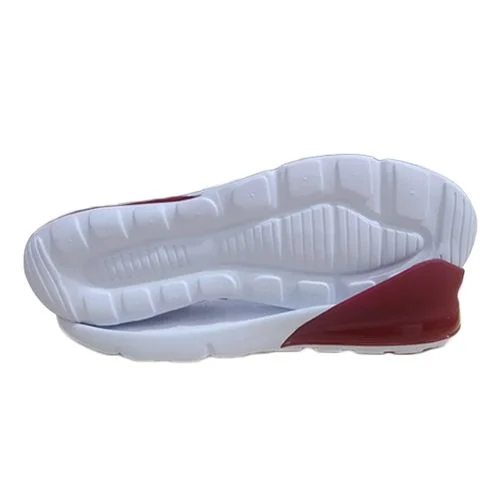
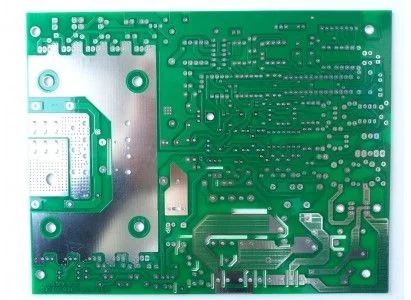
China is the origin country of Hong Ye Jie Technology Co., Ltd., which lists 15 active silicone‑based products in its catalogue. The catalogue covers various silicone rubber formulations such as molding silicone rubber, silicone potting compounds, liquid silicone rubber for gypsum molds, manual mold silicone rubber, pad printing silicone rubber, platinum‑cure RTV molding rubber, RTV‑2 molding silicone rubber, black colour PCB electronic potting silicone, addition‑cure silicone rubber for artificial applications, mold‑making silicone rubber, and specialised shoe‑sole and shoe‑mold silicone rubbers. All items fall under the broader silicone and synthetic rubber categories identified in the supplier’s top categories. The product titles reference common industry designations such as RTV‑2, platinum‑cure, and liquid silicone rubber (LSR).
Each entry aligns with HS chapter 39, which includes polymeric silicones (e.g., HS 3917 for silicone rubber in primary shapes). The supplier’s catalogue does not provide HS codes per product, but the listed items would typically be classified under the 3917 family for solid silicone rubber or 3902 for silicone compounds. The range therefore spans both cured solid rubbers and uncured liquid compounds used for moulding, potting, and sealing applications across electronics, automotive, and footwear sectors.
Product Range and Specialties of Hong Ye Jie Technology Co., Ltd.
The catalogue enumerates fifteen distinct silicone rubber products, ranging from liquid silicone rubber (LSR) used for gypsum moulds to high‑temperature RTV‑2 compounds for electronic potting. Industry practice separates silicone rubbers by cure system (addition‑cure, platinum‑cure, or condensation‑cure) and by hardness measured in Shore A, typically from 10 ShA for very soft potting gels to 80 ShA for rigid moulding compounds. Materials such as black‑coloured PCB potting silicone are formulated to meet flame‑retardant specifications, while shoe‑sole silicone rubbers often target a tensile strength of 2 - 4 MPa and elongation at break above 200 %.
Typical specifications for the listed products include operating temperature windows from - 50 °C to +250 °C for high‑temperature platinum‑cure rubbers, low viscosity (≈500 cPs) for liquid silicone rubber used in casting, and compression set values below 15 % after 24 h at 100 °C for potting compounds. Buyers normally request data sheets that detail Shore A hardness, tear strength, tear resistance, and any FDA or REACH compliance when the end‑use involves food or medical devices.
Trade and Export Information - Hong Ye Jie Technology Co., Ltd.
Silicone rubber exporters from China commonly ship to North America, Europe, and Southeast Asia, where the automotive, electronics, and construction industries drive demand for moulding and potting compounds. HS code 3917 covers solid silicone rubber products, while HS 3902 applies to silicone compounds in liquid or paste form; both codes are subject to customs inspections for compliance with REACH registration and, where applicable, RoHS restrictions. Standard export packaging includes 200 kg drums for liquid silicone rubber and 25 kg or 50 kg bags for solid compounds, loaded in 20‑ft or 40‑ft containers under FOB or CIF terms. Chinese manufacturers often hold ISO 9001 quality‑management certification, which buyers request to confirm consistent product quality and traceability.
Regulatory considerations for silicone exports include material safety data sheets (MSDS), compliance certificates for OEL (occupational exposure limits), and, for electronic potting compounds, IEC 60950‑1 or IEC 60601‑1 test reports when the end‑use is in medical or safety‑critical equipment. The Chinese silicone industry has invested in low‑VOC production lines, and many suppliers participate in the China‑based China Compulsory Certification (CCC) scheme for products that enter regulated markets.
Sourcing from Hong Ye Jie Technology Co., Ltd. - Buyer Guidance
When sourcing silicone rubbers from Hong Ye Jie Technology Co., Ltd., buyers should request a full technical data sheet that lists Shore A hardness, tensile strength, elongation at break, compression set, and the specific cure system (addition, platinum, or RTV‑2). Test reports for thermal stability, flame‑retardancy, and, if required, food‑contact compliance (FDA 21 CFR 177) help verify suitability for electronics, automotive, or footwear applications. Samples of 500 g to 1 kg are typical for preliminary evaluation, and buyers should confirm the supplier’s ability to provide REACH registration numbers and any ISO 9001 certificates before finalising contracts.
Frequently Asked Questions About Hong Ye Jie Technology Co., Ltd.
What silicone rubber grades are available in the catalogue?
The catalogue lists both addition‑cure (platinum‑cure) and condensation‑cure (RTV‑2) silicone rubbers, covering hardness from approximately 10 ShA for soft potting gels up to 80 ShA for rigid moulding compounds.
Which HS codes would these products fall under?
Solid silicone rubber items are generally classified under HS 3917, while liquid silicone compounds such as potting or casting rubbers fall under HS 3902.
What certifications should I ask for before purchasing?
Request ISO 9001 quality‑management certification, REACH registration numbers, and any specific compliance documents such as RoHS, FDA food‑contact approval, or IEC safety test reports depending on the intended application.
What is a typical minimum order quantity (MOQ) for these silicone rubbers?
MOQs commonly start at 25 kg bags for solid rubbers and 200 kg drums for liquid silicone rubber, but exact quantities depend on the specific product and packaging options.
How long is the usual lead time for an order?
Lead times in the Chinese silicone market range from 2 to 4 weeks for stocked items, with longer timelines (up to 8 weeks) for specialised formulations that require batch‑specific curing agents.
What packaging formats are used for shipping?
Products are packed in 25 kg or 50 kg multi‑layer bags for solid rubbers and 200 kg steel drums for liquid compounds, all placed in standard 20‑ft or 40‑ft containers.
Can I obtain samples before placing a large order?
Yes, suppliers typically provide 500 g to 1 kg samples of each silicone rubber type for performance testing and compatibility checks.
Which industries most frequently import these silicone rubber products?
Key importing industries include electronics (potting and encapsulation), automotive (gasket and seal manufacturing), footwear (sole moulds), and medical device manufacturers that require biocompatible silicone compounds.




 , China