Asia Tinh son GmbH — Supplier
About Asia Tinh son GmbH - Coffee Supplier in Germany
Asia Tinh son GmbH operates from Schkeuditz in the federal state of Germany and presently lists six coffee‑related products in its online catalogue. The company groups its offerings under categories such as Ground Coffee, Coffee Beans, Organic Coffee, Coffee Powder, Arabica Coffee, Robusta Coffee and Green Coffee, reflecting a focus on both roasted and unroasted beans as well as instant formats.
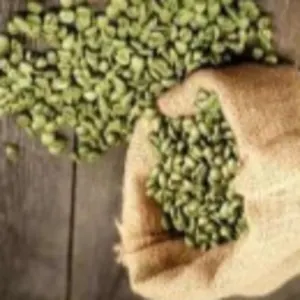
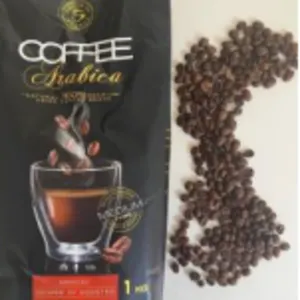
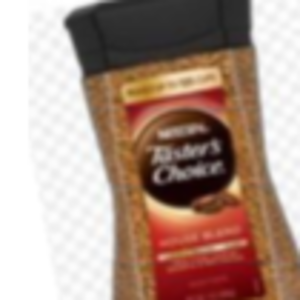
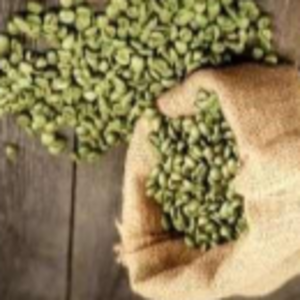
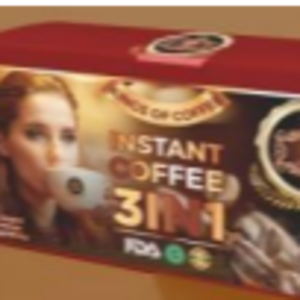
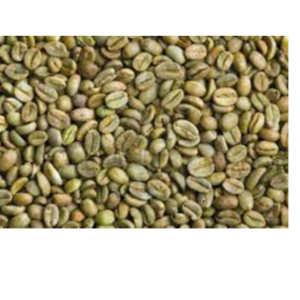
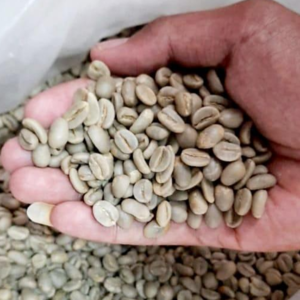
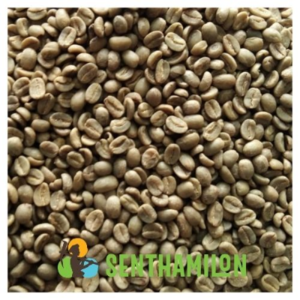
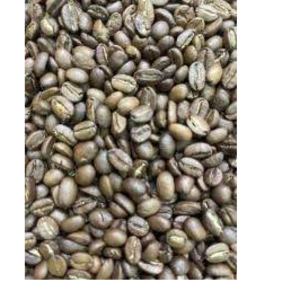
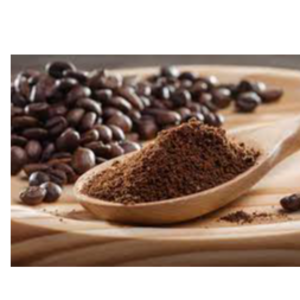
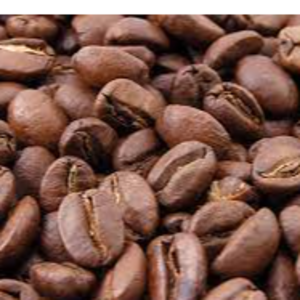
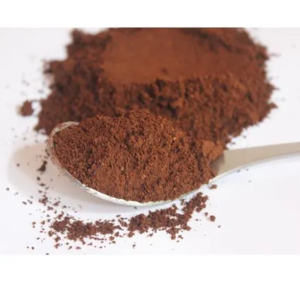
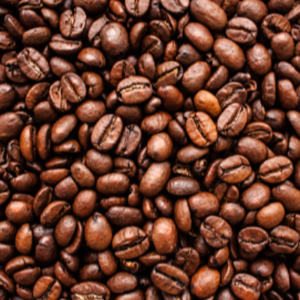
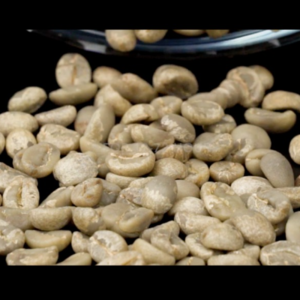
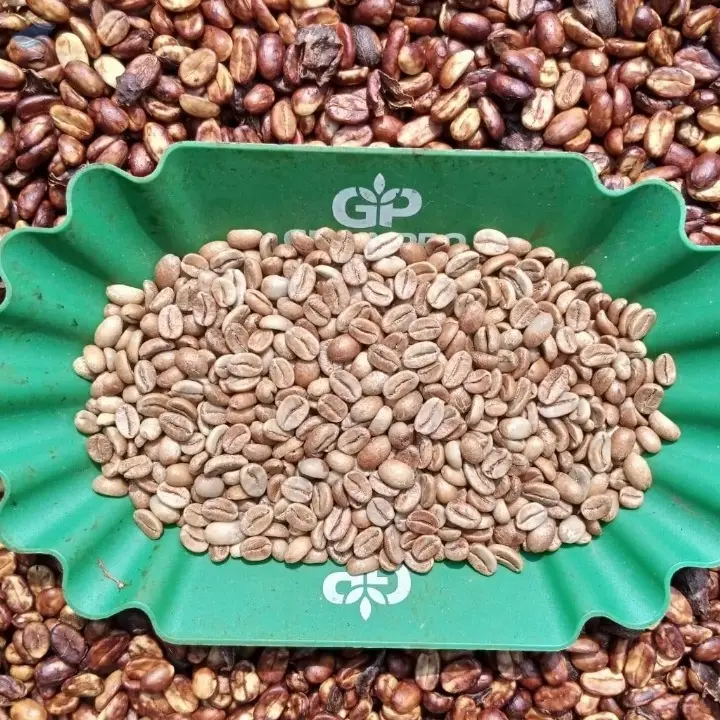
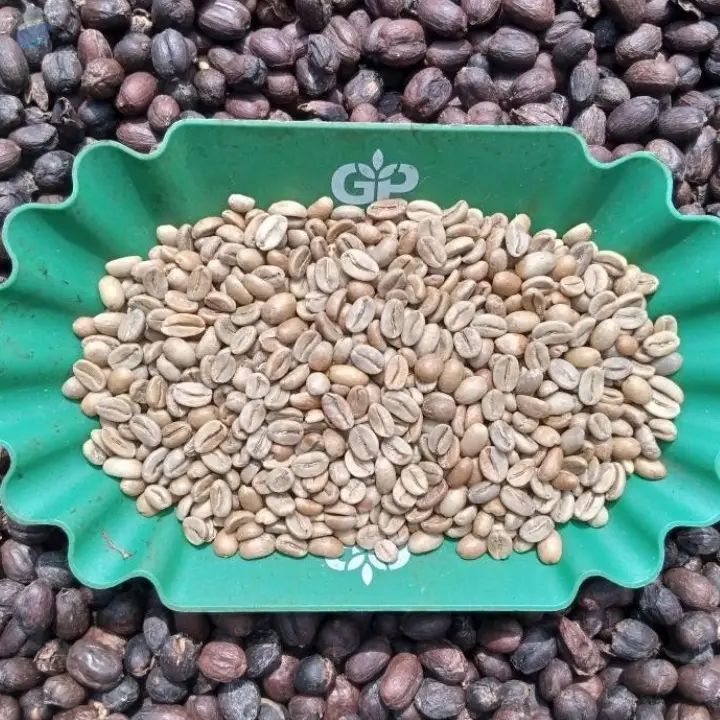
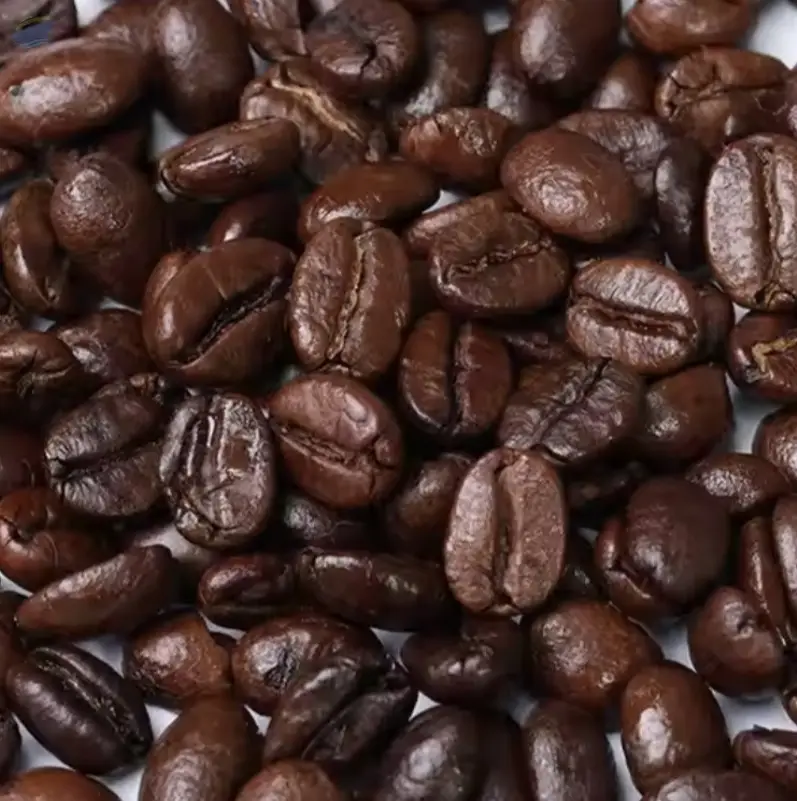
The catalogue contains a Roasted Coffee Bean (HS 0901.21) made from washed or natural Arabica beans, an A1GRANDE Roasted Coffee Bean (HS 0901.21) of Arabica origin, a Coffee 3‑in‑1 N1 blend (HS 2101.12) that combines coffee powder, dairy creamer and sucrose, a 100 % Instant Coffee in bottle (HS 2101.11) consisting of soluble coffee powder, a 500 g Paperpack of Coffee Powder (HS 0901.21) based on an Arabica/Robusta blend, and Green Coffee Beans packed in 20 kg bags (HS 0901.11) that are unroasted Arabica beans. Each entry specifies the material composition and the applicable HS‑code family.
Product Range and Specialties of Asia Tinh son GmbH
The six listed items cover the main segments of the coffee market: green beans for roasting (HS 0901.11), roasted beans for grinding or brewing (HS 0901.21), soluble coffee for instant consumption (HS 2101.11) and ready‑to‑drink mixes (HS 2101.12). In the global coffee trade, roasted beans are commonly graded by cup score (Specialty, Premium, Standard) and by origin, while green beans are classified by species (Arabica vs. Robusta) and size (screen 18‑20). Instant coffee is typically evaluated by ICUMSA colour grade, with ICUMSA 45 regarded as premium white‑color soluble coffee, and 3‑in‑1 mixes often require compliance with food‑additive regulations for creamer and sugar content.
Buyers of these product types usually request specifications such as moisture content (≤12 % for roasted beans, ≤13 % for green beans), bean size (screen 18‑20), caffeine percentage (0.8‑1.5 % for Arabica, 1.5‑2.5 % for Robusta), and for instant coffee an aqueous solubility of ≥99 % and a total ash of ≤0.6 %. Packaging norms include 20 kg polypropylene bags for bulk green beans, 1 kg or 500 g paper packs for ground coffee, and sealed PET bottles or aluminum cans for instant formats, all designed for preservation of aroma and shelf life.
Trade and Export Information - Asia Tinh son GmbH
Germany is a re‑export hub for coffee, channeling beans from origin countries such as Vietnam, Brazil and Ethiopia to major import markets in the European Union, the United States and the Middle East. The HS 0901 chapter (Coffee, roasted or not) and HS 2101 chapter (Food preparations, not elsewhere specified) are the primary tariff headings used for customs clearance, and they often trigger requirements for phytosanitary certificates, origin declarations and, where applicable, compliance with EU Regulation EU 2019/1381 on food safety risk assessment.
Typical certifications requested by importers include ISO 9001 for quality management, Fairtrade or Rainforest Alliance for sustainability, and, for organic claims, EU organic certification. Shipments are frequently dispatched under FOB or CIF Incoterms, with container loads ranging from 20‑ft (approximately 8‑10 t of green beans) to 40‑ft (15‑18 t). German exporters generally provide a commercial invoice, packing list, certificate of origin and, for coffee, a phytosanitary certificate issued by the competent authority of the exporting country.
Sourcing from Asia Tinh son GmbH - Buyer Guidance
When evaluating Asia Tinh son GmbH’s coffee offerings, buyers should request a recent cupping report or sensory evaluation sheet that details flavour notes, acidity and body, especially for the Arabica roasted beans. Documentation such as a moisture‑content analysis, aflatoxin test results and, for the instant product, an ICUMSA colour report will help verify compliance with standard specifications.
Buyers are advised to confirm the exact HS code applicable to each shipment, verify that the packaging weight matches the declared net weight (e.g., 20 kg bags for green beans, 500 g packs for powder) and obtain a phytosanitary certificate if the beans originate outside the EU. Requesting a copy of any existing quality management certification (ISO 9001, Fairtrade, etc.) will clarify the supplier’s compliance framework before placing a purchase order.
Frequently Asked Questions About Asia Tinh son GmbH
What coffee product categories does Asia Tinh son GmbH list in its catalogue?
The catalogue includes roasted Arabica beans (HS 0901.21), a branded A1GRANDE roasted Arabica, a 3‑in‑1 instant mix (HS 2101.12), 100 % instant soluble coffee (HS 2101.11), a 500 g paper‑packed Arabica/Robusta ground coffee (HS 0901.21) and unroasted Arabica green beans in 20 kg bags (HS 0901.11).
Which HS codes are associated with the listed coffee products?
Roasted beans and ground coffee use HS 0901.21, green unroasted beans use HS 0901.11, the instant soluble coffee is classified under HS 2101.11 and the 3‑in‑1 instant beverage falls under HS 2101.12.
What typical quality specifications should a buyer verify for roasted coffee beans?
Buyers usually check moisture content (≤12 %), bean size (screen 18‑20), cup score (Specialty ≥80 points) and origin traceability. A recent cupping report confirms flavour profile and consistency.
Are there standard certifications that importers often require for coffee from Germany?
Importers commonly request ISO 9001 for quality management, Fairtrade or Rainforest Alliance for sustainability, and, when organic claims are made, EU organic certification. These should be confirmed with the supplier before contract.
What packaging formats are typical for the products offered by Asia Tinh son GmbH?
Green beans are supplied in 20 kg polypropylene bags, roasted or ground coffee is offered in 500 g paper packs, and instant coffee products are shipped in sealed PET bottles or aluminum cans suitable for container loading.
How should a buyer arrange a sample request for the instant coffee product?
A buyer can request a 200 g sample of the 100 % instant coffee, accompanied by an ICUMSA colour grade report and solubility test results. The sample should be shipped under a commercial invoice that states the HS 2101.11 code.
What documentation is needed for customs clearance of coffee shipments from Germany?
Customs typically require a commercial invoice, packing list, certificate of origin, phytosanitary certificate (if the beans originate outside the EU) and any applicable quality certifications such as ISO 9001. The HS code must match the product description on these documents.
What are the common Incoterms used for coffee exports from Germany?
Exporters often use FOB (Free on Board) for buyers who arrange sea freight, or CIF (Cost, Insurance, Freight) when the seller provides insurance and freight to the destination port. The chosen term should be reflected in the sales contract.




 , Germany