Abhishek Exports — Supplier
About Abhishek Exports - Food Products Supplier in India
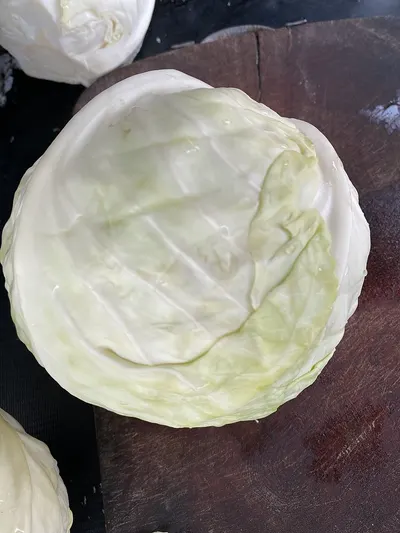
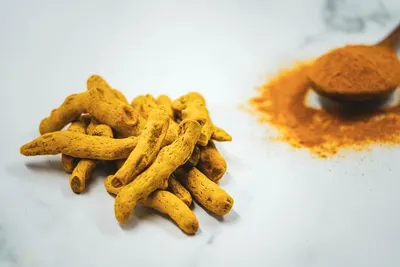
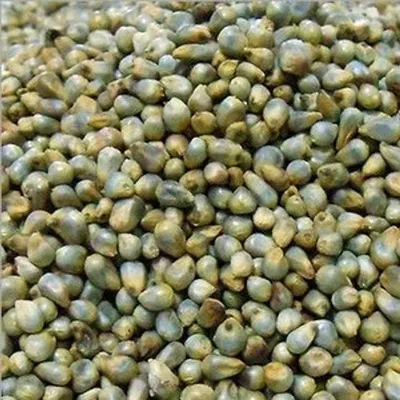
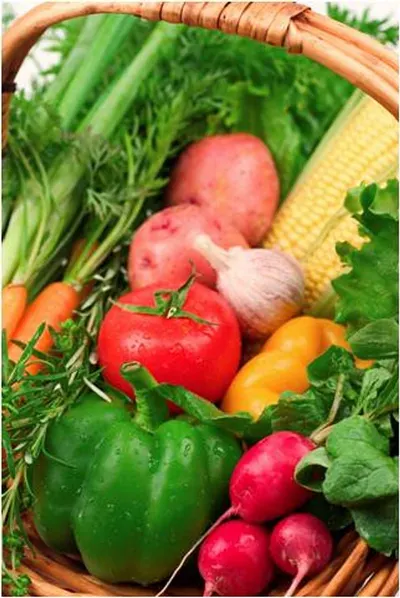
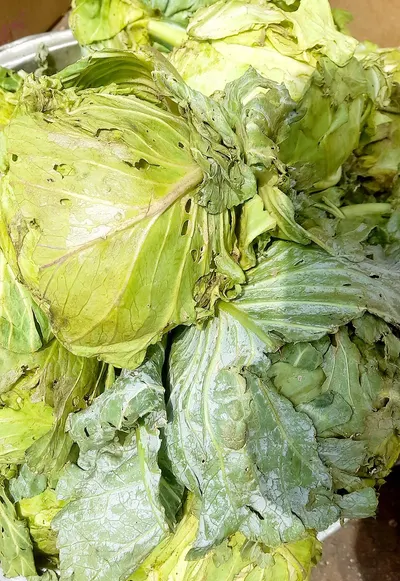
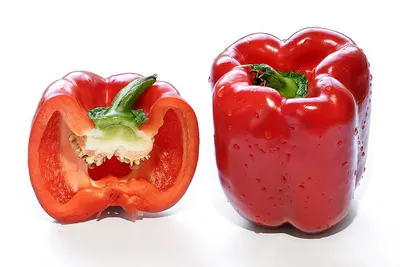
India hosts Abhishek Exports, which currently lists 21 active products across several categories, including fresh vegetables, fruit, spice roots and stone material. The catalogue records items such as marble stone, red cabbage, broccoli, pomegranate, grapes, dragon fruit, okra, drumstick, tomato, capsicum, cabbage, lettuce, a set of organic food items (millets, sweet somes, healthy boons, seasoning flavours, legumes) and three spice roots - turmeric, ginger and garlic.
The product mix combines horticultural produce (cabbage, broccoli, okra, drumstick, tomato, capsicum, lettuce), fresh fruit (pomegranate, grapes, dragon fruit), spice and aromatic roots (turmeric, ginger, garlic) together with a single mineral product (marble). The organic line is presented without specific certification details, while the remaining items are listed under generic food and stone categories.
Product Range and Specialties of Abhishek Exports
The listed vegetables follow the size and quality grades commonly used in Indian export markets - for example, red cabbage is typically sorted into A and B grades with head diameters of 5‑7 cm, broccoli heads of 15‑20 cm, and okra pods of 10‑15 cm length. Fruit such as pomegranate and grapes are usually graded by size, skin integrity and soluble solids (Brix) ranging from 12‑16 % for grapes and 10‑12 % for pomegranate. Dragon fruit is exported in whole fruits larger than 5 cm in length, while tomatoes and capsicum are classified by firmness, colour uniformity and weight per piece.
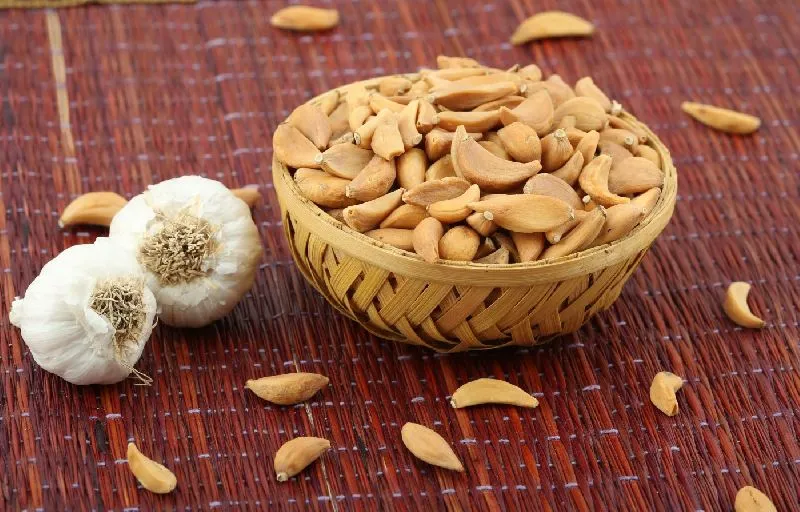
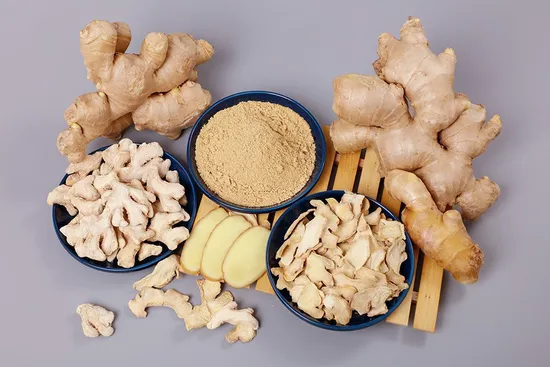
Spice roots follow standard industry specifications: turmeric is often required to contain a curcumin content above 3 % and moisture below 12 %, ginger is evaluated for gingerol content and low moisture (≤12 %), and garlic cloves are sorted by size (large > 12 mm) and moisture (≤13 %). The organic items - millets, legumes and seasoning blends - are generally expected to meet organic standards such as NOP or EU organic, with pesticide‑residue limits aligned to those regimes.
Trade and Export Information - Abhishek Exports
India’s horticultural and spice sectors export primarily to the Middle East, the European Union, the United States and Southeast Asian markets. Export shipments of vegetables and fruits are classified under HS Chapter 07 (vegetables) and Chapter 08 (fruits), while spices and aromatic roots fall under HS Chapter 09 and mineral stone under HS Chapter 71. Buyers typically request phytosanitary certificates, FSSAI export clearance and, where applicable, GlobalGAP or organic certification documents.
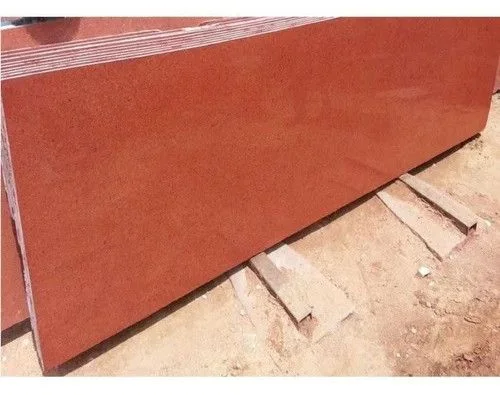
Packaging for fresh produce from India commonly uses ventilated polypropylene crates, insulated boxes with gel packs for temperature‑sensitive fruit, and wooden pallets for bulk shipments. Marble is usually packed in wooden crates with foam padding to prevent chipping. Standard Incoterms such as FOB Mumbai or CIF Dubai are used, and container loading follows ISPM 15 wood‑packaging regulations for all shipments.
Sourcing from Abhishek Exports - Buyer Guidance
When sourcing from this supplier, buyers should ask for recent phytosanitary certificates for each fresh vegetable and fruit batch, as well as laboratory analysis reports for pesticide residues, moisture content and size grading. For the organic line, request the specific organic certification (e.g., USDA Organic, EU Organic) and the corresponding conversion‑track documents. Verify that marble shipments include a mill test report confirming compressive strength and a certificate of origin, and confirm packaging details (crate dimensions, pallet count) before finalising the order.
Frequently Asked Questions About Abhishek Exports
What types of fresh vegetables does Abhishek Exports list?
The catalogue includes red cabbage, broccoli, okra, drumstick, tomato, capsicum, regular cabbage and lettuce, each typically sorted into standard Indian export grades based on size and visual quality.
Which fruit varieties are offered?
The supplier lists pomegranate, grapes and dragon fruit, all usually exported in whole‑fruit condition with Brix levels that meet importing country standards.
Does the supplier provide organic certification for its organic products?
Specific certifications are not listed in the facts; buyers should request the relevant organic certificates (e.g., NOP, EU organic) before placing an order.
What documentation is needed for spice roots such as turmeric, ginger and garlic?
Buyers should request a lab analysis confirming curcumin or gingerol content, moisture percentage below 12‑13 %, and the standard FSSAI export certificate together with a phytosanitary certificate.
How is marble exported and what quality checks apply?
Marble is packed in wooden crates with foam padding; buyers normally ask for a mill test report showing compressive strength and a certificate of origin, both of which are standard for stone exports from India.
What are typical packaging and shipping terms for the fresh produce?
Ventilated PP crates, insulated boxes with gel packs for temperature‑sensitive items, and wooden pallets complying with ISPM 15 are common. Incoterms such as FOB Mumbai or CIF Dubai are frequently used for these shipments.
Which markets commonly import the categories listed by this supplier?
Middle Eastern, European Union, United States and Southeast Asian buyers are the main importers of Indian fresh vegetables, fruit, spices and marble.
What quality parameters should a buyer verify before confirming an order?
Verify size grades, Brix or curcumin content, moisture limits, phytosanitary clearance, and, where applicable, organic certification. For marble, confirm compressive strength and absence of surface defects.




 , India