7seas Fisheries Co., Ltd. — Verified Supplier

About 7seas Fisheries Co., Ltd. - Seafood Supplier in China

7seas Fisheries Co., Ltd. operates from China and currently lists five active frozen seafood products. The catalogue includes Mackerel wholeround, Monkfish tails, Frozen squid tube, Alaska pollock fillet, and Cod fillet. All items are presented under the broad Seafood category, reflecting a focus on whole‑round fish, fillets, and cephalopod products. Each product is supplied in frozen form suitable for long‑distance shipping. The supplier is classified as an imported tier with a harbor trust rating.

The frozen seafood range follows standard industry processing such as rapid freezing, ice glazing, and vacuum packaging to preserve quality. Typical packaging formats are 10 kg cartons for fillets and 20 kg bulk boxes for whole‑round fish, shipped in refrigerated containers. Product specifications often include size ranges, for example Mackerel 20‑30 cm in length, Monkfish tails 15‑25 cm, and cod fillets 200‑300 g per piece. Quality control generally adheres to HACCP principles and may be accompanied by BRC or ISO 22000 audits. Export shipments from China normally use CIF or FOB terms to major markets.

Product Range and Specialties of 7seas Fisheries Co., Ltd.

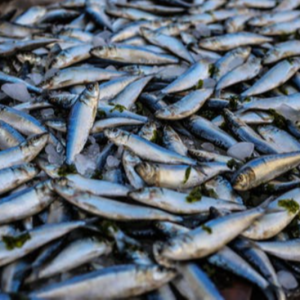
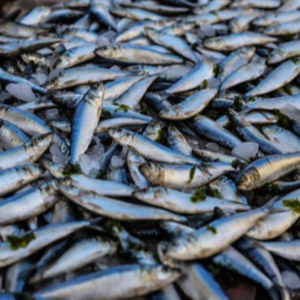
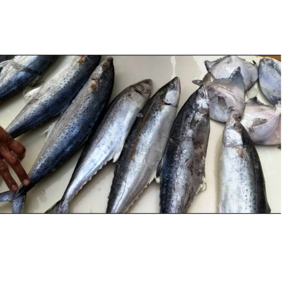
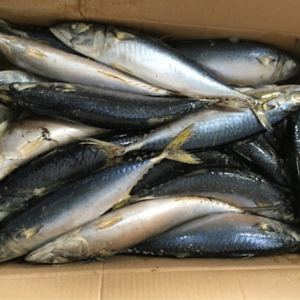
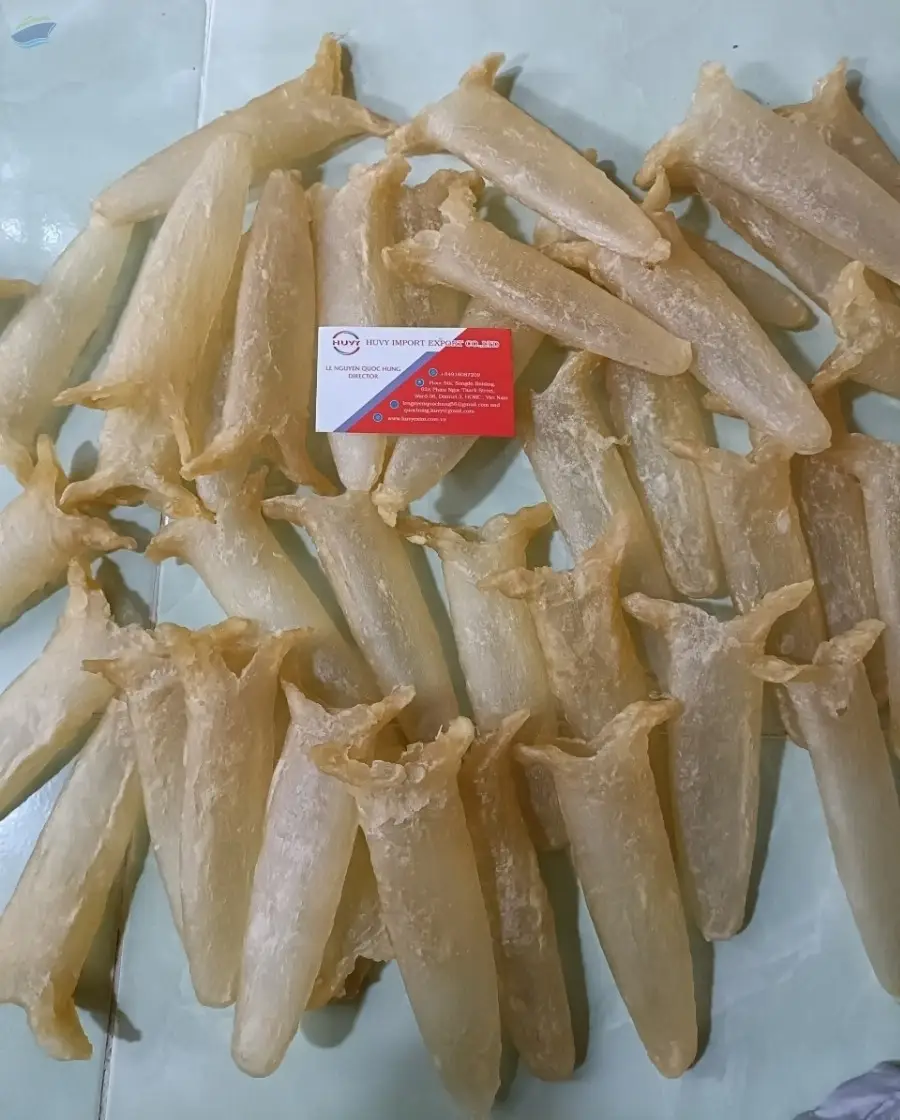
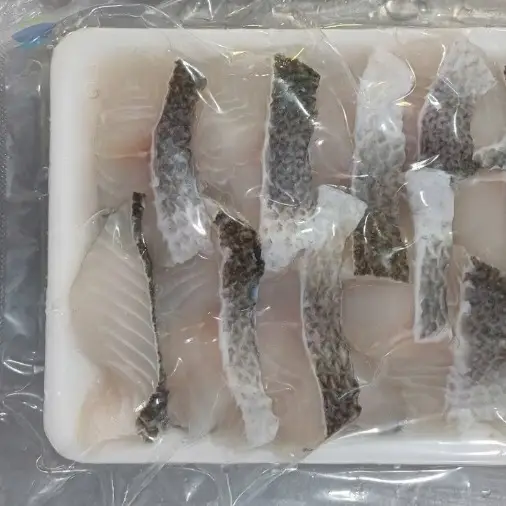
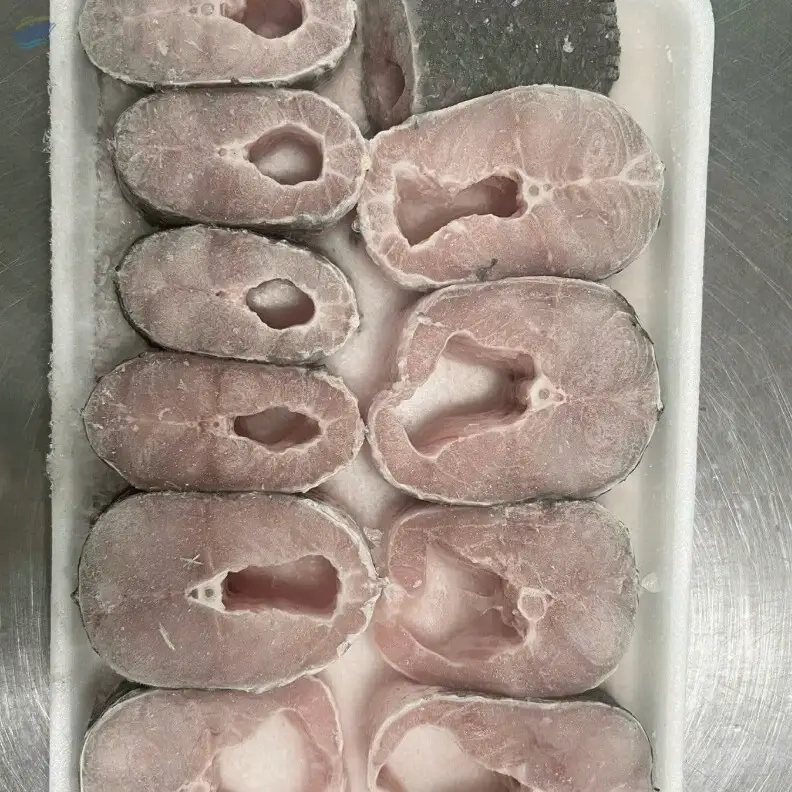
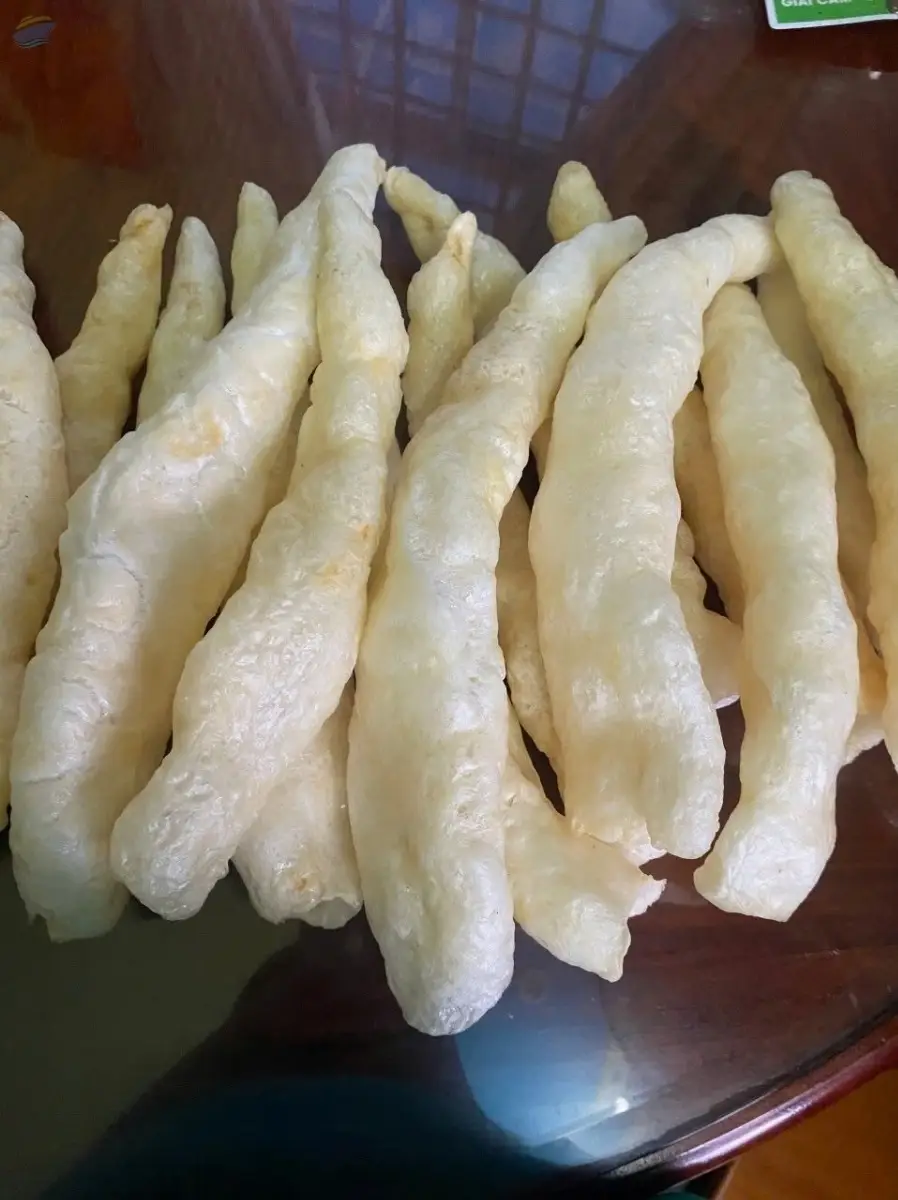
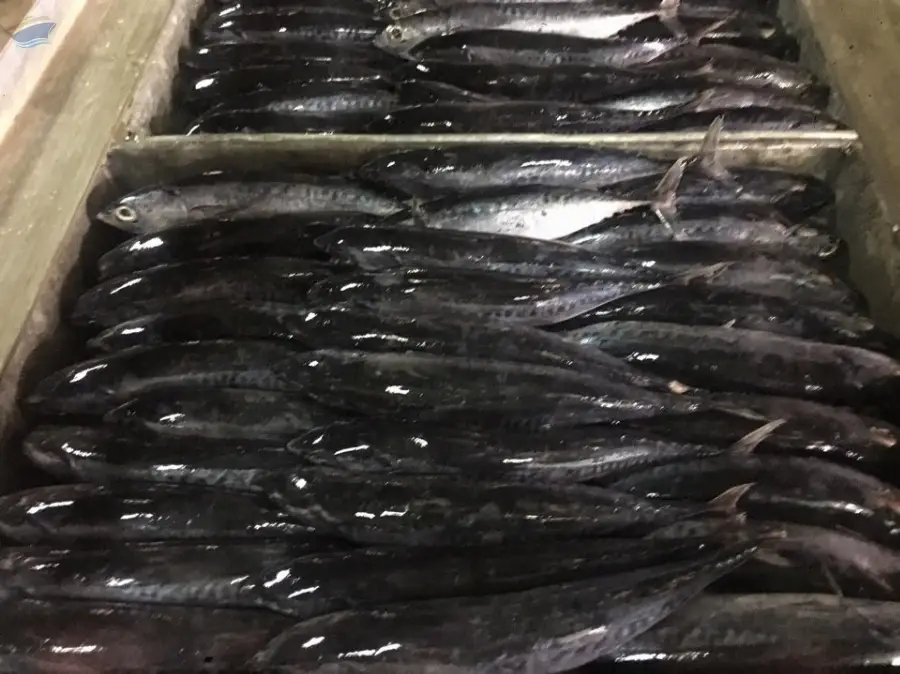
The catalogue’s Mackerel wholeround is typically offered in grade A, with whole fish lengths between 20 cm and 30 cm and an ice‑glaze thickness of 2‑3 mm. Monkfish tails are supplied as filleted portions, usually 15‑25 cm long, with a moisture content below 70 % after flash freezing. Frozen squid tube refers to whole squid bodies cleaned and packed in vacuum‑sealed tubes, commonly sized 30‑40 cm and meeting a minimum protein content of 16 %. Alaska pollock fillet is a white‑fish fillet that industry buyers grade as A‑1 when the fillet thickness is 5‑10 mm and the flesh is free of dark spots. Cod fillet is offered as skin‑on or skin‑off portions, generally 200‑300 g each, with a target water‑binding capacity of 80 %.

In international trade, frozen fish and cephalopod products fall under HS Chapter 03, with sub‑headings such as 0304 for fish fillets and 0305 for squid, which customs authorities use for tariff assessment. Buyers in the EU, United States, and Japan frequently require HACCP certification, a BRC Global Standard audit, and a health certificate issued by the exporting authority. Marine product exporters from China also often obtain MSC (Marine Stewardship Council) chain‑of‑custody registration to meet sustainability criteria of Western buyers. Standard quality specifications include limits on total viable count (TVC) below 1 × 10⁵ CFU/g, histamine below 200 mg/kg for species prone to spoilage, and heavy‑metal limits complying with Codex Alimentarius. Packaging is typically in insulated pallets with gel packs or dry ice to maintain temperatures at - 18 °C throughout transit.

Trade and Export Information - 7seas Fisheries Co., Ltd.

China is a leading exporter of frozen seafood, and shipments from coastal processing zones are routed to Europe, North America, and Southeast Asia via major ports such as Shanghai and Qingdao. The typical logistics chain uses 20‑foot or 40‑foot refrigerated containers (reefers) that can hold up to 25 tons of frozen fish, allowing full container loads for the five product lines. Customs classification follows HS 0304 10 for frozen fish fillets and HS 0305 10 for frozen squid, which determines duty rates in destination markets. Importing countries often mandate a phytosanitary certificate, a certificate of origin, and compliance with the importing nation’s food safety regulations, such as the EU’s Regulation (EC) No 852/2004. Incoterms most commonly used are FOB Shanghai or CIF Los Angeles, giving buyers flexibility in arranging inland transport.

Major importers of Chinese frozen seafood include the United Kingdom, Germany, the United States, Canada, and South Korea, where foodservice distributors and processed‑food manufacturers source bulk volumes. For these markets, the presence of ISO 22000 or FSSC 22000 certification on the processing facility is frequently requested during the due‑diligence phase. Export documentation also includes a packing list, commercial invoice, and, where required, a pre‑shipment inspection report from the China Inspection and Quarantine (CIQ) agency. Suppliers that can provide traceability from catch to freezer, often via electronic batch records, meet the expectations of large retailers and institutional buyers.

Sourcing from 7seas Fisheries Co., Ltd. - Buyer Guidance

Prospective buyers should request the supplier’s HACCP plan, recent BRC audit report, and any MSC chain‑of‑custody certificates before placing an order. A product specification sheet should detail size range, ice‑glaze thickness, moisture content, and microbiological limits such as TVC and histamine. Samples are usually shipped in a 20 kg insulated box with a temperature logger to verify that the - 18 °C chain is maintained. Buyers are advised to verify the CIQ health certificate and confirm that the packaging complies with the destination country’s labeling requirements, including country of origin and net weight. For larger orders, confirming the container load plan - whether a full 20‑foot or 40‑foot reefer - is essential to avoid partial shipments.

When a quotation is received, request a detailed FOB or CIF price breakdown, lead time, and minimum order quantity, which for frozen fillets typically starts at 1 tonne. Ask for a recent laboratory analysis report covering heavy‑metal content (e.g., mercury below 0.5 ppm) and pesticide residues to ensure compliance with Codex limits. If the supplier can provide a traceability report linking each batch to the original catch or farm, it strengthens the audit trail for food safety compliance. Final acceptance should be contingent on an inspection at the port of arrival, using a third‑party agency to verify temperature, packaging integrity, and product condition.

Frequently Asked Questions About 7seas Fisheries Co., Ltd.

What frozen seafood products does 7seas Fisheries list?

The supplier lists five frozen products: Mackerel wholeround, Monkfish tails, Frozen squid tube, Alaska pollock fillet and Cod fillet. Each item is presented under the Seafood category and is offered in a frozen state for export.

How are the fish products typically packaged for export?

Products are usually packed in insulated cartons - 10 kg for fillets and 20 kg for whole‑round fish - placed on pallets. The pallets are loaded into 20‑foot or 40‑foot refrigerated containers with gel packs or dry ice to keep the cargo at - 18 °C throughout transit.

Which certifications are commonly required for Chinese frozen seafood, and does the supplier hold any?

International buyers often require HACCP, BRC or ISO 22000, and MSC chain‑of‑custody certificates for seafood imports. The supplier’s catalogue does not specify any held certifications, so buyers should request copies of these documents before confirming a purchase.

What HS codes are applicable to the listed products?

The relevant HS headings fall under Chapter 03. Frozen fish fillets such as Alaska pollock and Cod are classified under sub‑heading 0304 10, while frozen squid tube uses 0305 10. Whole‑round fish like Mackerel are generally covered by 0304 90.

What are typical quality parameters for these frozen seafood items?

Industry standards usually set total viable count (TVC) below 1 × 10⁵ CFU/g, histamine under 200 mg/kg for species prone to spoilage, and moisture content below 70 %. Heavy‑metal limits follow Codex guidelines, for example mercury not exceeding 0.5 ppm.

What is the usual minimum order quantity and lead time?

Minimum orders are generally around 1 tonne per product line. Lead times from order confirmation to shipment typically range from 15 to 30 days, depending on production scheduling and container availability.

How can a buyer request a sample?

Buyers should ask the supplier to send a 10‑kg insulated sample with a temperature logger, specifying the desired product and any required certification documents. The sample is shipped under the same refrigerated conditions as commercial cargo to ensure representative quality.


Other Suppliers in Seafood

Top Trusted Suppliers

Related Products in Seafood

Trending in Parent Category

More Suppliers in Parent Category

Related Products

Other Suppliers

EximNext
58.5K+ live requirements
Register Free🎁 Reach verified global buyers
Post Requirement
🌍 Trusted by 224.7K+ businesses in 200+ countries|
58.5K+ active requirements right now
✉️ [email protected]
|
Sell on EximNextPost Requirement
EximNext
AgricultureApparelConstructionElectronicFoodHomeIndustrialMineralsMiscellaneous
🔥 Deals|✨ AI Match|🏭 Suppliers|📋 Buy Leads|💰 Trade Finance
58.5K+ live RFQs·194.6K+ suppliers
🎁 Reach global buyers →
EximNext
EximNext
Register Free
🎁 Reach verified global buyers
Sign In
📋Post Requirement💬Get QuotesAI Match📋RFQ Marketplace
All Categories
Services & Tools
🏭Supplier Directory🔥Today's Deals💰Trade Finance
Sell on EximNext
AboutContactBlogHelp
🏭

7seas Fisheries Co., Ltd.

Harbor
Country flag , China
🛡️
55/100
Trust Score

7seas Fisheries Co., Ltd. Product Catalog

Showing 5 of 5 products
View all products →
Frozen squid tube
Harbor
Frozen squid tube
Contact
MOQ: 1 Unit
Alaska pollock fillet
Harbor
Alaska pollock fillet
Contact
MOQ: 1 Unit
Cod fillet
Harbor
Cod fillet
Contact
MOQ: 1 Unit
Monkfish tails
Harbor
Monkfish tails
Contact
MOQ: 1 Unit
Mackerel wholeround
Harbor
Mackerel wholeround
Contact
MOQ: 1 Unit

About 7seas Fisheries Co., Ltd. - Seafood Supplier in China

7seas Fisheries Co., Ltd. operates from China and currently lists five active frozen seafood products. The catalogue includes Mackerel wholeround, Monkfish tails, Frozen squid tube, Alaska pollock fillet, and Cod fillet. All items are presented under the broad Seafood category, reflecting a focus on whole‑round fish, fillets, and cephalopod products. Each product is supplied in frozen form suitable for long‑distance shipping. The supplier is classified as an imported tier with a harbor trust rating.

The frozen seafood range follows standard industry processing such as rapid freezing, ice glazing, and vacuum packaging to preserve quality. Typical packaging formats are 10 kg cartons for fillets and 20 kg bulk boxes for whole‑round fish, shipped in refrigerated containers. Product specifications often include size ranges, for example Mackerel 20‑30 cm in length, Monkfish tails 15‑25 cm, and cod fillets 200‑300 g per piece. Quality control generally adheres to HACCP principles and may be accompanied by BRC or ISO 22000 audits. Export shipments from China normally use CIF or FOB terms to major markets.

Product Range and Specialties of 7seas Fisheries Co., Ltd.

The catalogue’s Mackerel wholeround is typically offered in grade A, with whole fish lengths between 20 cm and 30 cm and an ice‑glaze thickness of 2‑3 mm. Monkfish tails are supplied as filleted portions, usually 15‑25 cm long, with a moisture content below 70 % after flash freezing. Frozen squid tube refers to whole squid bodies cleaned and packed in vacuum‑sealed tubes, commonly sized 30‑40 cm and meeting a minimum protein content of 16 %. Alaska pollock fillet is a white‑fish fillet that industry buyers grade as A‑1 when the fillet thickness is 5‑10 mm and the flesh is free of dark spots. Cod fillet is offered as skin‑on or skin‑off portions, generally 200‑300 g each, with a target water‑binding capacity of 80 %.

In international trade, frozen fish and cephalopod products fall under HS Chapter 03, with sub‑headings such as 0304 for fish fillets and 0305 for squid, which customs authorities use for tariff assessment. Buyers in the EU, United States, and Japan frequently require HACCP certification, a BRC Global Standard audit, and a health certificate issued by the exporting authority. Marine product exporters from China also often obtain MSC (Marine Stewardship Council) chain‑of‑custody registration to meet sustainability criteria of Western buyers. Standard quality specifications include limits on total viable count (TVC) below 1 × 10⁵ CFU/g, histamine below 200 mg/kg for species prone to spoilage, and heavy‑metal limits complying with Codex Alimentarius. Packaging is typically in insulated pallets with gel packs or dry ice to maintain temperatures at - 18 °C throughout transit.

Trade and Export Information - 7seas Fisheries Co., Ltd.

China is a leading exporter of frozen seafood, and shipments from coastal processing zones are routed to Europe, North America, and Southeast Asia via major ports such as Shanghai and Qingdao. The typical logistics chain uses 20‑foot or 40‑foot refrigerated containers (reefers) that can hold up to 25 tons of frozen fish, allowing full container loads for the five product lines. Customs classification follows HS 0304 10 for frozen fish fillets and HS 0305 10 for frozen squid, which determines duty rates in destination markets. Importing countries often mandate a phytosanitary certificate, a certificate of origin, and compliance with the importing nation’s food safety regulations, such as the EU’s Regulation (EC) No 852/2004. Incoterms most commonly used are FOB Shanghai or CIF Los Angeles, giving buyers flexibility in arranging inland transport.

Major importers of Chinese frozen seafood include the United Kingdom, Germany, the United States, Canada, and South Korea, where foodservice distributors and processed‑food manufacturers source bulk volumes. For these markets, the presence of ISO 22000 or FSSC 22000 certification on the processing facility is frequently requested during the due‑diligence phase. Export documentation also includes a packing list, commercial invoice, and, where required, a pre‑shipment inspection report from the China Inspection and Quarantine (CIQ) agency. Suppliers that can provide traceability from catch to freezer, often via electronic batch records, meet the expectations of large retailers and institutional buyers.

Sourcing from 7seas Fisheries Co., Ltd. - Buyer Guidance

Prospective buyers should request the supplier’s HACCP plan, recent BRC audit report, and any MSC chain‑of‑custody certificates before placing an order. A product specification sheet should detail size range, ice‑glaze thickness, moisture content, and microbiological limits such as TVC and histamine. Samples are usually shipped in a 20 kg insulated box with a temperature logger to verify that the - 18 °C chain is maintained. Buyers are advised to verify the CIQ health certificate and confirm that the packaging complies with the destination country’s labeling requirements, including country of origin and net weight. For larger orders, confirming the container load plan - whether a full 20‑foot or 40‑foot reefer - is essential to avoid partial shipments.

When a quotation is received, request a detailed FOB or CIF price breakdown, lead time, and minimum order quantity, which for frozen fillets typically starts at 1 tonne. Ask for a recent laboratory analysis report covering heavy‑metal content (e.g., mercury below 0.5 ppm) and pesticide residues to ensure compliance with Codex limits. If the supplier can provide a traceability report linking each batch to the original catch or farm, it strengthens the audit trail for food safety compliance. Final acceptance should be contingent on an inspection at the port of arrival, using a third‑party agency to verify temperature, packaging integrity, and product condition.

Frequently Asked Questions About 7seas Fisheries Co., Ltd.

What frozen seafood products does 7seas Fisheries list?

The supplier lists five frozen products: Mackerel wholeround, Monkfish tails, Frozen squid tube, Alaska pollock fillet and Cod fillet. Each item is presented under the Seafood category and is offered in a frozen state for export.

How are the fish products typically packaged for export?

Products are usually packed in insulated cartons - 10 kg for fillets and 20 kg for whole‑round fish - placed on pallets. The pallets are loaded into 20‑foot or 40‑foot refrigerated containers with gel packs or dry ice to keep the cargo at - 18 °C throughout transit.

Which certifications are commonly required for Chinese frozen seafood, and does the supplier hold any?

International buyers often require HACCP, BRC or ISO 22000, and MSC chain‑of‑custody certificates for seafood imports. The supplier’s catalogue does not specify any held certifications, so buyers should request copies of these documents before confirming a purchase.

What HS codes are applicable to the listed products?

The relevant HS headings fall under Chapter 03. Frozen fish fillets such as Alaska pollock and Cod are classified under sub‑heading 0304 10, while frozen squid tube uses 0305 10. Whole‑round fish like Mackerel are generally covered by 0304 90.

What are typical quality parameters for these frozen seafood items?

Industry standards usually set total viable count (TVC) below 1 × 10⁵ CFU/g, histamine under 200 mg/kg for species prone to spoilage, and moisture content below 70 %. Heavy‑metal limits follow Codex guidelines, for example mercury not exceeding 0.5 ppm.

What is the usual minimum order quantity and lead time?

Minimum orders are generally around 1 tonne per product line. Lead times from order confirmation to shipment typically range from 15 to 30 days, depending on production scheduling and container availability.

How can a buyer request a sample?

Buyers should ask the supplier to send a 10‑kg insulated sample with a temperature logger, specifying the desired product and any required certification documents. The sample is shipped under the same refrigerated conditions as commercial cargo to ensure representative quality.

About 7seas Fisheries Co., Ltd. - Seafood Supplier in China

7seas Fisheries Co., Ltd. operates from China and currently lists five active frozen seafood products. The catalogue includes Mackerel wholeround, Monkfish tails, Frozen squid tube, Alaska pollock fillet, and Cod fillet. All items are presented under the broad Seafood category, reflecting a focus on whole‑round fish, fillets, and cephalopod products. Each product is supplied in frozen form suitable for long‑distance shipping. The supplier is classified as an imported tier with a harbor trust rating.

The frozen seafood range follows standard industry processing such as rapid freezing, ice glazing, and vacuum packaging to preserve quality. Typical packaging formats are 10 kg cartons for fillets and 20 kg bulk boxes for whole‑round fish, shipped in refrigerated containers. Product specifications often include size ranges, for example Mackerel 20‑30 cm in length, Monkfish tails 15‑25 cm, and cod fillets 200‑300 g per piece. Quality control generally adheres to HACCP principles and may be accompanied by BRC or ISO 22000 audits. Export shipments from China normally use CIF or FOB terms to major markets.

Product Range and Specialties of 7seas Fisheries Co., Ltd.

The catalogue’s Mackerel wholeround is typically offered in grade A, with whole fish lengths between 20 cm and 30 cm and an ice‑glaze thickness of 2‑3 mm. Monkfish tails are supplied as filleted portions, usually 15‑25 cm long, with a moisture content below 70 % after flash freezing. Frozen squid tube refers to whole squid bodies cleaned and packed in vacuum‑sealed tubes, commonly sized 30‑40 cm and meeting a minimum protein content of 16 %. Alaska pollock fillet is a white‑fish fillet that industry buyers grade as A‑1 when the fillet thickness is 5‑10 mm and the flesh is free of dark spots. Cod fillet is offered as skin‑on or skin‑off portions, generally 200‑300 g each, with a target water‑binding capacity of 80 %.

In international trade, frozen fish and cephalopod products fall under HS Chapter 03, with sub‑headings such as 0304 for fish fillets and 0305 for squid, which customs authorities use for tariff assessment. Buyers in the EU, United States, and Japan frequently require HACCP certification, a BRC Global Standard audit, and a health certificate issued by the exporting authority. Marine product exporters from China also often obtain MSC (Marine Stewardship Council) chain‑of‑custody registration to meet sustainability criteria of Western buyers. Standard quality specifications include limits on total viable count (TVC) below 1 × 10⁵ CFU/g, histamine below 200 mg/kg for species prone to spoilage, and heavy‑metal limits complying with Codex Alimentarius. Packaging is typically in insulated pallets with gel packs or dry ice to maintain temperatures at - 18 °C throughout transit.

Trade and Export Information - 7seas Fisheries Co., Ltd.

China is a leading exporter of frozen seafood, and shipments from coastal processing zones are routed to Europe, North America, and Southeast Asia via major ports such as Shanghai and Qingdao. The typical logistics chain uses 20‑foot or 40‑foot refrigerated containers (reefers) that can hold up to 25 tons of frozen fish, allowing full container loads for the five product lines. Customs classification follows HS 0304 10 for frozen fish fillets and HS 0305 10 for frozen squid, which determines duty rates in destination markets. Importing countries often mandate a phytosanitary certificate, a certificate of origin, and compliance with the importing nation’s food safety regulations, such as the EU’s Regulation (EC) No 852/2004. Incoterms most commonly used are FOB Shanghai or CIF Los Angeles, giving buyers flexibility in arranging inland transport.

Major importers of Chinese frozen seafood include the United Kingdom, Germany, the United States, Canada, and South Korea, where foodservice distributors and processed‑food manufacturers source bulk volumes. For these markets, the presence of ISO 22000 or FSSC 22000 certification on the processing facility is frequently requested during the due‑diligence phase. Export documentation also includes a packing list, commercial invoice, and, where required, a pre‑shipment inspection report from the China Inspection and Quarantine (CIQ) agency. Suppliers that can provide traceability from catch to freezer, often via electronic batch records, meet the expectations of large retailers and institutional buyers.

Sourcing from 7seas Fisheries Co., Ltd. - Buyer Guidance

Prospective buyers should request the supplier’s HACCP plan, recent BRC audit report, and any MSC chain‑of‑custody certificates before placing an order. A product specification sheet should detail size range, ice‑glaze thickness, moisture content, and microbiological limits such as TVC and histamine. Samples are usually shipped in a 20 kg insulated box with a temperature logger to verify that the - 18 °C chain is maintained. Buyers are advised to verify the CIQ health certificate and confirm that the packaging complies with the destination country’s labeling requirements, including country of origin and net weight. For larger orders, confirming the container load plan - whether a full 20‑foot or 40‑foot reefer - is essential to avoid partial shipments.

When a quotation is received, request a detailed FOB or CIF price breakdown, lead time, and minimum order quantity, which for frozen fillets typically starts at 1 tonne. Ask for a recent laboratory analysis report covering heavy‑metal content (e.g., mercury below 0.5 ppm) and pesticide residues to ensure compliance with Codex limits. If the supplier can provide a traceability report linking each batch to the original catch or farm, it strengthens the audit trail for food safety compliance. Final acceptance should be contingent on an inspection at the port of arrival, using a third‑party agency to verify temperature, packaging integrity, and product condition.

Frequently Asked Questions About 7seas Fisheries Co., Ltd.
What frozen seafood products does 7seas Fisheries list?
The supplier lists five frozen products: Mackerel wholeround, Monkfish tails, Frozen squid tube, Alaska pollock fillet and Cod fillet. Each item is presented under the Seafood category and is offered in a frozen state for export.
How are the fish products typically packaged for export?
Products are usually packed in insulated cartons - 10 kg for fillets and 20 kg for whole‑round fish - placed on pallets. The pallets are loaded into 20‑foot or 40‑foot refrigerated containers with gel packs or dry ice to keep the cargo at - 18 °C throughout transit.
Which certifications are commonly required for Chinese frozen seafood, and does the supplier hold any?
International buyers often require HACCP, BRC or ISO 22000, and MSC chain‑of‑custody certificates for seafood imports. The supplier’s catalogue does not specify any held certifications, so buyers should request copies of these documents before confirming a purchase.
What HS codes are applicable to the listed products?
The relevant HS headings fall under Chapter 03. Frozen fish fillets such as Alaska pollock and Cod are classified under sub‑heading 0304 10, while frozen squid tube uses 0305 10. Whole‑round fish like Mackerel are generally covered by 0304 90.
What are typical quality parameters for these frozen seafood items?
Industry standards usually set total viable count (TVC) below 1 × 10⁵ CFU/g, histamine under 200 mg/kg for species prone to spoilage, and moisture content below 70 %. Heavy‑metal limits follow Codex guidelines, for example mercury not exceeding 0.5 ppm.
What is the usual minimum order quantity and lead time?
Minimum orders are generally around 1 tonne per product line. Lead times from order confirmation to shipment typically range from 15 to 30 days, depending on production scheduling and container availability.
How can a buyer request a sample?
Buyers should ask the supplier to send a 10‑kg insulated sample with a temperature logger, specifying the desired product and any required certification documents. The sample is shipped under the same refrigerated conditions as commercial cargo to ensure representative quality.

🏭
7seas Fisheries Co., Ltd.
Country flag , China
Harbor
55/100
Trust Score
📦
5
Products
Free to contact — no commission
Escrow payment available
Verified business identity
Compare more suppliers
Post a requirement — get 10 quotes free
Let verified suppliers compete for your business. Free, fast, no commitment.
EximNext Verified Supplier
Business identity verified
Physical address confirmed
Financial history checked
Certifications authenticated
Trade references validated
Due Diligence
Verify this supplier's real shipping history.
Every shipment, every buyer, every port. Trade data that can't be faked.
Run due diligence →
Discover More

Related Suppliers & Products

Explore similar suppliers, related products and trending categories

Other Suppliers in Seafood

Top Trusted Suppliers

Related Products in Seafood

Trending in Parent Category

More Suppliers in Parent Category

Stay ahead in global trade
Weekly market insights & new supplier alerts.
EximNext
Exim Next is a leading global B2B marketplace, connecting over 205,000 verified suppliers and buyers across 200+ countries. As a trusted import export marketplace, it serves as the essential B2B portal for businesses worldwide, empowering them to expand their international reach. With Exim Next, businesses can trade smarter and grow faster.
SECURE PAYMENTS
VISAMastercardPayPalSWIFTL/CEscrow
Follow us
© 2026 EximNext