Olig sarl — Verified Manufacturer & Wholesale Supplier
About Olig sarl - Fresh Fish Fillets Supplier in Morocco
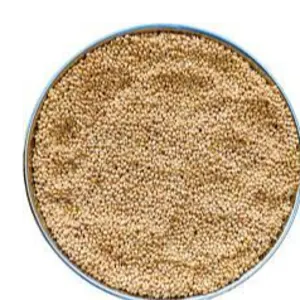
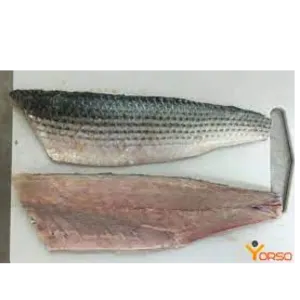
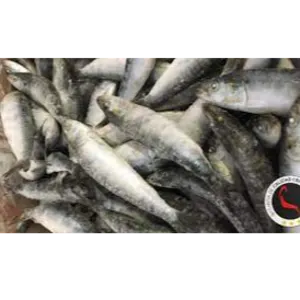
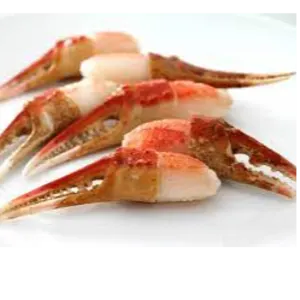
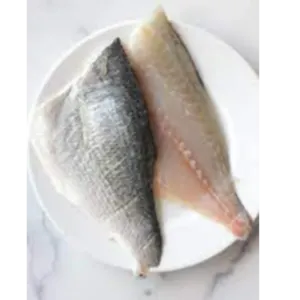
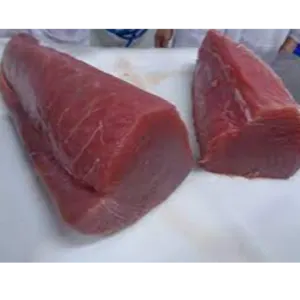
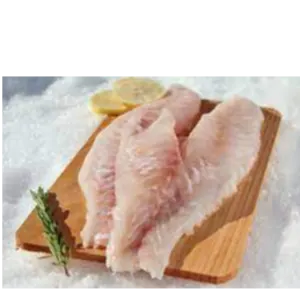
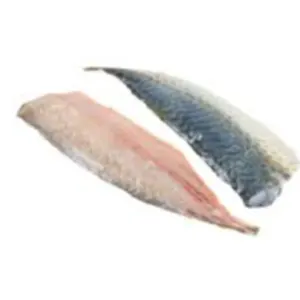
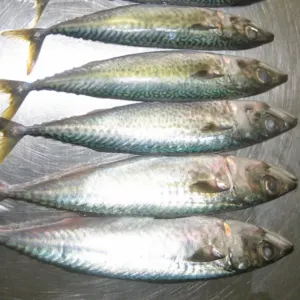
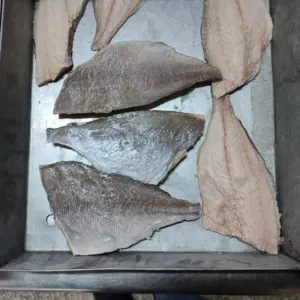
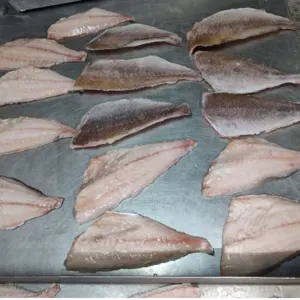
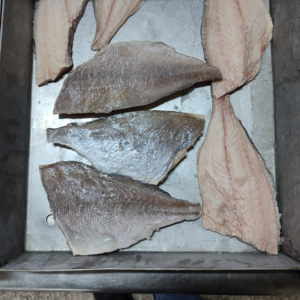
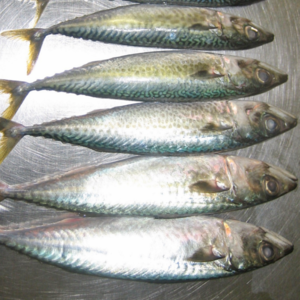
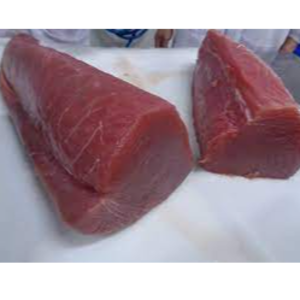
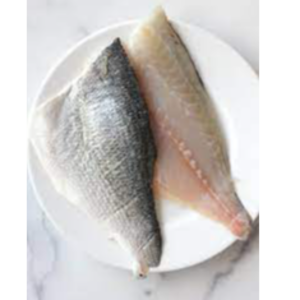
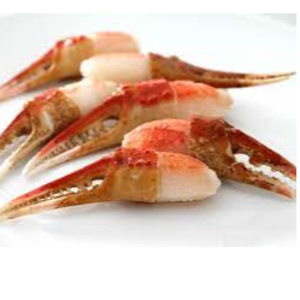
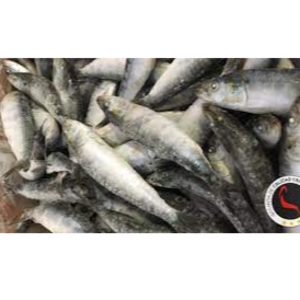
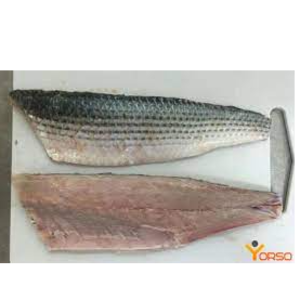
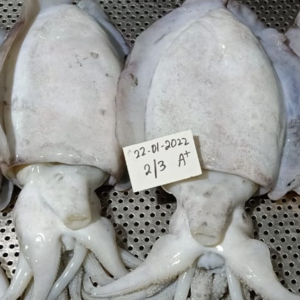
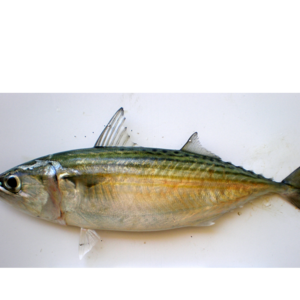
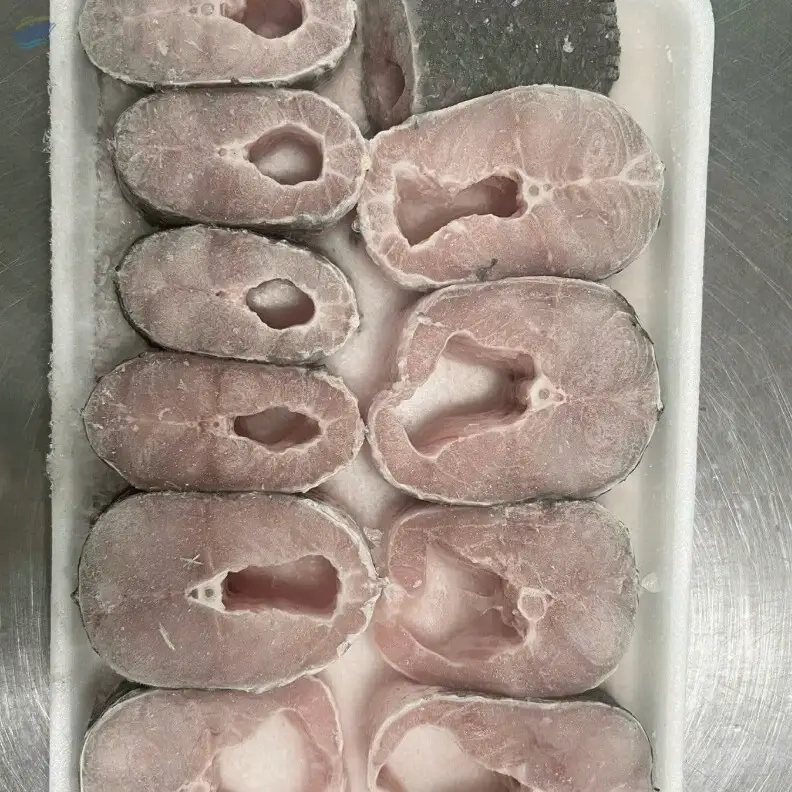
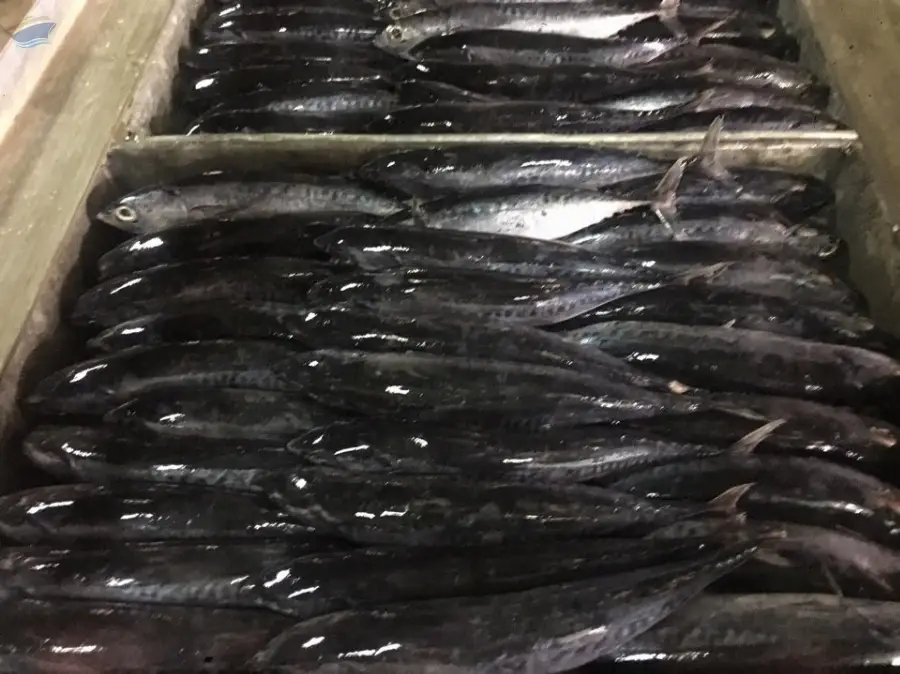
Olig sarl is based in the Tan Tan region of Morocco and lists eleven active products covering frozen whole fish, various fillets and dried shellfish. The catalogue records items such as frozen whole fish (HS 0303.79), Atlantic mackerel fillet (HS 0304.41), grouper fillet (HS 0305.59), tuna fillet (HS 0305.59), black/white sea bream fillets (HS 0304.44), crab claws (HS 0306.21), IQF sardine (HS 0303.53), grey mullet fillet (HS 0304.49) and cuttlefish millet (HS 0307.43).
The product list reflects both fresh and frozen fish fillets as well as dried fish and shellfish, each identified with a specific HS‑code family. Materials range from wild Atlantic mackerel to air‑dried grouper and whole dried cuttlefish, indicating a focus on whole‑species processing and portioning for international trade.
Product Range and Specialties of Olig sarl
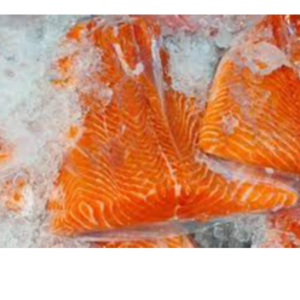
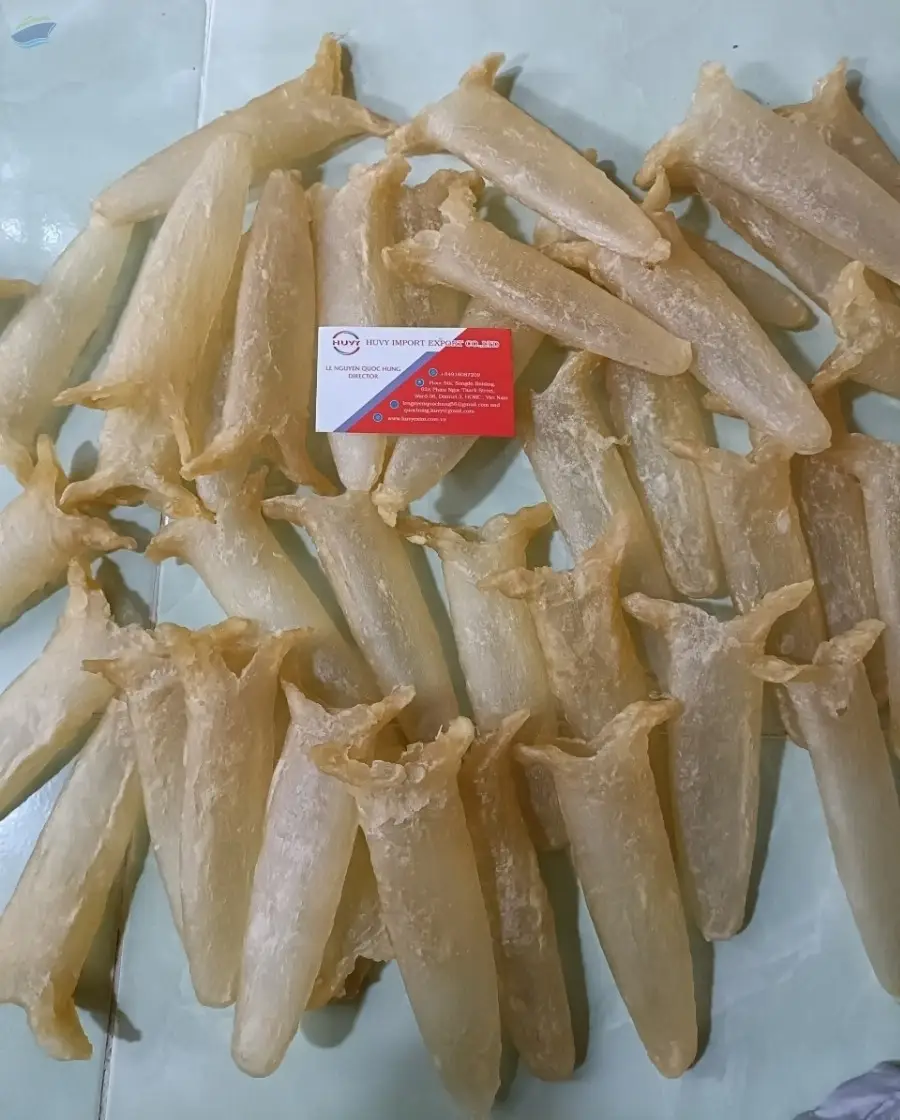
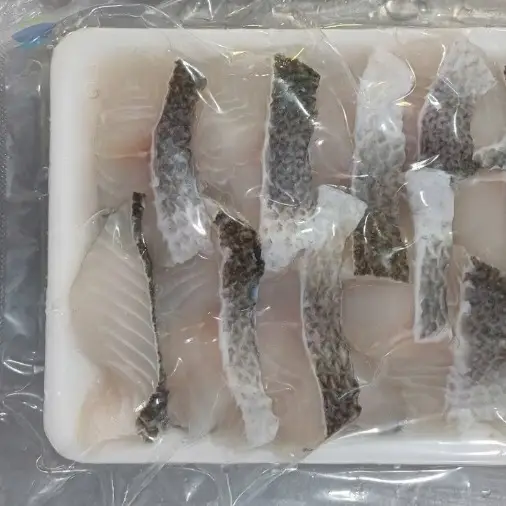
The catalogue includes frozen whole fish (sardinops, scomber, priacanthus) under HS 0303.79, fillets of Atlantic mackerel, grouper, tuna and sea bream under HS 0304‑41, 0305‑59 and 0304‑44, and dried products such as cuttlefish millet (HS 0307.43) and crab claws (HS 0306.21). In the fish‑fillet market, buyers typically look for fillet thickness between 10‑30 mm, ice content below 5 %, and moisture levels under 70 % for fresh fillets, while frozen fillets are packed in insulated boxes with a temperature of - 18 °C. Standard industry grades for mackerel fillet are “A‑grade” based on colour, firmness and absence of off‑odours, and grouper fillet is often classified by size (e.g., 200‑300 g per piece).
Trade and Export Information - Olig sarl
Moroccan seafood exporters commonly serve the European Union, the Middle East and North Africa, where HS chapter 03 fish products are subject to EU Regulation 1380/2013 and Gulf Cooperation Council import standards. Typical certifications requested by importers include HACCP, BRC Global Standard for Food Safety and ISO 22000, although these are not listed as held by Olig sarl. Shipping is usually performed in refrigerated 20 ft or 40 ft containers with a cold chain maintained at 0 °C to - 2 °C for fresh fish and - 18 °C for frozen items; ice or gel packs are added for IQF sardine. Export documentation often includes a phytosanitary certificate, a health certificate, and a commercial invoice referencing the correct HS codes.
Sourcing from Olig sarl - Buyer Guidance
Buyers should request a recent HACCP or ISO 22000 audit report, a laboratory analysis of moisture and ice content, and a sensory evaluation report for fresh fillets. Verify that the product is packed in approved food‑grade insulated boxes, with temperature‑log data sheets attached to each container. For dried shellfish and cuttlefish millet, ask for a moisture‑content test (usually <12 %) and a microbial safety report covering Salmonella and Listeria.
Frequently Asked Questions About Olig sarl
What are the main product codes and HS classifications offered by Olig sarl?
The catalogue uses HS 0303.79 for frozen whole fish, HS 0304.41 for Atlantic mackerel fillet, HS 0305.59 for grouper and tuna fillets, HS 0304.44 for sea bream fillets, HS 0306.21 for crab claws, HS 0303.53 for IQF sardine, HS 0304.49 for grey mullet fillet and HS 0307.43 for cuttlefish millet.
Which certifications should I request before purchasing fish fillets?
Importers normally ask for a current HACCP or ISO 22000 audit, a BRC Food Safety certificate and a recent health certificate covering the specific species. These documents confirm compliance with international food‑safety standards.
What are the typical quality parameters for mackerel fillet?
Mackerel fillet is evaluated on colour (bright pink), firmness, absence of blood spots, moisture below 70 % and ice content under 5 %. Size is often specified as 150‑250 g per fillet.
How is cuttlefish millet packaged for export?
Cuttlefish millet is usually packed in moisture‑proof bags of 25 kg, placed inside insulated cartons, and shipped in refrigerated containers at 0 °C to prevent rehydration.
What are the common minimum order quantities and lead times?
Typical minimum orders range from 500 kg for fillets to 1 ton for whole frozen fish, with lead times of 15‑25 days from order confirmation, depending on species and processing requirements.
Which markets import Moroccan seafood most frequently?
The European Union, Gulf Cooperation Council countries and North‑African states are the largest importers of Moroccan fish and shellfish, driven by demand for both fresh and frozen products.
What packaging standards apply to frozen fish fillets?
Frozen fillets are usually vacuum‑sealed or packed in insulated boxes with gel packs, complying with the EU cold‑chain regulation that requires a maintained temperature of - 18 °C throughout transport.
How can I arrange a sample of a specific fillet?
Contact the supplier to request a 5‑kg sample, specifying the species, desired fillet thickness and whether you need fresh or frozen condition. Samples are typically shipped by air freight with temperature monitoring.




 , Morocco