Sufi Exim Company — Verified Suppliers

About Sufi Exim Company - Agriculture Seeds Supplier in India

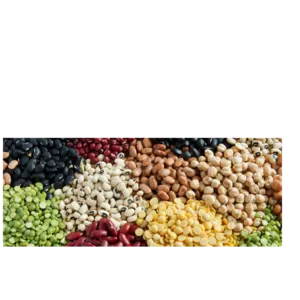
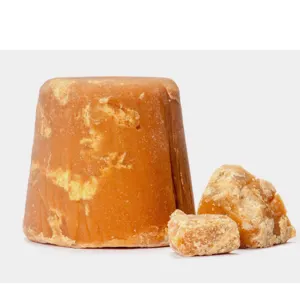
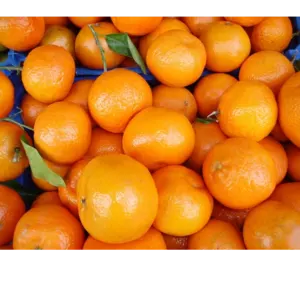
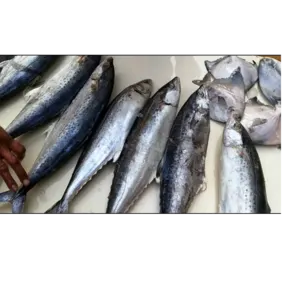
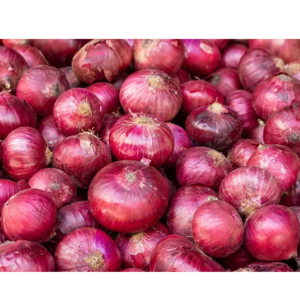
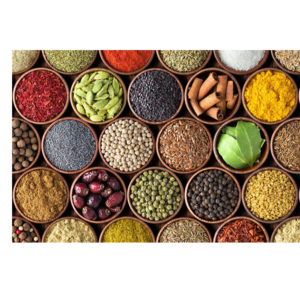
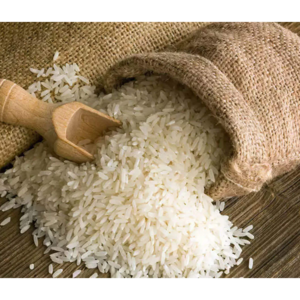
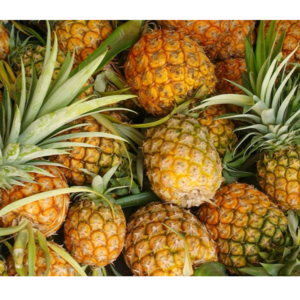
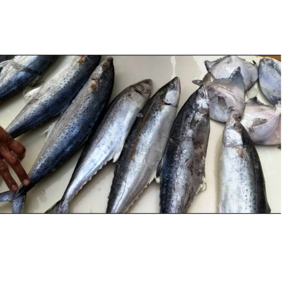
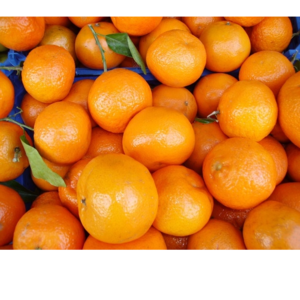
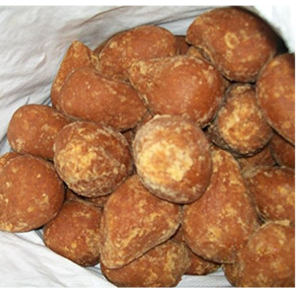
India, Nagpur, Maharashtra - Sufi Exim Company lists eight active agro‑product entries in its catalogue. The catalogue covers onion (HS 0712.20, dehydrated Allium cepa), spice seeds such as cumin, coriander and fenugreek (HS 0909.21), broken rice (HS 1006.40, Oryza sativa), fresh pineapple (HS 2008.20, Ananas comosus), dried fish (HS 0305.59, marine catch without preservatives), fresh orange (HS 0805.10, Citrus sinensis), jaggery (HS 1701.14, unrefined cane sugar) and whole dried lentils (HS 0713.40, Lens culinaris). The eight products span the HS‑code families 0712, 0909, 1006, 2008, 0305, 0805, 1701 and 0713. Sufi Exim’s top‑level categories include Agriculture Seeds, Pepper, Agriculture Threshers, Agriculture Sheller, Agriculture Harvesters, Fresh Onion, Agricultural Chemicals and Mushrooms. The listed items reflect the company’s focus on primary agricultural commodities and processed foodstuffs.

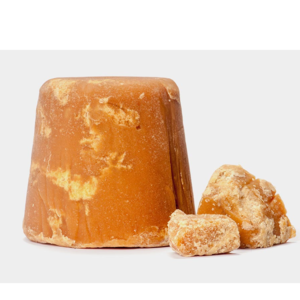
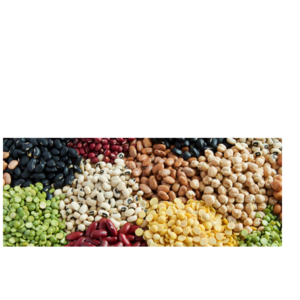
The supplier’s catalogue presents both fresh and processed forms: fresh pineapple and orange are supplied as whole fruit, onion is offered in a dehydrated form, and rice appears as broken grains. The spice entry aggregates several seed varieties under a single HS code, while the fish item is a dried marine product free of chemical preservatives. Jaggery is described as pure sugarcane juice and unrefined cane sugar, and the lentil entry refers to whole dried beans. Each product is identified by its internationally recognised HS code, enabling buyers to locate the items in customs documentation and trade databases.

Product Range and Specialties of Sufi Exim Company

The eight catalogue items correspond to well‑defined commodity grades. Dehydrated onion (HS 0712.20) is commonly graded by moisture content (usually ≤10 %) and particle size, with ISO 22000 food safety certification frequently required. Spice seeds under HS 0909.21 are typically sold in ISO‑graded batches such as “Grade A” for cumin and coriander, with pesticide residue limits set by Codex Alimentarius. Broken rice (HS 1006.40) is measured in 25 kg or 1‑ton sacks, with standard broken‑grain percentage of 10‑15 % and moisture ≤14 %. Fresh pineapple (HS 2008.20) is exported in 20‑ft containers, packed in ventilated boxes, and graded by size (e.g., 8 - 10 kg per fruit) and Brix sugar content. Dried fish (HS 0305.59) is often classified by species, drying method and moisture ≤12 %, and may require HACCP documentation. Fresh orange (HS 0805.10) follows size classes (e.g., 150 - 200 g) and acidity standards (pH 3.0 - 4.0). Jaggery (HS 1701.14) is evaluated by purity (typically ≥90 % sucrose) and moisture (≤8 %). Whole dried lentils (HS 0713.40) are sorted by size (e.g., 4 - 6 mm) and moisture ≤12 %. These industry benchmarks help buyers compare the supplier’s offerings with market norms.

Trade and Export Information - Sufi Exim Company

India ranks among the top exporters of the listed commodities, with the HS‑code families 07, 08, 09, 10, 17 and 30 regularly shipped to the Middle East, European Union, United States and Southeast Asian markets. Buyers of dehydrated onion, broken rice and dried fish usually request phytosanitary certificates, Certificate of Origin and compliance with the importing country’s pesticide residue limits. Common certifications for Indian agro‑exports include FSSAI registration, ISO 9001 quality management and, where applicable, organic certification under India’s NPOP scheme. Shipping is typically arranged on FOB Nagpur or CIF major ports such as Mumbai, with goods packed in 20‑ft or 40‑ft containers, wooden pallets for fresh fruit and moisture‑resistant liners for dried products. Importers often verify that the HS codes match the product description to avoid customs delays, and they may require pre‑shipment inspection reports issued by accredited Indian labs.

Sourcing from Sufi Exim Company - Buyer Guidance

When sourcing from Sufi Exim, buyers should request a recent phytosanitary certificate and a laboratory analysis report covering moisture, pesticide residues and, for fish, microbiological safety. For spice seeds, a specification sheet stating seed purity, moisture content and any organic certification is standard practice. Fresh fruit shipments (pineapple, orange) benefit from a pre‑shipment temperature log and a post‑harvest handling report to ensure optimal ripeness on arrival. Jaggery and lentils should be accompanied by a moisture test and a sucrose purity assay; buyers may also ask for a Certificate of Analysis confirming compliance with Codex standards. Verifying that the HS code on the commercial invoice matches the product description helps streamline customs clearance and reduces the risk of re‑classification.

Frequently Asked Questions About Sufi Exim Company

What HS codes does Sufi Exim use for its products?

The catalogue lists HS 0712.20 for dehydrated onion, 0909.21 for spice seeds, 1006.40 for broken rice, 2008.20 for fresh pineapple, 0305.59 for dried fish, 0805.10 for fresh orange, 1701.14 for jaggery and 0713.40 for whole dried lentils.

Which certifications should I request for the spice seed shipment?

Buyers typically ask for an ISO 22000 or HACCP food safety certificate, a recent laboratory report on pesticide residues, and, if required, an organic certification document under India’s NPOP scheme.

How is fresh pineapple normally packed for export?

Fresh pineapple is usually packed in ventilated wooden crates or reinforced cardboard boxes, with each box containing 20 - 30 fruits, and then loaded into a 20‑ft or 40‑ft container with temperature control set between 12 °C and 15 °C.

What quality parameters are important for dried fish?

Key parameters include moisture content not exceeding 12 %, absence of added preservatives, compliance with HACCP standards, and a microbiological test confirming total plate count within Codex limits.

What documents are needed for importing broken rice?

Importers should obtain a phytosanitary certificate, Certificate of Origin, a laboratory analysis confirming moisture ≤14 % and broken‑grain percentage, and a copy of the supplier’s FSSAI registration.

Are there standard container sizes for the jaggery shipment?

Jaggery is commonly shipped in 20‑ft containers using moisture‑resistant liners, with each container holding approximately 18 metric tons of packed blocks or granules.

What is the typical lead time for a sample of lentils?

Suppliers usually dispatch a 5 kg sample of whole dried lentils within 5‑7 business days after receiving a written request, accompanied by a Certificate of Analysis.

Which markets import Indian fresh oranges most frequently?

The European Union, the United Arab Emirates and Saudi Arabia are among the largest importers of Indian fresh oranges, often requiring compliance with EU pesticide residue limits and GCC halal certification.


Featured Products from Sufi Exim Company

Other Suppliers in Agriculture Threshers

Top Trusted Suppliers

Related Products in Agriculture Threshers

Trending in Parent Category

More Suppliers in Parent Category

Related Products

Other Suppliers

EximNext
58.4K+ live requirements
Register Free🎁 5 free buy-lead credits
Post Requirement
🌍 Trusted by 224.3K+ businesses in 200+ countries|
58.4K+ active requirements right now
✉️ [email protected]
|
Sell on EximNextPost Requirement
EximNext
AgricultureApparelConstructionElectronicFoodHomeIndustrialMineralsMiscellaneous
🔥 Deals|✨ AI Match|🏭 Suppliers|📋 Buy Leads|💰 Trade Finance|⭐ Upgrade
58.4K+ live RFQs·194.4K+ suppliers
🎁 5 free credits →
EximNext
EximNext
Register Free
🎁 5 free buy-lead credits
Sign In
📋Post Requirement💬Get QuotesAI Match📋RFQ Marketplace
All Categories
Services & Tools
🏭Supplier Directory🔥Today's Deals💰Trade FinanceMembership
Sell on EximNext
AboutContactBlogHelp
🏭

Sufi Exim Company

🚢 Voyage
Country flag Nagpur, India
🛡️
63/100
Trust Score

Sufi Exim Company Product Catalog

Showing 8 of 8 products
View all products →
Dal Agriculture
🚢 Voyage
Dal Agriculture
Contact
MOQ: 1 Unit
JAGGERY
🚢 Voyage
JAGGERY
Contact
MOQ: 1 Unit
ORANGE
🚢 Voyage
ORANGE
Contact
MOQ: 1 Unit
FISH
🚢 Voyage
FISH
Contact
MOQ: 1 Unit
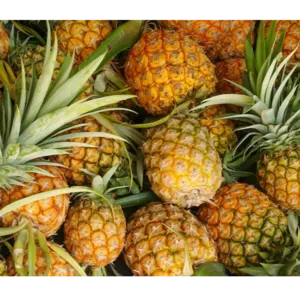
PINE APPLE
🚢 Voyage
PINE APPLE
Contact
MOQ: 1 Unit
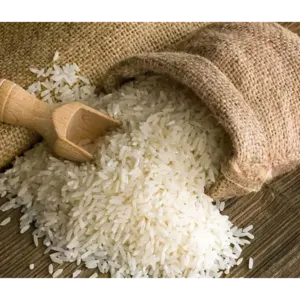
RICE
🚢 Voyage
RICE
Contact
MOQ: 1 Unit
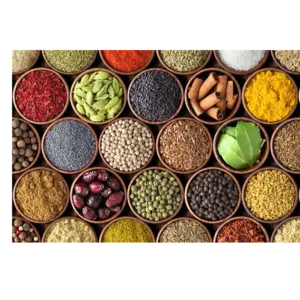
SPICE
🚢 Voyage
SPICE
Contact
MOQ: 1 Unit
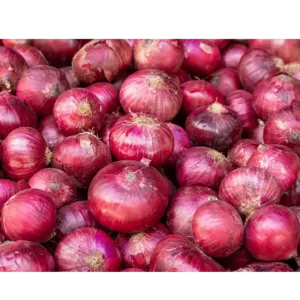
ONION
🚢 Voyage
ONION
Contact
MOQ: 1 Unit

About Sufi Exim Company - Agriculture Seeds Supplier in India

India, Nagpur, Maharashtra - Sufi Exim Company lists eight active agro‑product entries in its catalogue. The catalogue covers onion (HS 0712.20, dehydrated Allium cepa), spice seeds such as cumin, coriander and fenugreek (HS 0909.21), broken rice (HS 1006.40, Oryza sativa), fresh pineapple (HS 2008.20, Ananas comosus), dried fish (HS 0305.59, marine catch without preservatives), fresh orange (HS 0805.10, Citrus sinensis), jaggery (HS 1701.14, unrefined cane sugar) and whole dried lentils (HS 0713.40, Lens culinaris). The eight products span the HS‑code families 0712, 0909, 1006, 2008, 0305, 0805, 1701 and 0713. Sufi Exim’s top‑level categories include Agriculture Seeds, Pepper, Agriculture Threshers, Agriculture Sheller, Agriculture Harvesters, Fresh Onion, Agricultural Chemicals and Mushrooms. The listed items reflect the company’s focus on primary agricultural commodities and processed foodstuffs.

The supplier’s catalogue presents both fresh and processed forms: fresh pineapple and orange are supplied as whole fruit, onion is offered in a dehydrated form, and rice appears as broken grains. The spice entry aggregates several seed varieties under a single HS code, while the fish item is a dried marine product free of chemical preservatives. Jaggery is described as pure sugarcane juice and unrefined cane sugar, and the lentil entry refers to whole dried beans. Each product is identified by its internationally recognised HS code, enabling buyers to locate the items in customs documentation and trade databases.

Product Range and Specialties of Sufi Exim Company

The eight catalogue items correspond to well‑defined commodity grades. Dehydrated onion (HS 0712.20) is commonly graded by moisture content (usually ≤10 %) and particle size, with ISO 22000 food safety certification frequently required. Spice seeds under HS 0909.21 are typically sold in ISO‑graded batches such as “Grade A” for cumin and coriander, with pesticide residue limits set by Codex Alimentarius. Broken rice (HS 1006.40) is measured in 25 kg or 1‑ton sacks, with standard broken‑grain percentage of 10‑15 % and moisture ≤14 %. Fresh pineapple (HS 2008.20) is exported in 20‑ft containers, packed in ventilated boxes, and graded by size (e.g., 8 - 10 kg per fruit) and Brix sugar content. Dried fish (HS 0305.59) is often classified by species, drying method and moisture ≤12 %, and may require HACCP documentation. Fresh orange (HS 0805.10) follows size classes (e.g., 150 - 200 g) and acidity standards (pH 3.0 - 4.0). Jaggery (HS 1701.14) is evaluated by purity (typically ≥90 % sucrose) and moisture (≤8 %). Whole dried lentils (HS 0713.40) are sorted by size (e.g., 4 - 6 mm) and moisture ≤12 %. These industry benchmarks help buyers compare the supplier’s offerings with market norms.

Trade and Export Information - Sufi Exim Company

India ranks among the top exporters of the listed commodities, with the HS‑code families 07, 08, 09, 10, 17 and 30 regularly shipped to the Middle East, European Union, United States and Southeast Asian markets. Buyers of dehydrated onion, broken rice and dried fish usually request phytosanitary certificates, Certificate of Origin and compliance with the importing country’s pesticide residue limits. Common certifications for Indian agro‑exports include FSSAI registration, ISO 9001 quality management and, where applicable, organic certification under India’s NPOP scheme. Shipping is typically arranged on FOB Nagpur or CIF major ports such as Mumbai, with goods packed in 20‑ft or 40‑ft containers, wooden pallets for fresh fruit and moisture‑resistant liners for dried products. Importers often verify that the HS codes match the product description to avoid customs delays, and they may require pre‑shipment inspection reports issued by accredited Indian labs.

Sourcing from Sufi Exim Company - Buyer Guidance

When sourcing from Sufi Exim, buyers should request a recent phytosanitary certificate and a laboratory analysis report covering moisture, pesticide residues and, for fish, microbiological safety. For spice seeds, a specification sheet stating seed purity, moisture content and any organic certification is standard practice. Fresh fruit shipments (pineapple, orange) benefit from a pre‑shipment temperature log and a post‑harvest handling report to ensure optimal ripeness on arrival. Jaggery and lentils should be accompanied by a moisture test and a sucrose purity assay; buyers may also ask for a Certificate of Analysis confirming compliance with Codex standards. Verifying that the HS code on the commercial invoice matches the product description helps streamline customs clearance and reduces the risk of re‑classification.

Frequently Asked Questions About Sufi Exim Company

What HS codes does Sufi Exim use for its products?

The catalogue lists HS 0712.20 for dehydrated onion, 0909.21 for spice seeds, 1006.40 for broken rice, 2008.20 for fresh pineapple, 0305.59 for dried fish, 0805.10 for fresh orange, 1701.14 for jaggery and 0713.40 for whole dried lentils.

Which certifications should I request for the spice seed shipment?

Buyers typically ask for an ISO 22000 or HACCP food safety certificate, a recent laboratory report on pesticide residues, and, if required, an organic certification document under India’s NPOP scheme.

How is fresh pineapple normally packed for export?

Fresh pineapple is usually packed in ventilated wooden crates or reinforced cardboard boxes, with each box containing 20 - 30 fruits, and then loaded into a 20‑ft or 40‑ft container with temperature control set between 12 °C and 15 °C.

What quality parameters are important for dried fish?

Key parameters include moisture content not exceeding 12 %, absence of added preservatives, compliance with HACCP standards, and a microbiological test confirming total plate count within Codex limits.

What documents are needed for importing broken rice?

Importers should obtain a phytosanitary certificate, Certificate of Origin, a laboratory analysis confirming moisture ≤14 % and broken‑grain percentage, and a copy of the supplier’s FSSAI registration.

Are there standard container sizes for the jaggery shipment?

Jaggery is commonly shipped in 20‑ft containers using moisture‑resistant liners, with each container holding approximately 18 metric tons of packed blocks or granules.

What is the typical lead time for a sample of lentils?

Suppliers usually dispatch a 5 kg sample of whole dried lentils within 5‑7 business days after receiving a written request, accompanied by a Certificate of Analysis.

Which markets import Indian fresh oranges most frequently?

The European Union, the United Arab Emirates and Saudi Arabia are among the largest importers of Indian fresh oranges, often requiring compliance with EU pesticide residue limits and GCC halal certification.

About Sufi Exim Company - Agriculture Seeds Supplier in India

India, Nagpur, Maharashtra - Sufi Exim Company lists eight active agro‑product entries in its catalogue. The catalogue covers onion (HS 0712.20, dehydrated Allium cepa), spice seeds such as cumin, coriander and fenugreek (HS 0909.21), broken rice (HS 1006.40, Oryza sativa), fresh pineapple (HS 2008.20, Ananas comosus), dried fish (HS 0305.59, marine catch without preservatives), fresh orange (HS 0805.10, Citrus sinensis), jaggery (HS 1701.14, unrefined cane sugar) and whole dried lentils (HS 0713.40, Lens culinaris). The eight products span the HS‑code families 0712, 0909, 1006, 2008, 0305, 0805, 1701 and 0713. Sufi Exim’s top‑level categories include Agriculture Seeds, Pepper, Agriculture Threshers, Agriculture Sheller, Agriculture Harvesters, Fresh Onion, Agricultural Chemicals and Mushrooms. The listed items reflect the company’s focus on primary agricultural commodities and processed foodstuffs.

The supplier’s catalogue presents both fresh and processed forms: fresh pineapple and orange are supplied as whole fruit, onion is offered in a dehydrated form, and rice appears as broken grains. The spice entry aggregates several seed varieties under a single HS code, while the fish item is a dried marine product free of chemical preservatives. Jaggery is described as pure sugarcane juice and unrefined cane sugar, and the lentil entry refers to whole dried beans. Each product is identified by its internationally recognised HS code, enabling buyers to locate the items in customs documentation and trade databases.

Product Range and Specialties of Sufi Exim Company

The eight catalogue items correspond to well‑defined commodity grades. Dehydrated onion (HS 0712.20) is commonly graded by moisture content (usually ≤10 %) and particle size, with ISO 22000 food safety certification frequently required. Spice seeds under HS 0909.21 are typically sold in ISO‑graded batches such as “Grade A” for cumin and coriander, with pesticide residue limits set by Codex Alimentarius. Broken rice (HS 1006.40) is measured in 25 kg or 1‑ton sacks, with standard broken‑grain percentage of 10‑15 % and moisture ≤14 %. Fresh pineapple (HS 2008.20) is exported in 20‑ft containers, packed in ventilated boxes, and graded by size (e.g., 8 - 10 kg per fruit) and Brix sugar content. Dried fish (HS 0305.59) is often classified by species, drying method and moisture ≤12 %, and may require HACCP documentation. Fresh orange (HS 0805.10) follows size classes (e.g., 150 - 200 g) and acidity standards (pH 3.0 - 4.0). Jaggery (HS 1701.14) is evaluated by purity (typically ≥90 % sucrose) and moisture (≤8 %). Whole dried lentils (HS 0713.40) are sorted by size (e.g., 4 - 6 mm) and moisture ≤12 %. These industry benchmarks help buyers compare the supplier’s offerings with market norms.

Trade and Export Information - Sufi Exim Company

India ranks among the top exporters of the listed commodities, with the HS‑code families 07, 08, 09, 10, 17 and 30 regularly shipped to the Middle East, European Union, United States and Southeast Asian markets. Buyers of dehydrated onion, broken rice and dried fish usually request phytosanitary certificates, Certificate of Origin and compliance with the importing country’s pesticide residue limits. Common certifications for Indian agro‑exports include FSSAI registration, ISO 9001 quality management and, where applicable, organic certification under India’s NPOP scheme. Shipping is typically arranged on FOB Nagpur or CIF major ports such as Mumbai, with goods packed in 20‑ft or 40‑ft containers, wooden pallets for fresh fruit and moisture‑resistant liners for dried products. Importers often verify that the HS codes match the product description to avoid customs delays, and they may require pre‑shipment inspection reports issued by accredited Indian labs.

Sourcing from Sufi Exim Company - Buyer Guidance

When sourcing from Sufi Exim, buyers should request a recent phytosanitary certificate and a laboratory analysis report covering moisture, pesticide residues and, for fish, microbiological safety. For spice seeds, a specification sheet stating seed purity, moisture content and any organic certification is standard practice. Fresh fruit shipments (pineapple, orange) benefit from a pre‑shipment temperature log and a post‑harvest handling report to ensure optimal ripeness on arrival. Jaggery and lentils should be accompanied by a moisture test and a sucrose purity assay; buyers may also ask for a Certificate of Analysis confirming compliance with Codex standards. Verifying that the HS code on the commercial invoice matches the product description helps streamline customs clearance and reduces the risk of re‑classification.

Frequently Asked Questions About Sufi Exim Company
What HS codes does Sufi Exim use for its products?
The catalogue lists HS 0712.20 for dehydrated onion, 0909.21 for spice seeds, 1006.40 for broken rice, 2008.20 for fresh pineapple, 0305.59 for dried fish, 0805.10 for fresh orange, 1701.14 for jaggery and 0713.40 for whole dried lentils.
Which certifications should I request for the spice seed shipment?
Buyers typically ask for an ISO 22000 or HACCP food safety certificate, a recent laboratory report on pesticide residues, and, if required, an organic certification document under India’s NPOP scheme.
How is fresh pineapple normally packed for export?
Fresh pineapple is usually packed in ventilated wooden crates or reinforced cardboard boxes, with each box containing 20 - 30 fruits, and then loaded into a 20‑ft or 40‑ft container with temperature control set between 12 °C and 15 °C.
What quality parameters are important for dried fish?
Key parameters include moisture content not exceeding 12 %, absence of added preservatives, compliance with HACCP standards, and a microbiological test confirming total plate count within Codex limits.
What documents are needed for importing broken rice?
Importers should obtain a phytosanitary certificate, Certificate of Origin, a laboratory analysis confirming moisture ≤14 % and broken‑grain percentage, and a copy of the supplier’s FSSAI registration.
Are there standard container sizes for the jaggery shipment?
Jaggery is commonly shipped in 20‑ft containers using moisture‑resistant liners, with each container holding approximately 18 metric tons of packed blocks or granules.
What is the typical lead time for a sample of lentils?
Suppliers usually dispatch a 5 kg sample of whole dried lentils within 5‑7 business days after receiving a written request, accompanied by a Certificate of Analysis.
Which markets import Indian fresh oranges most frequently?
The European Union, the United Arab Emirates and Saudi Arabia are among the largest importers of Indian fresh oranges, often requiring compliance with EU pesticide residue limits and GCC halal certification.

🏭
Sufi Exim Company
Country flag Nagpur, India
🚢 Voyage
63/100
Trust Score
📦
8
Products
Free to contact — no commission
Escrow payment available
Verified business identity
Compare more suppliers
Post a requirement — get 10 quotes free
Let verified suppliers compete for your business. Free, fast, no commitment.
EximNext Verified Supplier
Business identity verified
Physical address confirmed
Financial history checked
Certifications authenticated
Trade references validated
Due Diligence
Verify this supplier's real shipping history.
Every shipment, every buyer, every port. Trade data that can't be faked.
Run due diligence →
Discover More

Related Suppliers & Products

Explore similar suppliers, related products and trending categories

Featured Products from Sufi Exim Company

Other Suppliers in Agriculture Threshers

Top Trusted Suppliers

Related Products in Agriculture Threshers

Trending in Parent Category

More Suppliers in Parent Category

Stay ahead in global trade
Weekly market insights & new supplier alerts.
EximNext
Exim Next is a leading global B2B marketplace, connecting over 205,000 verified suppliers and buyers across 200+ countries. As a trusted import export marketplace, it serves as the essential B2B portal for businesses worldwide, empowering them to expand their international reach. With Exim Next, businesses can trade smarter and grow faster.
SECURE PAYMENTS
VISAMastercardPayPalSWIFTL/CEscrow
Follow us
© 2026 EximNext