VVR FAARMS — Verified Supplier
About VVR FAARMS - Mango Supplier in India
India, specifically Bangalore Urban District in Karnataka, hosts VVR FAARMS, which currently lists eight active products in its catalogue. The supplier’s portfolio covers four mango varieties - Totapuri, Alphonso, Benisha/Bagenpally, Neelam, and Malgoba - as well as a generic mango entry, fresh ginger, and poultry products. Each mango entry falls under the horticultural fruit segment, commonly classified under HS chapter 08 for fresh fruit. Fresh ginger is categorized under HS chapter 09 for spices, while poultry is listed under HS chapter 02 for meat. The catalogue reflects a focus on fresh produce intended for international markets.
Product Range and Specialties of VVR FAARMS
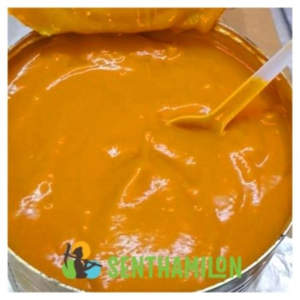
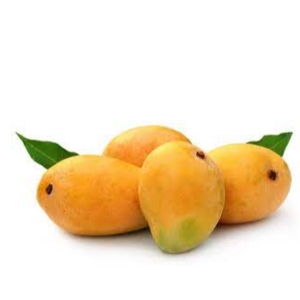
VVR FAARMS lists Totapuri, Alphonso, Benisha/Bagenpally, Neelam, Malgoba mangoes and a generic mango entry. In the global mango trade, exporters usually grade fruit by size (e.g., 350‑500 g for medium), skin condition, Brix level (typically 12‑15 % for Indian mangoes), and absence of fungal blemishes. The standard HS code for fresh mangoes is 080450, and buyers often require phytosanitary certificates and compliance with GlobalGAP or FSSAI standards.
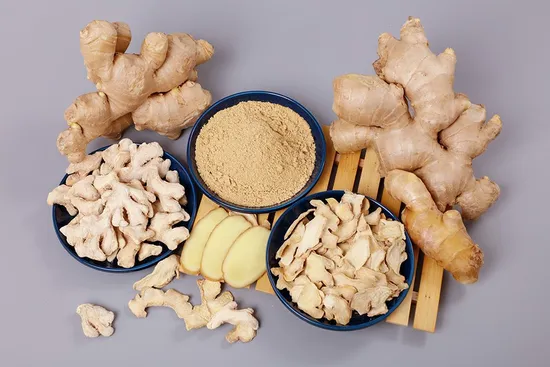
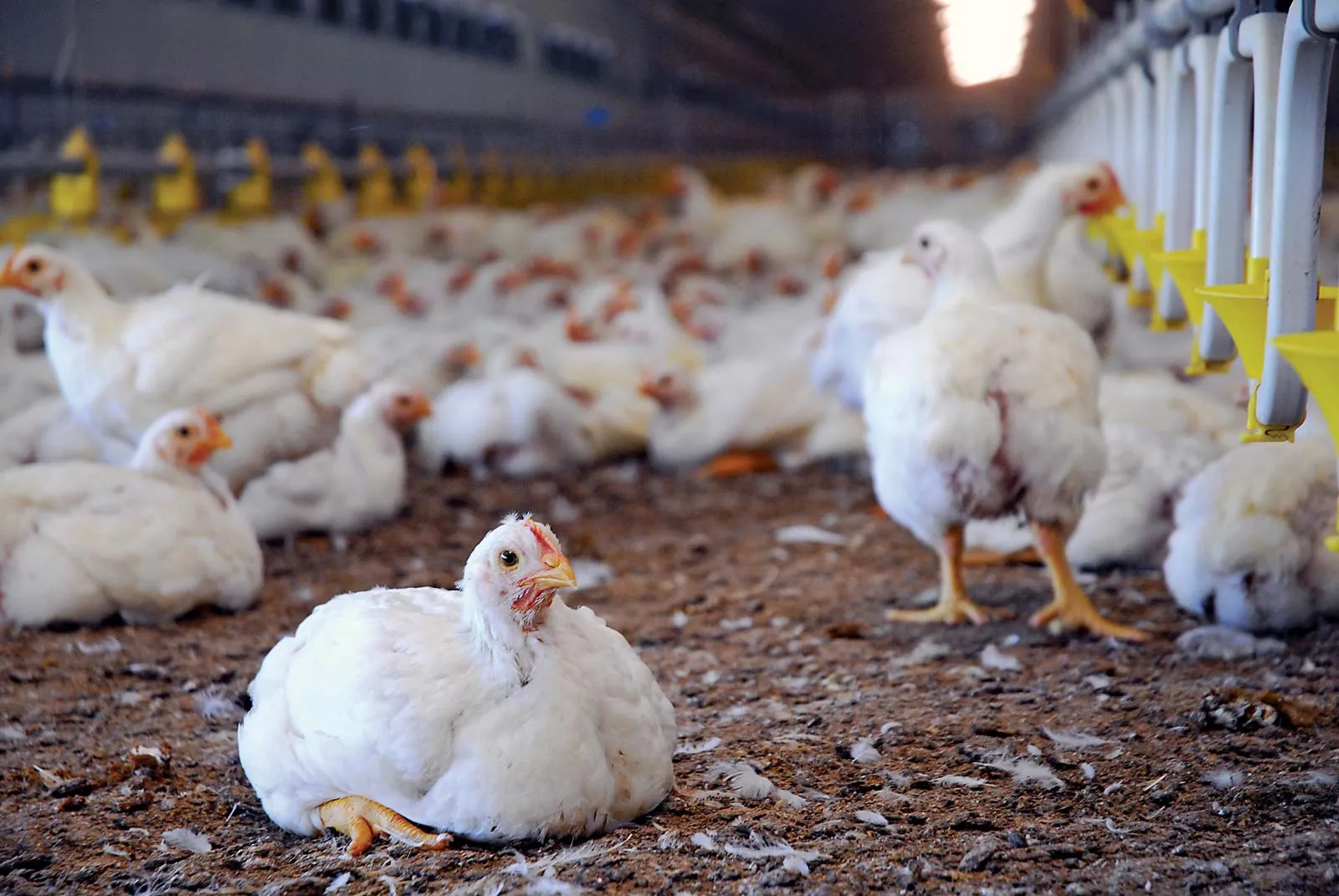
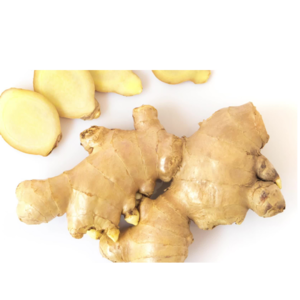
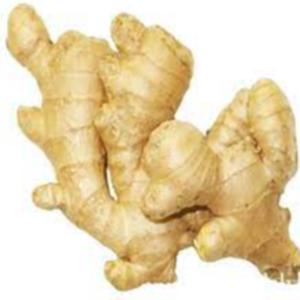
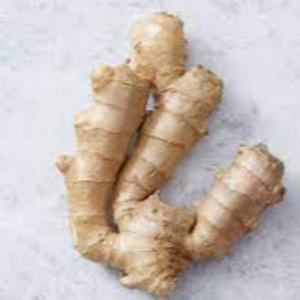
The ginger product aligns with HS code 0910 and is commonly sold in bulk bags of 25 kg or 50 kg, with moisture content below 12 % and total ash not exceeding 7 %. Poultry, classified under HS 020712 (broiler chickens, frozen), is typically supplied in 20 ft containers with insulated packaging, and buyers look for ISO 22000 or HACCP audit reports. These industry benchmarks help buyers compare VVR FAARMS’ offerings with other Indian exporters.
Trade and Export Information - VVR FAARMS
India is a major exporter of mangoes, ginger and poultry, supplying markets in the Middle East, Europe, and North America. Export shipments of fresh mangoes (HS 080450) are usually packed in ventilated cardboard boxes of 10‑12 kg each, loaded on 20 ft or 40 ft containers, and transported under refrigerated conditions (CFR or CIF terms). Ginger (HS 0910) is exported in woven polypropylene bags, often requiring a fumigation certificate, while poultry (HS 0207) is shipped frozen in insulated pallets with dry ice.
Importing countries typically request a phytosanitary certificate, a certificate of origin, and compliance with the importing nation’s pesticide residue limits (e.g., EU maximum residue levels). Certifications such as GlobalGAP, FSSAI export license, and ISO 22000 are commonly demanded for fresh produce from India. Logistics for these commodities often involve pre‑cooling at the farm, cold‑chain handling, and documentation through the Indian Export Promotion Council for Agricultural Products.
Sourcing from VVR FAARMS - Buyer Guidance
When sourcing mangoes from VVR FAARMS, buyers should request size‑grade sheets, Brix measurements, and a recent phytosanitary certificate confirming freedom from pests. Samples of each mango variety can be evaluated for firmness and skin uniformity before confirming larger orders. Verification of GlobalGAP or FSSAI export registration adds confidence in compliance with food safety standards.
For ginger, buyers need to confirm moisture content below 12 %, total ash limits, and a pesticide residue test report. Poultry orders should be accompanied by HACCP or ISO 22000 audit reports, a cold‑chain integrity statement, and a health certificate issued by the Indian authorities. Requesting a detailed packing list, container loading plan, and insurance coverage helps mitigate risks in transit.
Frequently Asked Questions About VVR FAARMS
What mango varieties does VVR FAARMS export?
The catalogue lists Totapuri, Alphonso, Benisha/Bagenpally, Neelam, Malgoba and a generic mango entry, all classified under HS code 080450. All varieties are exported as fresh fruit and are subject to the standard HS 080450 classification.
Which HS codes apply to the products offered by VVR FAARMS?
Mangoes fall under HS 080450, fresh ginger under HS 0910, and poultry under HS 020712 (frozen broiler chickens). These codes determine tariff treatment and required customs documentation.
What quality specifications are typical for Indian mango exports?
Buyers usually require fruit weight between 350‑500 g, Brix levels of 12‑15 %, no visible blemishes, and compliance with GlobalGAP or FSSAI standards. The produce must also meet the importing country's pesticide residue limits.
How is fresh ginger packaged for export?
Ginger is commonly packed in 25 kg or 50 kg woven polypropylene bags, with moisture content under 12 % and accompanied by a phytosanitary certificate. The bags are sealed and labeled with net weight and batch number for traceability.
What documentation should a buyer request for poultry shipments?
A health certificate, HACCP or ISO 22000 audit report, cold‑chain temperature log, and a certificate of origin are standard documents. The health certificate confirms compliance with the destination country's animal health regulations.
Which markets commonly import Indian mangoes and ginger?
The Middle East, European Union, and United States are the primary destinations for Indian mango and ginger shipments. These regions value the sweet flavor profile of Indian mangoes and the pungent aroma of Indian ginger.
What are the typical container and shipping terms for these products?
Mangoes are loaded in ventilated cartons within 20 ft or 40 ft refrigerated containers, ginger in standard dry containers, and poultry in insulated pallets with frozen containers; Incoterms such as CFR or CIF are frequently used. Buyers can negotiate terms such as CIF, FOB, or DAP depending on their logistics preferences.




 Bangalore Urban District, India


.jpg.png)