Agriculture›
 Apparel and fashion accessories›
 Construction & real estate›💡Electronic & Electrical›🍎Food & Beverages›🛋️Home furnishing & supplies›⚗️Industrial goods & chemical›🪨Minerals & metals›📦Miscellaneous›Agriculture›Apparel and fashion accessories›Construction & real estate›💡Electronic & Electrical›🍎Food & Beverages›🛋️Home furnishing & supplies›⚗️Industrial goods & chemical›🪨Minerals & metals›📦Miscellaneous›
VINAYAK INTERNATIONAL Product Catalog



About VINAYAK INTERNATIONAL - Herbal Products Supplier in India
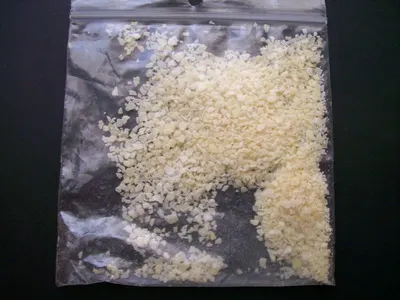
India, Vadodara in the state of Gujarat, is the base for VINAYAK INTERNATIONAL. The company lists 25 active products across its catalogue, split between herbal formulations and a single vegetable product. The herbal portfolio includes tablets such as Sarivadi Vati, Vishtanduk Vati, Shatavari Tablet and Trikatu Tablet, as well as Gugul‑based powders like Amrutadi Gugul and Lakshadi Gugul. The only non‑herbal item is Dehydrated Onion, presented together with garlic granules and related processed forms. All items are recorded under the supplier tier “imported” and are positioned for international trade.
India‑based VINAYAK INTERNATIONAL presents its catalogue without reference to specific certifications or revenue figures. The product list reflects typical Ayurvedic preparations (Vati, Tablet, Ghanvati) and a processed onion commodity, each assigned an HS‑code family in the source data (e.g., HS Chapter 30 for medicinal preparations and HS Chapter 07 for dehydrated vegetables). The supplier’s stated focus is on delivering these 25 items to overseas buyers, with no additional services mentioned in the provided facts.
Product Range and Specialties of VINAYAK INTERNATIONAL
The catalogue groups the majority of items under the herbal products category. Ayurvedic tablets such as Kankayan Vati, Rajpravartani Vati and Sanjivani Vati are generally standardised to contain defined percentages of active plant extracts, often referenced against the Ayurvedic Pharmacopoeia of India. Typical quality parameters include moisture < 10 %, ash < 5 % and microbial limits that meet WHO guidelines. The Dehydrated Onion product falls into the vegetable‑processing segment; industry standards call for moisture ≤ 8 %, particle size between 2 mm and 5 mm, and a colour index that matches ICUMSA 45 for comparable dried vegetables.
In the broader market, herbal tablets are frequently produced under Good Manufacturing Practice (GMP) and may be labelled with ISO 9001 or ISO 22000 where food‑grade processes are used. Dehydrated onions are often shipped in 20 ft or 40 ft containers, packed in food‑grade polyethylene bags or bulk boxes, and may carry the HACCP mark when the processor follows recognised safety systems.
Frequently Asked Questions About VINAYAK INTERNATIONAL
What types of herbal products does VINAYAK INTERNATIONAL offer?
The supplier lists Ayurvedic tablets and powders such as Sarivadi Vati, Shatavari Tablet, various Gugul formulations and other plant‑based Vati products, all falling under HS Chapter 30 for medicinal preparations.
Is Dehydrated Onion the only vegetable product in the catalogue?
Yes, Dehydrated Onion is the sole non‑herbal item, listed alongside processed garlic forms, and is classified under HS Chapter 07 for dried vegetables.
Which certifications should a buyer request for the herbal tablets?
Buyers typically request a GMP certificate, the supplier’s FSSAI licence and a laboratory analysis report that confirms active ingredient levels, moisture % and microbial limits.
What quality parameters are common for dehydrated onions?
Industry standards call for moisture ≤ 8 %, particle size 2‑5 mm, low ash content and compliance with pesticide residue limits set by the destination country.
What are the usual packaging formats for these products?
Herbal tablets are commonly packed in PET bottles or blister trays, while dehydrated onions are shipped in food‑grade polyethylene bags or bulk cartons suitable for container loading.
 Vadodara, India
Related Suppliers & Products
Explore similar suppliers, related products and trending categories