Vinamex Export Import Corporation — Verified Supplier
About Vinamex Export Import Corporation - Food Raw Material Supplier in Viet Nam
Vietnam hosts Vinamex Export Import Corporation, which currently lists ten distinct food raw‑material items in its catalogue. The product set covers several spice varieties - stick cassia, broken cassia, square cassia and star anise - two pepper types (black white pepper and black pepper), coffee beans, a blend of black and green tea, and two groundnut kernel specifications. Each entry is recorded under the supplier’s “Food Raw Material” top category, reflecting a focus on bulk agricultural commodities suitable for processing and further value‑addition. The catalogue does not disclose HS codes, but the items fall within the standard HS chapters for spices, coffee, tea and nuts used in international trade.
The supplier’s listing emphasizes raw forms rather than processed blends, indicating that buyers receive the commodities in bulk condition ready for grinding, roasting or packaging. No additional services such as private labeling or blending are mentioned, and the catalogue does not provide details on packaging dimensions or shipment volumes.
Product Range and Specialties of Vinamex Export Import Corporation
Vinamex’s catalogue includes stick cassia, broken cassia and square cassia, which are typical forms of Cinnamomum cassia used in the food industry. In global trade, stick cassia is usually graded A or B with moisture below 12 % and volatile oil content above 1 %. Broken cassia and square cassia are often sold in 25 kg bags for easier handling in spice manufacturing.
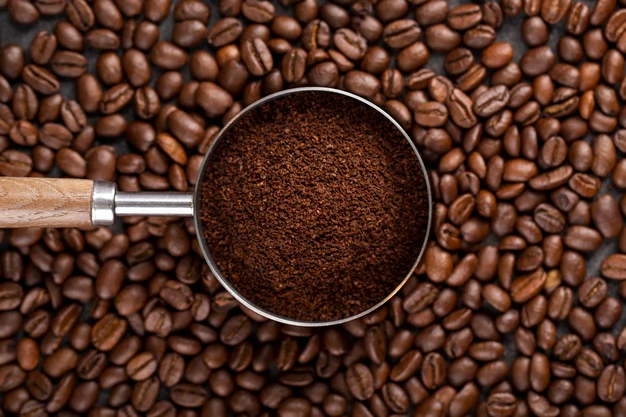
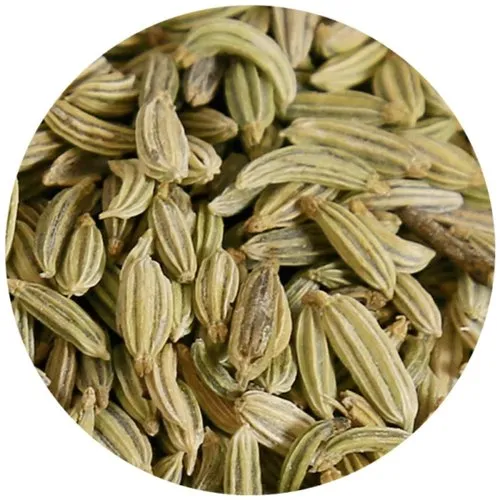
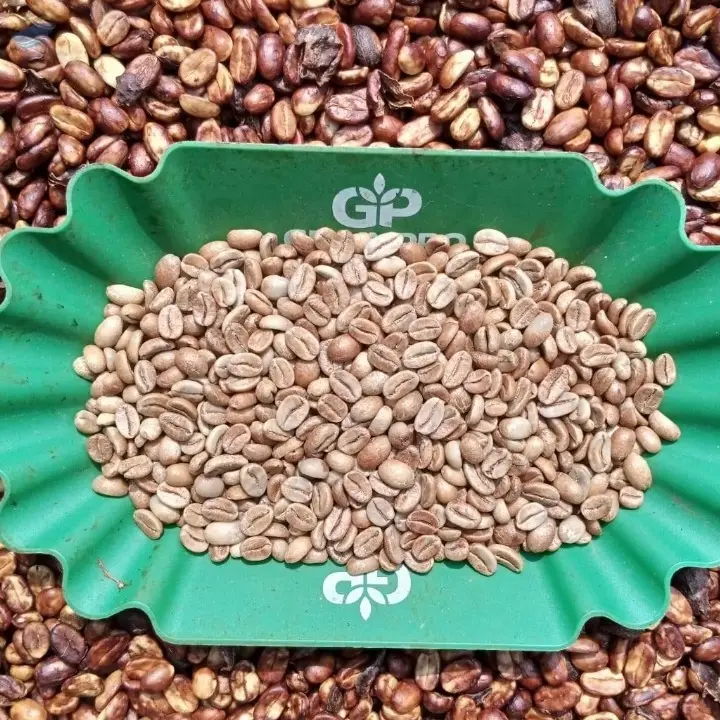
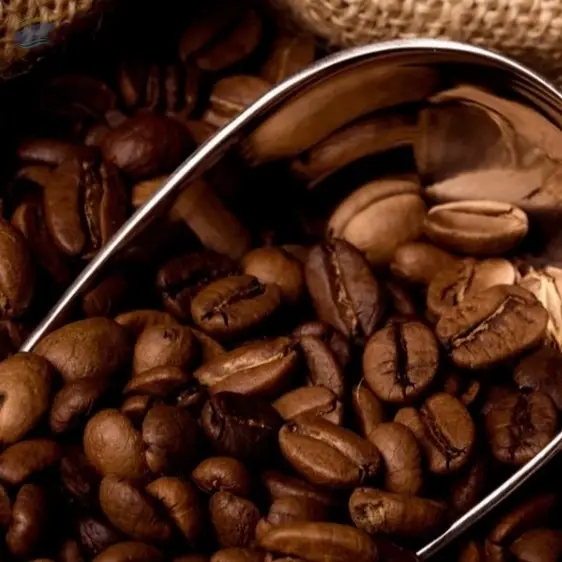
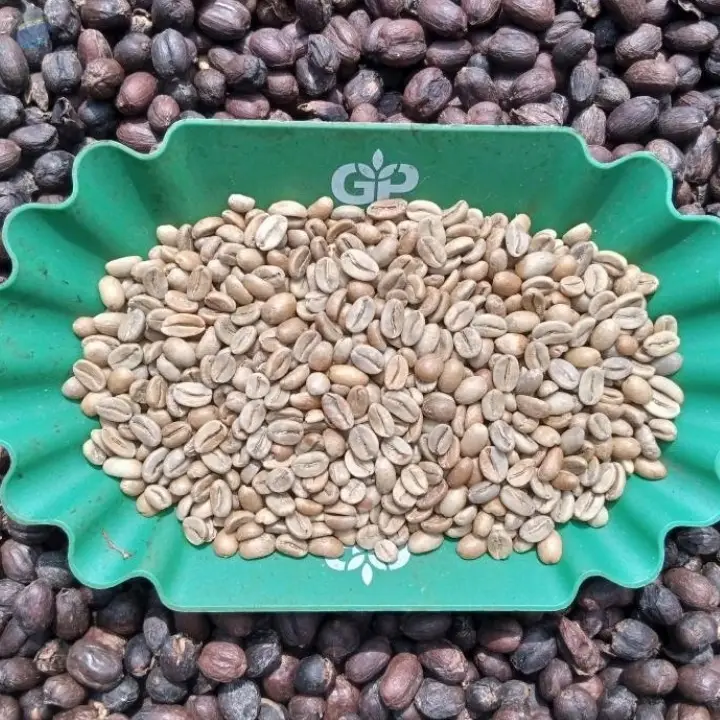
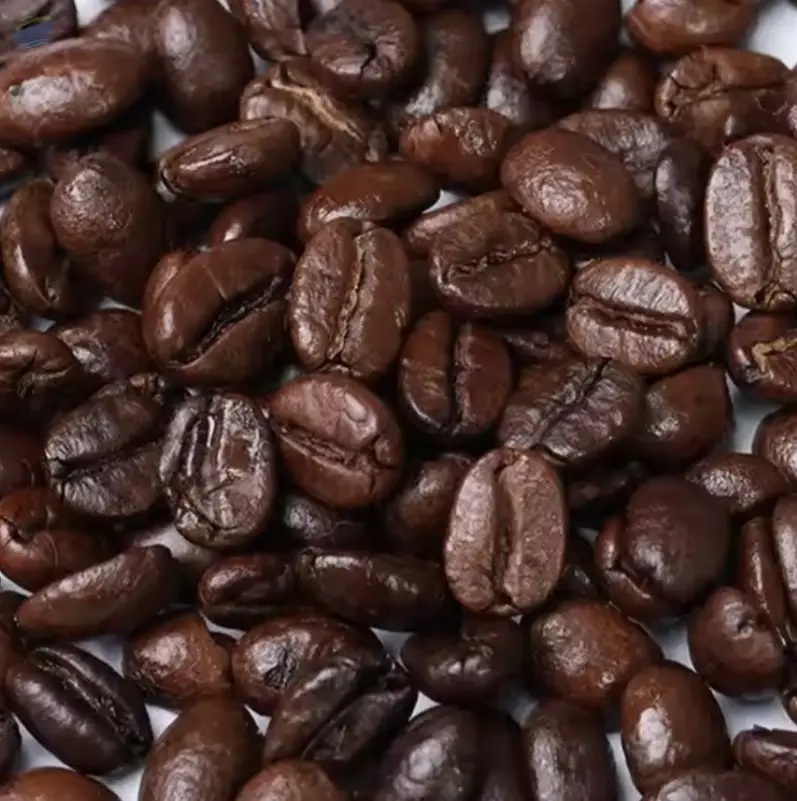
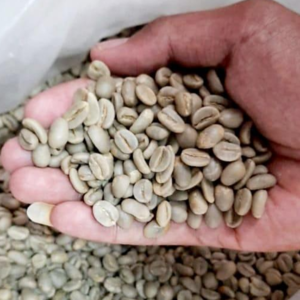
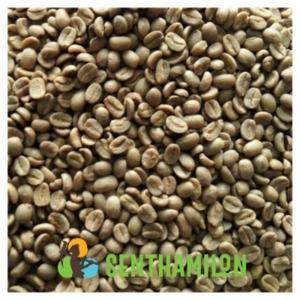
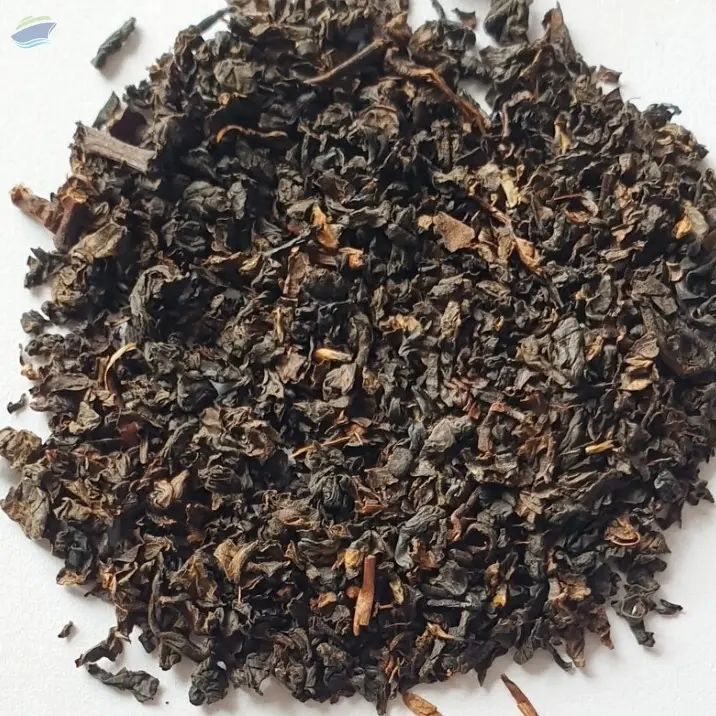
Star anise is supplied as whole seeds (“star aniseeds”) and is commonly graded I or II, with essential oil content of 4 - 6 % and moisture under 10 %. Black and white pepper varieties are generally classified by size (6 - 10 mm for premium grades) and moisture below 13 %. Vietnamese coffee beans are typically Arabica, graded AA or A, with screen size 15/16 and moisture ≤12 %. Black and green tea are offered as bulk leaf material, with grades ranging from broken leaf to whole leaf, moisture ≤5 % and ash content under 5 %. Groundnut kernels listed at 220 - 240 g per 100 g indicate a high‑oil, shelled product that meets common export specifications for roasted or raw nuts.
Trade and Export Information - Vinamex Export Import Corporation
Vietnam is a major exporter of spices, coffee and tea, supplying the European Union, North America and East Asia. Export shipments are frequently packed in 20‑ or 40‑ft containers, using 25 kg polypropylene bags for spices and coffee, and bulk cartons for tea leaves. Buyers typically require HACCP or ISO 22000 food‑safety systems, and many importers request third‑party laboratory analysis for pesticide residues, aflatoxins (especially for nuts) and moisture content.
Certificates such as phytosanitary certificates, origin declarations and, where applicable, organic or fair‑trade certifications are standard for Vietnamese raw food commodities. Customs authorities in destination markets often reference the relevant HS chapters (e.g., Chapter 09 for coffee, tea and spices; Chapter 08 for nuts) and enforce limits on contaminants. Logistics norms include container loading plans that respect weight limits (≈22 t per 20‑ft container) and temperature‑controlled conditions for coffee and tea to preserve aroma and freshness.
Sourcing from Vinamex Export Import Corporation - Buyer Guidance
When sourcing from Vinamex, buyers should request a current Certificate of Analysis that includes moisture, ash, volatile oil (for cassia and star anise) and pesticide residue levels. For coffee and tea, a cupping report or tea‑grade certificate helps verify organoleptic quality, while pepper buyers often ask for a size‑distribution chart and essential oil assay.
Samples are typically supplied in 1 kg sealed bags for spices, 5 kg bags for coffee and 2 kg cartons for tea, allowing laboratory verification before bulk purchase. Verify that the supplier can provide phytosanitary certificates and, if required by the destination market, a compliance statement with the EU’s maximum residue limits (MRLs) or US FDA food‑safety requirements. Confirm packaging details (bag material, container loading plan) and preferred Incoterms such as CIF or FOB to align with logistics planning.
Frequently Asked Questions About Vinamex Export Import Corporation
What grades are available for the cassia products listed by Vinamex?
The catalogue lists stick, broken and square cassia, which are generally offered in Grade A (stick) or Grade B (broken, square) with moisture below 12 % and volatile oil content above 1 %.
Does Vinamex provide certification for its pepper products?
The supplier’s facts do not list specific certifications. Buyers should request HACCP or ISO 22000 compliance documents, as well as a pesticide‑residue analysis, which are standard for pepper exports from Vietnam.
What is the typical packaging size for the coffee beans?
Vietnamese coffee beans are usually packed in 25 kg polypropylene bags, which fit standard 20‑ft containers at a total weight of about 22 t per container.
Are samples available for the tea blend?
Yes, the supplier can provide small‑quantity samples, typically 2 kg sealed cartons, to allow testing of leaf grade, moisture (≤5 %) and any required organoleptic evaluation.
What documentation is needed for importing the groundnut kernels?
Importers normally require a phytosanitary certificate, a Certificate of Analysis showing aflatoxin levels below the destination limit, and an origin declaration for Vietnamese nuts.
What are the usual lead times for a full container order?
Lead times for bulk spice, coffee or tea shipments from Vietnam generally range from 30 to 45 days, depending on production scheduling and container availability.
Which Incoterms does Vinamex typically use?
The supplier works with standard trade terms such as FOB Ho Chi Minh City or CIF to major ports, allowing buyers to select the most suitable logistics arrangement.
Is there a minimum order quantity for the star anise?
Star anise is commonly sold in multiples of 20 kg bags, with a typical minimum order of one full container (≈800 kg) for bulk buyers.




 , Viet Nam