Varintorn Chaikiattiyos — Verified Supplier
About Varintorn Chaikiattiyos - Rice Supplier in Thailand
Thailand hosts the supplier Varintorn Chaikiattiyos, which currently lists six distinct rice products in its catalogue. The active product count of six reflects a focused portfolio that includes both parboiled and long‑grain varieties, with specifications such as broken percentage and sortex grading. The catalogue entries are limited to rice types, and no other commodity categories are mentioned. All products fall under the broader HS chapter 10 for cereals, specifically the sub‑heading 1006 for milled rice, which is the standard customs classification for these goods.
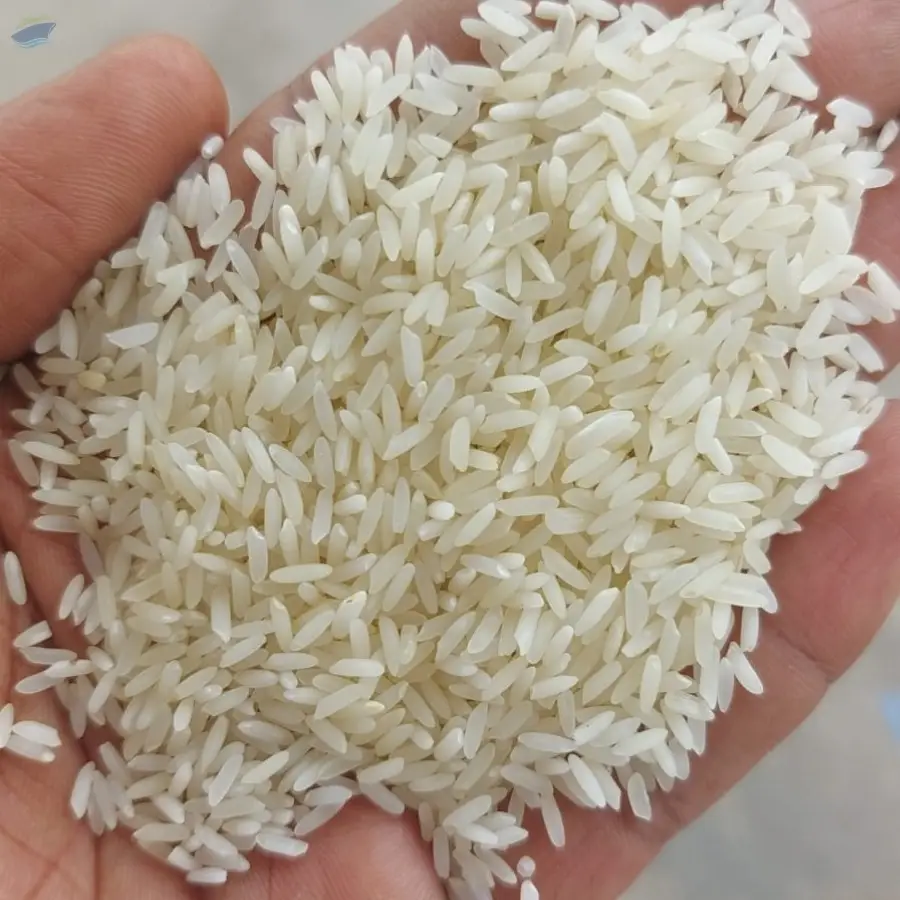
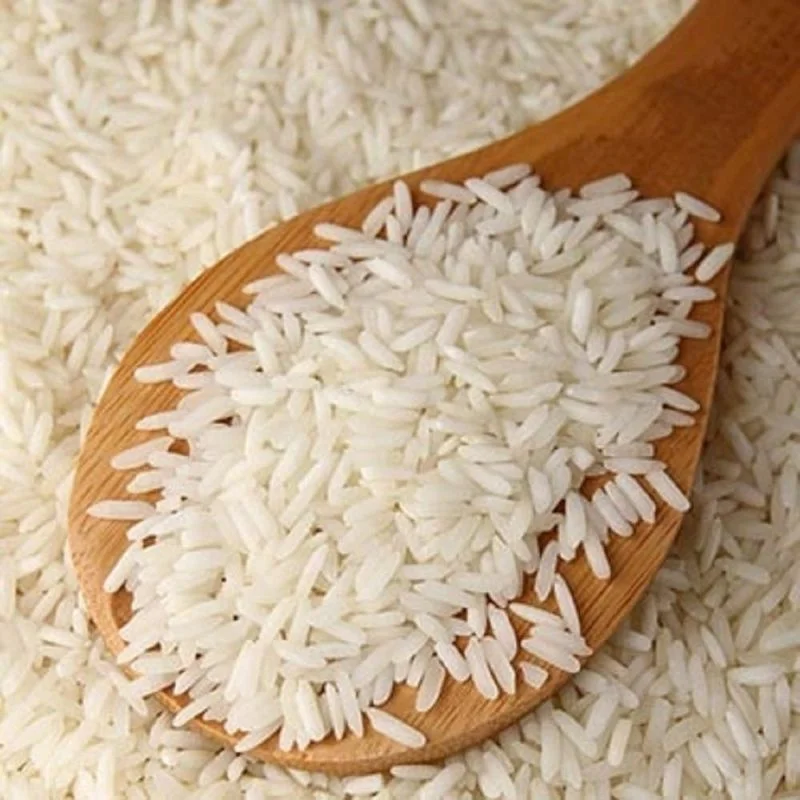
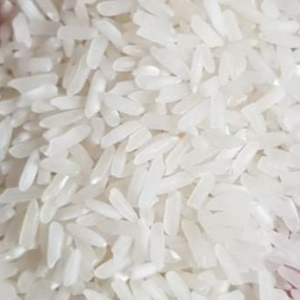
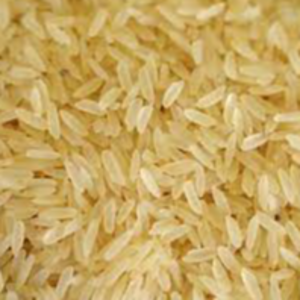
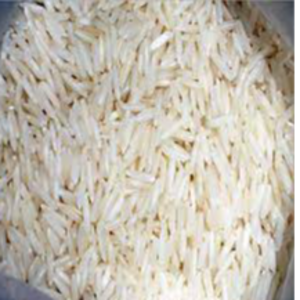
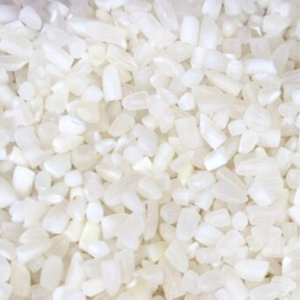
The six items comprise Thai parboiled rice with 10 % broken and sortexed, Thai parboiled rice 100 % sortexed, Thai parboiled rice with 5 % broken, Thai long‑grain jasmine rice, Thai white rice 25 % broken sortexed, and Thai long‑grain white rice. Each entry specifies a processing or quality attribute that is commonly used by exporters to differentiate grades, such as the broken‑grain percentage or the use of optical sorters (sortex). No additional details such as packaging size or certifications are supplied in the source data.
Product Range and Specialties of Varintorn Chaikiattiyos
The catalogue covers two main processing categories: parboiled rice and raw long‑grain white rice. Parboiled rice is offered in three broken‑grain tiers - 5 %, 10 % broken and a fully sortexed version - which aligns with typical export grades where broken‑grain limits affect price and end‑use, for example, in institutional catering or retail blends. Long‑grain jasmine and standard white rice are presented without broken‑grain specifications, matching the common premium market where whole‑grain appearance and aroma are key quality drivers. In the global rice trade, buyers often look for moisture content between 12 % and 14 % for milled rice, a milling degree of at least 78 % for parboiled, and a uniform grain length of 5.5 - 6.5 mm for long‑grain varieties. Typical packaging for Thai rice exports includes 25 kg polypropylene bags, with a 20‑foot container holding roughly 800 - 1,000 bags depending on pallet configuration.
Trade and Export Information - Varintorn Chaikiattiyos
Thailand is one of the world’s top rice exporters, and shipments from Thai suppliers are routinely directed to markets in East Asia, the Middle East, Africa and parts of Europe. The HS code most frequently applied to the listed products is 1006.30 (parboiled rice) and 1006.10 (non‑parboiled milled rice), which determines duty rates and inspection regimes in importing countries. Buyers usually request compliance with food safety standards such as ISO 22000, HACCP or the EU’s Regulation 1169/2011 on food information, although the supplier’s own certification status is not disclosed. Export logistics commonly employ CIF terms to regional ports, with container loading optimized for the 25 kg bag format; phytosanitary certificates and a certificate of origin are standard documentation for customs clearance.
Sourcing from Varintorn Chaikiattiyos - Buyer Guidance
When evaluating Varintorn Chaikiattiyos, buyers should request a recent laboratory analysis covering moisture content, broken‑grain percentage, and any pesticide residue limits relevant to the destination market. A copy of the supplier’s sortex calibration report can verify the claimed colour‑sorting quality for the 100 % sortexed and broken‑grain products. Buyers are advised to obtain the supplier’s HACCP or ISO 22000 audit report if available, and to confirm that the rice complies with the importing country’s maximum permissible levels for contaminants such as aflatoxin. Sample requests should specify the same packaging size (25 kg bags) to assess handling and bulk quality, and lead times should be clarified in relation to the typical 30‑day production window for parboiled processing.
Frequently Asked Questions About Varintorn Chaikiattiyos
What rice varieties does Varintorn Chaikiattiyos offer?
The supplier lists six products: Thai parboiled rice with 10 % broken sortexed, Thai parboiled rice 100 % sortexed, Thai parboiled rice with 5 % broken, Thai long‑grain jasmine rice, Thai white rice 25 % broken sortexed, and Thai long‑grain white rice.
Which HS codes apply to the listed rice products?
Parboiled rice items fall under HS 1006.30, while the long‑grain jasmine and white rice items are classified under HS 1006.10, the standard codes for milled rice in international trade.
What quality specifications are typical for Thai parboiled rice?
Exporters usually target a moisture content of 12‑14 %, a broken‑grain limit matching the product label (e.g., 5 % or 10 %), and a milling degree of at least 78 % for parboiled rice.
What certifications should a buyer request from this supplier?
Buyers commonly request ISO 22000 or HACCP audit reports, a phytosanitary certificate, and a certificate of origin to satisfy most import regulations.
How is the rice typically packaged for export?
Thai rice exporters normally use 25 kg polypropylene bags, stacked on pallets that allow a 20‑foot container to hold approximately 800 - 1,000 bags depending on pallet configuration.
What documentation is needed for customs clearance?
Standard documents include a commercial invoice, packing list, phytosanitary certificate, certificate of origin, and any required food safety audit reports such as HACCP or ISO 22000.
What are the common target markets for Thai rice?
Major importers of Thai rice include countries in East Asia, the Middle East, Africa and parts of Europe, where the rice is used for both household consumption and food‑service applications.
What sample size is appropriate for quality testing?
A typical sample consists of one 25 kg bag per product line, which provides sufficient material for moisture, broken‑grain and contaminant analysis.




 , Thailand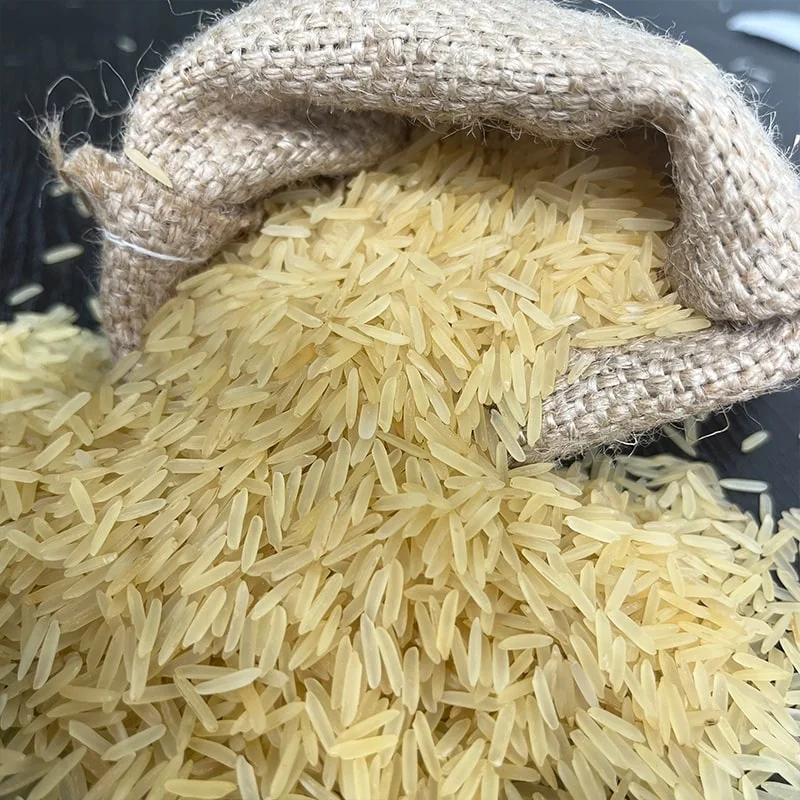
.jpg.png)